
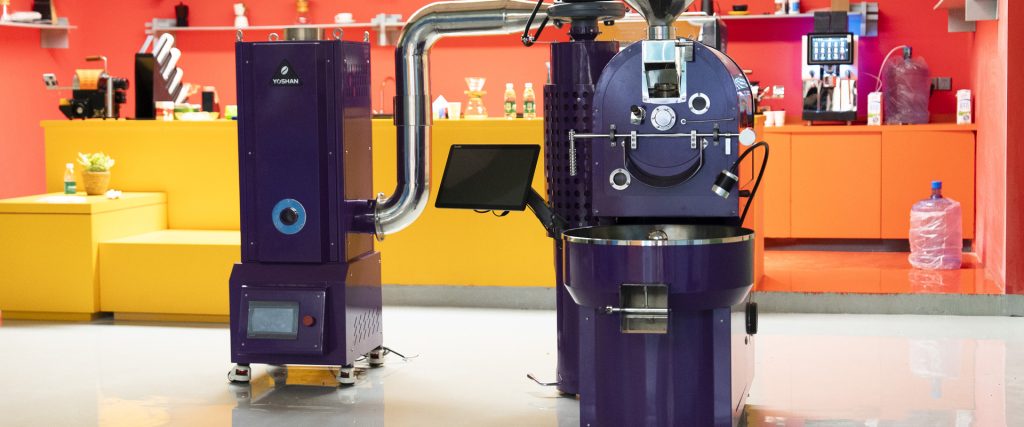
Coffee Roaster Afterburner: Three Questions That Decide If You Need One, and Which
Thermal, catalytic or electrostatic? Three questions — your rules, your neighbours, your machine size — decide whether you need an afterburner and which.

Thermal, catalytic or electrostatic? Three questions — your rules, your neighbours, your machine size — decide whether you need an afterburner and which.
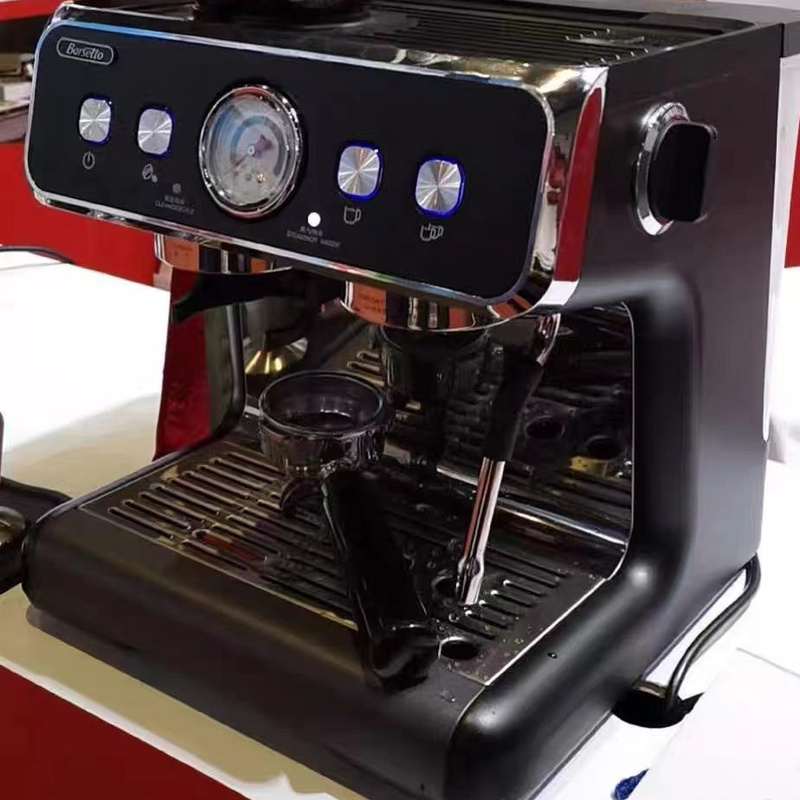
1 group vs 2 group vs 3 group espresso machine: what a group limits, an honest comparison by drinks per hour, when one is right, when you need two or three, and prices.
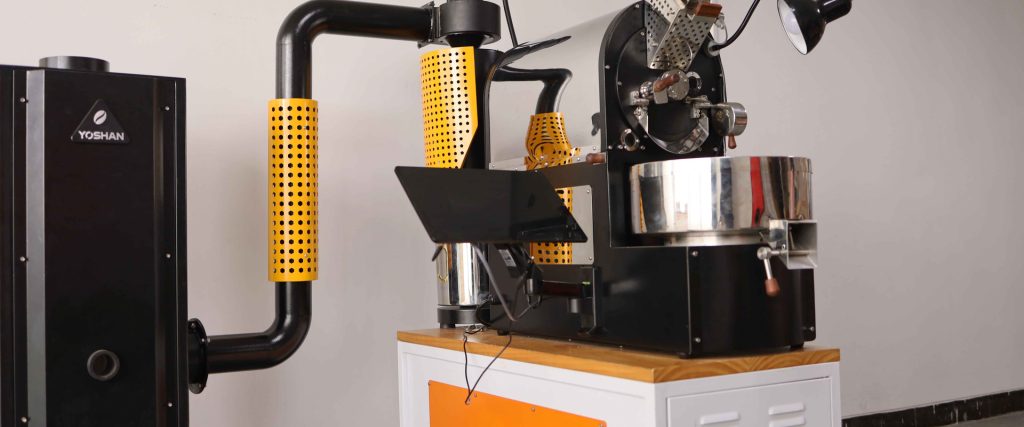
Buying a coffee roaster in the Philippines: why 220 V/60 Hz must be on the order, sizing with prices, Manila and Cebu shipping, how resellers work with us, support and barako.
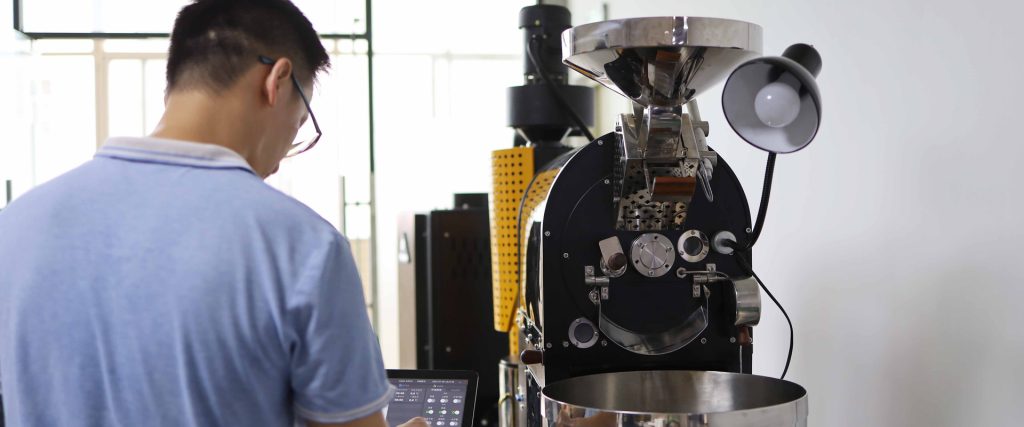
A CE sticker proves nothing; the Declaration of Conformity does. What CE covers on a gas or electric coffee roaster, how to read the DoC, and UK and Gulf rules.
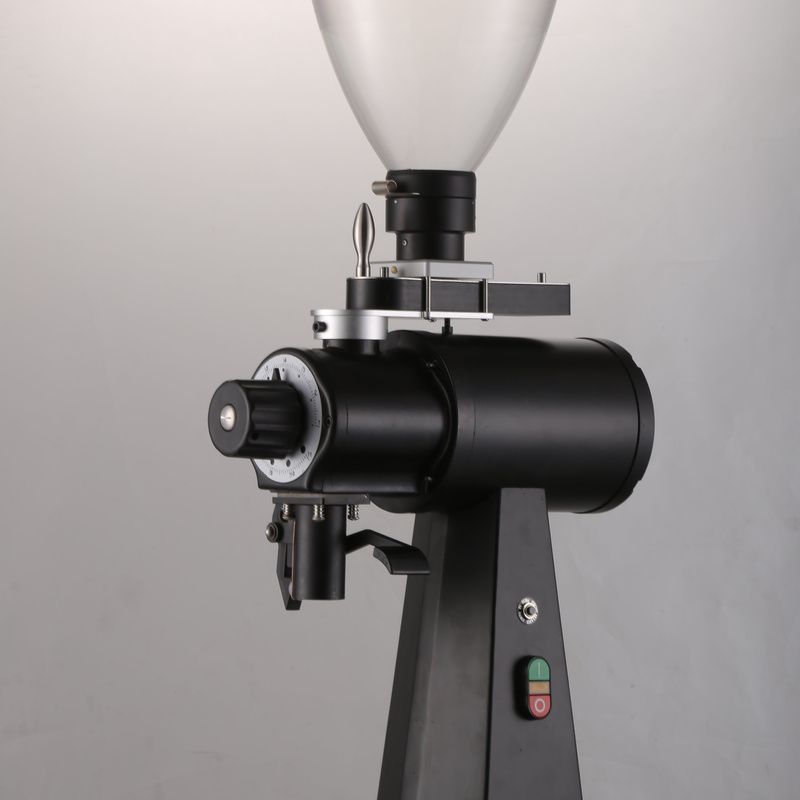
How to choose a commercial coffee grinder: burr size from your drinks per day, flat or conical, single-dose or hopper, burr life, and what we supply.
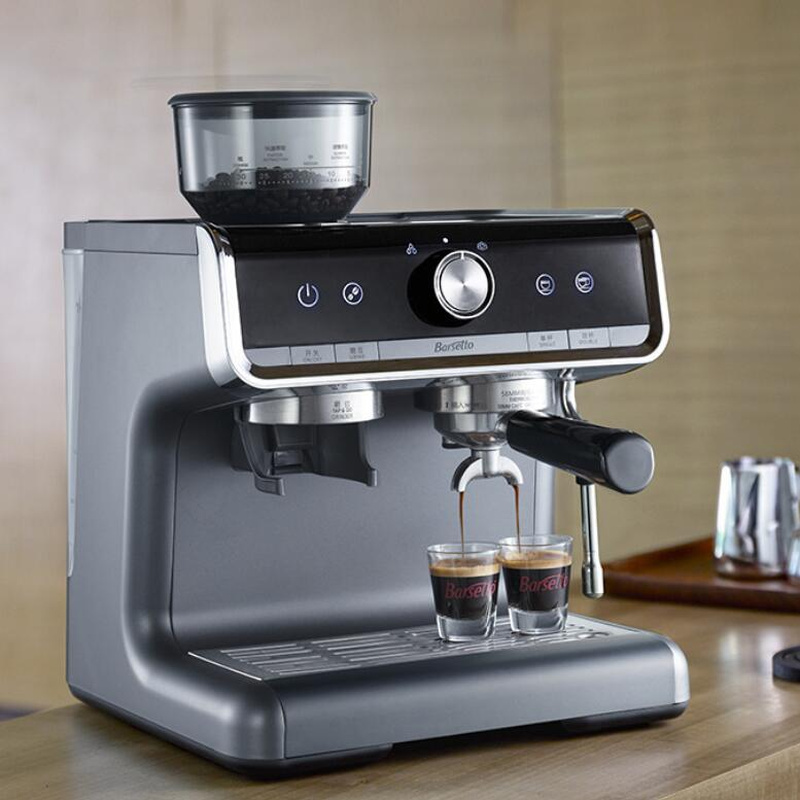
How to choose a commercial espresso machine: size it from your peak hour, pick the boiler and automation type, confirm voltage and water, and buy wholesale.
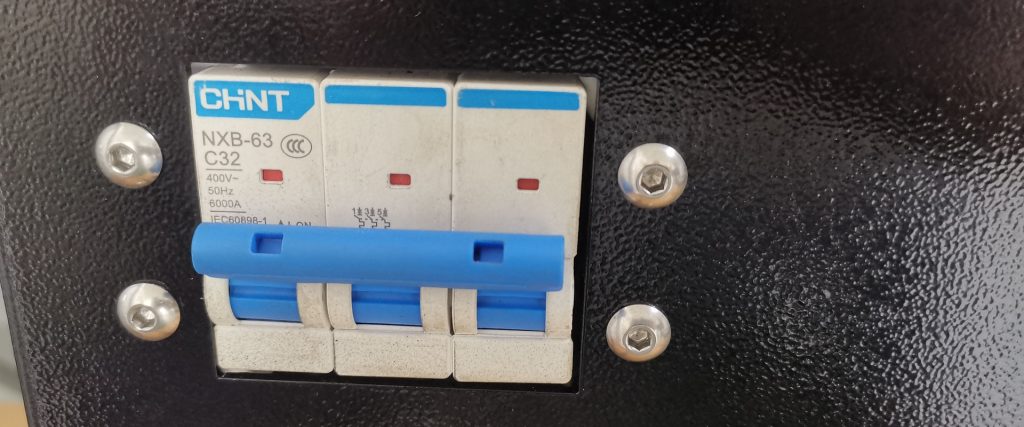
Coffee roaster voltage guide: why voltage matters on a gas machine, the three numbers to tell your supplier, a region table, single vs three-phase, plugs, what to send.
How to connect a coffee roaster to Artisan software: what it does for a roastery, the USB setup step by step, the Bluetooth trap, a troubleshooting table, which machines log.
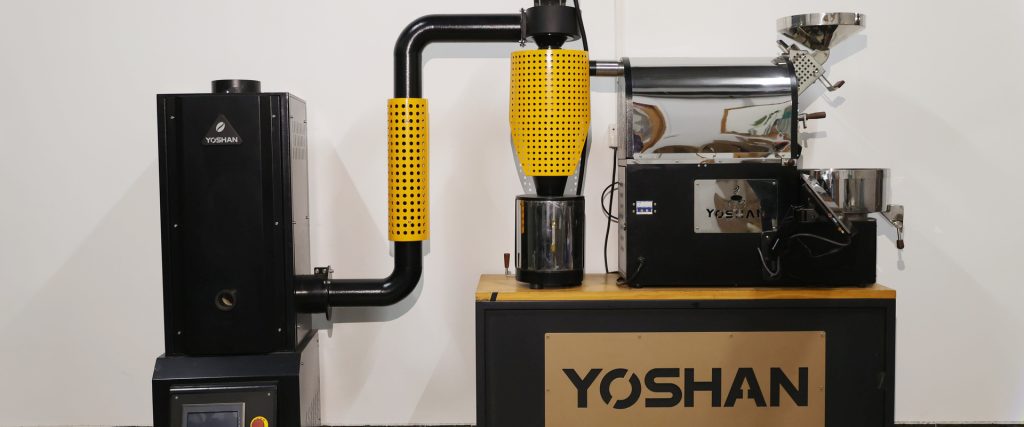
Coffee roaster ventilation requirements from 1 kg to 60 kg: exhaust airflow, make-up air, afterburner thresholds, chaff and duct maintenance, scale by capacity, duct design.
Start a coffee roasting business outside the US: work out weekly volume, pick a model, size the roaster, then get the machine into your country and running.