
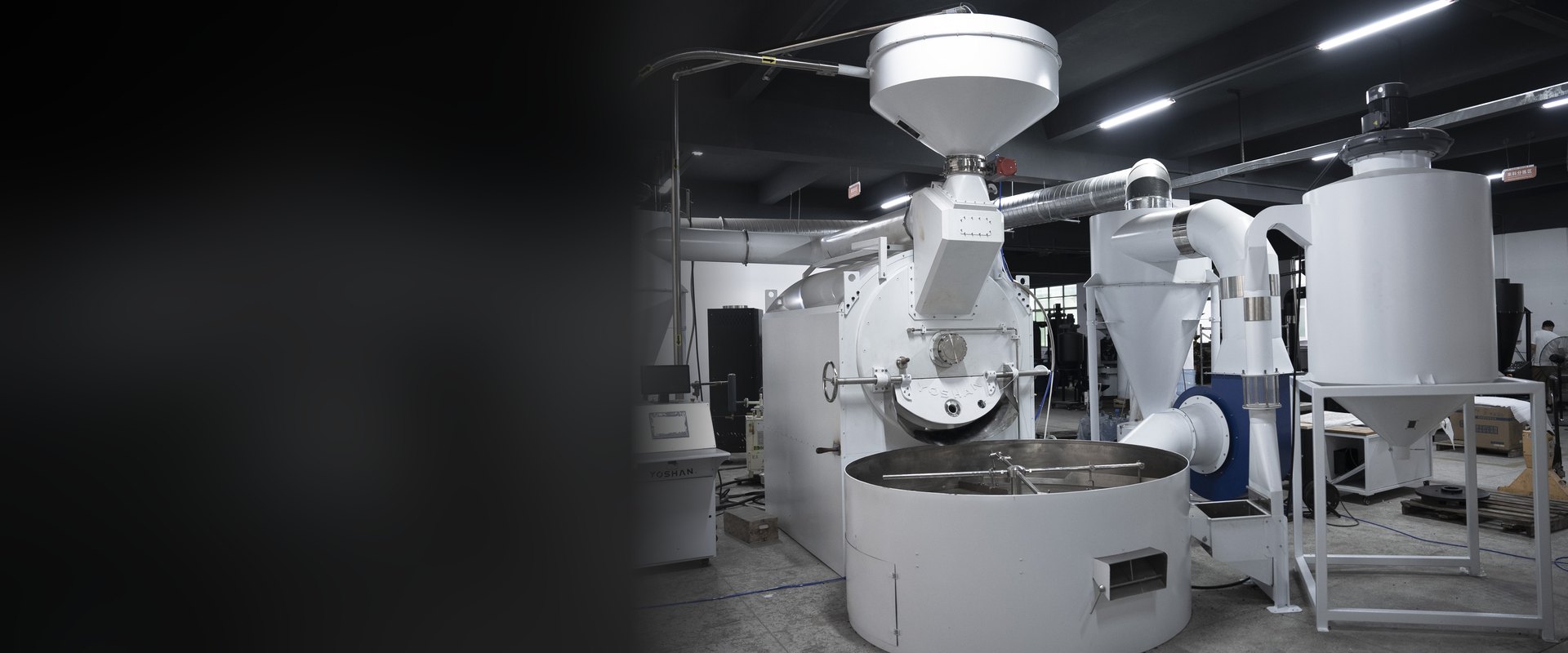
Models and Prices
US dollars, EXW Shenzhen, 2026. The two 300kg coffee roasters, what the Pro line price can be reduced by, and the class below. See all 27 commercial coffee roaster models and prices.
300 kg Class
-
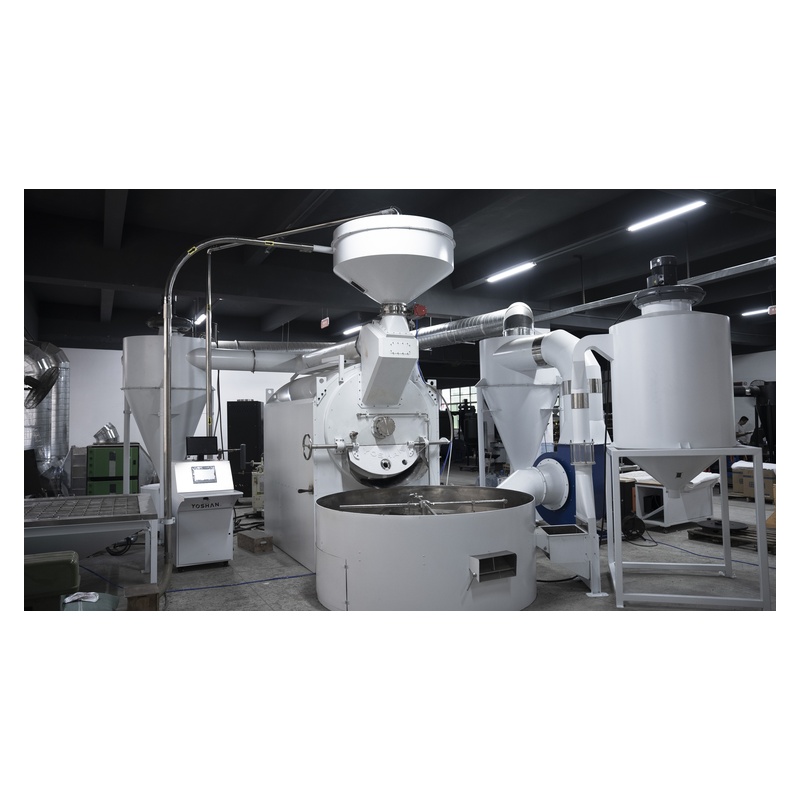 300 kg · Semi-automatic · USD 139,999
Your roastmaster holds the curve on a Siemens station; full hot air, with vacuum loader and destoner supplied.
-
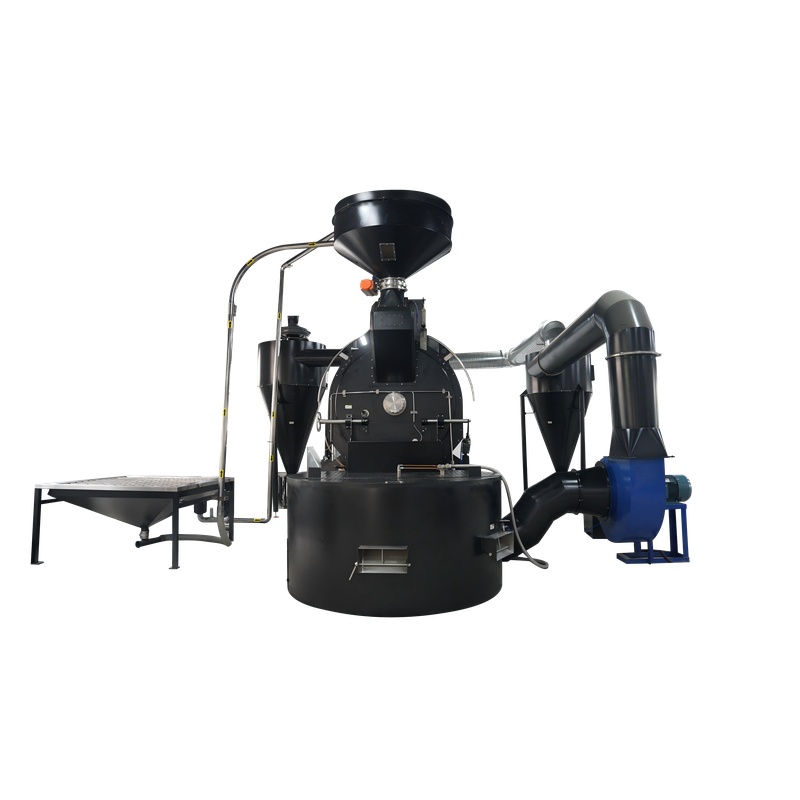 300 kg · Fully automatic · USD 289,999
A complete roast island on one price: roaster, vacuum loader, destoner and the afterburner with it.
If You Already Own Part of the Line
-
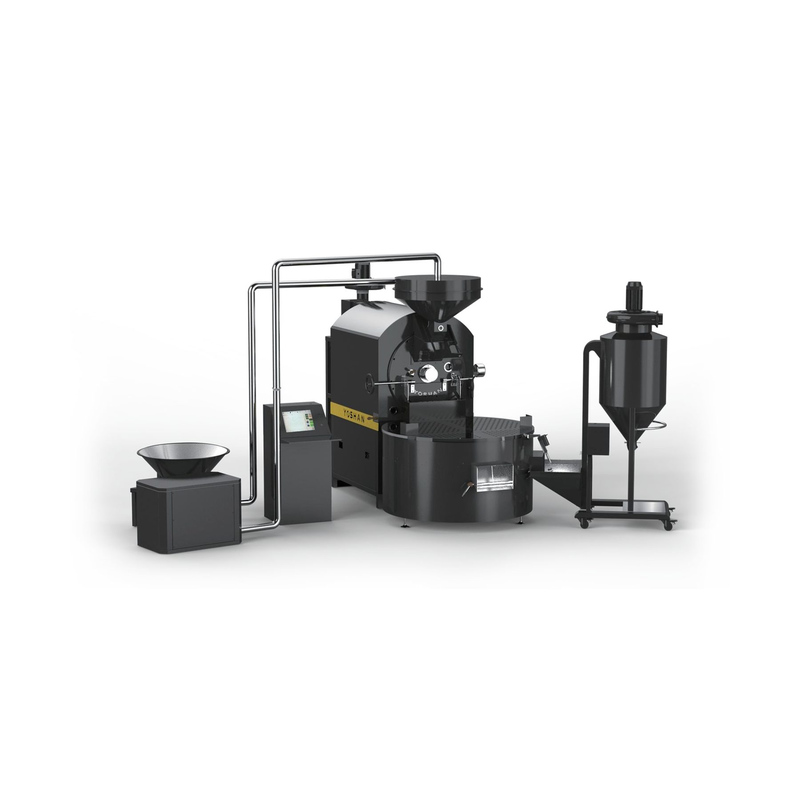 −USD 1,500
If your silo already feeds the hopper, USD 1,500 comes off the SD-360KG Pro line price.
-
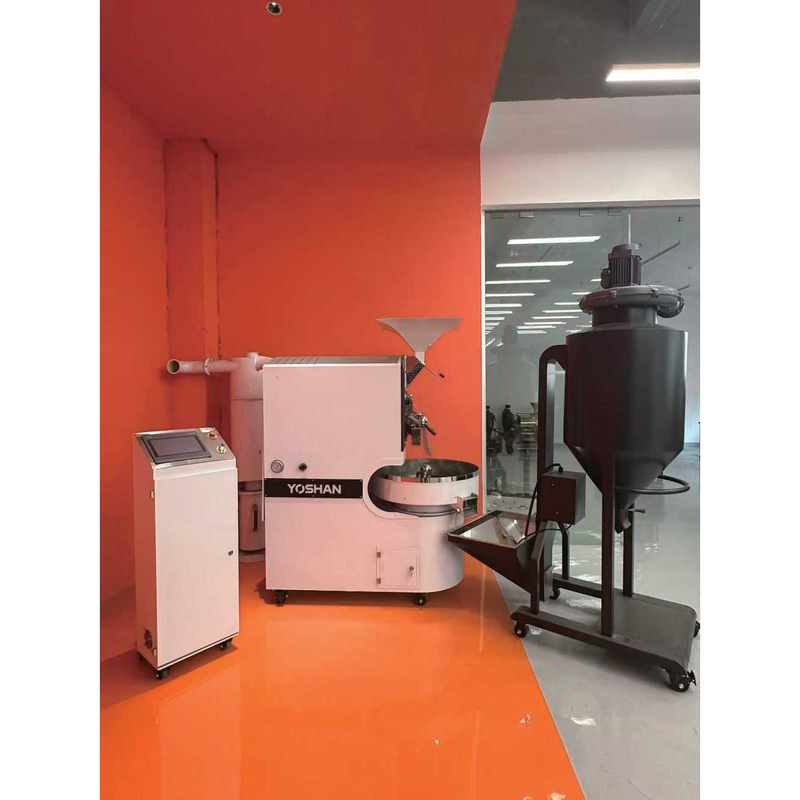 −USD 2,000
Already destoning upstream in your own cleaning line? The Pro price drops by USD 2,000.
-
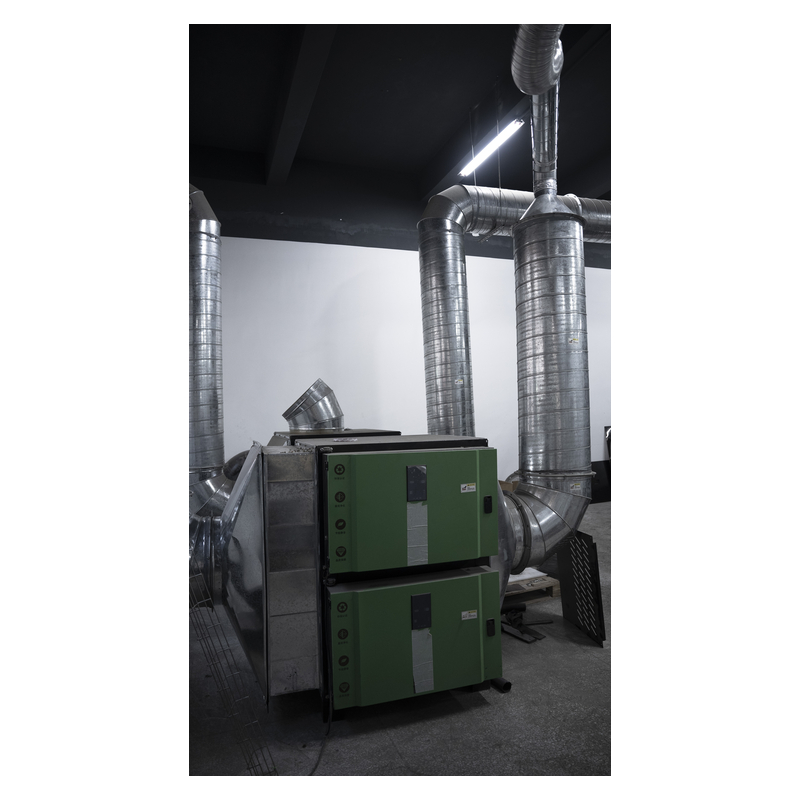 −USD 5,000
If your plant already abates the flue, the Pro line comes down by USD 5,000.
One Class Down
-
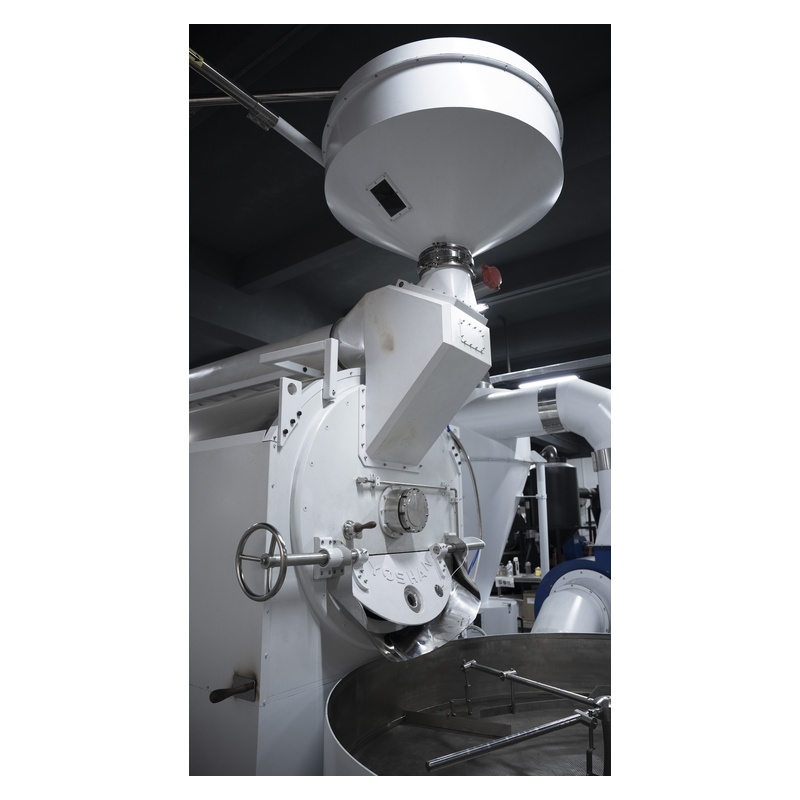 USD 109,999–149,999
Three quarters of a tonne an hour: YS-240 at USD 109,999, SD-240KG Pro at USD 149,999.
-
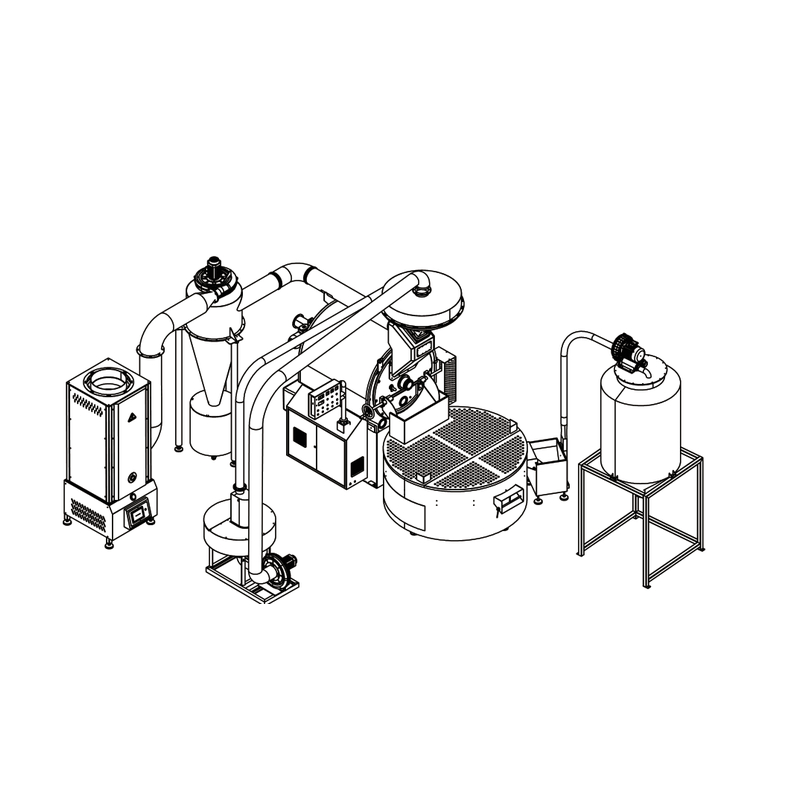 USD 59,599–99,999
Two hundred to 240 kg an hour, from USD 59,599; the Pro line is USD 99,999.
-
 Quoted with the line
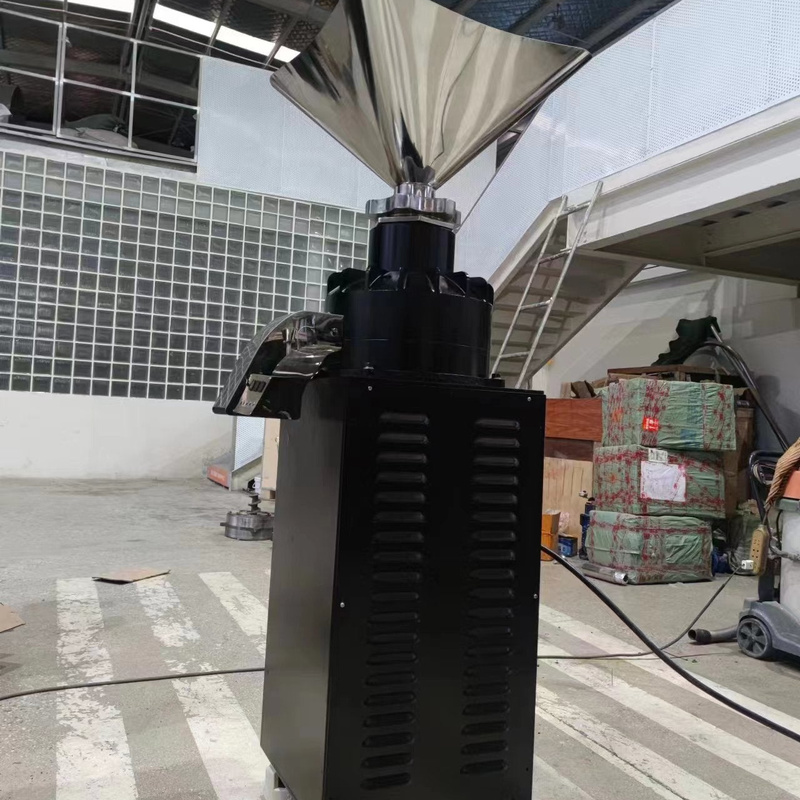
If you grind before packing, the YS-1100M and YS-2200M mills keep pace with this drum.
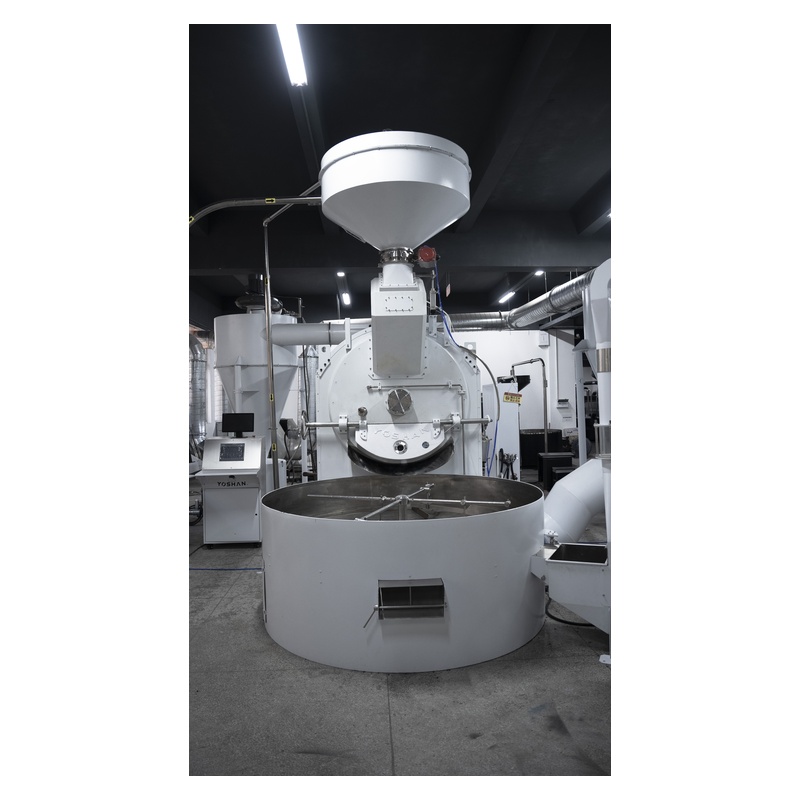
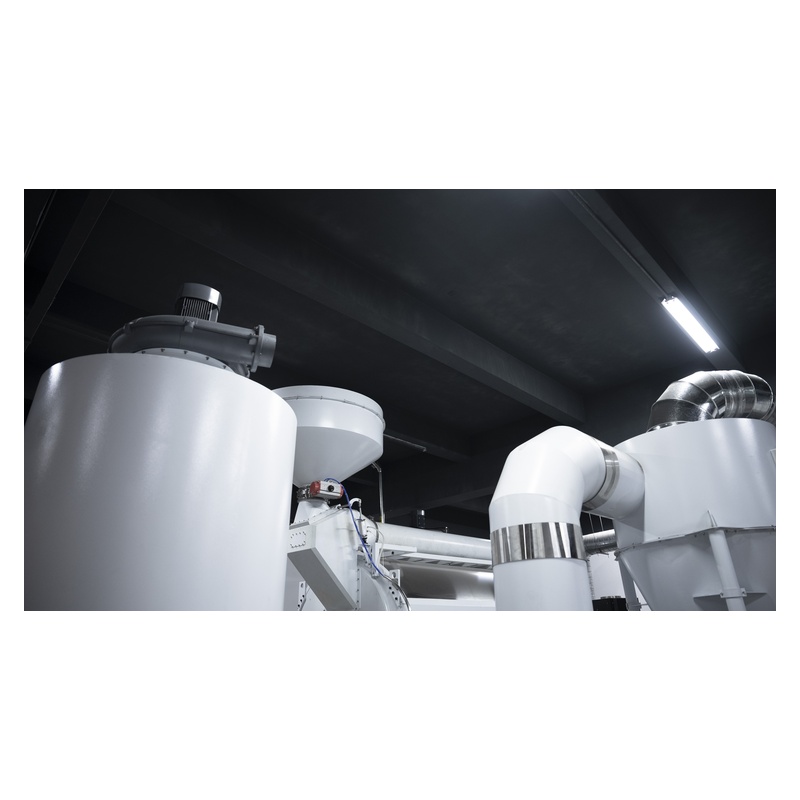
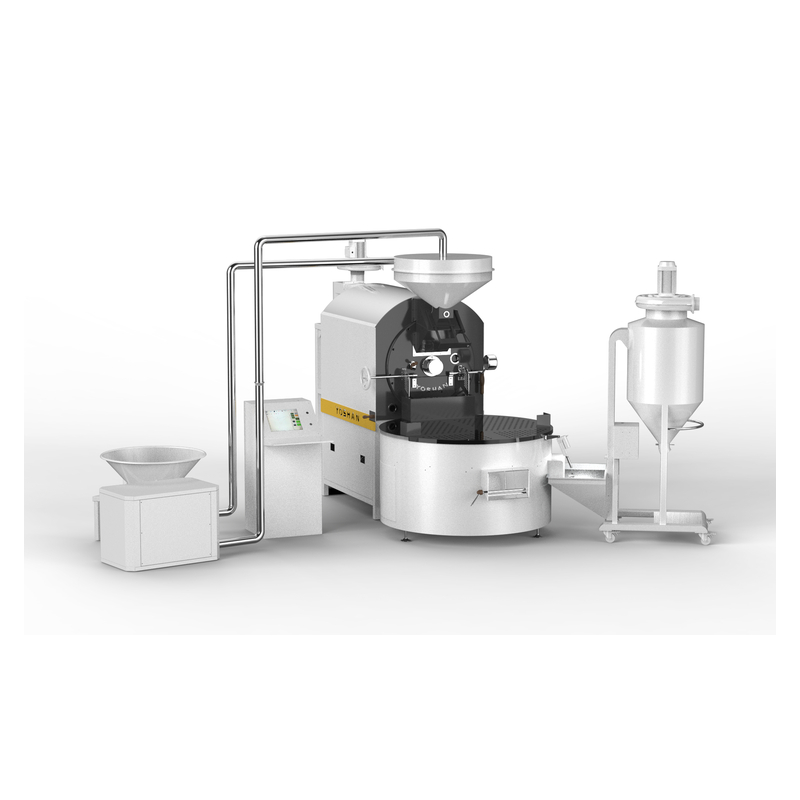
300kg Coffee Roaster: YS-360 USD 139,999, SD-360KG Pro USD 289,999 Complete With Afterburner
- 300 kg working charge, 360 kg at maximum
- 1,080–1,440 kg of roasted coffee an hour
- SD-360KG Pro price includes the afterburner
- YS-360 comes with loader and destoner
- Full hot air, cast-iron drum, Siemens control
- Three-phase 380 V, 33–34 kW installed
- Natural gas 42–95 m³/h on the Pro line
- YS-360 quoted at three to six months
The 300kg Coffee Roaster: More Than a Tonne an Hour
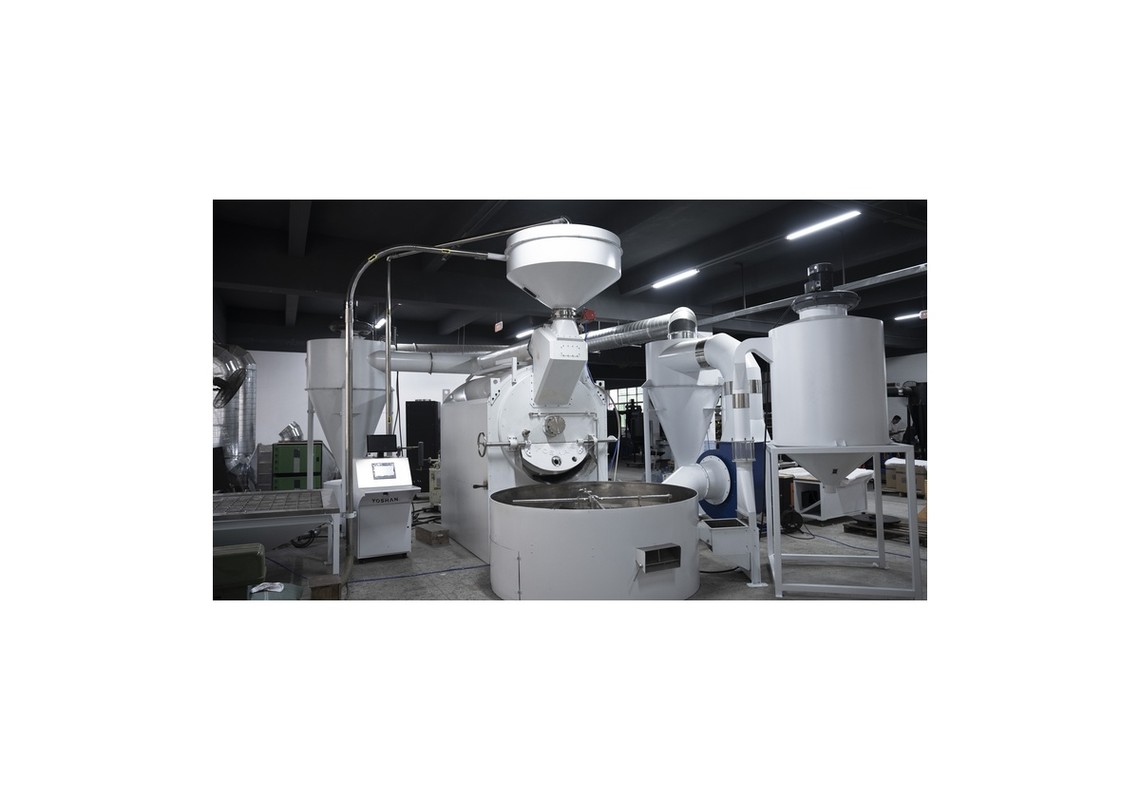
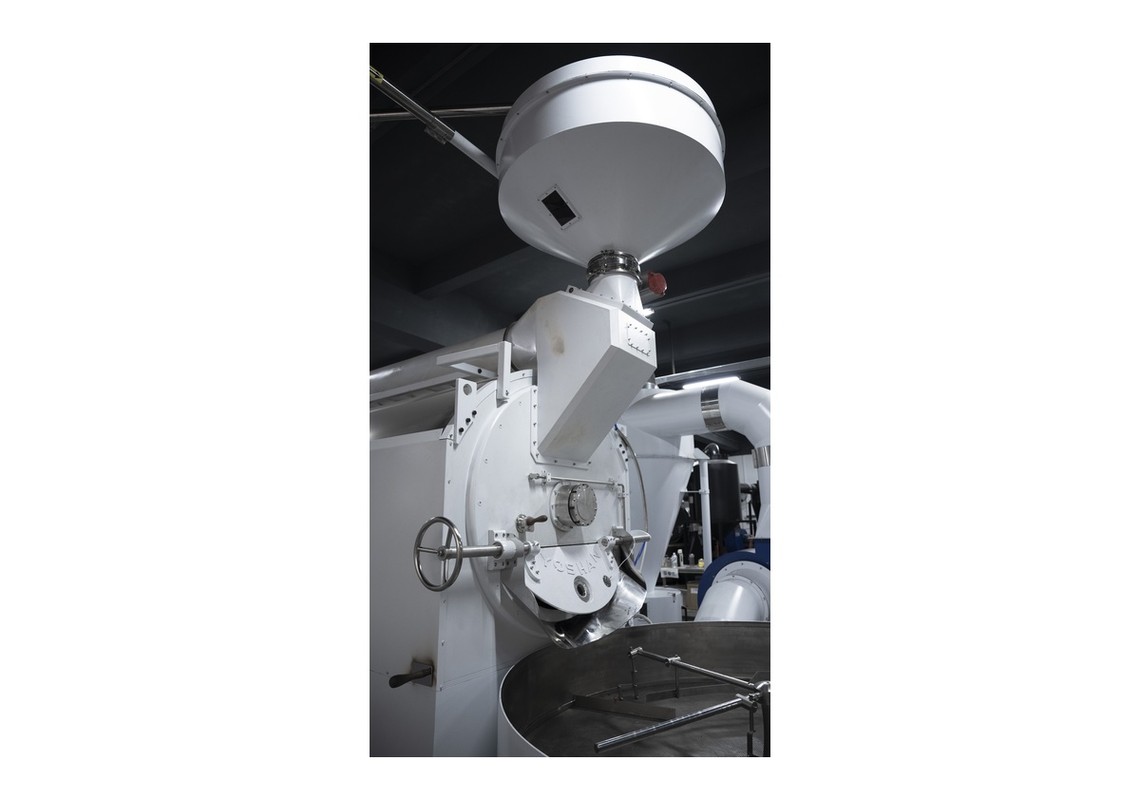
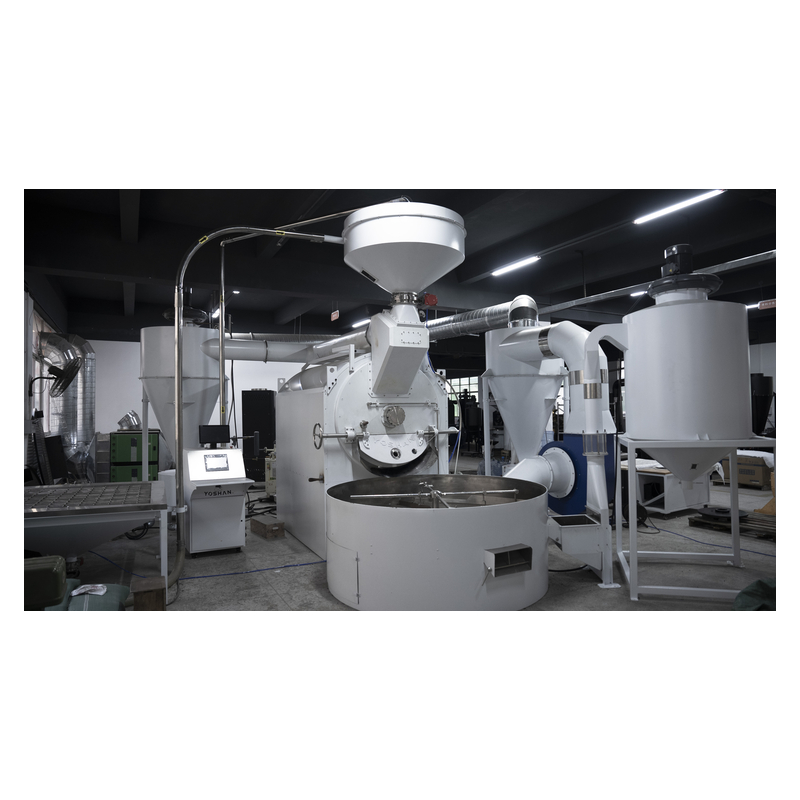
This is the largest drum in the range and the only Yoshan machine that puts more than a tonne of roasted coffee an hour onto your packing line. We sell it as the 300 kg class and the models are named SD-360KG Pro and YS-360, because the drum takes a 360 kg charge at maximum and 300 kg is the charge it is normally run at. You choose between two of them. The SD-360KG Pro at USD 289,999 is quoted as a complete roast island — roaster, vacuum loader, destoner and afterburner on one price — and the semi-automatic YS-360 at USD 139,999 arrives with loader and destoner, leaving abatement to your own specification. Both are gas fired and full hot air.
Specifications
- SD-360KG Pro
- YS-360
- 240 / 300 kg
| Price, EXW Shenzhen | USD 289,999 — complete line: roaster, vacuum loader, destoner and afterburner |
|---|---|
| Control | Fully automatic, Siemens system |
| Working charge | 300 kg; rated to 360 kg (794 lb) at maximum |
| Roasted output | 1,080–1,440 kg/h at full charge |
| Cycle time | 12–15 min |
| Cooling | 6 min |
| Roasting method | Full hot air |
| Gas consumption | Natural gas 42–95 m³/h; LPG 15–34 m³/h |
| Power | Three-phase 380 V, about 34.2 kW installed |
| Price reductions | Less USD 1,500 without the loader, USD 2,000 without the destoner, USD 5,000 without the afterburner |
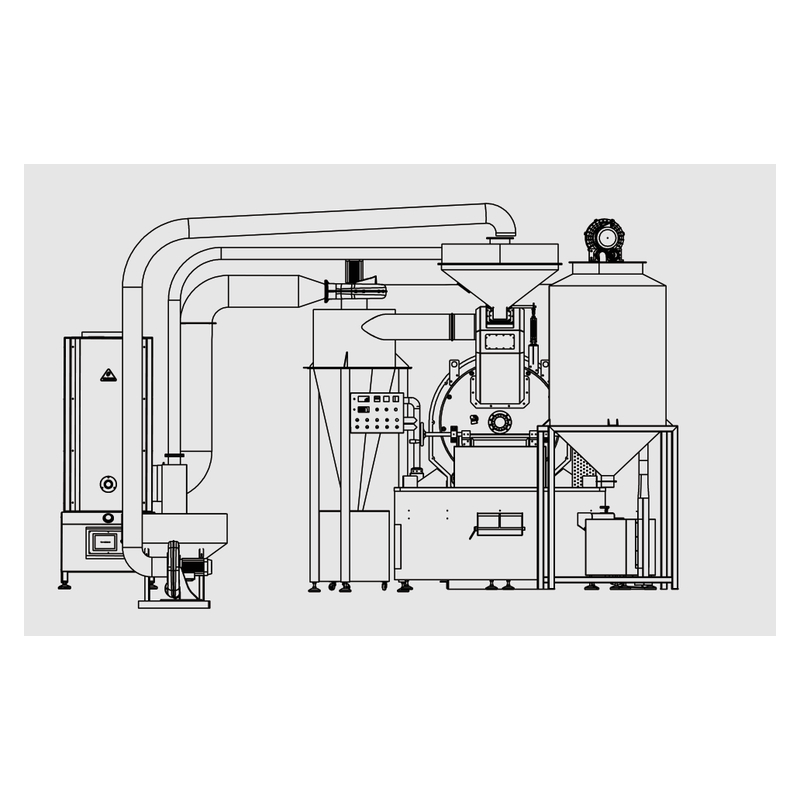
| Roast island drawing | Your building, with the machine and its services set into it, issued with the quote |
| Specification source | This class is built to the production line rather than to a catalogue sheet; the figures above are our factory's standard-build numbers and are restated on your quotation |
| Lead time | Built to order; your quotation carries the date |
| Price, EXW Shenzhen | USD 139,999 — roaster with vacuum loader and destoner |
|---|---|
| Control | Semi-automatic, Siemens system |
| Working charge | 300 kg; rated to 360 kg (794 lb) at maximum |
| Roasted output | 1,080–1,440 kg/h at full charge |
| Cooling | 5–10 min |
| Roasting method | Full hot air |
| Gas consumption | Natural gas 34.2–95 m³/h at 5–10 kPa; LPG 15–34 m³/h at 5–8 kPa |
| Power | Three-phase 380 V, about 33.3 kW installed |
| Afterburner | Not inside this price; sized against your flue and quoted with the line |
| Build time | Three to six months, built to order |
| Specification source | This class is built to the production line rather than to a catalogue sheet; the figures above are our factory's standard-build numbers and are restated on your quotation |
| Fully automatic | SD-240KG Pro USD 149,999 · SD-360KG Pro USD 289,999 |
|---|---|
| What the Pro price covers | Loader and destoner · loader, destoner and afterburner |
| Semi-automatic | YS-240 USD 109,999 · YS-360 USD 139,999, both with loader and destoner |
| Charge | 240 kg · 300 kg working, 360 kg maximum |
| Output | 720–960 kg/h · 1,080–1,440 kg/h |
| Gas, fully automatic | NG 26–52 m³/h · NG 42–95 m³/h |
| Power | About 28.6 kW · about 34.2 kW |
| Cooling | 6 min · 6 min on the Pro, 5–10 min on the YS-360 |
| Lead time | YS-240 and YS-360 quoted at three to six months; SD Pro dates confirmed on the quotation |
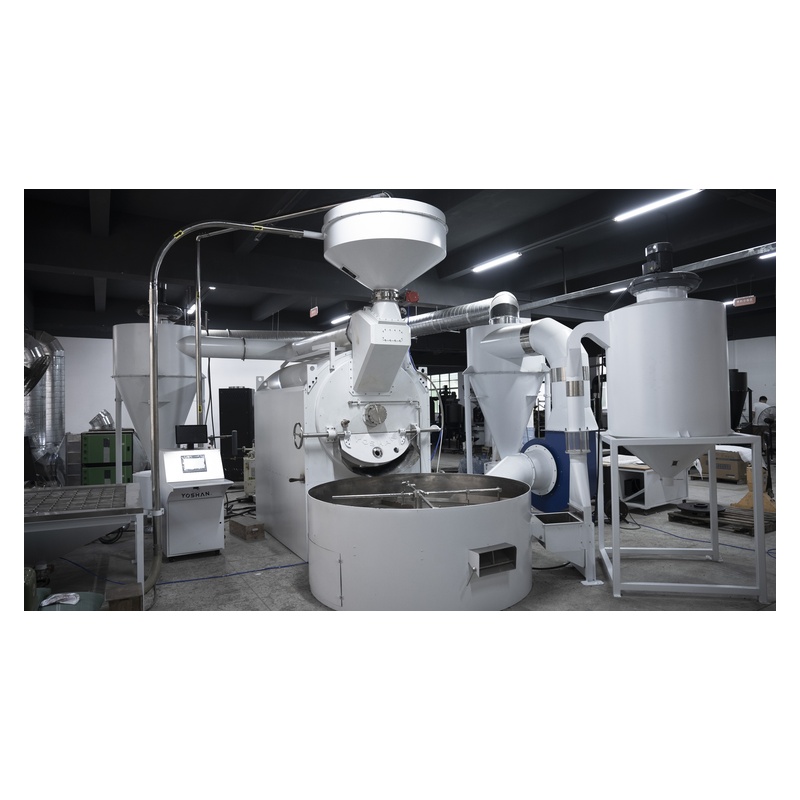
What Is Built Into Every 300kg Coffee Roaster



Who Runs a 300kg Coffee Roaster
At a tonne an hour the machine stops being equipment and becomes the plant. Four operations that get there.
When roasting is the business rather than part of it, the question is cost per kilo across a year. One drum at 1,080–1,440 kg an hour needs one operator, one flue and one maintenance schedule, and the SD-360KG Pro brings its abatement inside the price rather than as a line item you discover after the order is signed.
Instant coffee, concentrates and RTD all start with roasted beans in volume, and the roast is usually one input among several on a much larger plant. What matters to you is a repeatable curve, a feed you can integrate with your silos, and a supplier who will draw the machine into your existing layout before quoting.
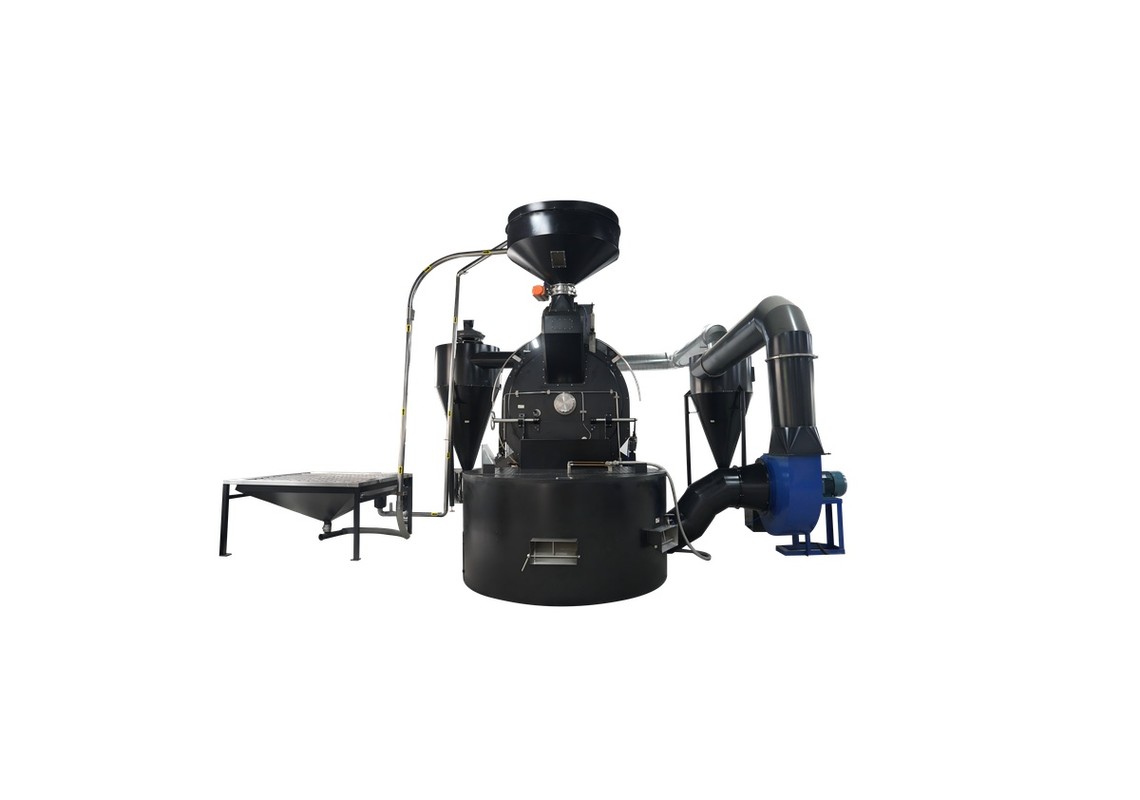
A container of green coffee becomes a container of roasted coffee here. The YS-360 at USD 139,999 keeps the capital down while giving you the same drum and the same hot-air system, and gas is the fuel most origin and distribution sites can secure in the quantity this machine draws.
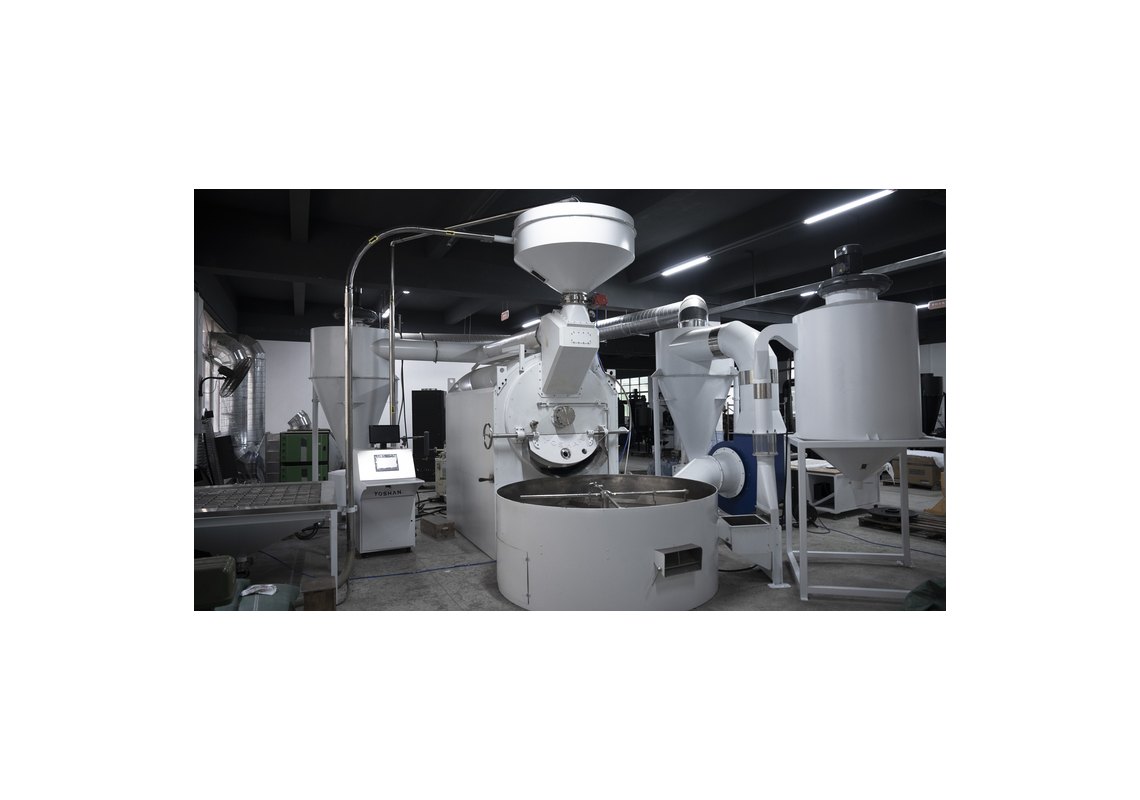
You are answering to a client for a whole facility. The roast island arrives as one quotation and one shipment — machine, loader, destoner, afterburner, ducting and grinder — with a layout drawing your civil and mechanical trades can build against, and a Yoshan engineer who can be beside your team when it is time to fire it.
Why the Pro Line Costs USD 289,999
Because it is not a machine, it is the roast island: on a 300kg coffee roaster of this specification the price carries the vacuum loader, the destoner and the afterburner alongside the roaster itself. Plants that already own part of that take it off — USD 1,500 without the loader, USD 2,000 without the destoner, USD 5,000 without the afterburner. The semi-automatic YS-360 at USD 139,999 is the other route, with loader and destoner but abatement quoted separately.
300 kg or 360 kg — Which Number Is Real
Both numbers belong to the same drum. A 300kg coffee roaster from us is rated to a 360 kg maximum charge — the figure in the model names and on your quotation — while 300 kg is the charge it is normally run at, and what the class is sold as. Output of 1,080–1,440 kg an hour is quoted at the full charge, so scale it if you plan to run 300 kg batches — that arithmetic comes back with your quotation.
The Services a Tonne an Hour Needs
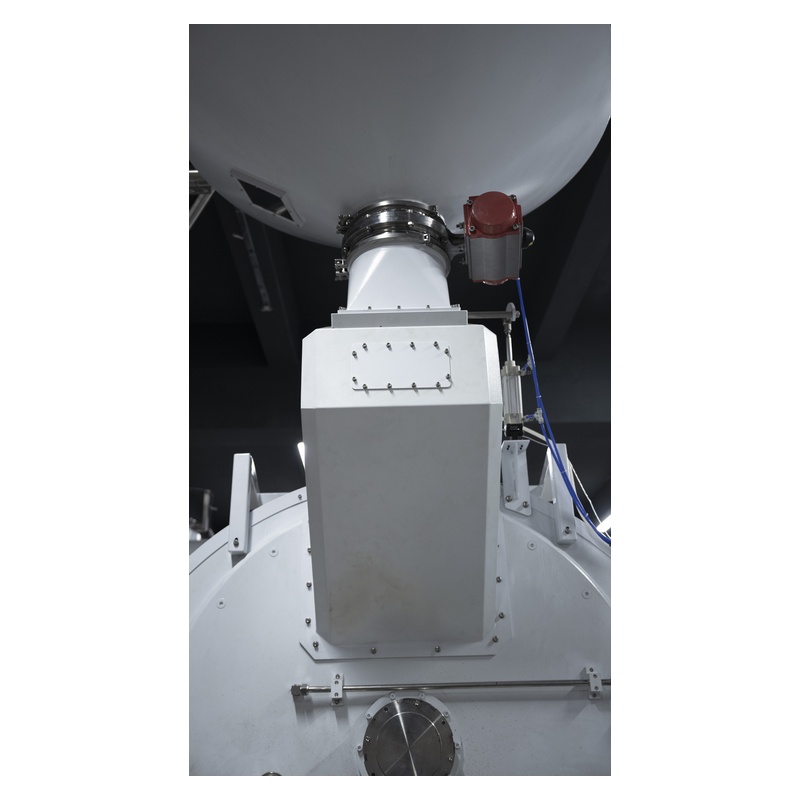
A 300kg coffee roaster draws natural gas at 42–95 m³/h on the Pro line, or 34.2–95 m³/h on the YS-360, with LPG at 15–34 m³/h either way. Electrically it is three-phase 380 V at roughly 33 to 34 kW installed. Those are the two numbers to put in front of your utility and your electrical contractor early, because upgrading a gas main or a transformer takes longer than building the machine does.
Smoke, Flue and What Your Authority Will Ask
At this size the flue is usually the first thing your authority looks at, and what counts as compliant abatement is set locally rather than by us. The SD-360KG Pro answers it inside the price with an afterburner; with the YS-360 it is specified and quoted against your duct run and fuel. Tell us the limits your permit names and we will size the unit against them — we will not tell you what your regulator will accept.
Getting It Into the Building
A 300kg coffee roaster arrives whole. Before the crate is booked, check the door or bay it passes through, the floor loading along the route and at the final position, headroom for the loader pipe and cyclone, and where the cooling tray discharges toward your silo or packing line. The layout goes out with the quotation, so your contractor can prove all of that on paper months before the machine sails.
Test Roast, Commissioning and Cover
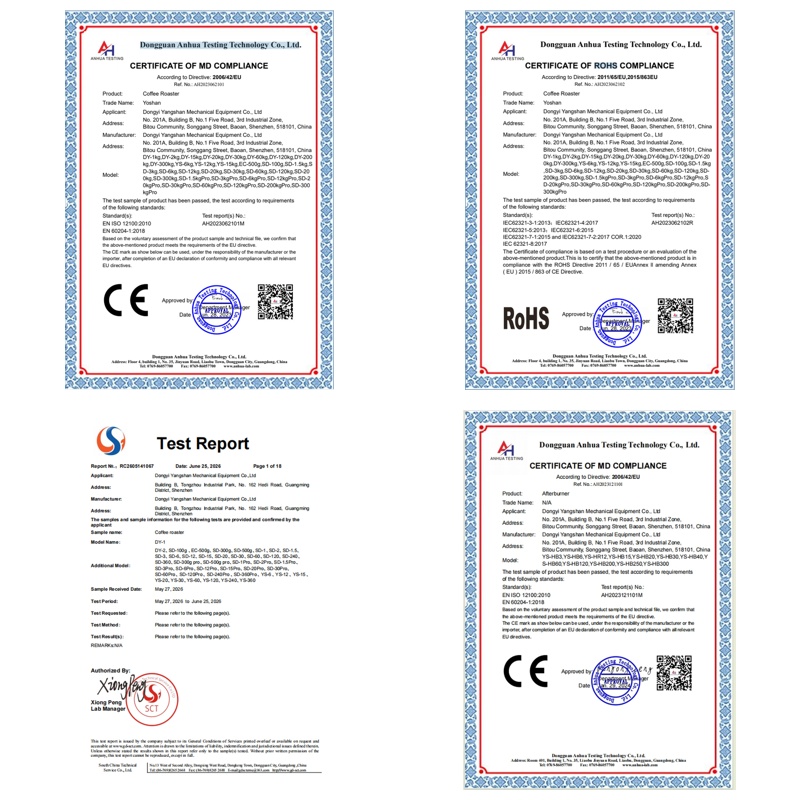
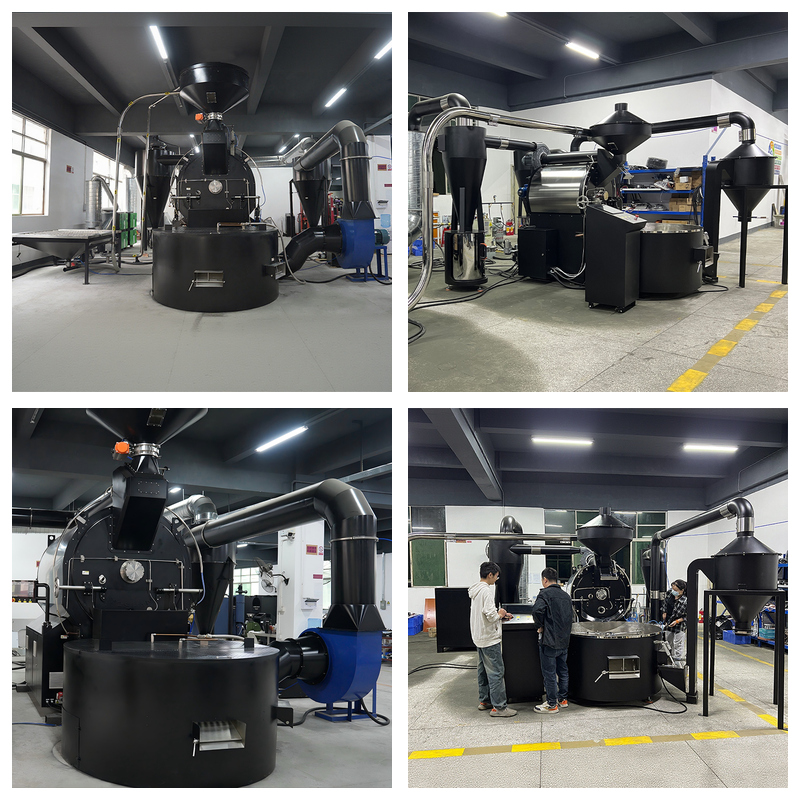
Every 300kg coffee roaster is fired with green coffee on the shop floor and filmed before it is crated; you see that and the packing photographs before paying the balance. Cover runs twelve months from the day it reaches your plant, or twenty-four months for USD 699 added at order. A Yoshan engineer can travel out for commissioning at this size, and the certifications page shows the CE and RoHS documents.
Downloads
Three documents your project file needs before the order goes in.
Where the 300 kg machines sit in the SD Pro and YS industrial ranges.
Scope, issuing body and the models each certificate names.
Machine, loader, destoner, afterburner and duct runs set onto your own building plan.
FAQ
The SD-360KG Pro at USD 289,999 is a complete line: roaster, vacuum loader, destoner and afterburner. The YS-360 at USD 139,999 includes loader and destoner, with abatement quoted separately. If you already own part of the line, the Pro price comes down by USD 1,500, 2,000 or 5,000 respectively.
Both names describe it. The drum is rated to 360 kg, which is why the models are called SD-360KG Pro and YS-360, while 300 kg is the charge it is normally run at and the name the class is sold under. Output figures are quoted at the full 360 kg charge, so scale them if you plan to run 300.
Between 1,080 and 1,440 kg of roasted coffee an hour at full charge, on a twelve to fifteen minute cycle. The spread reflects roast level and how continuously you run; send us your product mix and shift pattern and we will put the calculation for your plant in writing.
Natural gas at 42–95 m³/h on the SD-360KG Pro line, or 34.2–95 m³/h at 5–10 kPa on the YS-360; LPG is 15–34 m³/h on either. What matters is that pressure holds at the upper end of those ranges while the burner is at full draw, so bring your gas engineer into the project before the order, not after.
Yes — the SD-360KG Pro carries one inside its price, as our 30, 60 and 120 kg Pro lines do; the 20 and 240 kg sets are the ones that leave it out. With the YS-360 the afterburner is sized against your duct run and fuel and quoted with the line. What counts as compliant abatement is set by your local authority, not by us, so send us the limits in your permit.
The YS-360 is quoted at three to six months, the window for our semi-automatic machines from 120 kg upward; the SD-360KG Pro is built to order with its date confirmed on your quotation. You get photographs as the drum, the burner train and the panel come together.
Yes, and at this size it usually has to be. Tray discharge, conveyor or pneumatic transfer to the silo, cyclone and duct routing, and the signals your plant control system expects are all settled on the drawing before any steel is cut. Send the layout you have and it comes back with the roast island in place.
Two SD-240KG Pro machines cost USD 299,998 and give 1,440–1,920 kg an hour with redundancy and two profiles at once, but neither set includes an afterburner; one SD-360KG Pro is USD 289,999 with abatement, one flue and one operator. If continuity of supply matters more than cost per kilo, two drums is a real argument — tell us your risk and we will price both.
The Class Below, the Series and the Hub
Sizing Guide: Specifying a 300 kg Roast Island, and the Case for the Class Below
What a Tonne an Hour Actually Commits You To
A coffee roasting plant built around a 300kg coffee roaster changes what the rest of the site has to do. Green coffee arriving faster than a pallet a day. A silo or a bagging line that can take 1,080–1,440 kg an hour off the cooling tray. A gas main that holds pressure at 95 m³/h. Three-phase power at 33 to 34 kW. A flue with abatement your permit accepts. Staff on shift while the drum is hot. None of these is a reason not to buy a 300 kg coffee roasting line, but every one of them is cheaper to arrange before the machine ships than after it lands.
YS-360 or SD-360KG Pro
USD 139,999 against USD 289,999 looks like a wide gap until you unpack it: the Pro price includes the afterburner and full automation, and the YS-360 does not. If your plant already has abatement and a roastmaster you trust, the YS-360 gives you the same drum, the same hot-air system and the same output for far less capital. If you are building the island from nothing and want the curve repeated without a person holding it, the Pro is one purchase order instead of four.
When 240 kg Is the Better Buy
At 720–960 kg an hour the 240 kg class costs USD 109,999 to 149,999 and asks less of your gas supply and your packing line. If your annual tonnage fits inside it on two shifts, buy it and keep the difference for silos and packing — the 300 kg machines earn their price when a single shift has to carry the volume, or when you are already turning work away.
Where These Numbers Come From
Our printed catalogue treats the 240 and 300 kg machines as built to a production line rather than to a fixed sheet, so the charges, gas figures and power here are our factory's standard-build numbers rather than catalogue entries. They are restated on the quotation for the configuration you actually order, together with the layout drawing. If your line needs something outside them, that is an engineering conversation and we will put the answer in writing.
Terms, Shipping and Acceptance
Prices are EXW Shenzhen. Freight, insurance and DDP delivery are quoted on the same document so you can compare landed cost rather than machine cost. Payment is 50% to start the build and 50% before shipment, released after you have seen your own machine roast. Warranty is twelve months from arrival, twenty-four for USD 699, and commissioning on your floor can be arranged as part of the order at this capacity.