
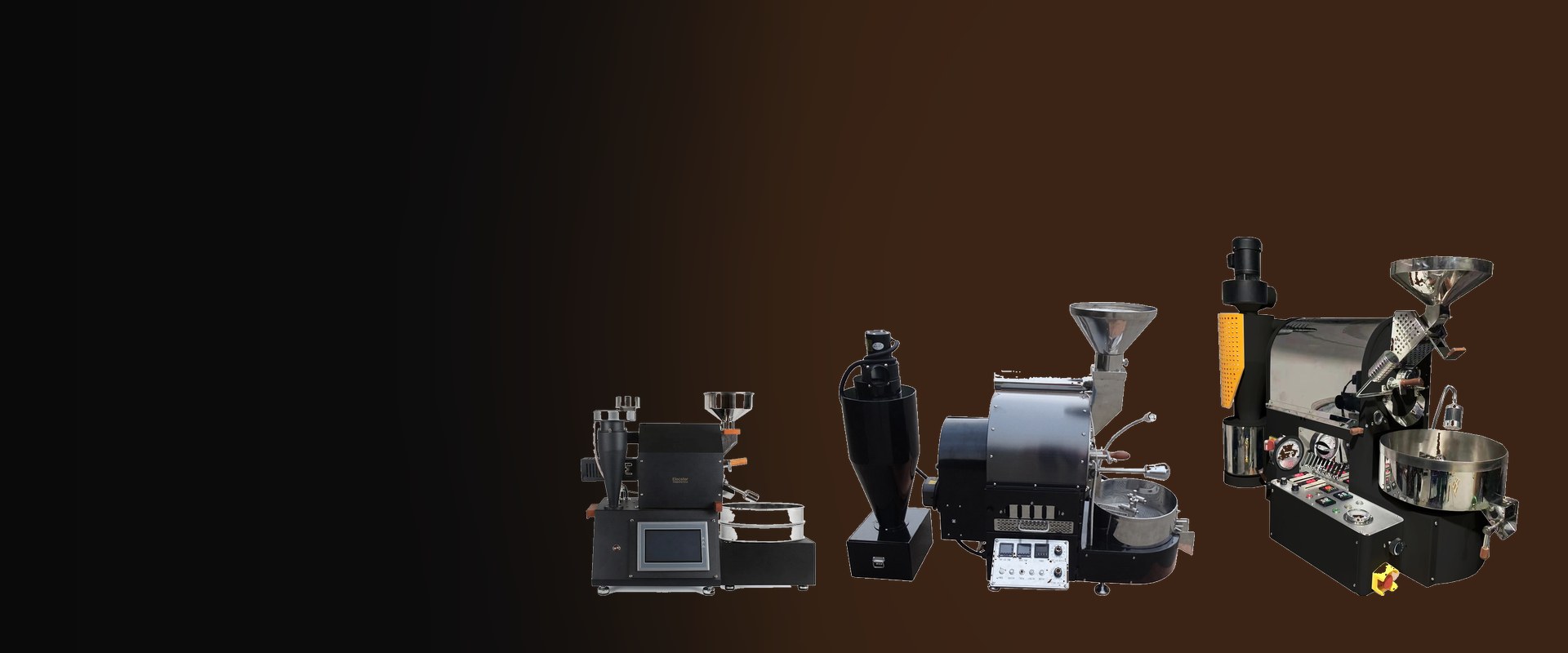
Four Sample Coffee Roasters, With Prices
US dollars, EXW Shenzhen, 2026. Each card says the batch size, how it is controlled and what it costs; open any model for its full page. See all 27 commercial coffee roaster models and prices. Roasting more than a sample but less than a kilo? See the mini coffee roasters, 100 g to 1.5 kg.
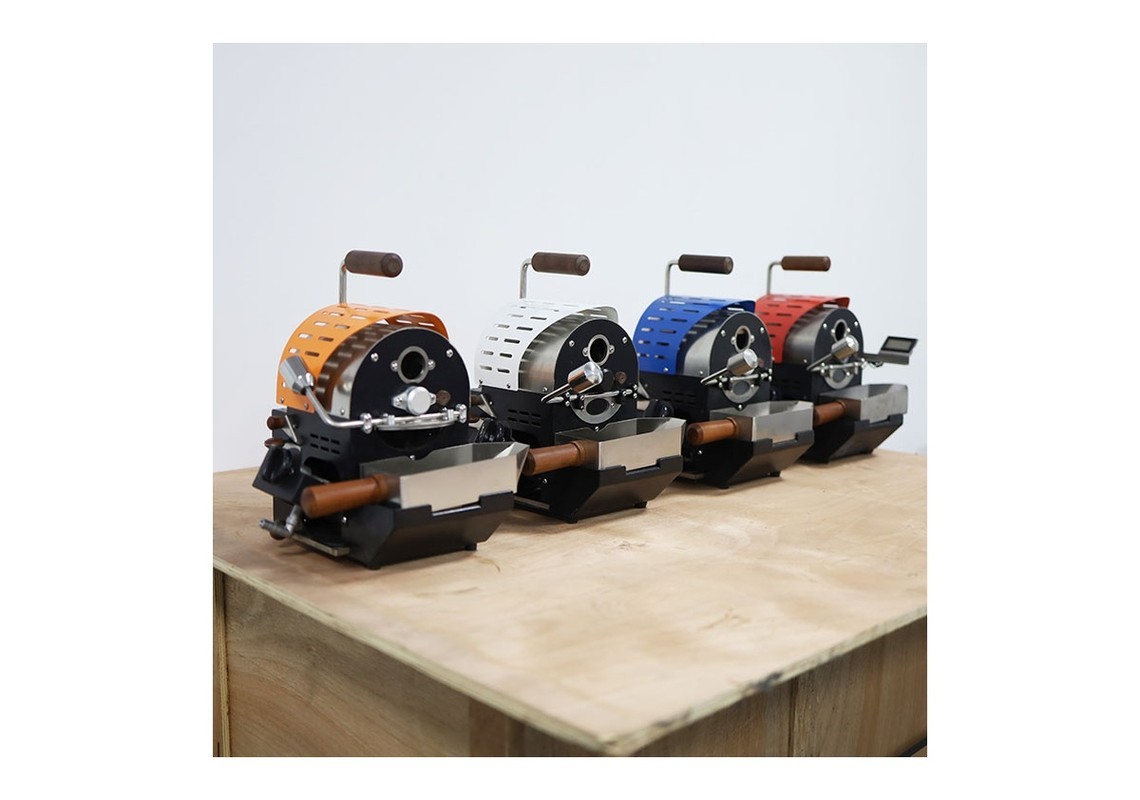
Sample Coffee Roasters · 100 g – 1.5 kg
-
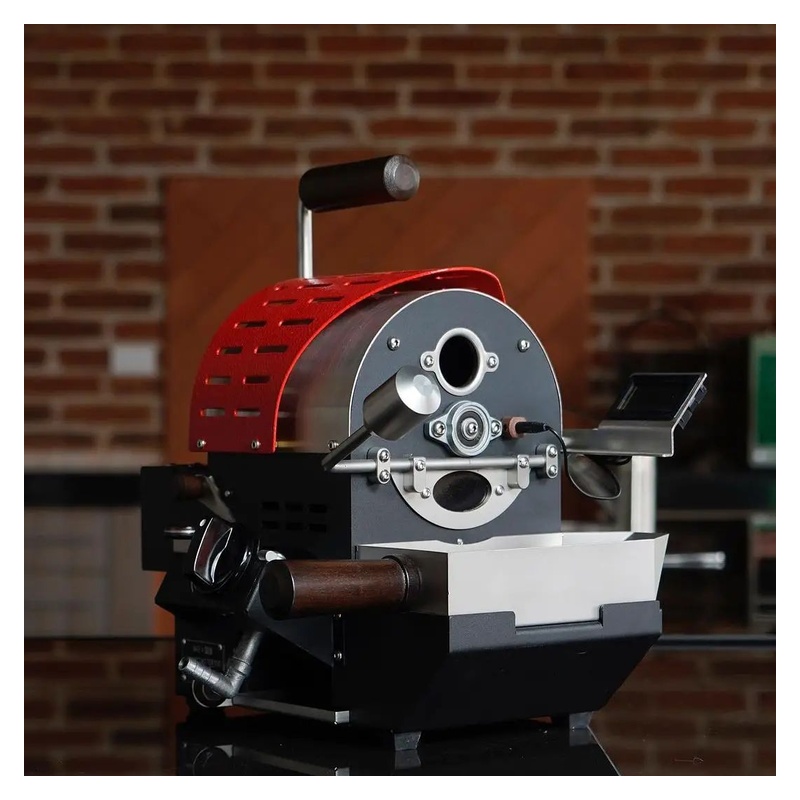 100 g · Manual · USD 899
Gas sample drum for cupping tables and green buyers scoring lots before a contract is signed.
-
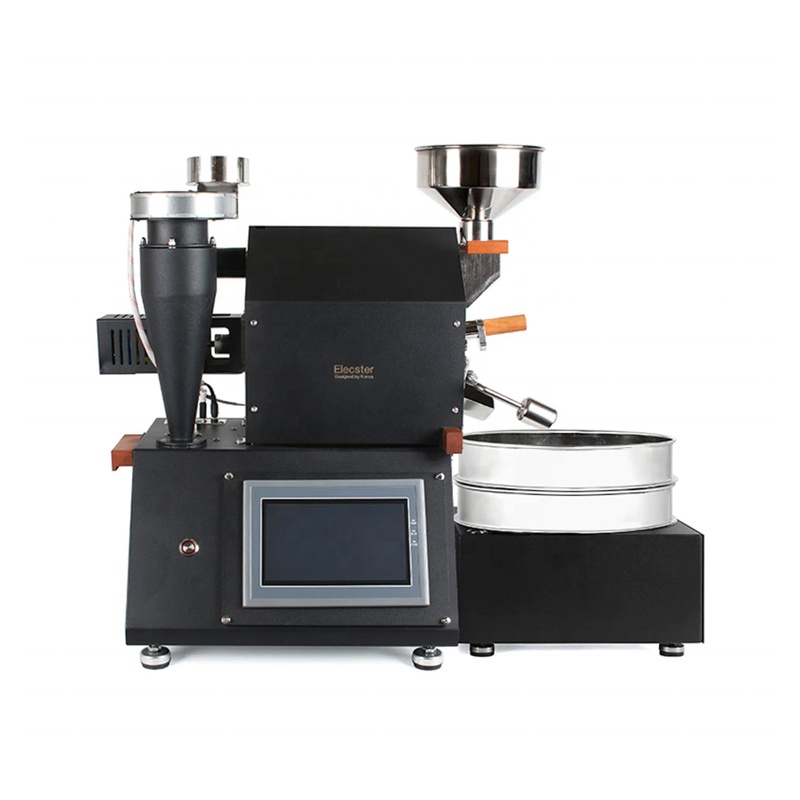 500 g · Electric · USD 1,699
Fully electric 200–500 g drum with touchscreen and data logging, running off a normal socket.
-
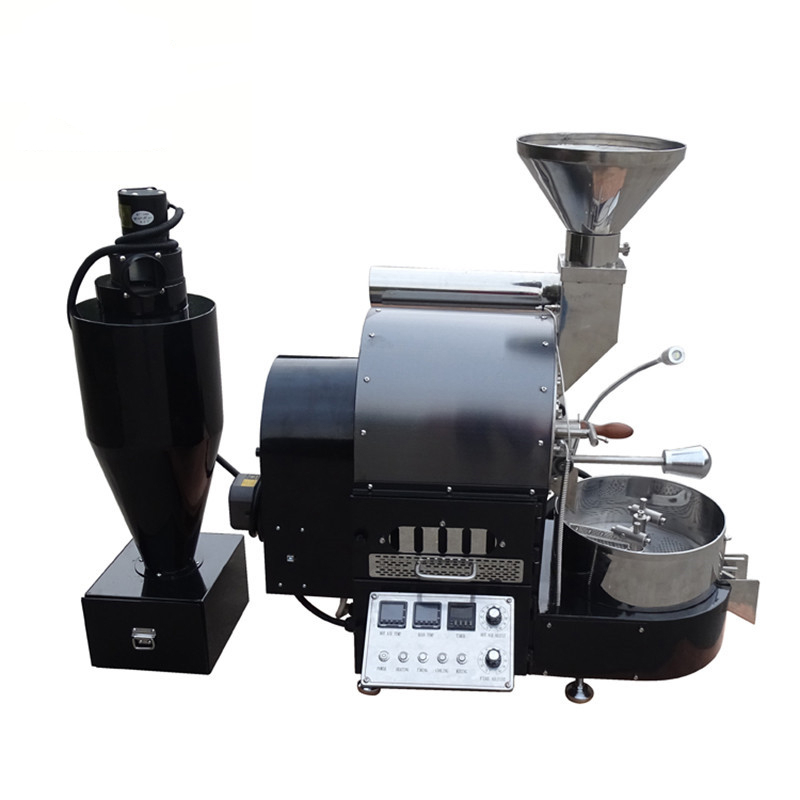 1 kg · Manual · USD 2,599
Half hot air and half direct flame, 0.2–1.5 kg a batch, priced the same on gas or electric.
-
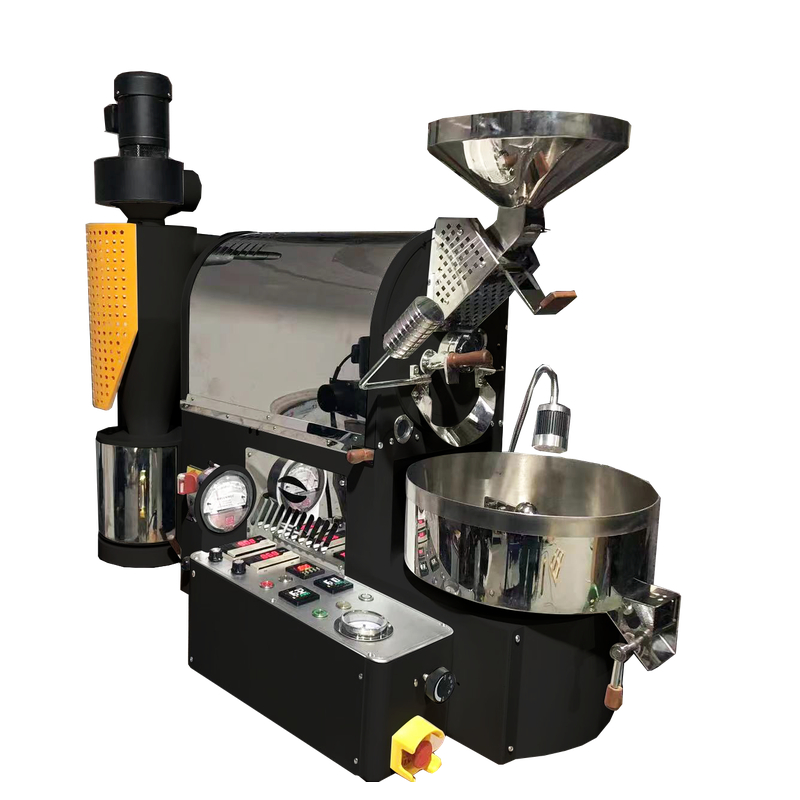 1.5 kg · Manual · USD 3,299
Cast-iron drum on a button panel, 1–1.8 kg a batch — a sample roaster that can also sell beans.
What Sample Roasters Are Usually Ordered With
-
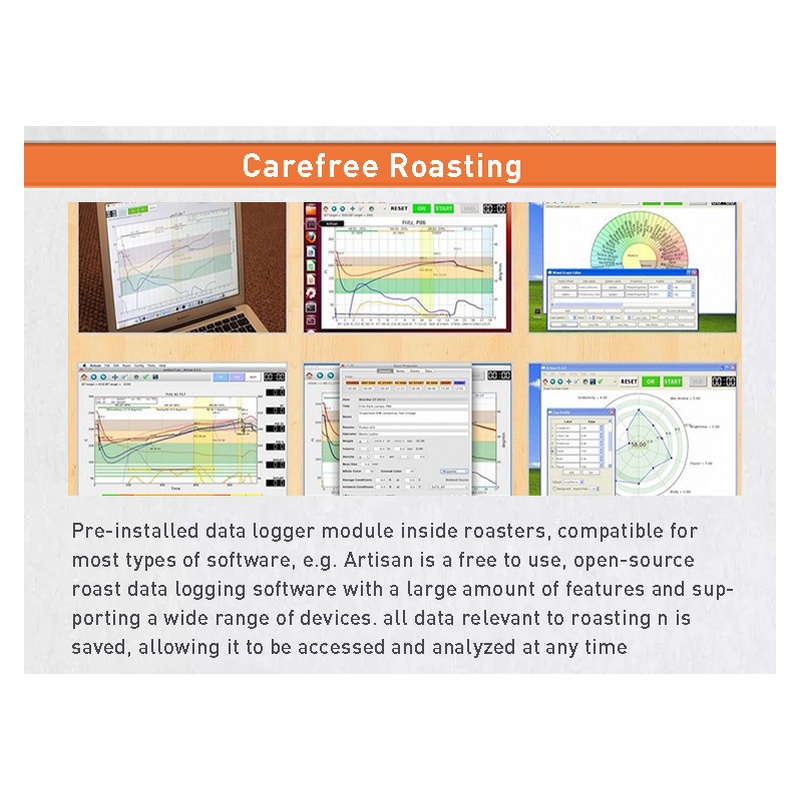 Option · USD 199
Adds the data link so the SD 100G Plus logs curves in Artisan; the EC-500G has it built in.
-
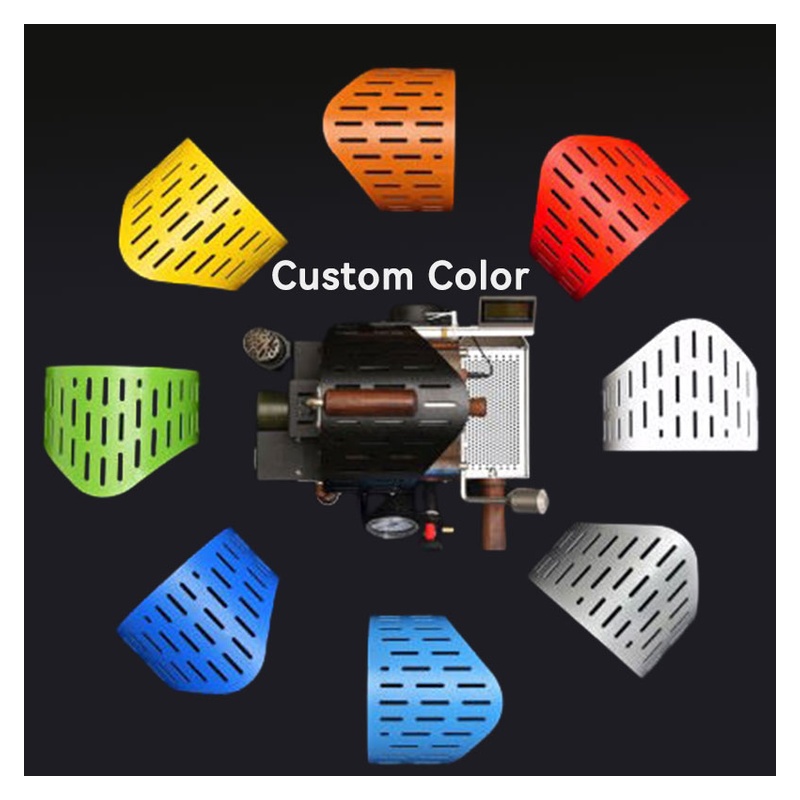 Included
Standard colours and your own logo cost nothing extra; the plate on electric models is white or black.
-
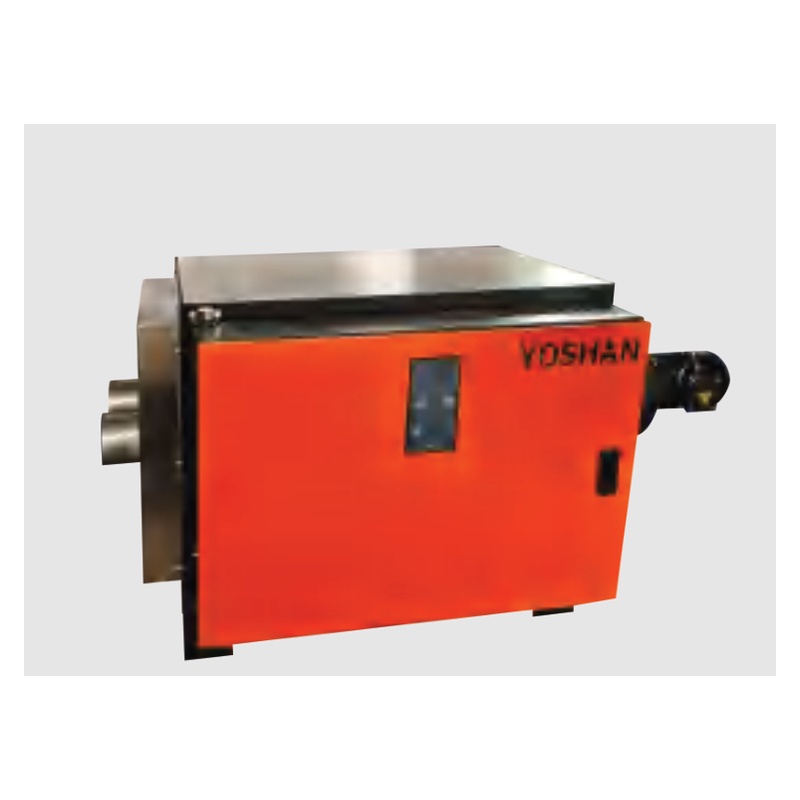 Quoted with the machine
Electrostatic filter for labs that roast indoors without a flue; sized to the drum you choose.
-
 Included
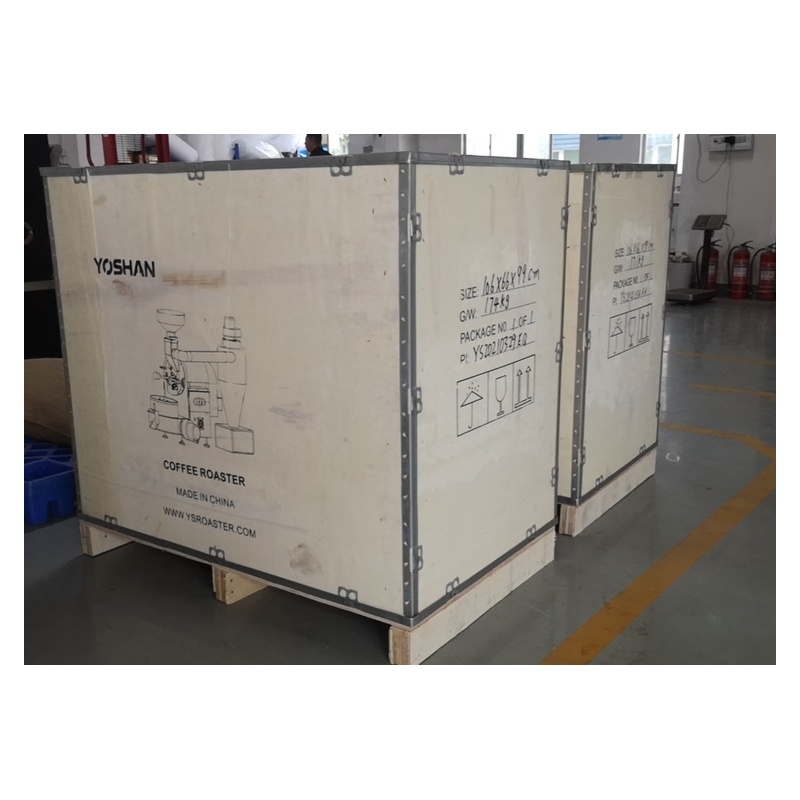
Film-wrapped plywood case for air or sea freight, with the tool kit and manual inside.
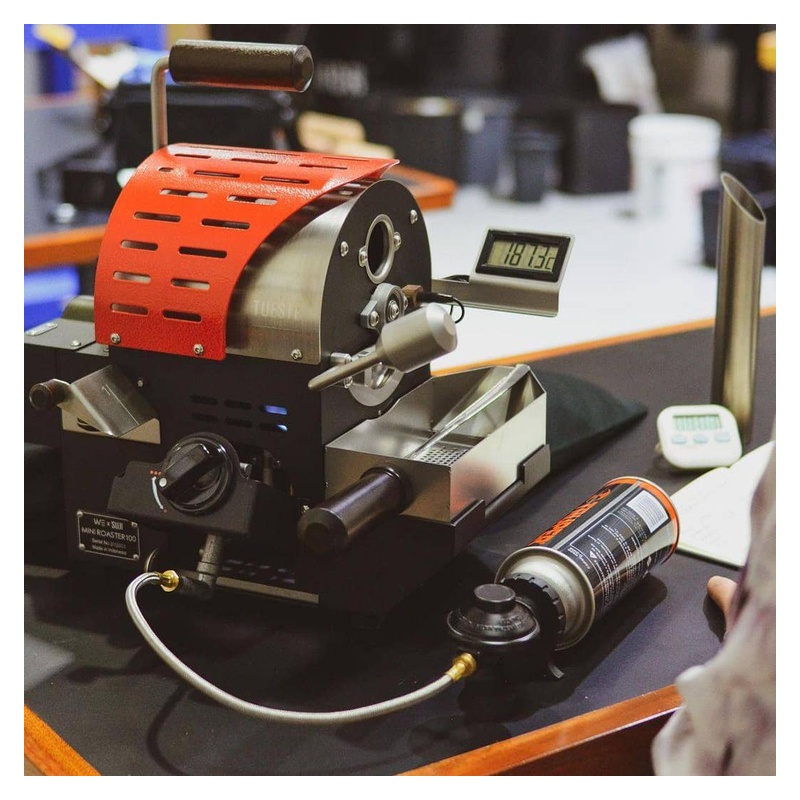
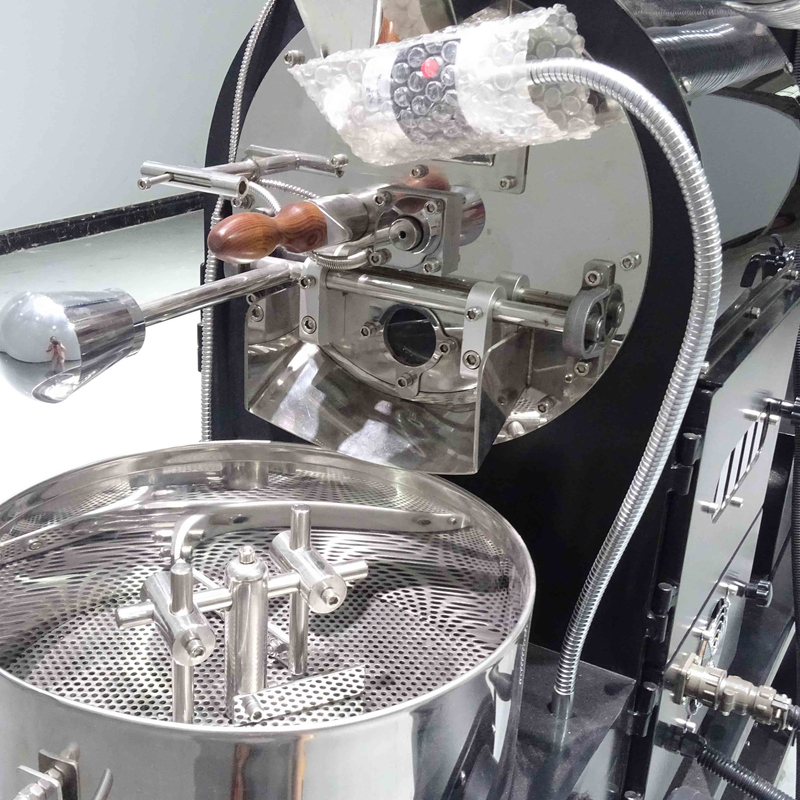
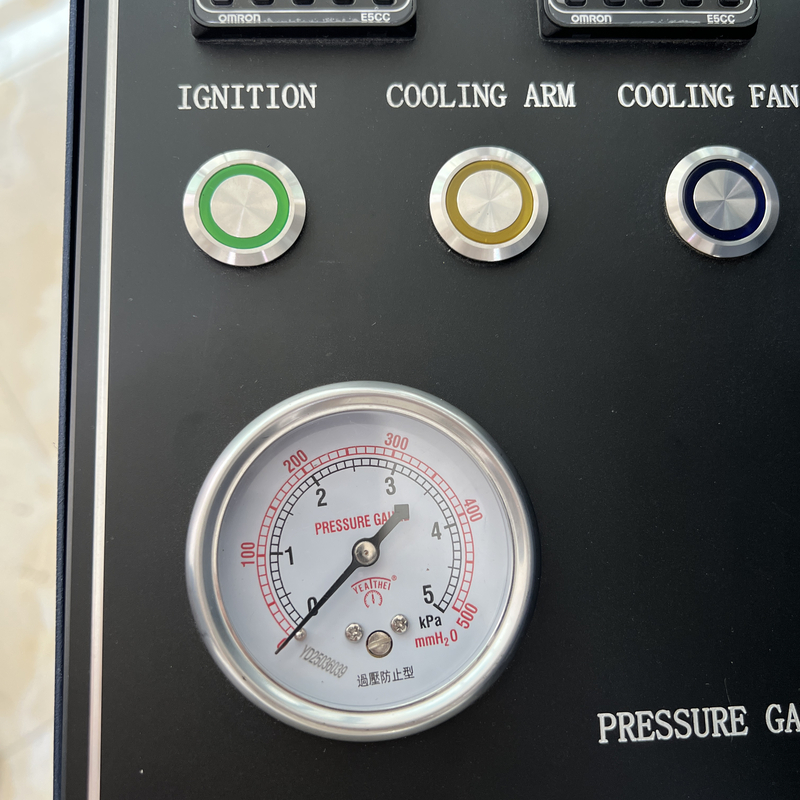
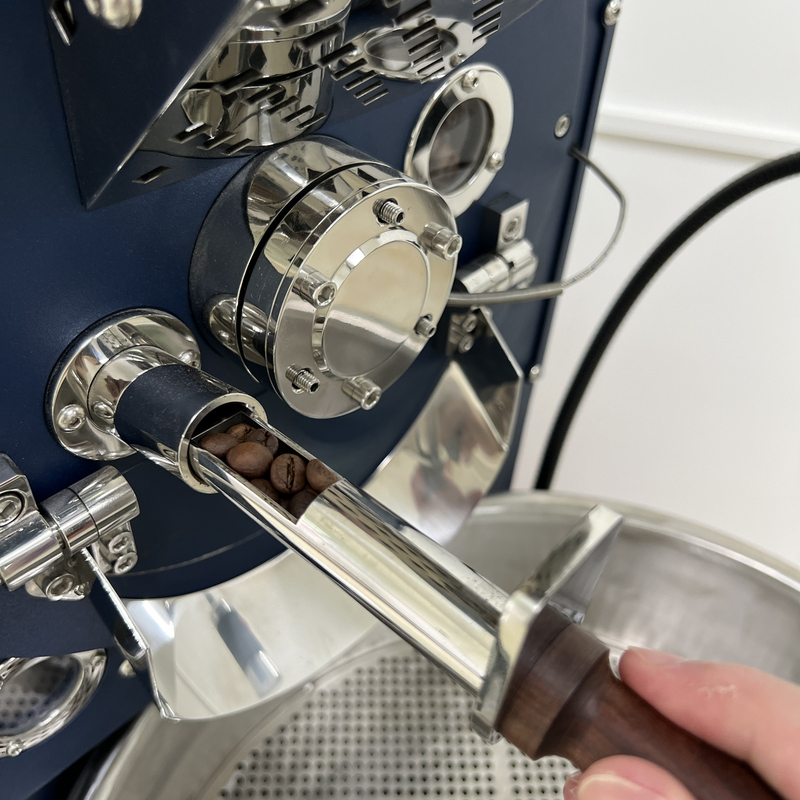
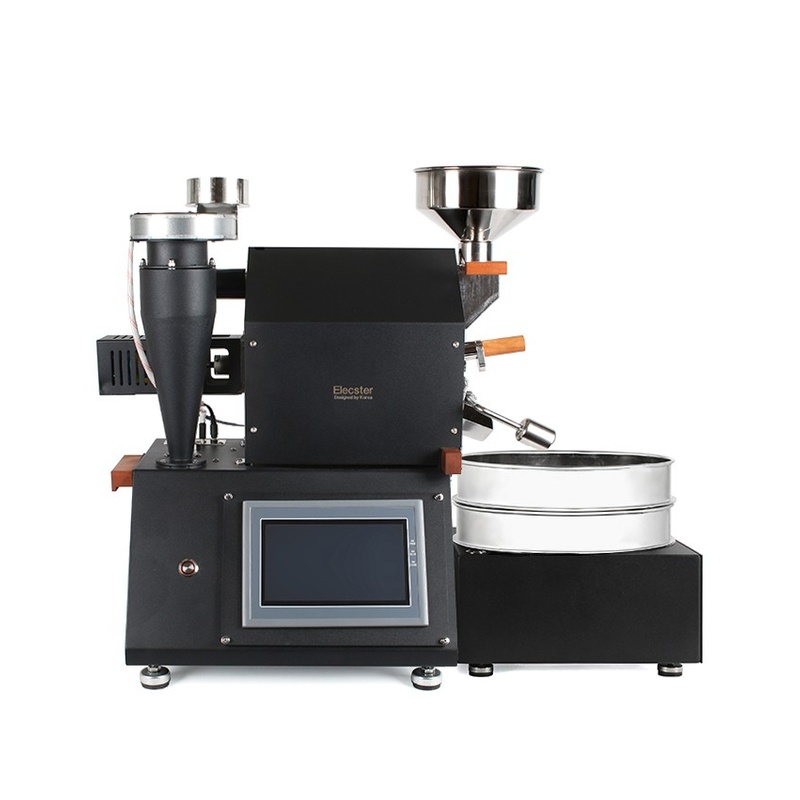
Sample Coffee Roasters: SD 100G Plus USD 899, EC-500G USD 1,699, DY-1KG USD 2,599, SD-1.5KG USD 3,299
- Batch sizes 100 g, 500 g, 1 kg and 1.5 kg
- USD 899 to 3,299, every model priced publicly
- EC-500G is fully electric on a normal socket
- Curve logging into Artisan; the 100 g model takes the USD 199 kit
- Roast cycle 5–20 min, cooling 1–2 min
- Colour and logo to your lab at no extra cost
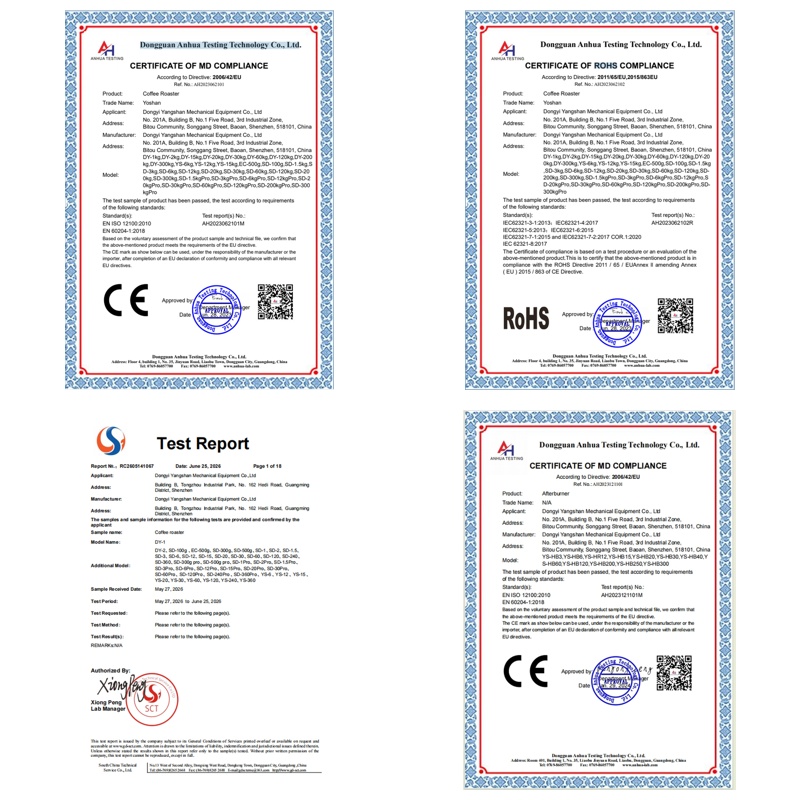
- CE (Machinery and Low Voltage) and RoHS
- Twelve-month warranty from the day it arrives
Which Sample Coffee Roaster: 100 g, 500 g or a Kilo
A sample coffee roaster is bought to make a decision, not to make stock. Start from how much green you get per lot and how many lots cross your table in a day. A 100 g drum roasts a cupping sample in minutes and costs USD 899, which suits buyers scoring many lots on small amounts. The 500 g EC-500G is the choice when the same curve has to be repeated and logged, and it runs on ordinary single-phase power. At 1 kg and 1.5 kg you are into machines that also produce sellable coffee — useful when the lab doubles as a small roastery or a training room.
Specifications and What the Price Covers
- 100 g and 500 g
- 1 kg and 1.5 kg
- Terms
| SD 100G Plus | USD 899 — gas, manual, 100–120 g a batch; USD 799 each from ten units |
|---|---|
| EC-500G | USD 1,699 — fully electric, 200–500 g a batch (600 g maximum) |
| EC-500G power | 220–240 V 50/60 Hz single phase; 2.4 kW heating, 2.5 kW total |
| EC-500G cycle | 5–20 min roast, 1–2 min cooling |
| EC-500G size and weight | 500 × 300 × 580 mm; 33 kg including cyclone and cooling tray |
| Drum material | 304 food-grade stainless steel on the EC-500G |
| Data logging | Artisan module included with the EC-500G; USD 199 communication kit for the SD 100G Plus |
| Finish | Matt black on the EC-500G; six standard colours on the SD 100G Plus |
| OEM plate | Logo plate on the electric model comes in white or black only |
| DY-1KG | USD 2,599 — 0.2–1.5 kg a batch, half hot air and half direct flame |
|---|---|
| DY-1KG fuel | LPG, natural gas or electric at the same price; 220–240 V 50/60 Hz |
| DY-1KG cycle | 12–15 min roast, 1–2 min cooling; gas use about 0.13 kg/h |
| DY-1KG size and weight | 1200 × 800 × 1100 mm; 130 kg with the cyclone |
| SD-1.5KG | USD 3,299 — cast-iron drum, 1–1.8 kg a batch, 4–9 kg an hour |
| SD-1.5KG cycle | 6–12 min once preheated to 180 °C; 1–2 min cooling |
| SD-1.5KG fuel | Gas; the heater-tube electric version is the same price on three-phase 380 V, 7 kW |
| SD-1.5KG size and weight | 1350 × 800 × 1150 mm; 130 kg |
| Colours | DY-1KG: black, white, copper, red or your own colour. SD-1.5KG: tell us the finish you want and we confirm it on the quotation |
| Prices | EXW Shenzhen; freight, insurance and DDP delivery quoted on the same document |
|---|---|
| Payment | 50% to start the build, 50% before shipment |
| Test roast | Every machine is fired with green coffee before crating and you see the video |
| Warranty | Twelve months from arrival; DY extends to two years for USD 299 or three for USD 799, SD to two years for USD 699 |
| In the crate | Roaster, cyclone, tool kit, manual and the spare parts for your model, in a plywood case |
| Certification | CE (Machinery and Low Voltage) and RoHS |
| Not on this page | The fully automatic SD-1.5 Pro is a production machine rather than a sample roaster; it is on the 1kg page |
What Every Yoshan Sample Coffee Roaster Has





Who Buys a Sample Coffee Roaster
Four kinds of buyer, and what each one is really paying for.
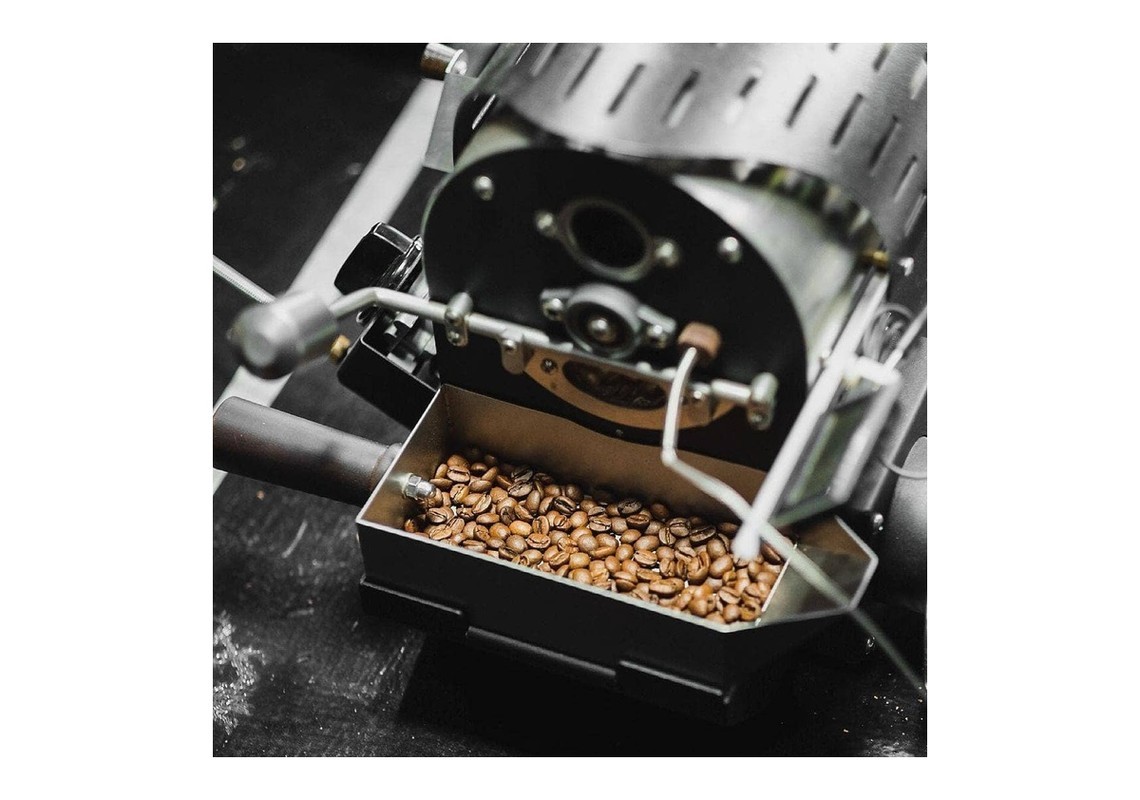
Your job is to score a lot before the company commits to it, and the roast has to be neutral enough that the cup shows the coffee rather than the machine. A 100 g or 500 g drum gets through a table of samples in a morning, and logging each curve means a disputed score can be traced back to how that sample was roasted.
Samples arrive in small bags from several origins and the decision behind them is worth a container. Roasting each one yourself, on the same profile, removes the argument about whose roast a score belongs to and lets you compare origins on equal terms — and at USD 899 the machine costs less than one lot bought on somebody else's word.
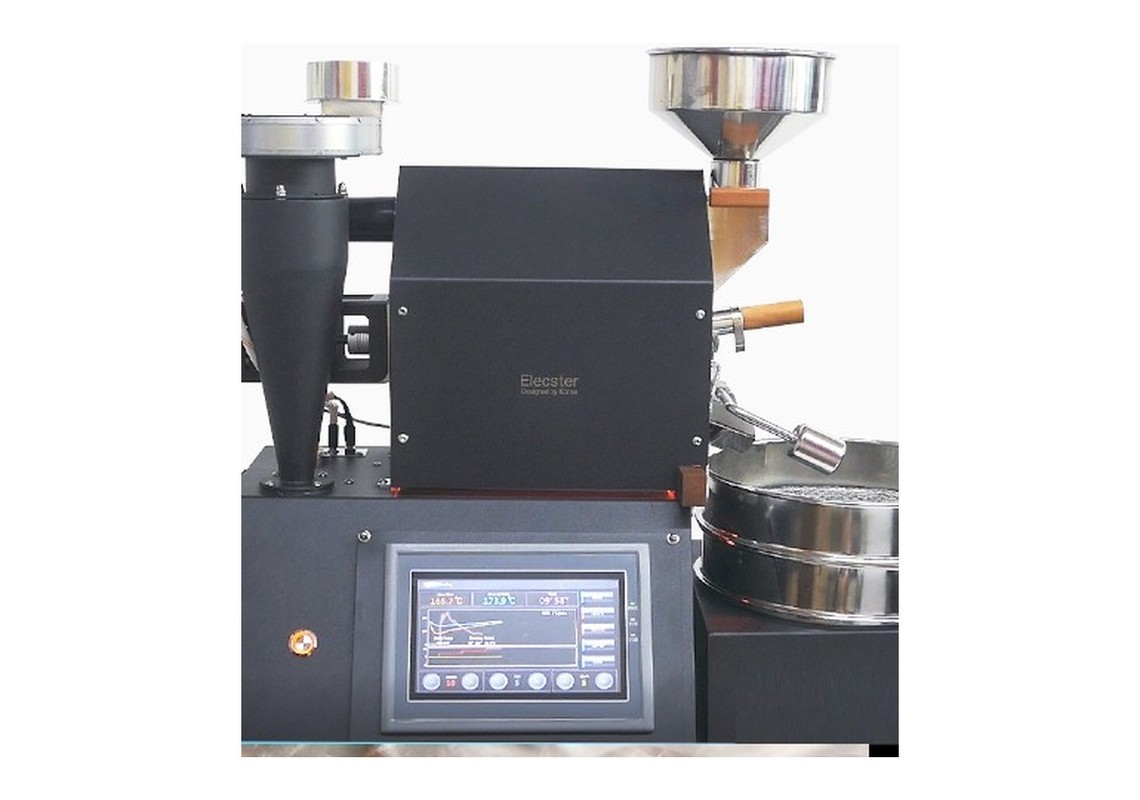
Students need to hear first crack, pull a trier and watch colour change for themselves, without burning through a sack of green in every session. Small batches keep the cost of a class down, and the electric EC-500G plugs into an ordinary socket, so a classroom with no gas supply and no flue can still run a full roasting course.
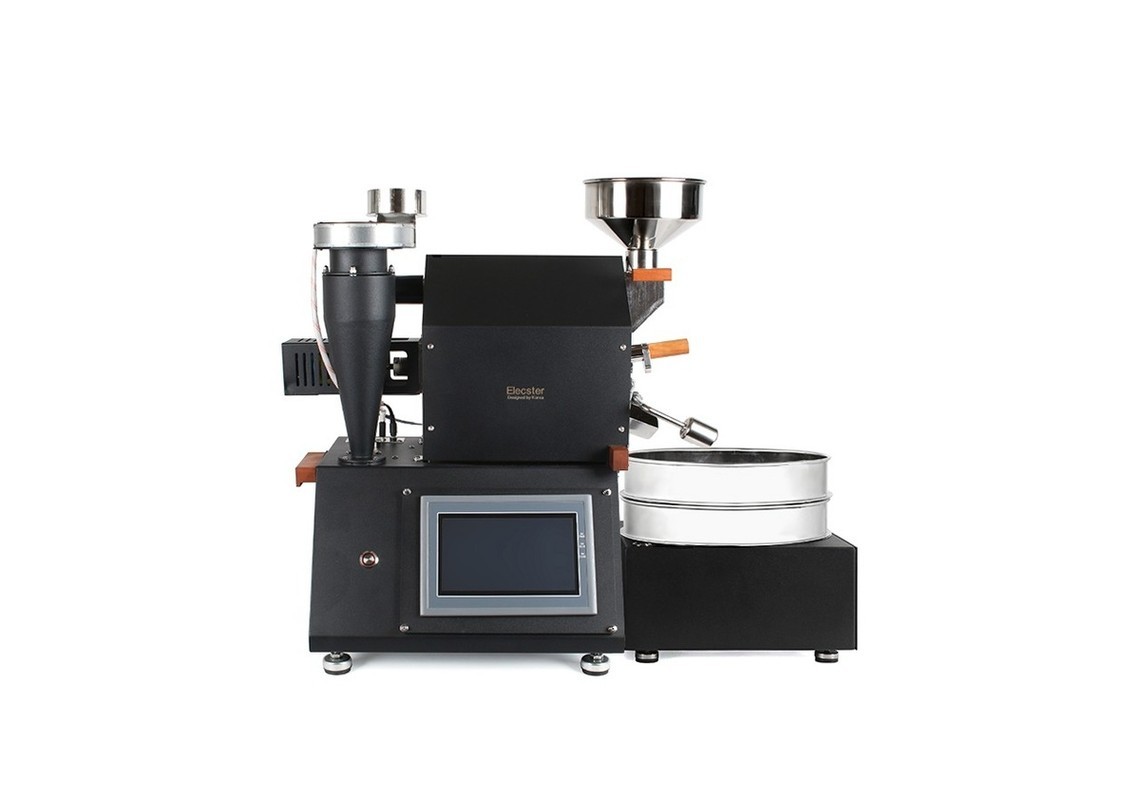
You already have a production machine and you do not want to stop it to test an idea. A 1 kg or 1.5 kg drum lets you build a blend, roast it, cup it and only then take it to the big roaster — and the same machine can produce small single-origin runs to sell over the counter.
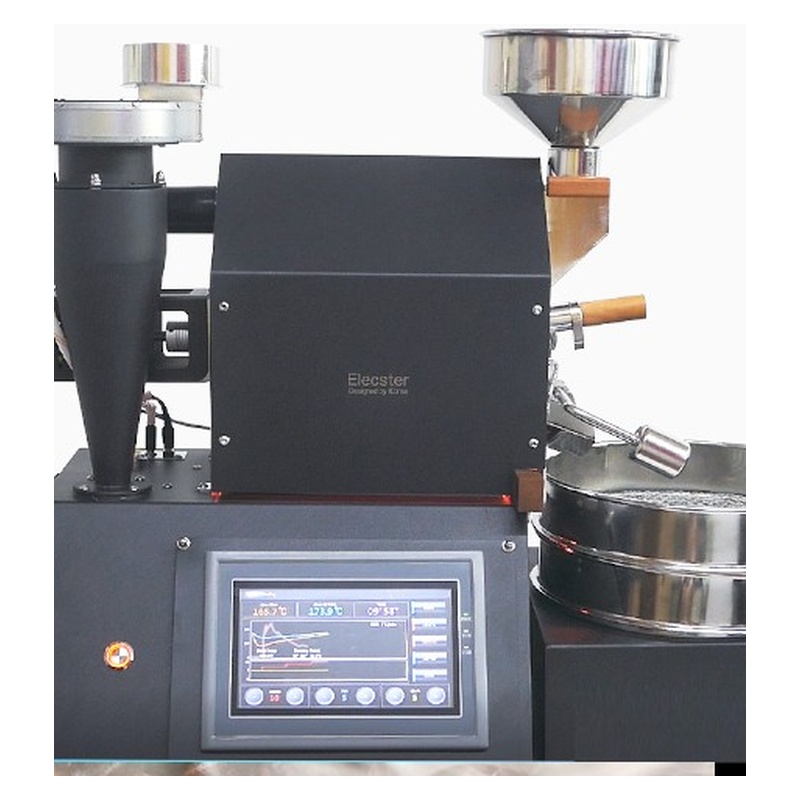
100 g or 500 g
The split is about what happens after the cup. If you are scoring lots and the coffee is discarded, a 100 g sample coffee roaster at USD 899 does it fastest and cheapest. If the same profile has to be repeated, logged and compared over months — or if you want enough roasted coffee to share with a customer — the 500 g EC-500G at USD 1,699 earns the difference, with its touchscreen and Artisan module already in the price.
When a Sample Roaster Should Be a Kilo
Once the machine is also expected to produce coffee you can sell, the sample coffee roaster becomes a small production drum. The DY-1KG takes 0.2–1.5 kg and costs USD 2,599; the cast-iron SD-1.5KG takes 1–1.8 kg at 4–9 kg an hour for USD 3,299. Both are manual, which is what you want when the point is to feel the roast rather than repeat it automatically.
Power, Gas and a Bench
Of the four, the electric sample coffee roaster asks least of the room: the EC-500G draws 2.5 kW from single-phase 220–240 V and sits on a worktable at 500 × 300 × 580 mm. The SD 100G Plus runs on bottled or piped gas. The DY-1KG costs the same either way, and the SD-1.5KG electric version needs three-phase 380 V. Send us the supply in your lab and we will say which fits.
Logging a Sample Roast
A sample coffee roaster is only as useful as the record it leaves. The EC-500G ships with its Artisan module, and the SD 100G Plus takes a USD 199 communication kit that does the same job, so bean and air temperature land in the software your roastmaster already uses. That is what lets you argue about a score with data rather than memory, and what makes a sample curve comparable with the production machine.
Smoke in a Lab Without a Flue
Small batches make little smoke, but a room with no duct still needs an answer. Every sample coffee roaster here ships with its cyclone for chaff, and an electrostatic filter can be sized to the drum when venting outside is not possible. What your building requires is set by your local authority rather than by us, so send the limits you are working to and we will size the equipment against them.
What Arrives, and What Is Covered
Your sample coffee roaster is test-roasted with green coffee before it is crated, and the video reaches you with the packing photographs. It ships in a film-wrapped plywood case with the cyclone, tool kit, manual and spare parts. Warranty runs twelve months from the day it arrives, extendable to two or three years depending on the model, and the parts most likely to wear are ones you can source locally as well as from us.
Downloads
Three documents a lab purchase usually needs.
Catalogue pages for the 100 g, 500 g and 1–1.5 kg machines with their printed specifications.
Scope, issuing body and the models each certificate names.
How the EC-500G and the SD 100G Plus kit connect to profiling software on your own laptop.
FAQ
If you score lots and discard the coffee, the 100 g SD 100G Plus at USD 899 is the fastest and cheapest way through a sample table. If the same profile has to be repeated and logged, or you want roasted coffee to share, the 500 g EC-500G at USD 1,699 is the better buy.
Yes. The EC-500G includes its Artisan module, and the SD 100G Plus takes a USD 199 communication kit. Bean and air temperature are logged in the software your roastmaster already uses, which is what makes a sample curve comparable with production.
The EC-500G can: single-phase 220–240 V, 2.4 kW heating and 2.5 kW total, on a bench 500 × 300 × 580 mm. The SD 100G Plus is gas fired. The DY-1KG is the same price on gas or electric, and the SD-1.5KG electric version needs three-phase 380 V.
SD 100G Plus 100–120 g; EC-500G 200–500 g with 600 g as the maximum; DY-1KG 0.2–1.5 kg; SD-1.5KG 1–1.8 kg at 4–9 kg an hour. Charging a drum well below its rating changes how it roasts, so buy for the sample size you actually receive.
No. The fully automatic SD-1.5 Pro repeats a stored curve, which is what a production machine is for; a sample roaster is meant to be driven by hand. It sits on the 1kg coffee roaster page with the rest of the production line.
Often yes, with an electrostatic filter after the cyclone that every machine ships with. Small batches produce little smoke, but what counts as acceptable is set by your local authority rather than by us — send the limits you work to and we will size the filter against them.
Dates are confirmed on your quotation for each model, and the machine is test-roasted with green coffee before crating. Warranty is twelve months from arrival; the DY-1KG extends to two years for USD 299 or three for USD 799, and the SD models to two years for USD 699.
Each Model's Own Page
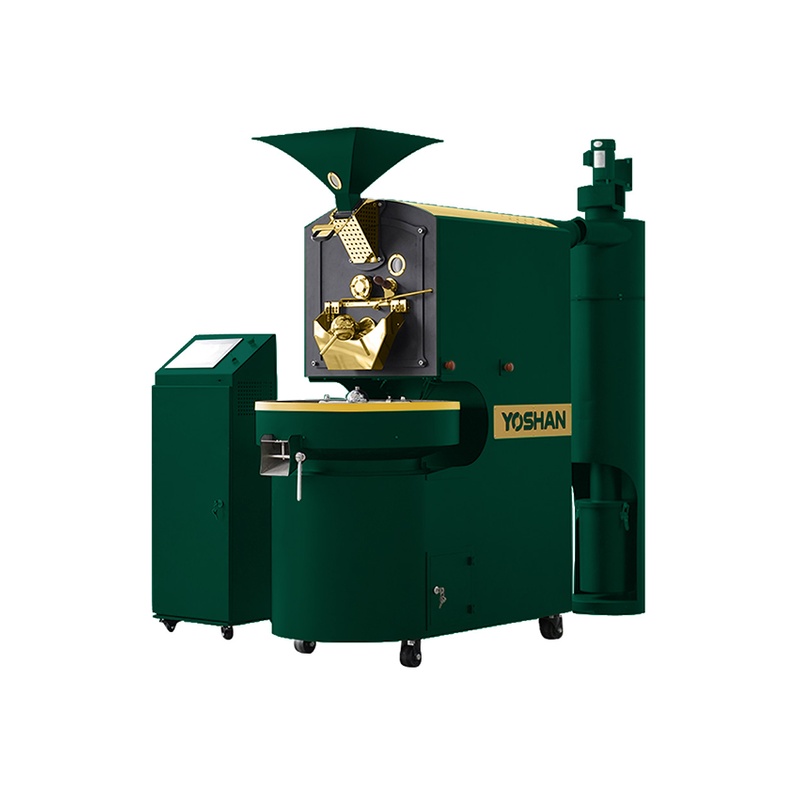
Buying a Sample Coffee Roaster: Batch Size, Fuel, Logging and What It Is Not For
Batch Size Follows the Sample, Not the Shop
Green arrives in 200 g or 300 g bags from an exporter, and the roast has to leave enough for a cupping table. That is why the 100 g class exists: it gets a score out of a small sample without wasting it. The moment you want roasted coffee to hand to a customer, or to brew on bar, you need 500 g or more. Buying larger than the sample you actually receive is the commonest mistake at this end of the range, because a drum charged well below its rating roasts differently.
Electric or Gas in a Lab
The EC-500G is fully electric on single-phase power, which is why most labs and classrooms choose it: no gas line, no flue permit conversation, 2.5 kW from an ordinary socket. The SD 100G Plus is gas, which suits a cupping room that already has a supply or works off a bottle. At 1 kg and 1.5 kg both fuels are available at the same price, so the deciding factor is what your building already has rather than what the machine prefers.
What a Sample Roaster Is Not For
It is not a production machine. Four to nine kilos an hour on the largest of these four is a sample bench doing overtime, not a roastery. If you find yourself roasting all afternoon to fill orders, the honest answer is a 3 kg or 6 kg machine, and the sample roaster goes back to doing what it is good at. We would rather tell you that before you order than after.
Logging, and Why It Is the Point
A sample roast without a record is an opinion. Bean and air temperature logged in Artisan turn it into something you can defend to a supplier, repeat next season, and compare against the curve your production machine ran. The EC-500G includes the module; the SD 100G Plus takes a USD 199 kit. Both write into software you already know rather than a proprietary app you have to learn.
Prices, Terms and Delivery
USD 899, 1,699, 2,599 and 3,299 EXW Shenzhen, published rather than quoted on request, with ten-unit pricing on the 100 g machine at USD 799 each. Freight, insurance and DDP delivery go on the same quotation so you compare landed cost. Payment is half to start and half before shipment, released after you have watched your own machine roast. Warranty is twelve months from arrival, with extensions by series.