
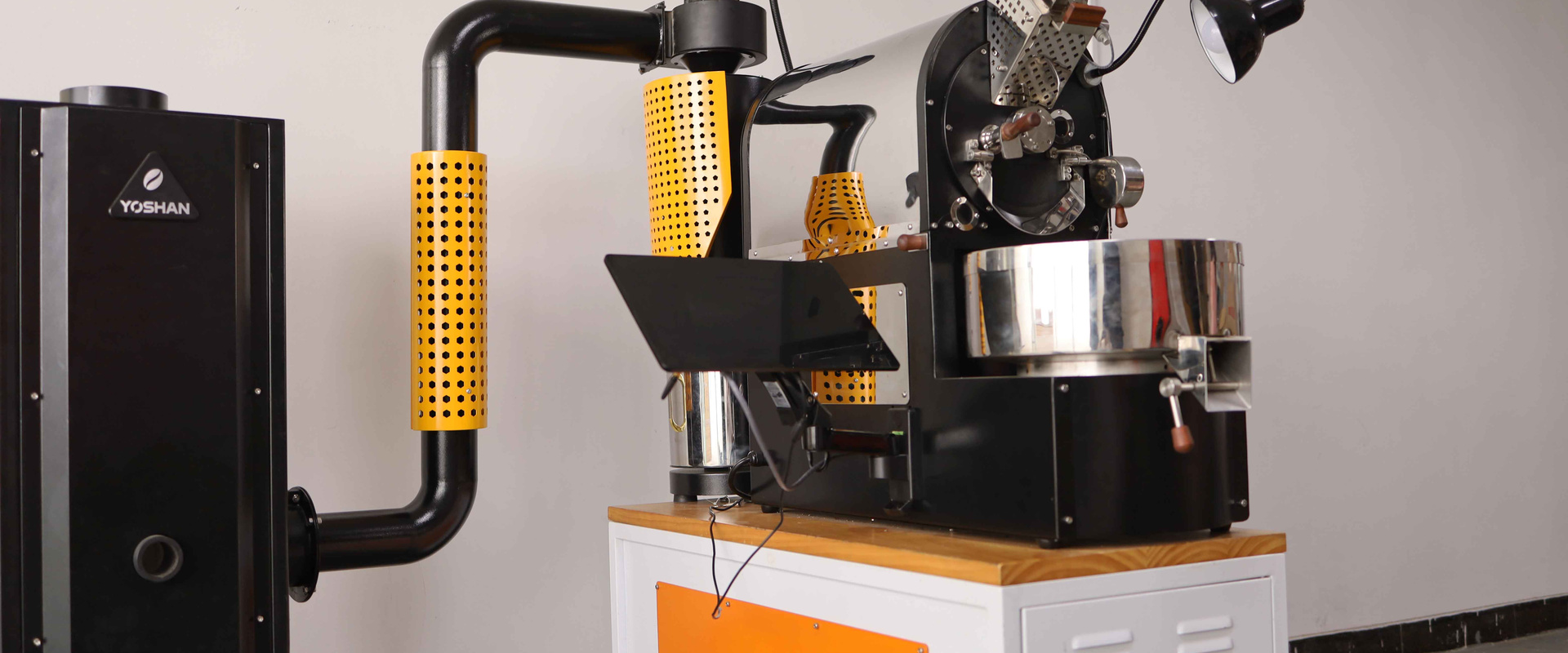
If you are buying a coffee roaster in the Philippines — for a cafe in Manila, a client in Cebu, or a barako roastery in Batangas scaling up — the questions you will have are the ones Filipino buyers ask us most: will it run on our power, how long to Manila, which size, and what happens when it needs a part in the province. Here are the answers, starting with the one spec that must be on the order.
1. The One Spec: 220 V at 60 Hz
The Philippines runs 220–230 V at 60 Hz — Europe's voltage with North America's frequency. A machine built to the European standard runs its motors about 20% fast on your grid, which changes drum speed and airflow enough to move your roast profiles and shorten motor life. Write "Philippines, 220 V 60 Hz" on the enquiry and the motors and controls are built for your grid at no extra cost; it is a build decision, not a field conversion. The voltage guide has the background. Gas models run on LPG, which is everywhere across the islands, or piped gas where it exists; say which, because the burner is jetted at the factory.
2. The Market You Are Buying Into
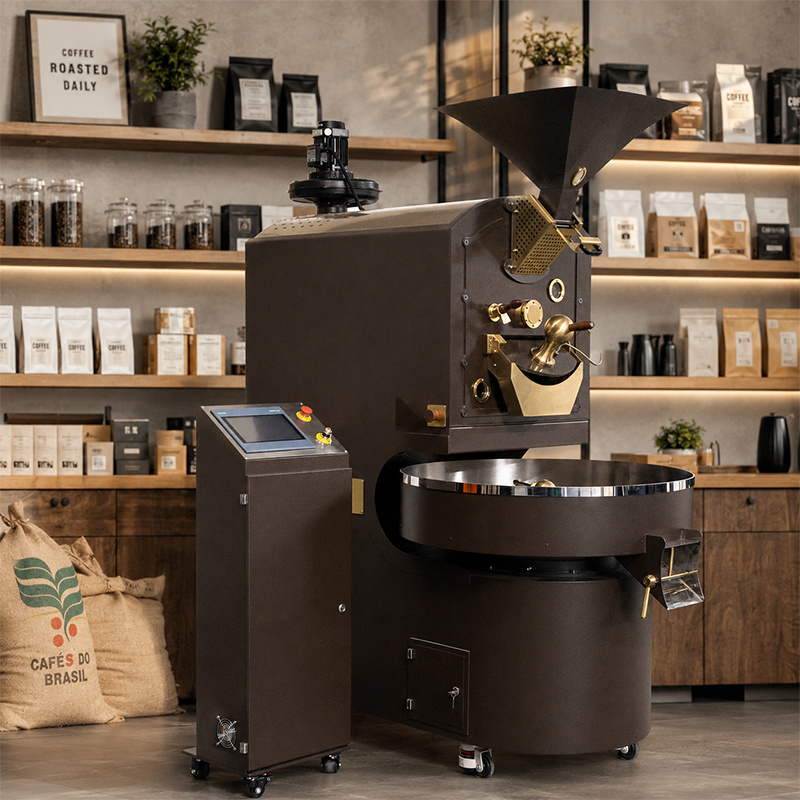
Three things about the Philippines shape which machine sells here. It is a net importer of coffee despite growing all four species, so most roasters buy green from abroad as well as from Cordillera, Mindanao and Batangas. Its liberica — barako — now commands prices close to arabica and has been showcased on the world stage, so roasting local coffee well is a real business, not a novelty. And the specialty scene has spread beyond Manila: Cebu and Davao entrepreneurs have opened roasteries sourcing directly from Mindanao and Cordillera farms since 2023. The buyers we see are therefore a cafe roasting in-house, a roastery supplying cafes in one city, an equipment reseller serving all three, and an origin roaster near the farms.
3. Which Size, and What It Costs
| Your business | Machine | Why | Factory price, ex-works |
|---|---|---|---|
| Cafe roasting in-house | DY-1 / DY-2, electric or LPG | No gas permit on the electric build; fits mall and condo-retail units | USD 2,599 / 3,399 |
| Cafe plus bean retail and a few accounts | SD-3 or YS-6 on LPG | 60–150 kg a week; LPG is cheap locally | USD 4,599 / 7,499 |
| Regional roastery or barako production | YS-12 / SD-12 Pro, YS-15 | Wholesale scale with Siemens PLC repeatability | USD 9,980 / 15,999 / 10,999 |
| Equipment reseller | Mixed container | Roasters, espresso machines and grinders in one shipment | Reseller pricing on the quote |
Every model is on the price guide; freight to Manila, duty and VAT are your own lines. The small business sizing guide takes you from weekly kilos to a drum.
4. If You Are a Reseller
Resellers are a large share of our Philippine business — buying a machine for a client is normal here — so this is how we work with them:
- Reseller pricing on a quote, from the first machine.
- Your brand on the machine. Colour and logo from a single unit on the larger models; the OEM and ODM guide explains what can change and what cannot.
- Mixed containers. A roaster for one client, two espresso machines and grinders for another, sample roasters for a third, on one bill of lading to Manila; the wholesale guide covers the sample-first order.
- Support to your end customer, if you want it. We take the WhatsApp call from your client directly, or through you — your choice per client.
- The document pack per model — CE declaration, wiring diagram, manual — so your clients' inspectors and insurers have what they ask for.
5. Shipping to Manila, Cebu and Davao
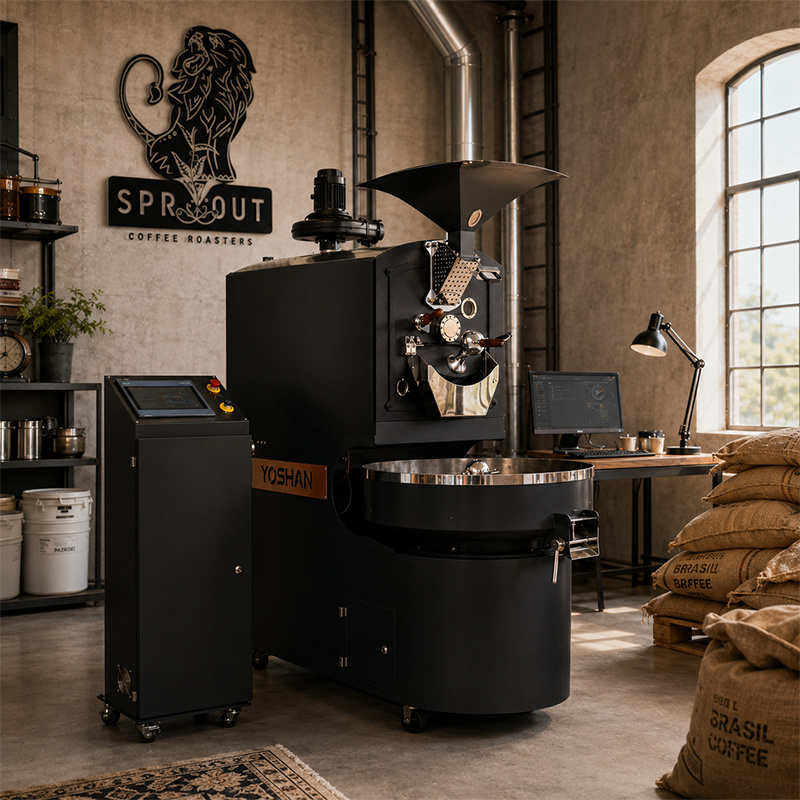
- Sea freight for 3 kg and up: Shenzhen to Manila (South Harbor or MICP) typically 7–14 days on the water; Cebu and Davao add a leg. Door-to-door is available.
- Air or courier for 1–2 kg electric machines and sample roasters: 5–10 days.
- Customs: commercial invoice, packing list, certificate of origin and the CE file under heading 8419; we prepare documents to your broker's checklist.
- Packing: export plywood case with a moisture barrier, built for island humidity.
Production time is confirmed on the quotation — in-stock models ship in 7–15 working days; YS-20 and larger take 60–90 working days. Every machine is test-roasted and you get the video before it ships; the shipping guide covers the landed-cost lines.
6. Support Across the Islands
Distance is the honest concern, so here is exactly how it works: one-year warranty on the complete machine; technical support by video call for the life of the machine; consumable spares — bearings, belts, gaskets, probes — stocked for every model and couriered to any province in days. A real case: a Philippine roastery messaged about a drum noise, our engineer diagnosed a bearing by video, and the owner fitted the courier-delivered part the same week with a step-by-step video from us. Fast parts plus guided repair, not waiting for a technician to fly in. More cases in the after-sales guide.
7. Roasting Barako and Island-Grown Coffee
Liberica beans are large, dense and irregular, and barako's traditional profile is long and dark. That asks two things of a drum: enough airflow control to keep a long roast clean instead of smoky, and a drum that holds heat steadily through a slow development — which is why the YS series with adjustable airflow and drum speed, and the cast-iron SD drums, suit it. Cordillera arabica and Mindanao robusta are the opposite problem: lighter, faster profiles where repeatability sells. If you cup local lots, pair the production drum with a sample roaster (SD 100G Plus, USD 899) so profile work does not tie up production.
Frequently Asked Questions
Do your roasters work on Philippine 220 V 60 Hz power?
Yes — every machine is built to order, and "Philippines" on the enquiry means the motors, fans and controls are specified for 60 Hz before the build, at no extra cost. What we need from you is the supply your electrician reads at the panel: single phase for gas machines up to 15 kg, three-phase for larger drums or electric heating. A machine bought off a European shelf will run fast; one built for you will not.
How long does shipping to Manila take?
Count the production time on your quotation (7–15 working days for in-stock models), then seven to fourteen days on the water from Shenzhen to Manila, then your broker's clearance and delivery — five to eight weeks door to door for a standard build, longer for custom colour or a mixed container. Small electric machines and sample roasters can go by air in five to ten days when a launch date is tight.
Can I buy as a reseller and brand the machine?
Yes. Reseller pricing applies from the first unit, your colour and logo go on from a single machine on the larger models, and you decide per client whether we support them directly or through you. Most resellers start with one sample machine in their own showroom, then order mixed containers as clients sign; the sample is credited against the batch.
What happens if the machine breaks down in the province?
You send a video with the sound on; we diagnose on a call, usually the same day, and courier the part — consumables for every model are in stock. Most owners have the machine running again inside the week, guided by a video from our engineer rather than waiting for anyone to fly in. For anything beyond that, we walk a local technician through it on the call.
Which machine for barako?
A drum with real airflow control and heat stability, because barako is roasted long and dark and the risk is smoke and scorching. For a Batangas roastery supplying accounts, the YS-12 at USD 9,980 or SD-12 Pro at USD 15,999 with the PLC saving the profile; for a cafe, the SD-3 or YS-6. Tell us it is liberica at enquiry and we set the burner range and airflow for it.
Final Thoughts
A coffee roaster for the Philippines starts with one line on the order — 220 V, 60 Hz — and then the size that fits your kilos, whether you are a cafe, a roastery, a reseller or a barako producer. Freight to Manila is short, support runs on video and courier, and the machine is built for your grid. Send us your city and your volume. Talk to our engineers.
Get a Quote → WhatsApp +86 184 0771 4607Last updated: September 22, 2026
Pingback: Coffee Roaster for Southeast Asia: MY, ID and TH Bean by Bean | Yoshan