
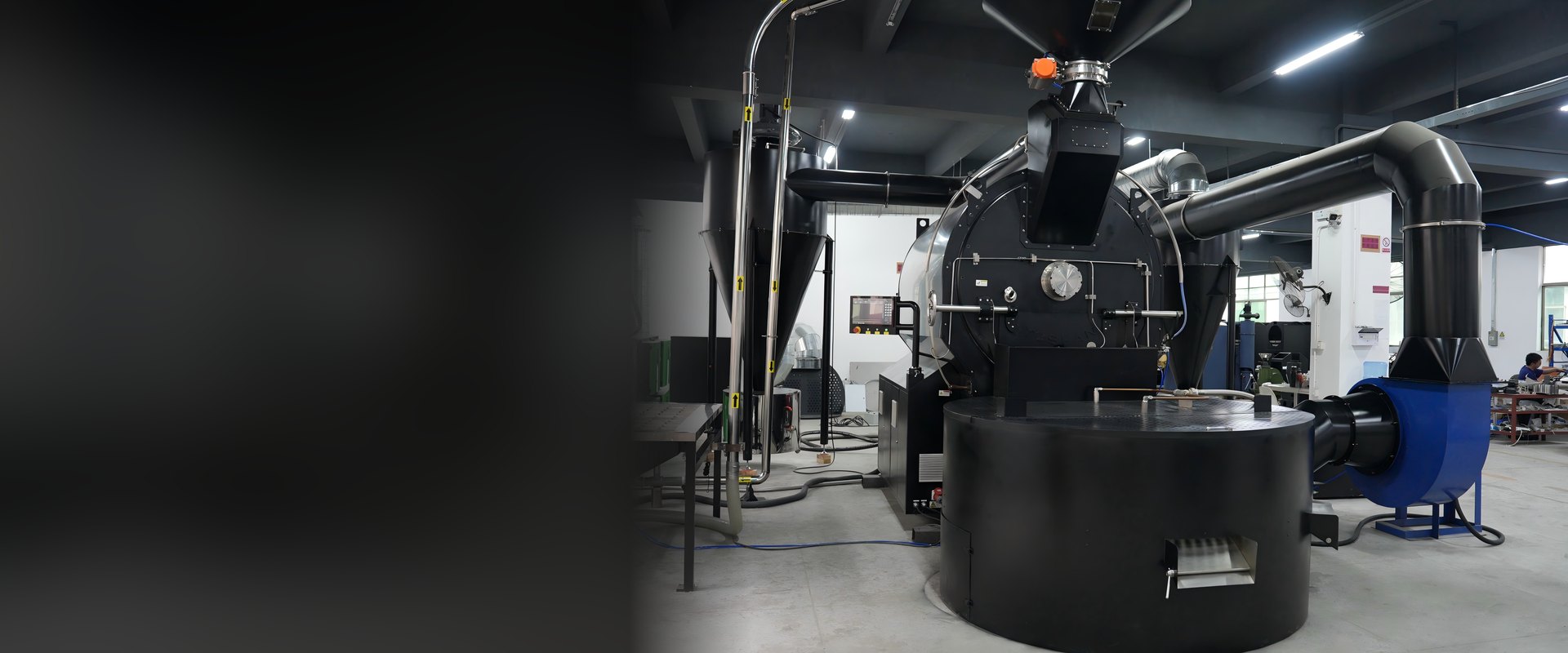
Models and Prices
US dollars, EXW Shenzhen, 2026. Two gas-fired 240kg coffee roasters, the classes above and below, and the rest of a coffee roasting line. See all 27 commercial coffee roaster models and prices.
240 kg Class
-
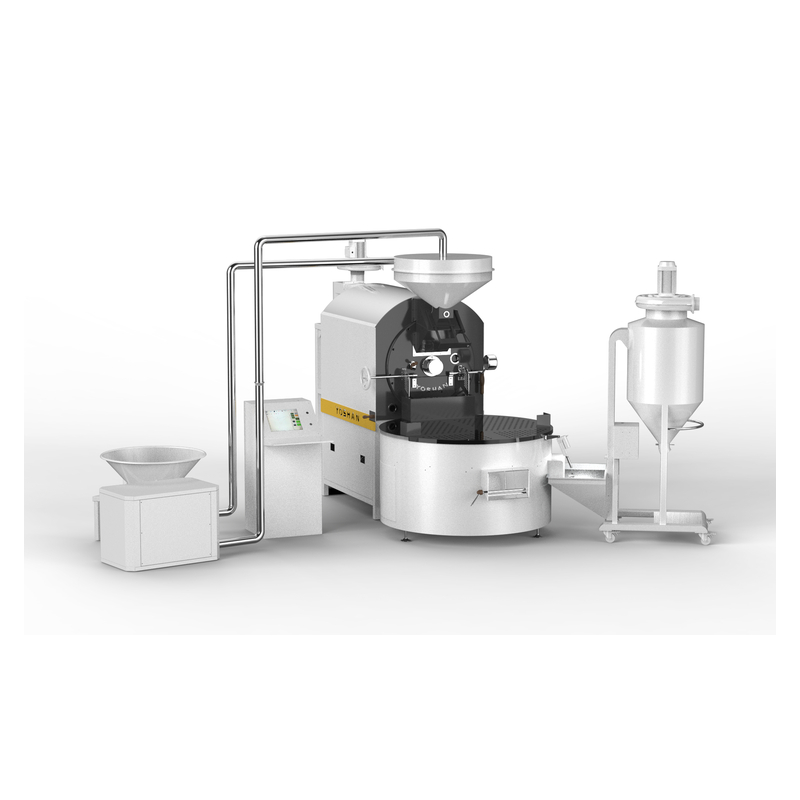 240 kg · Semi-automatic · USD 109,999
Semi-automatic on a Siemens system, full hot air; loader and destoner supplied with the machine.
-
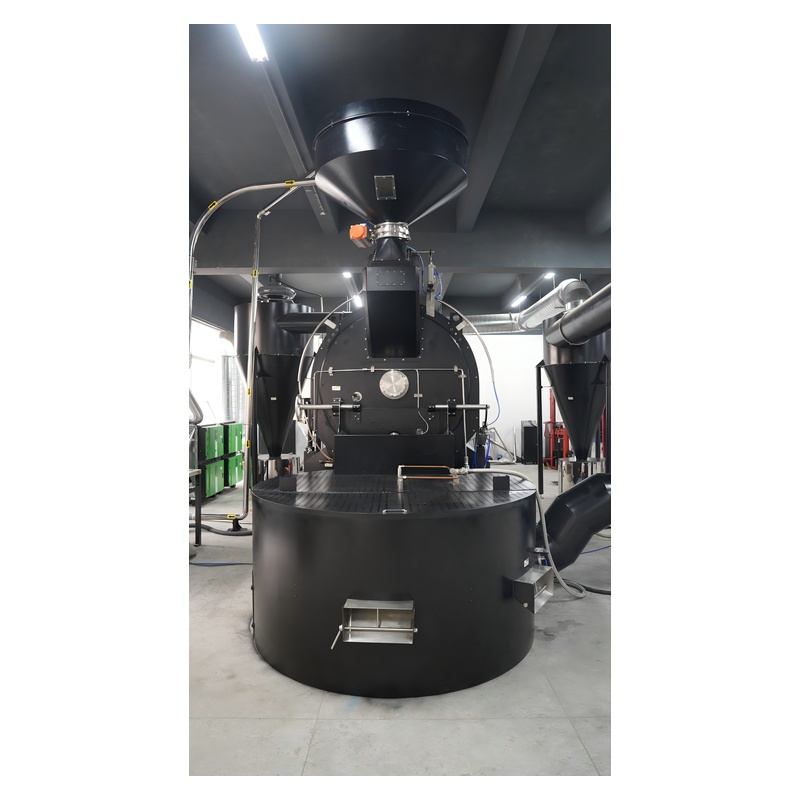 240 kg · Fully automatic · USD 149,999
Fully automatic, 240 kg a charge at 720–960 kg/h; supplied with vacuum loader and destoner.
One Class Either Side
-
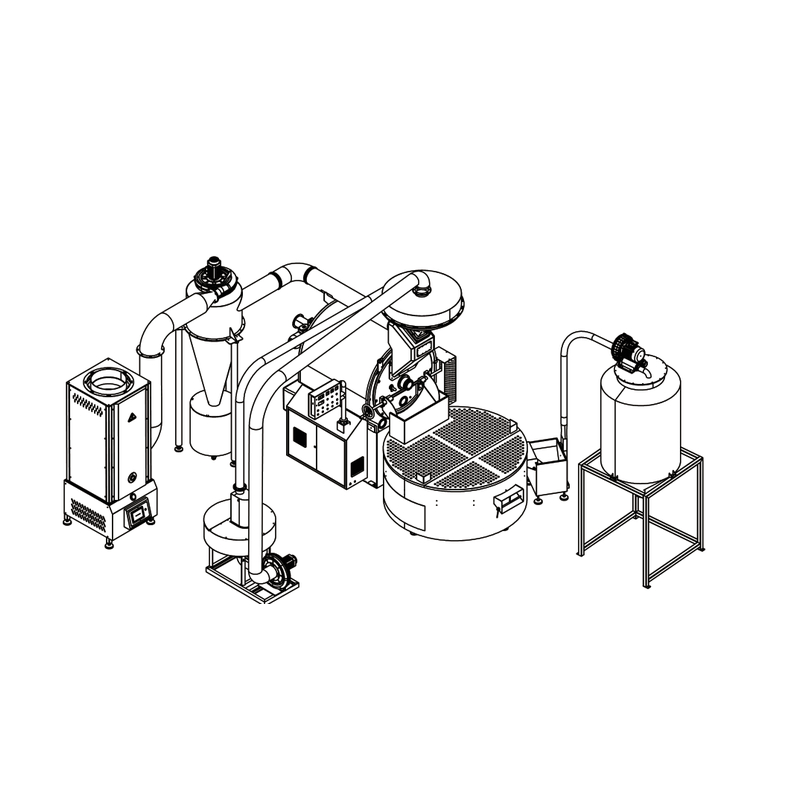 USD 59,599–99,999
Two hundred to 240 kg an hour, from USD 59,599 for the YS-120 or 99,999 for the complete Pro line.
-
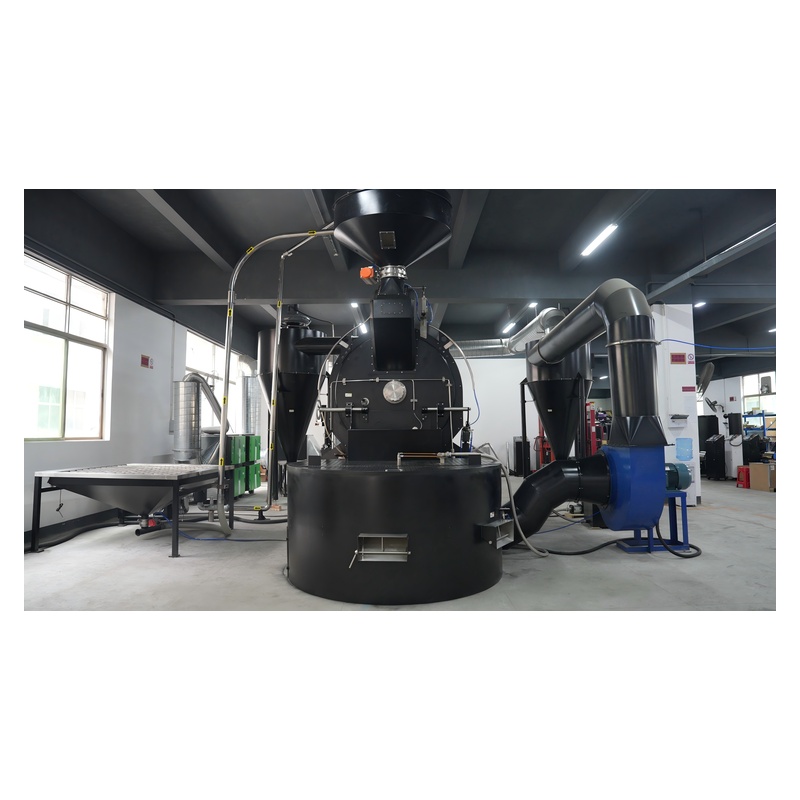 USD 139,999–289,999
YS-360 at USD 139,999 and SD-360KG Pro complete with afterburner at USD 289,999, 300 kg a charge.
Closing the Line
-
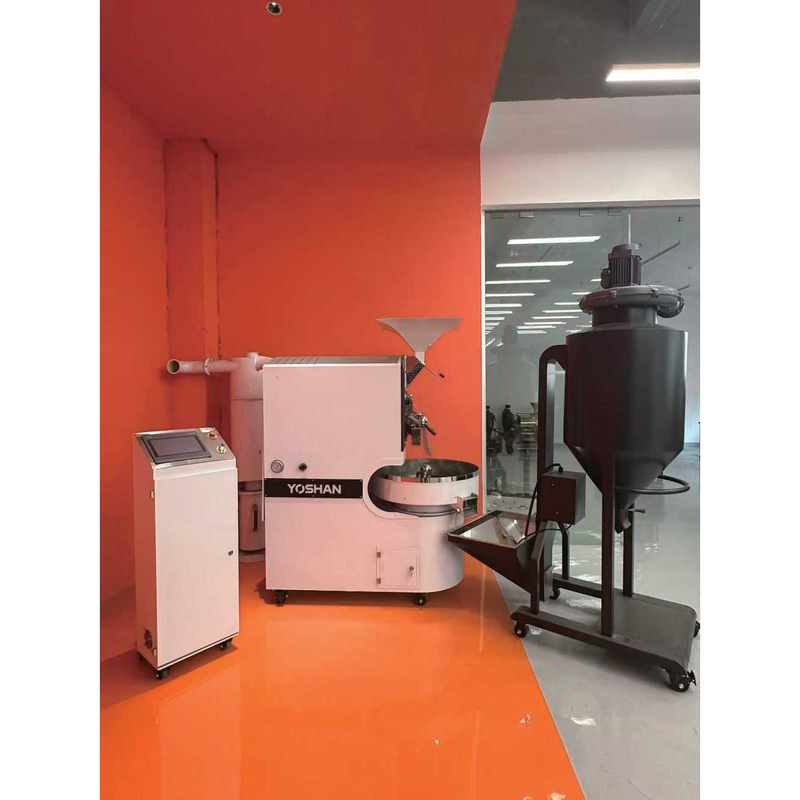 Included
Supplied with both 240 kg machines as standard; sized to the throughput your line runs at.
-
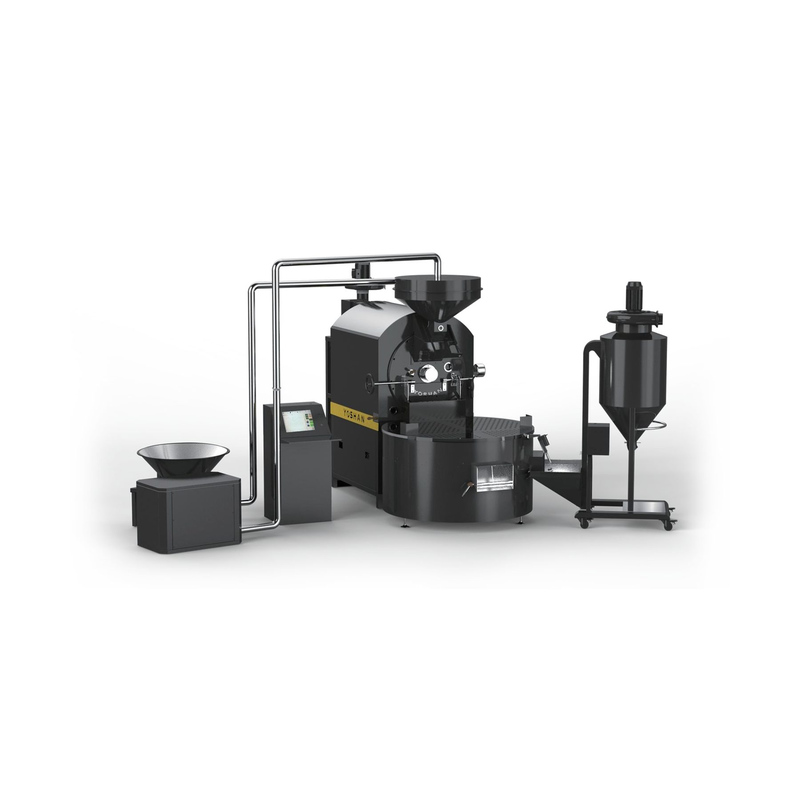 Included
Vacuum feed to the hopper, included with the YS-240 and the SD-240KG Pro alike.
-
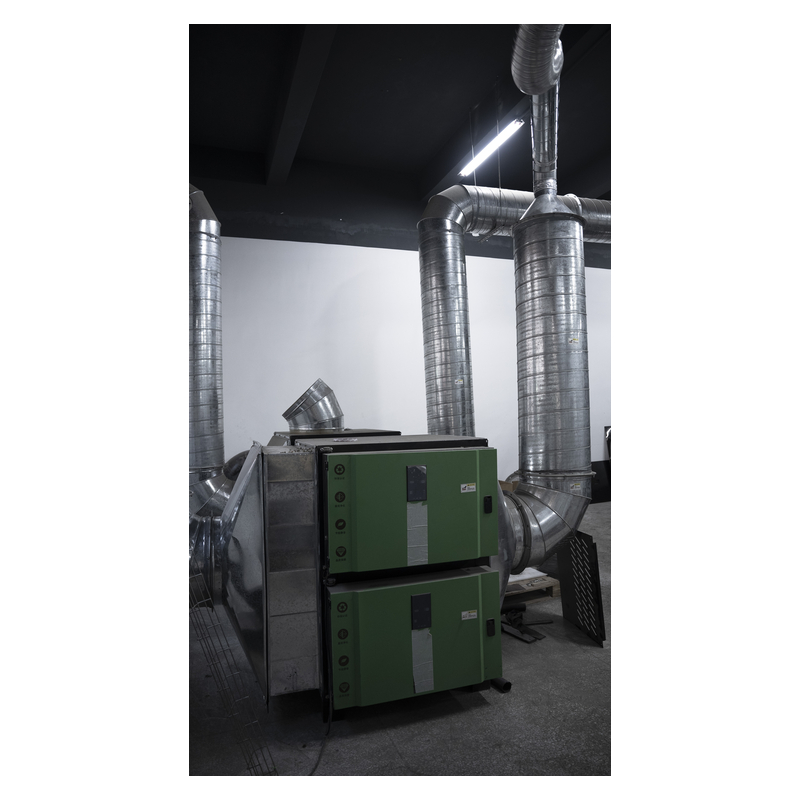 Quoted with the line
The one item the 240 kg sets leave out; specified once we know your duct run and fuel.
-
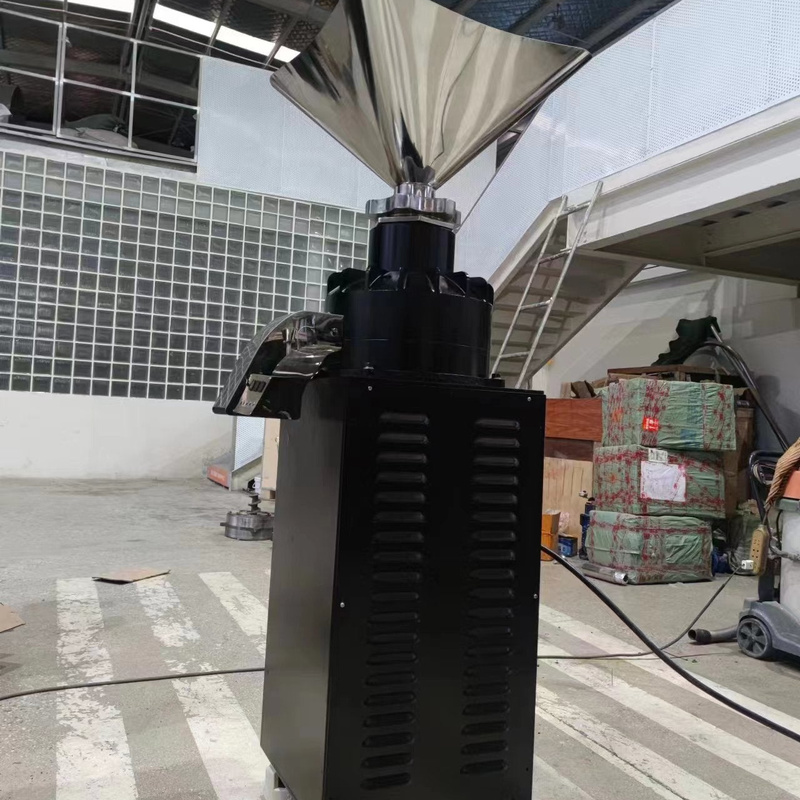 Quoted with the line
If you grind before packing, the YS-1100M or YS-2200M keeps pace with a quarter-tonne drum.
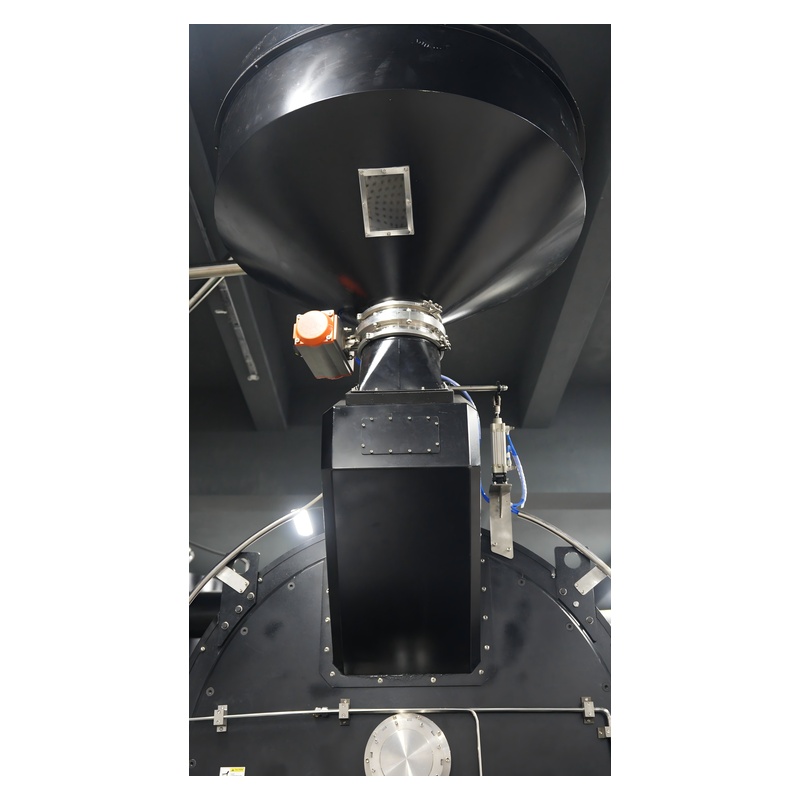
240kg Coffee Roaster: YS-240 USD 109,999, SD-240KG Pro USD 149,999 — Both With Loader and Destoner
- 240 kg a charge, 720–960 kg of roasted coffee an hour
- Roast cycle 12–15 minutes, cooling in six minutes
- Loader and destoner inside both prices as standard
- Full hot-air roasting, cast-iron construction
- Three-phase 380 V, around 28.6 kW installed on the Pro
- Natural gas 26–52 m³/h, LPG 9–18 m³/h on the Pro
- Afterburner sized and quoted against your flue
- Built to order; YS-240 quoted at three to six months
The 240kg Coffee Roaster: Tonnage Equipment With the Line Around It
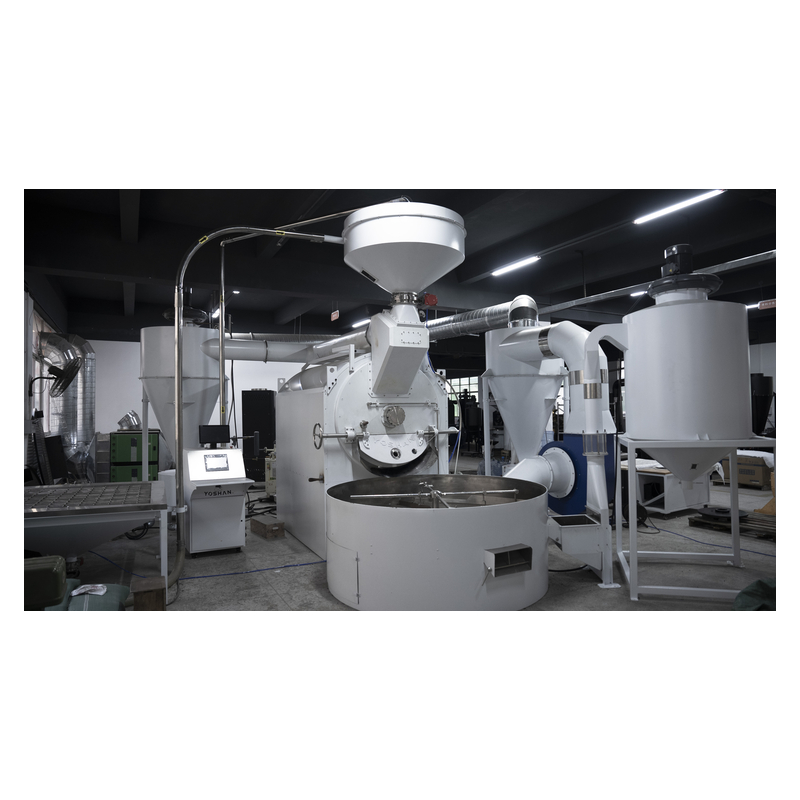
A 240kg coffee roaster is measured in tonnes per shift rather than bags per hour. One charge is 240 kg of green coffee; twelve to fifteen minutes later it is on the cooling tray, and six minutes after that the drum is free again — 720 to 960 kg of roasted coffee in an hour of continuous running. Yoshan builds two at this capacity: the fully automatic SD-240KG Pro at USD 149,999, and the semi-automatic YS-240 at USD 109,999, each supplied with its vacuum loader and destoner. Both are gas fired, full hot air, three-phase and built to order, with the YS-240 quoted at three to six months and the Pro's date confirmed on your quotation.
Specifications
- SD-240KG Pro
- YS-240
- 120 / 240 / 300 kg
| Price, EXW Shenzhen | USD 149,999 — roaster, vacuum loader and destoner; afterburner quoted separately |
|---|---|
| Control | Fully automatic, Siemens system |
| Batch capacity | 240 kg (529 lb) green coffee |
| Roasted output | 720–960 kg/h |
| Cycle time | 12–15 min |
| Cooling | 6 min |
| Roasting method | Full hot air |
| Fuel | Natural gas or LPG |
| Gas consumption | Natural gas 26–52 m³/h; LPG 9–18 m³/h |
| Power | Three-phase 380 V, about 28.6 kW installed |
| Plant layout | Drawn onto your building and sent with the quotation |
| Build time | Built to order; your quotation carries the date |
| Specification source | Our printed catalogue lists this class as customised to the production line rather than fixed; the figures above are the ones our factory quotes for a standard build and are restated on your quotation for the configuration you order |
| Price, EXW Shenzhen | USD 109,999 — roaster with vacuum loader and destoner |
|---|---|
| Control | Semi-automatic, Siemens system |
| Batch capacity | 240 kg (529 lb) green coffee |
| Roasted output | 720–960 kg/h |
| Cooling | 6 min |
| Roasting method | Full hot air |
| Fuel | Natural gas or LPG |
| Gas consumption | Natural gas 31.56–52.5 m³/h at 8 kPa; LPG 11.22–18.7 m³/h at 6 kPa |
| Power | Three-phase 220 or 380 V, about 28.7 kW installed |
| Lead time | Three to six months, built to order |
| Specification source | Our printed catalogue lists this class as customised to the production line rather than fixed; the figures above are what our factory quotes for a standard build |
| Confirmation | Figures for this class are restated on your quotation for the exact build, together with the floor plan |
| Model | SD-120KG Pro · SD-240KG Pro · SD-360KG Pro |
|---|---|
| Price | USD 99,999 complete with afterburner · USD 149,999 with loader and destoner · USD 289,999 complete with afterburner |
| Batch | 100–200 kg · 240 kg · 300 kg normal charge, 360 kg maximum |
| Output | 200–240 kg/h · 720–960 kg/h · 1,080–1,440 kg/h |
| Cooling | 3–5 min · 6 min · 6 min |
| Gas | NG 28 m³/h · NG 26–52 m³/h · NG 42–95 m³/h |
| Afterburner | Included · Quoted with the line · Included |
| Semi-automatic alternative | YS-120 USD 59,599 · YS-240 USD 109,999 · YS-360 USD 139,999 |
| Build time | YS-120, YS-240 and YS-360 are quoted at three to six months; the SD Pro machines are built to order with the date confirmed on your quotation |
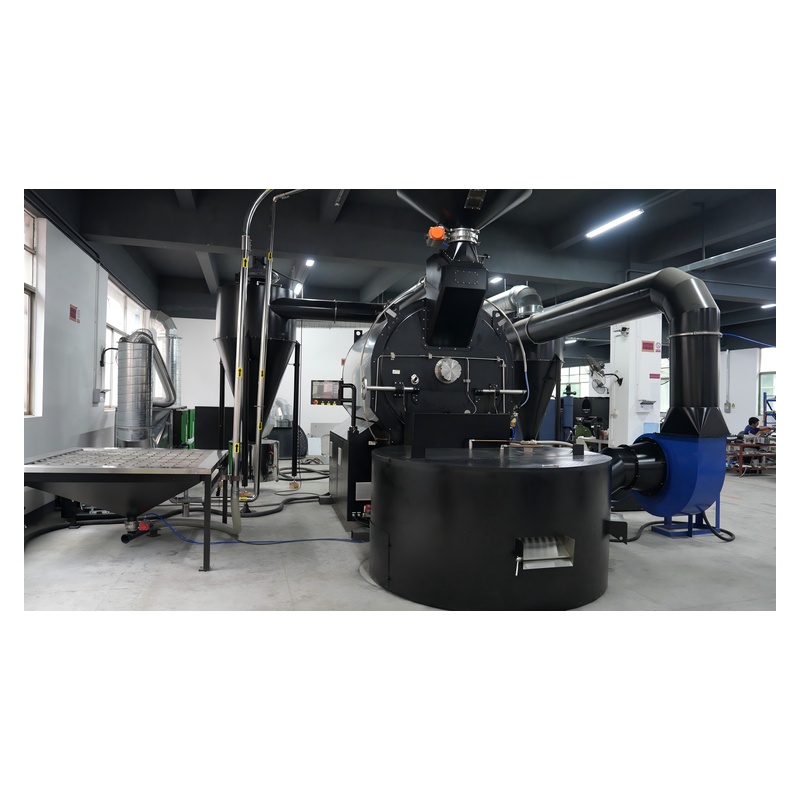
What Is Built Into Every 240kg Coffee Roaster




Who Runs a 240kg Coffee Roaster
Four kinds of operation reach a quarter-tonne charge, and what each one is actually buying.
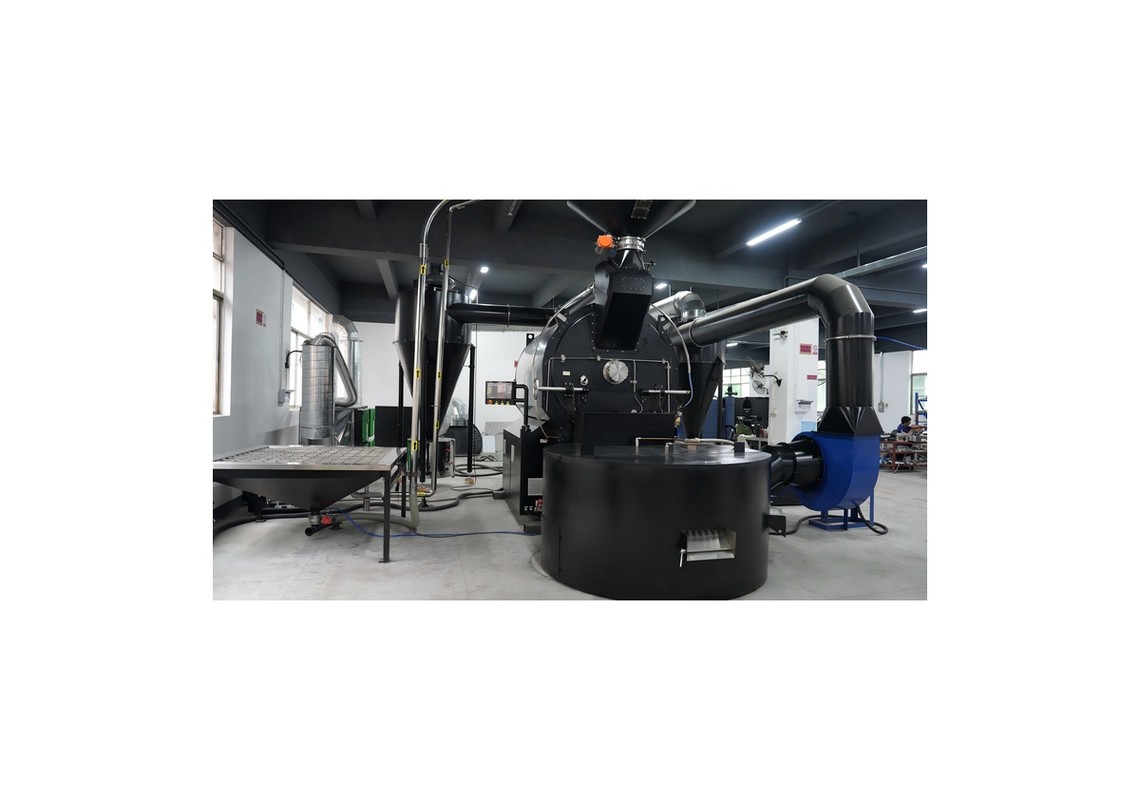
You roast for a country: supermarket own-label, national café chains, export pallets. At 720–960 kg an hour a single SD-240KG Pro covers a tonne in roughly an hour and a quarter of running, which is what lets a plant plan production in shifts rather than in days, with the loader and destoner already part of the machine.
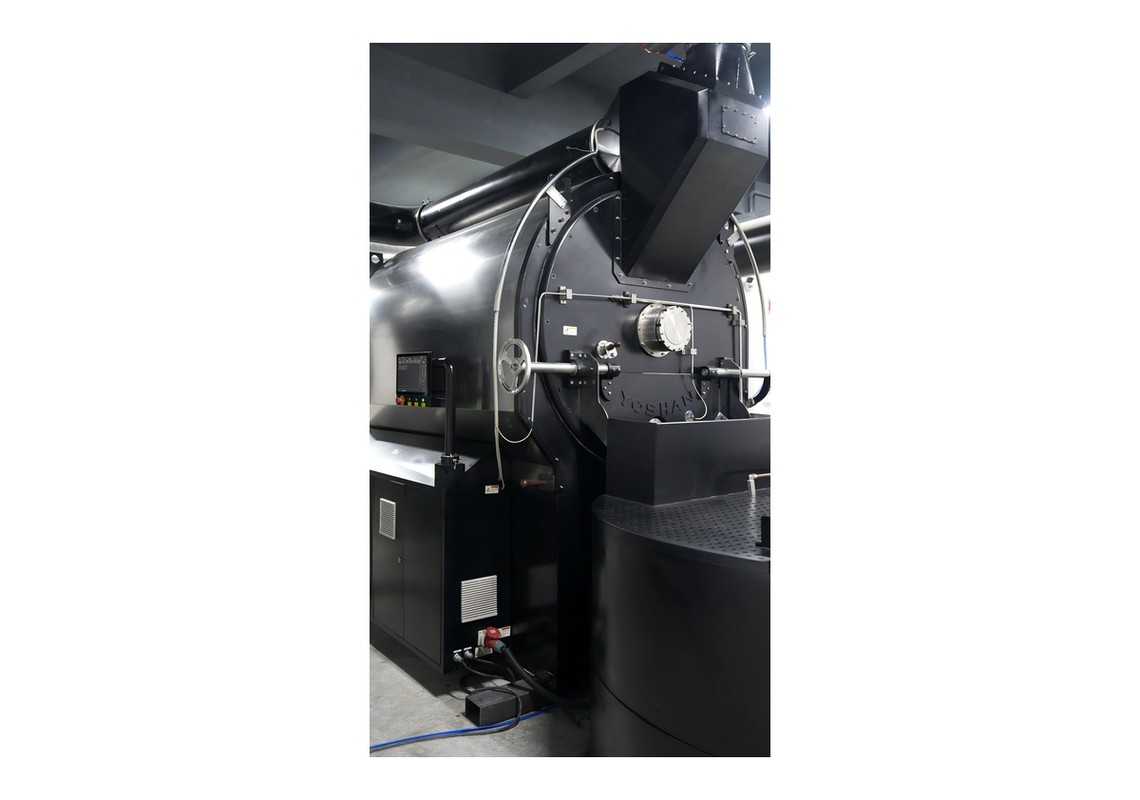
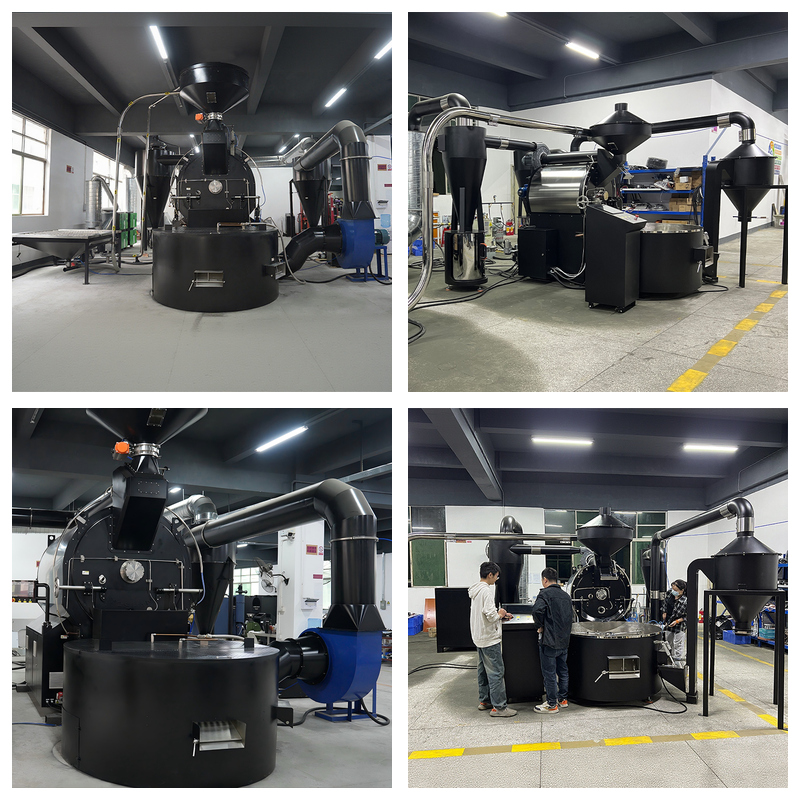
Your customers' brands live or die on consistency, and at this volume a drifting profile is a recall conversation. The SD-240KG Pro runs the approved curve under Siemens control shift after shift, and the machine that does it is finished in whatever livery your own plant or your client's specification calls for.
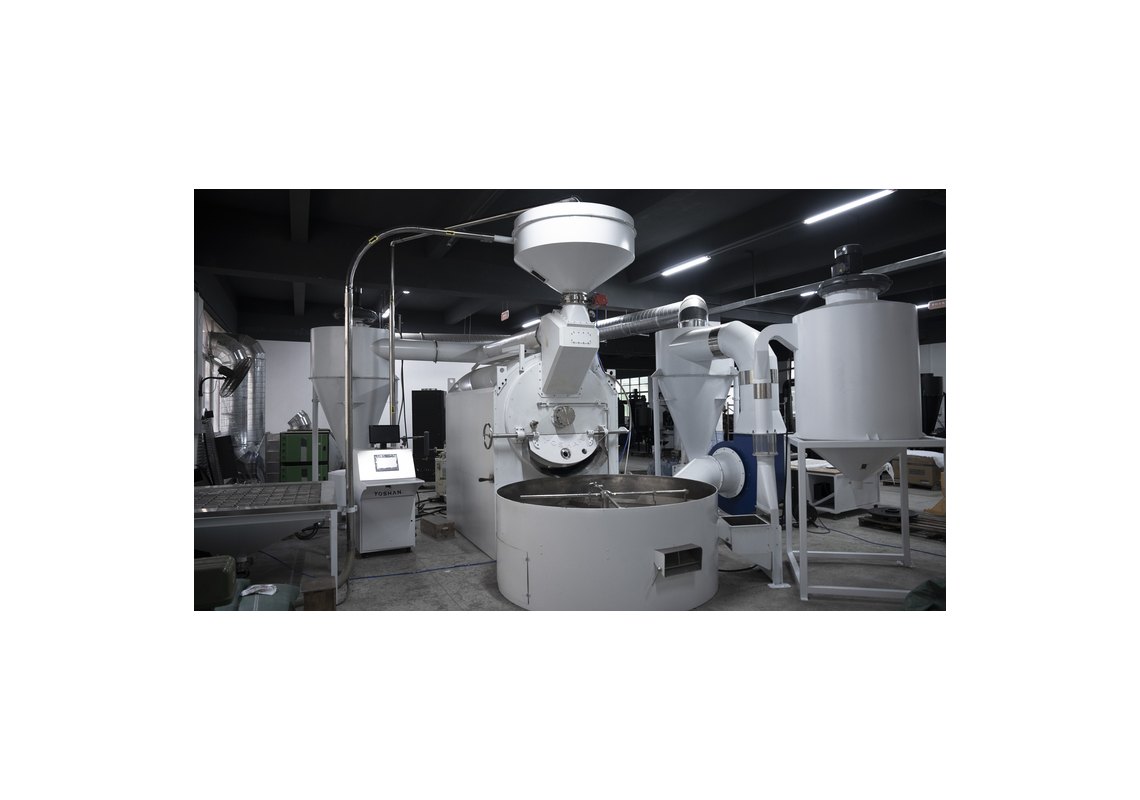
Roasting at origin before export changes the economics of a container, and gas is usually easier to secure there than a large stable grid connection. The YS-240 at USD 109,999 is full hot air, three-phase, with loader and destoner included, and the parts your maintenance team will handle are the ones they already know.
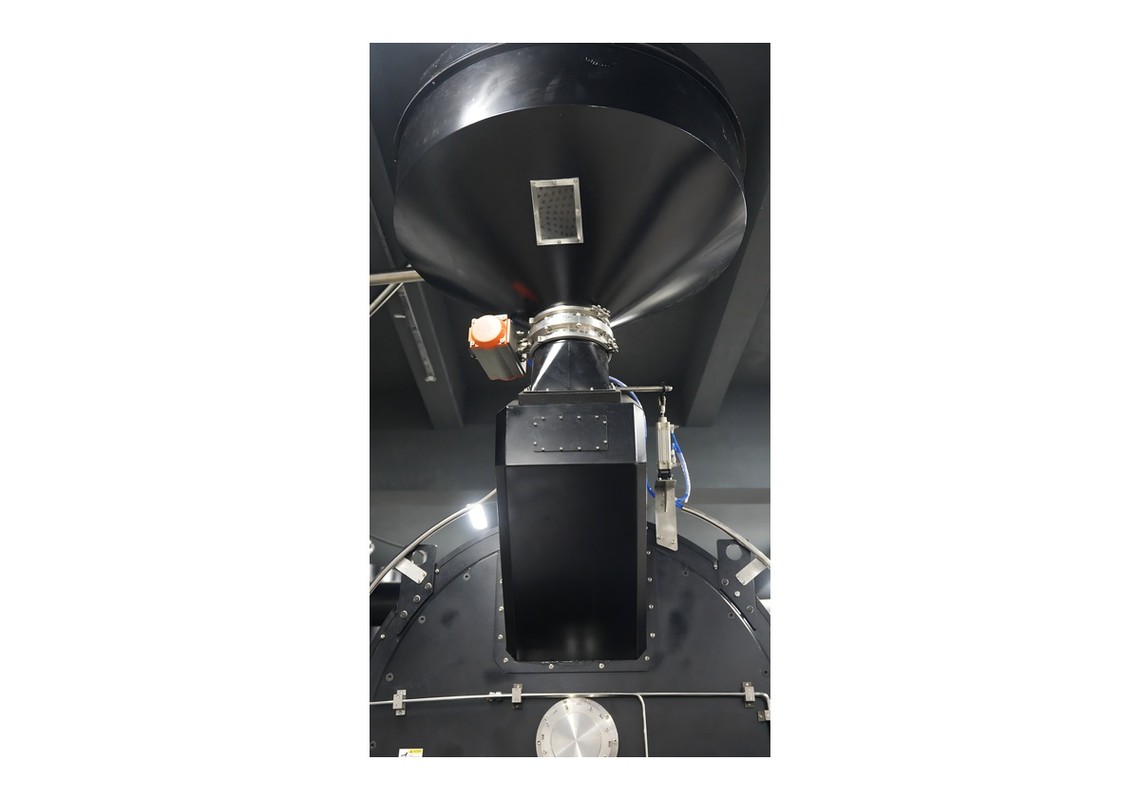
Building a roasting plant for a client means one supplier answering for the roast line rather than four. Roaster, loader, destoner, afterburner, grinder and packing equipment are quoted on one document and leave in the same shipment, and our engineers attend commissioning with your people when the line is this size.
What the Two Prices Cover
Both 240kg coffee roaster prices include the vacuum loader and the destoner: USD 109,999 for the semi-automatic YS-240, USD 149,999 for the fully automatic SD-240KG Pro. The afterburner is the one thing not inside the set at this capacity — it is sized against your flue and quoted with the line, rather than carried over from another model's price list. Grinder and packing equipment sit on the same quotation when you want them.
Why Full Hot Air at a Quarter Tonne
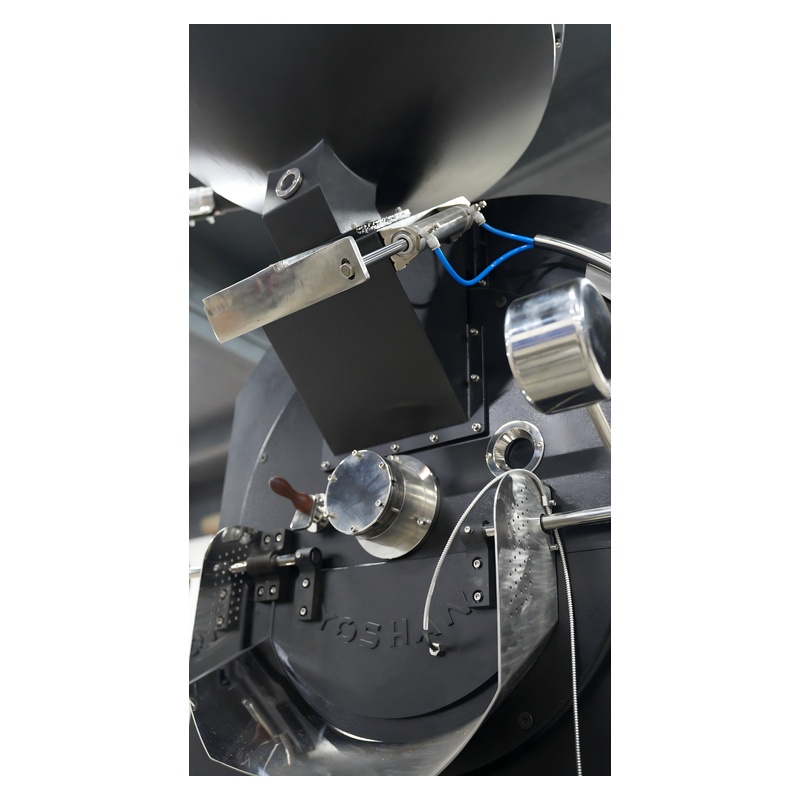
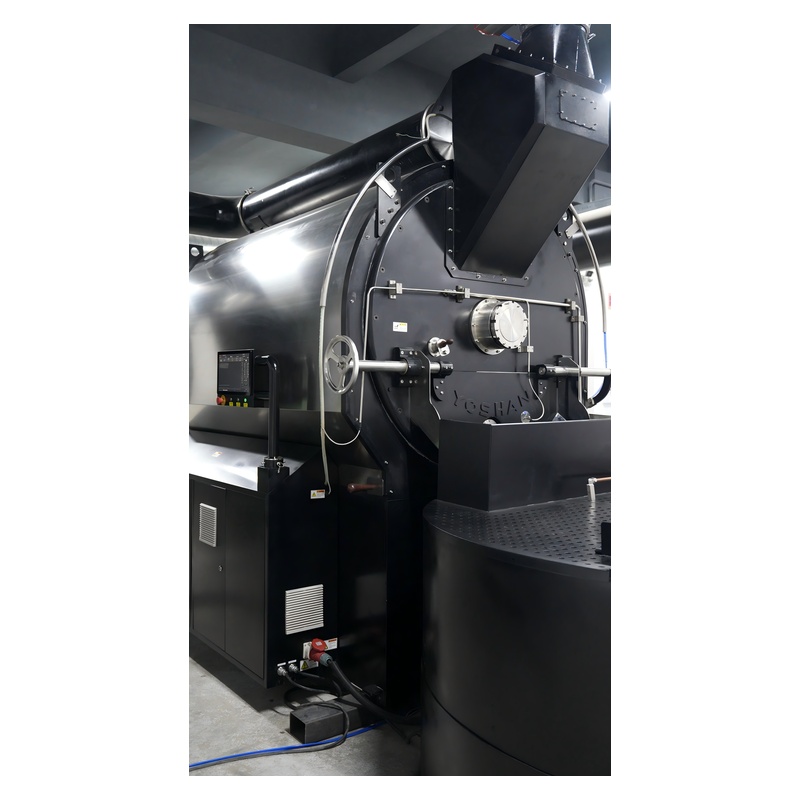
A 240 kg bed is deep. Flame under the drum would develop the outside of the charge long before the middle caught up, so every Yoshan machine from 120 kg upward — including both 240kg coffee roaster models — heats entirely by moving air through the drum. The cast-iron drum then holds that heat between charges, which is what keeps a twelve to fifteen minute cycle repeatable across a full shift.
Gas Line, Three-Phase and the 28 kW Question
Your gas fitter needs one number early: a 240kg coffee roaster burns natural gas at 26–52 m³/h, or LPG at 9–18 m³/h, and the supply has to hold pressure at the top of that range. Electrically it is three-phase 380 V with roughly 28.6 kW installed on the Pro, so cable, breaker and any transformer work belong on the project plan long before the crate lands. Both figures are restated on your quotation for the exact build.
Six Minutes on the Tray
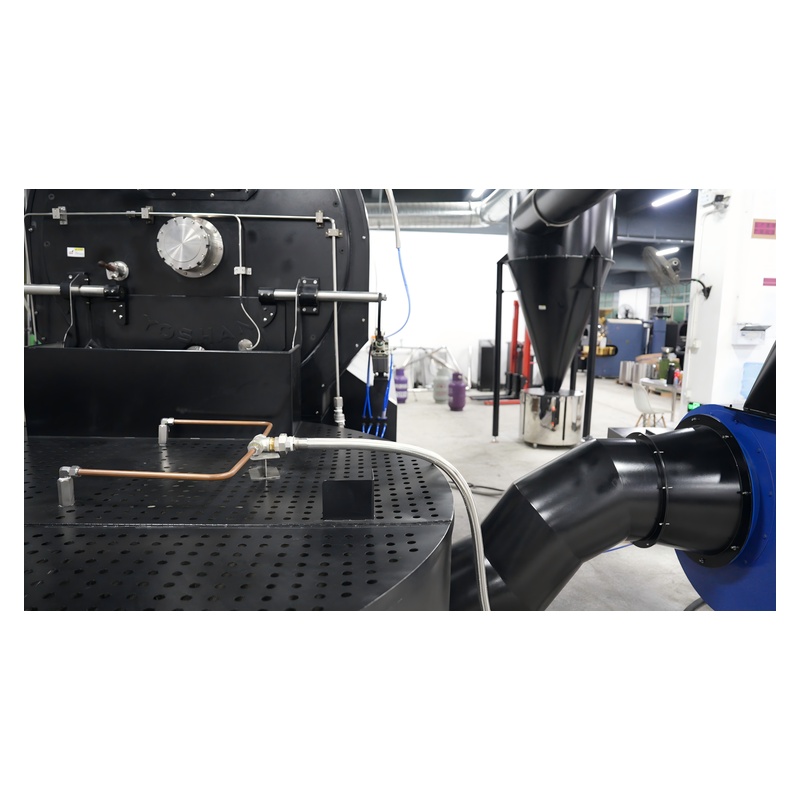
Cooling is what limits a big roastery, not roasting. On a 240kg coffee roaster the batch leaves the drum onto a tray sized for it and is down to handling temperature in six minutes, which is why the cycle maths works out at 720–960 kg an hour rather than something slower. Plan the space around that tray and the route it takes to your silo or packing line when the floor plan comes back with your quotation.
The Build Window, and What to Do With It
The YS-240 is quoted at three to six months and the Pro is built to order with its date on your quotation, because everything heavy on a 240kg coffee roaster is made for your order. Spend that window on the building: three-phase supply at the machine position, a gas line sized for peak draw, a flue route your authority will accept, floor loading for the crate, and access wide enough to bring the machine in whole.
Acceptance, Warranty and Support
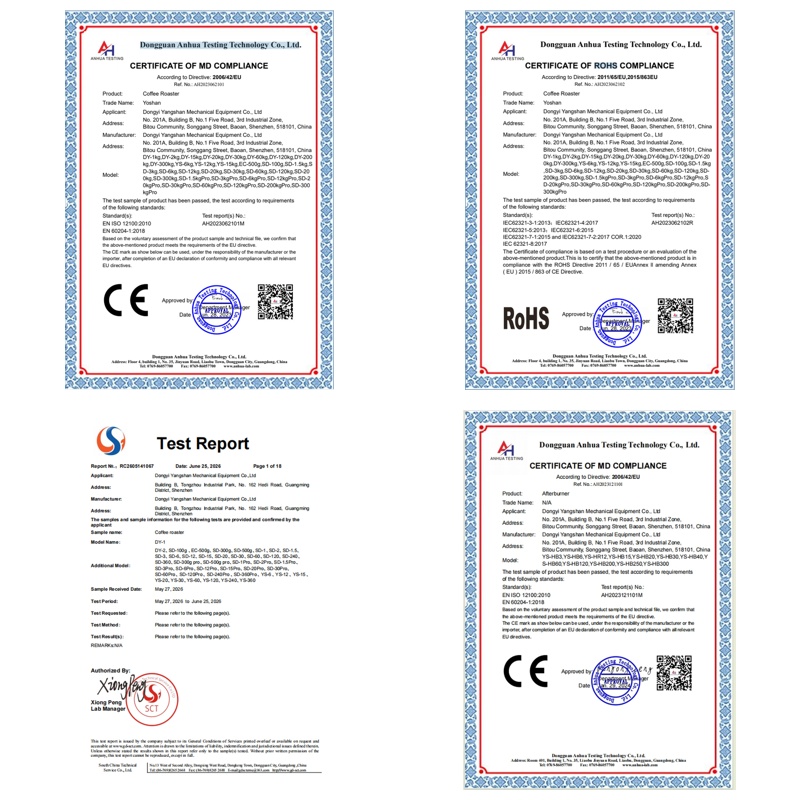
Nothing leaves the shop on a 240kg coffee roaster order until green coffee has been roasted in it and you have seen the footage — that, and photographs of the crated machine, come before the balance is due. Warranty is twelve months counted from arrival at your plant, or twenty-four if you add USD 699 to the order. At this capacity an engineer of ours can travel out for commissioning and train your operators; the certifications page lists what each document covers.
Downloads
What the project engineer, the gas fitter and the finance file each need.
The SD Pro and YS industrial spreads, showing where the 240 kg machines sit in each range.
What each document covers, who issued it and which models it names.
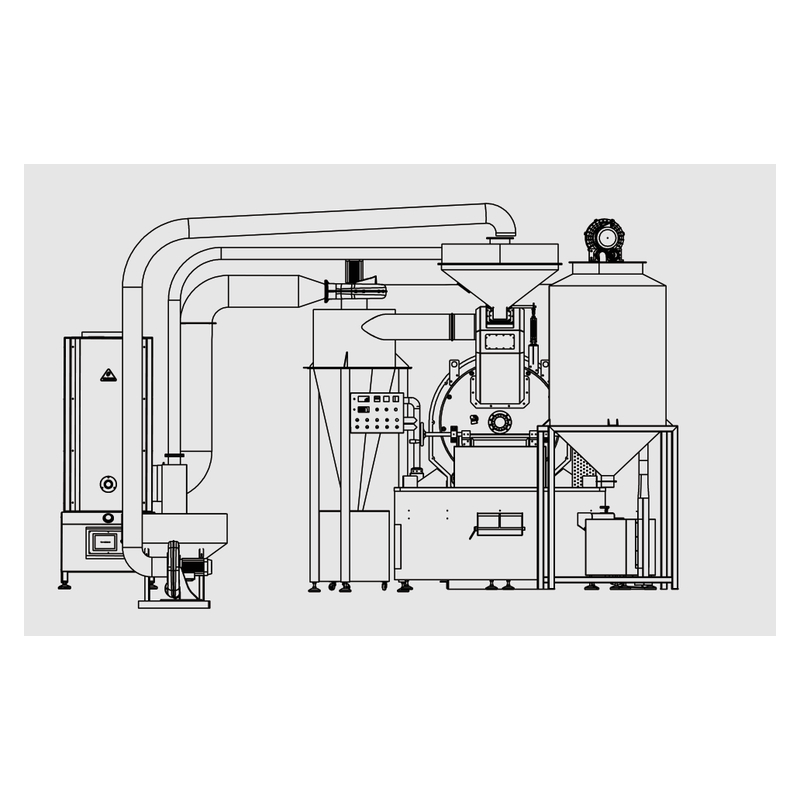
Drawn onto your building: machine position, duct runs, clearances, tray access and where the services land.
FAQ
Both machines come with their vacuum loader and a destoner: USD 109,999 for the YS-240, USD 149,999 for the SD-240KG Pro. The afterburner is not inside the 240 kg set — it is sized against your flue and quoted with the line. Grinder and packing machines are optional items on the same quotation.
Around 720–960 kg of roasted coffee an hour, from 240 kg charges on a twelve to fifteen minute cycle with six minutes of cooling. What that means per shift depends on how continuously you run, and we will put the calculation in writing for your roast level with the quotation.
Natural gas at 26–52 m³/h or LPG at 9–18 m³/h on the SD-240KG Pro, with the supply holding pressure at the top of that range. Electrically it is three-phase 380 V with roughly 28.6 kW installed; the YS-240 runs on 220 or 380 V three-phase at about 28.7 kW. Both are restated on your quotation.
No — unlike our 120 and 300 kg complete lines, the 240 kg sets are priced with loader and destoner but without the afterburner. It is sized against your flue and quoted with the line, because at this capacity the right unit depends on duct length, fuel and what your authority requires.
The YS-240 is quoted at three to six months, the window we give for the semi-automatic machines from 120 kg upward; the SD-240KG Pro is built to order with its date confirmed on your quotation. Heavy fabrication, the cast drum, the burner train and the Siemens panel are all made for your order, and you receive photographs as the machine progresses through the shop.
Because the catalogue presents the 240 and 300 kg machines as customised to a production line rather than as fixed configurations. The figures on this page are what our factory quotes for a standard build; your quotation restates them for the configuration you order, alongside the floor plan for your building.
Yes — that is how machines at this size are normally sold. Discharge height, cooling tray orientation, cyclone and duct routing, silo connection, control integration and colour are all set on the drawing before fabrication starts. Send us your layout and we return a plan with the services marked.
Two SD-120KG Pro lines cost USD 199,998 against USD 149,999, and give 400–480 kg an hour against 720–960 — lower output for more money, but with redundancy and two profiles at once. One 240 runs cheaper per kilo on one flue and one operator. Tell us your product mix and we will lay both out.
One Class Down, One Up, and the Series
Sizing Guide: Planning a 240 kg Line, YS-240 or SD-240KG Pro, and the Project Window
What a Quarter-Tonne Charge Demands of a Building
A coffee roasting plant built around a 240kg coffee roaster needs five things settled before the machine ships. Three-phase 380 V with roughly 28.6 kW installed. A gas supply that holds pressure while the burner draws 26–52 m³/h of natural gas. Floor loading for the machine and for the crate that brings it. Headroom for the loader pipe and the cyclone. A flue route your authority will accept, with space for an afterburner beside it. None of this is exotic, but all of it is slower to arrange than people expect, which is the real reason to start the building work the day the build slot is booked rather than the month the machine ships.
YS-240 or SD-240KG Pro
Both run 240 kg charges at 720–960 kg an hour, both are full hot air, both arrive with loader and destoner. The difference is who holds the profile: the YS-240 at USD 109,999 gives your roastmaster a Siemens station and the decisions; the SD-240KG Pro at USD 149,999 stores the approved curve and repeats it under automation. At this volume the question is usually what a drifting profile costs across a shift, which at a quarter tonne a charge is measured in tonnes rather than in bags.
Two Hundred and Forty, or Three Hundred
The 300 kg class — YS-360 at USD 139,999, SD-360KG Pro complete with afterburner at USD 289,999 — runs a 300 kg charge normally and takes 360 kg at maximum, lifting hourly output to 1,080–1,440 kg at full load. Going up is worth pricing when 720–960 kg an hour is already the ceiling on your shifts rather than the comfortable middle. Below, the 120 kg class runs 200–240 kg an hour at USD 59,599 to 99,999.
Where These Figures Come From
Our printed catalogue describes the 240 and 300 kg machines as customised to the production line rather than listing numbers for them, so the capacities, gas figures and power on this page are the ones our factory quotes for a standard build. They are restated on your quotation for the exact configuration you order, with the floor plan — and if your line needs something outside them, that is a design conversation rather than a catalogue lookup.
Landed Cost, Payment and Acceptance
Both prices are EXW Shenzhen. Ocean freight, insurance, DDP to your door and any grinder or packing equipment go on the same quotation, so suppliers are compared on the delivered number. Payment is half to open the order and half before shipment, after the test-roast video of your own machine. Warranty is twelve months from arrival, twenty-four for USD 699, and commissioning on your floor is arranged for lines at this capacity.