
New bars buy one grinder because one grinder makes coffee. Established bars usually run two or three, and the reason is not volume. It is that every change of coffee on a single grinder means re-dialling — three or four wasted shots, a minute of the barista's attention, and a queue that does not wait. This guide counts grinders by the menu, explains what each one is for, and gives the specification that suits each job.
The real reason for a second grinder
An espresso grinder is dialled in to one coffee: its grind setting, its dose, its shot time. Put a different coffee through it and the setting is wrong — different roast, different density, different age. The barista adjusts, pulls a test shot, adjusts again, pulls another. That is three or four shots of coffee and a couple of minutes, every time the coffee changes, and then the same again to change back.
On a bar that serves one coffee, that never happens and one grinder is right. On a bar that serves decaf, or a second espresso, or a rotating single origin, it happens every time one is ordered — which on a busy bar is constantly. The second grinder exists so that no coffee is ever ground on a setting meant for another. Volume has nothing to do with it; a quiet bar with three coffees needs three grinders more than a busy bar with one.
Counting by menu
| Menu | Grinders | What each does |
|---|---|---|
| One espresso coffee, no decaf, no filter | 1 | House espresso |
| House espresso + decaf | 2 | House espresso; decaf on its own grinder |
| House espresso + decaf + filter/batch brew | 3 | House espresso; decaf; a filter grinder set coarse |
| House espresso + guest/rotating single origin (+ decaf) | 2–3 | House; guest on a low-retention or single-dose grinder; decaf |
| Two house espressos (a blend and a single origin) + decaf | 3 | One per espresso; decaf |
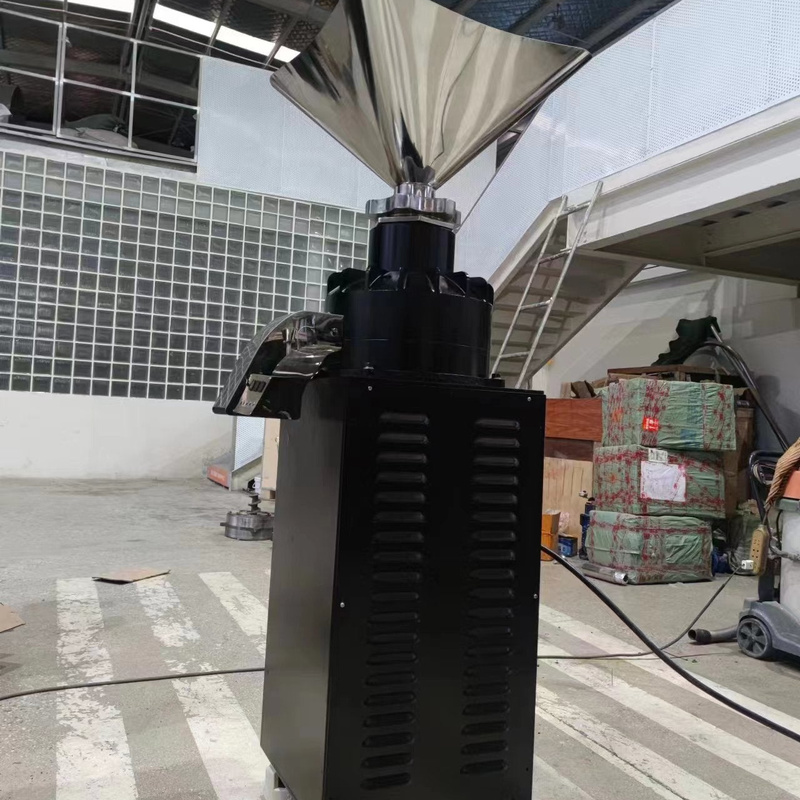
| Very high volume, one coffee, one bar | 2 | Two identical espresso grinders on the house coffee, so a rush never waits on one |
The pattern: one grinder per coffee served as espresso, plus one for filter if filter is on the menu. The high-volume case is the exception, where the second grinder is capacity rather than a second coffee.
Decaf: why it should never share
Decaf is the coffee most often pushed through the house grinder "just for this one order", and it is the worst candidate for sharing. It is roasted differently and grinds differently, so the dial-in swing is large. It sits in the hopper or chute and contaminates the next regular shots. And the customer who ordered it often did so for a health reason and expects the cup to actually be decaf — residual caffeinated grounds from the previous shot are not what they paid for.
A dedicated decaf grinder does not need to be the equal of the house grinder. Decaf volume is a fraction of the bar's total, so a smaller or less powerful on-demand grinder, correctly dialled and left alone, does the job. Its cleaning schedule is the same as the house grinder's; decaf oils go rancid on the same timetable. See commercial coffee grinder cleaning schedule.
The filter grinder is a different machine
Filter coffee — batch brew, pour-over — needs a much coarser grind than espresso, and asking an espresso grinder to swing between the two is asking it to be re-dialled across its whole range twice a day. A filter grinder is set once, coarse, and stays there.
It can also be a different class of machine. Filter grinding rewards a consistent particle distribution at coarse settings more than it rewards fine adjustment, and throughput per grind is higher because a batch brew uses far more coffee than a shot. A grinder with larger burrs and a hopper, sold as a bulk or filter grinder, suits the job — the distinction is covered in espresso grinder vs filter grinder burr types. Bars that also grind retail bags for customers use the same grinder for that, which is where the bulk coffee grinder class comes in.
The guest grinder: low retention or single dose
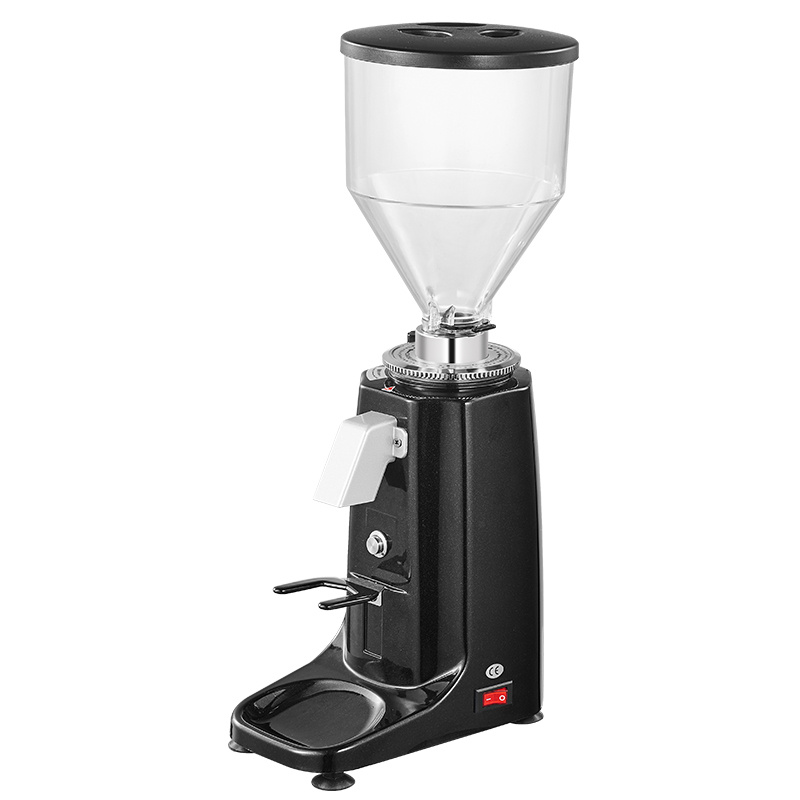
Bars that rotate a single origin on the second group face a different problem: the coffee changes every week or two, and each change means a full dial-in and a hopper of the previous coffee to use up first. Two grinder designs address it.
A low-retention on-demand grinder holds very little ground coffee in its chute, so changing coffees needs only a short purge. It runs from a hopper like the house grinder.
A single-dose grinder has no hopper; each dose is weighed in, ground through and out. Retention is minimal, changing coffees is a matter of pouring in a different dose, and the grinder is always empty between shots. It is slower per shot than a hopper grinder and suits a guest coffee's lower volume, not the house coffee's queue. The class is covered in 64 mm flat burr single-dose grinders.
For a bar that sells its rotating coffee as a feature, one of the two is the right second espresso grinder. For a bar that rarely changes the guest, a standard on-demand grinder is fine.
Specifying each grinder
Not every grinder on the bar needs to be the same. Match each to its job.
House espresso grinder. The workhorse: the largest burrs and strongest motor you can justify, so it grinds a double in seconds through a rush without heating the coffee; programmable doses; low retention; easy burr access for weekly cleaning. This is where the money goes. Our café grinders such as the YS-C98 Pro — flat burrs, 1.55 kW, programmable dosing — are built for this position.
Decaf grinder. On-demand, programmable, adequate rather than large. Its volume is low, so a smaller motor and burr set that would heat up on the house coffee is fine here.
Filter grinder. Larger burrs, a hopper, set coarse and left; throughput over adjustability. Often the same machine that grinds retail bags.
Guest grinder. Low retention or single dose, chosen for how often the coffee changes.
All of them on their own electrical circuit, separate from the espresso machine, and all matched to the site's voltage and frequency — see commercial coffee grinder voltage. The wider selection criteria are in the commercial coffee grinder buyer's guide.
Counter space and workflow
Two or three grinders change the bar layout. The house grinder sits beside the machine on the barista's dominant side; the decaf grinder beside or behind it, clearly labelled — colour-coded hoppers or a marked portafilter stop the two being confused on a rush; the filter grinder at the brew station, away from the espresso workflow. Each needs its own outlet. A bar designed for one grinder and given three is a bar with a grinder on the wrong side of the machine, and it costs seconds on every drink.
When to add the second
If you are opening with one coffee and adding decaf or a guest later, buy the second grinder the week the second coffee goes on the menu, not the month after. Every day in between is a day of re-dialling and cross-contaminated shots, and the coffee wasted dialling in over a few busy weeks is a noticeable fraction of the grinder's cost. A café espresso package that includes the second grinder from the start is cheaper than adding it in a second shipment.
FAQ
How many coffee grinders does a coffee shop need?
One per coffee served as espresso — house, decaf, any guest or second espresso — plus one for filter coffee if it is on the menu. A single-coffee bar needs one; a bar with house, decaf and filter needs three. The count follows the menu, not the volume.
Do I need a separate grinder for decaf?
Yes, if decaf is on the menu. Sharing the house grinder means re-dialling for every decaf order, contaminating the next regular shots with decaf grounds and the decaf with caffeinated ones. A smaller, dedicated on-demand grinder, dialled once and left, solves all three.
Can I use my espresso grinder for filter coffee?
Not well. Filter needs a much coarser grind, and swinging an espresso grinder across its range twice a day means re-dialling both ways and uneven results. A separate grinder set coarse and left — often a larger-burr bulk or filter model — is the standard answer.
When does a second espresso grinder for the same coffee make sense?
On a very high-volume single-coffee bar where one grinder cannot keep the queue moving at peak. Two identical grinders on the house coffee let two portafilters be dosed at once and cover a rush without grinding ahead. Below that volume, the second grinder is better spent on decaf or a guest coffee.
What grinder should I use for a rotating single origin?
A low-retention on-demand grinder, or a single-dose grinder if the coffee changes often and its volume is modest. Both make changing coffees quick and keep the previous coffee from lingering. The house coffee stays on the main hopper grinder with the strongest motor.
Does the decaf grinder need to be as good as the house grinder?
No. Its volume is a fraction of the bar's, so a smaller motor and burr set that would overheat on the house coffee is adequate. It should still be on-demand with programmable dosing, cleaned on the same schedule, and clearly labelled so it is never confused with the house grinder on a rush.
How should multiple grinders be arranged on the bar?
House grinder beside the machine on the barista's dominant side, decaf beside or behind it and clearly marked, filter grinder at the brew station away from the espresso flow. Each on its own outlet and circuit. Plan the counter for the final grinder count, not the opening one.
Final Thoughts
Count grinders by coffees, give decaf its own, set the filter grinder coarse and leave it, and buy the second grinder the day the second coffee arrives. As a wholesale supplier of commercial coffee grinders, we supply the YS-C98 Pro for the house position and can match a decaf, filter or guest grinder to it in the same shipment — tell us your menu.
Request a quote or message us on WhatsApp at +86 184 0771 4607.
Get a Quote → WhatsApp +86 184 0771 4607Last updated: September 17, 2026
Pingback: What a Café Espresso Machine Package Should Include
Pingback: Commercial Coffee Grinder Buyer's Guide: Size the Burrs | Yoshan
Pingback: How to Roast Decaf Coffee Commercially: Profile, Probe & Yield
Pingback: Coffee Shop Equipment List: Three Set-Ups by Store Type | Yoshan