
A grinder is the one machine on the bar that gets dirtier every time it does its job. Coffee oil coats the hopper, the burrs and the chute; fines pack into corners; both go rancid. The result shows in the cup before it shows on the machine. This is a cleaning schedule set by how much coffee you grind, not only by the calendar, with what to do at each interval and why.
Set the intervals by kilograms, not days
Most cleaning guides say daily, weekly, monthly. That works if every bar grinds the same amount, and none does. A grinder doing two kilograms a day and one doing twenty cannot run on the same schedule.
The better approach is to fix the intervals to throughput and then translate them into days for your bar:
| Task | Trigger | Quiet bar (2–3 kg/day) | Busy bar (10–20 kg/day) |
|---|---|---|---|
| Hopper emptied, chute brushed, exterior wiped | Every day regardless | Daily | Daily, twice on long days |
| Grinder cleaning tablets through the burrs | Every 15–25 kg | Weekly | Every 1–2 days |
| Upper burr removed, chamber vacuumed and brushed | Every 40–80 kg | Every 2–3 weeks | Weekly |
| Hopper washed, full disassembly, burr inspection | Every 150–250 kg | Monthly | Every 1–2 weeks |
| Burr wear check against a fresh reference | Cumulative kg since last change | Quarterly | Monthly |
Write your own numbers in the right-hand columns. If the bar's volume changes, the schedule moves with it, and nobody has to remember whether "weekly" still means enough.
Daily: five minutes at close
Three jobs, every day.
Empty the hopper. Beans left overnight sit in oil that has already started to oxidise, and they take on the taste of it. Store beans in their bag and refill in the morning. This also lets you wipe the inside of the hopper, which is the part most schedules skip.
Brush out the chute and exhaust. Fines pack into the grinds chute and around the exit; a stiff brush and, if you have one, a short burst of vacuum clear them. Packed fines are yesterday's coffee going into today's first shots.
Wipe the exterior, doser and forks. Oil on the outside of the machine is oil that ends up on hands, portafilters and the counter.
Weekly, or every 15–25 kg: cleaning tablets and the chamber
Run grinder cleaning tablets. These are food-safe granules ground like coffee; they absorb oil from the burrs and carry out fines. Run a dose through, then a small amount of coffee to purge, and discard both. This is the single most effective routine task for keeping grind size stable, because it removes the oil layer that otherwise builds on the burr faces.
Lift the upper burr carrier. On most commercial grinders the upper burr comes off without tools or with one. Vacuum the chamber and the lower burr, brush the threads, wipe the carrier. Note the grind setting before you remove it and return to the same point; on some designs the carrier position is the grind setting.
Look at the burrs. You are not inspecting for wear yet — just for caking. A shiny, smooth film across the cutting faces means the tablets are not running often enough.
Monthly, or every 150–250 kg: the hopper and the full clean
Wash the hopper. This is the part of the grinder that touches beans continuously and it is where oil goes rancid first. Warm water and a mild detergent, rinsed completely, dried completely before it goes back on. A hopper that smells faintly of old coffee is contaminating every bean that passes through it, and no amount of burr cleaning fixes that.
Disassemble further. Remove the lower burr if the design allows, clean the chamber floor, the exit, the anti-static and retention paths. Check the burr carrier threads and the adjustment mechanism for packed fines, which cause the adjustment to bind and make dialling in erratic.
Check the burrs against a reference. Run your finger across the cutting edges — carefully — or compare against a photo of a new set. Rounded edges, a dull patch in one sector, or a grind that now needs a noticeably finer setting than it did three months ago for the same shot time all say the burrs are wearing. When and how to change them is in our guide to replacing grinder burrs.
Why this matters more than it looks
Skipping the schedule does three things, in this order.
First, the cup changes. Rancid oil on the burrs and in the hopper adds a stale, flat note to every shot. Baristas often chase it with grind and dose changes; the fix is a clean grinder.
Second, grind size drifts. An oil-and-fines film on the burr faces effectively moves the burrs closer together and roughens them. Shots run slower, the barista opens the grind, then the next clean resets everything and the dial-in starts again. A clean grinder holds its setting.
Third, the burrs and the motor wear faster. Packed fines and oil raise the load on the motor, which runs hotter, which warms the grounds, which increases static and retention — the mechanism explained in our article on grinder retention and static. Hot, loaded burrs dull sooner. A clean grinder gives its burrs their full rated life in kilograms; a dirty one may get half.
What not to do
- No water on the burrs or in the chamber. Steel burrs rust and the chamber has bearings and electrics behind it. Brush, vacuum, cleaning tablets, dry cloth. Only the hopper gets washed.
- No rice. It is harder than coffee and than the cleaning tablets are designed to be, it can load the motor, and it leaves starch. Use tablets made for the job.
- No compressed air into the chamber on grinders with electronics or sealed bearings; it drives fines into places you cannot reach.
- Do not change the grind setting to remove the burr on designs where the setting is the carrier position without noting where it was.
Keep a log
A sheet on the wall by the grinder with dates and the throughput estimate takes ten seconds a day and does two things. It keeps the schedule honest when staff change. And it is what a supplier asks for when a burr set or a motor is claimed under warranty: a record of cleaning is the difference between a covered fault and a maintenance issue. As a wholesale supplier, we see far more grinder faults caused by neglected cleaning than by the grinder — and the log settles which it was.
The schedule for a bulk or retail grinder
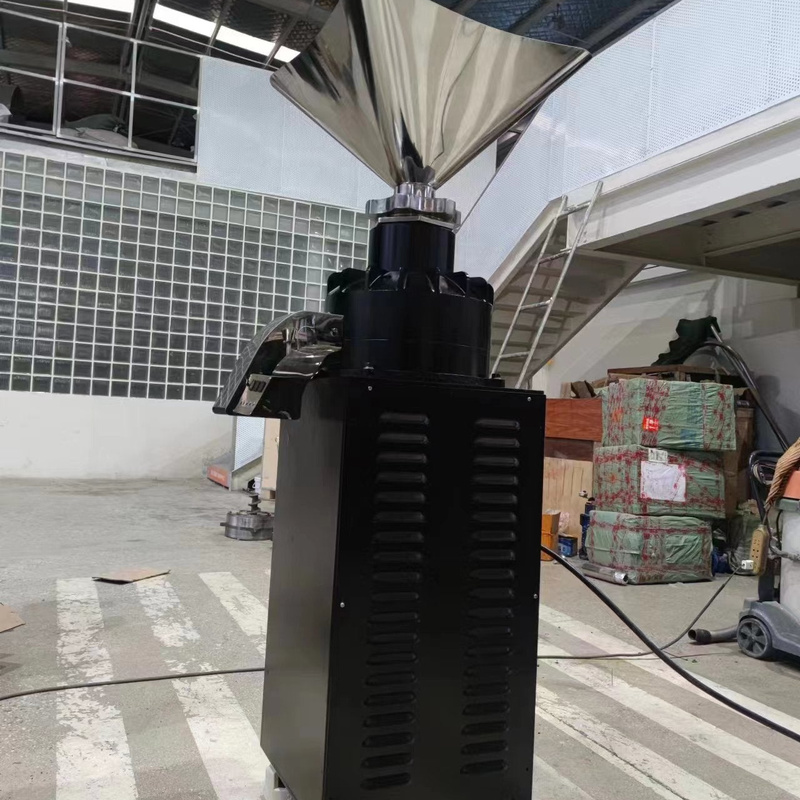
Grinders that grind roasted coffee for retail bags or bulk supply handle far more coffee per day than a bar grinder and run for longer stretches, so every interval above compresses. On our industrial disc grinders, which run at 15–50 kg per hour, the cleaning-tablet and chamber intervals fall due daily on a busy day, and the hopper — which on these machines holds a full kilogram or more — should be washed at least weekly. The wider context for those machines is in our guide to bulk coffee grinders for roasteries and retail.
FAQ
How often should a commercial coffee grinder be cleaned?
Daily for the hopper, chute and exterior; every 15–25 kg of coffee for cleaning tablets through the burrs; every 40–80 kg for removing the upper burr and vacuuming the chamber; every 150–250 kg for a hopper wash and full clean. Convert those kilograms to days for your own bar's volume.
Can I use rice to clean a coffee grinder?
No. Rice is harder than coffee, loads the motor, can chip cheap burrs and leaves starch residue. Use grinder cleaning tablets, which are made to absorb oil and carry out fines at the same hardness as coffee, followed by a small purge of coffee.
Should the hopper be washed?
Yes, and more often than most schedules say. The hopper is in continuous contact with beans and its oil film goes rancid first, contaminating every bean that passes. Wash it with warm water and mild detergent, rinse fully and dry completely before refitting. Never wash the burrs or chamber.
Why does my grind setting keep changing?
Usually because oil and fines are building up on the burr faces between cleans, effectively closing the gap and roughening the surface, so shots slow and the barista opens the grind. After the next clean the gap returns and the setting is wrong again. Regular cleaning tablets hold the setting steady.
Does cleaning affect burr life?
Substantially. Oil and packed fines raise motor load and burr temperature, and hot, loaded burrs dull sooner. A cleaned grinder reaches its burrs' rated life in kilograms; a neglected one may get half. Cleaning is the cheapest way to delay a burr change.
How do I know when the burrs are worn rather than dirty?
Clean them first. If, after cleaning, the grind still needs a much finer setting than it did months ago for the same shot time, the grinds are inconsistent, or the cutting edges feel rounded compared with a new set, the burrs are worn. A dirty burr recovers after cleaning; a worn one does not.
Is a cleaning log really necessary?
It costs ten seconds a day and it does two jobs: it keeps the schedule running when staff change, and it is what a supplier needs when a burr or motor fault is claimed under warranty. Most grinder faults we see trace to cleaning, and the log settles which it was.
Final Thoughts
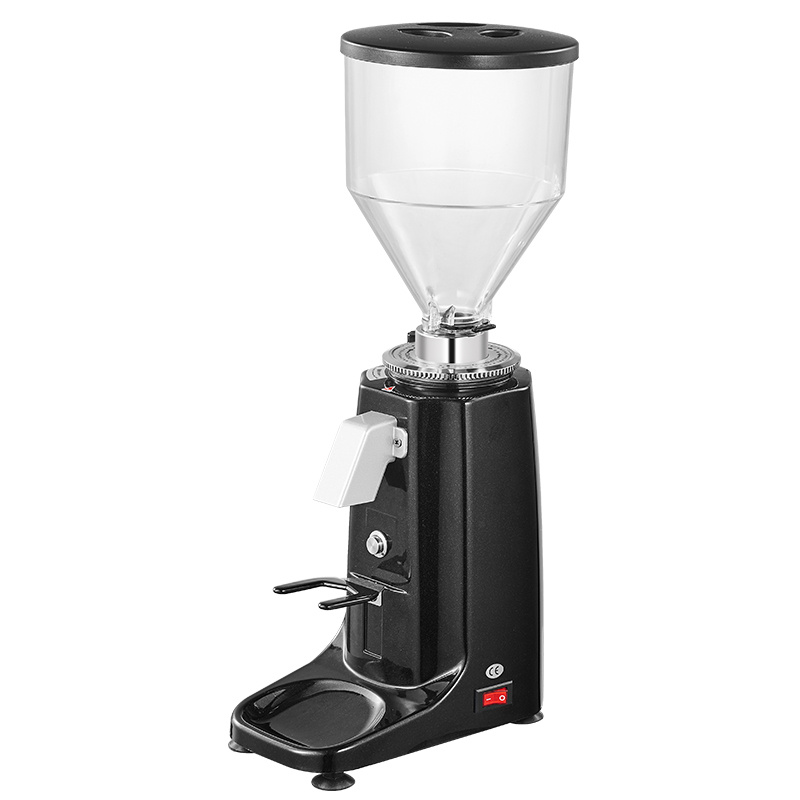
Set the intervals by kilograms, clean the hopper as seriously as the burrs, and keep the log. A grinder looked after this way holds its setting, gives its burrs their full life and keeps the cup clean. As a wholesale supplier of commercial coffee grinders, we supply models such as the YS-C98 Pro — a flat-burr, dual-voltage grinder with a 1.5 L hopper — together with spare burr sets to match.
Request a quote or message us on WhatsApp at +86 184 0771 4607.
Get a Quote → WhatsApp +86 184 0771 4607Last updated: September 17, 2026
Pingback: Commercial Coffee Grinder Buyer's Guide: Size the Burrs | Yoshan