
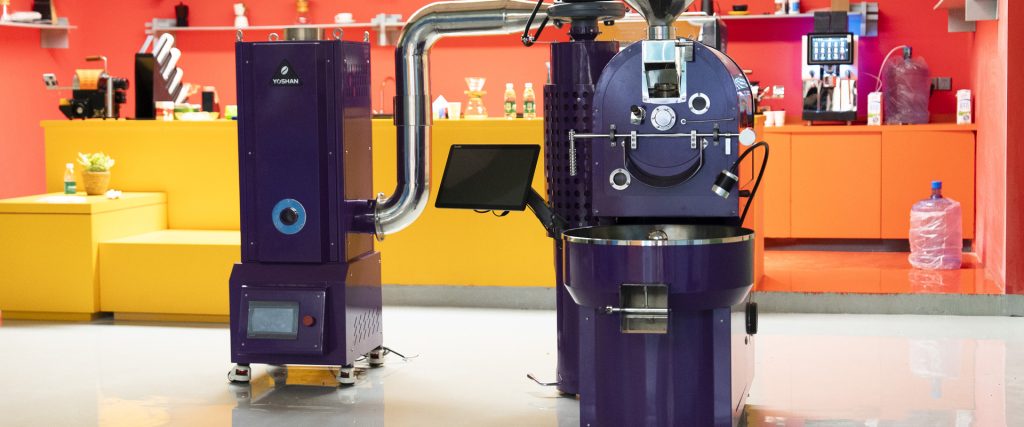
How to Read a Coffee Roaster Spec Sheet: The Four Lines to Get in Writing
Rated capacity, burner rating, electrical load, airflow, weight and control: what each line on a coffee roaster spec sheet means, and four to get in writing.
Rated capacity, burner rating, electrical load, airflow, weight and control: what each line on a coffee roaster spec sheet means, and four to get in writing.
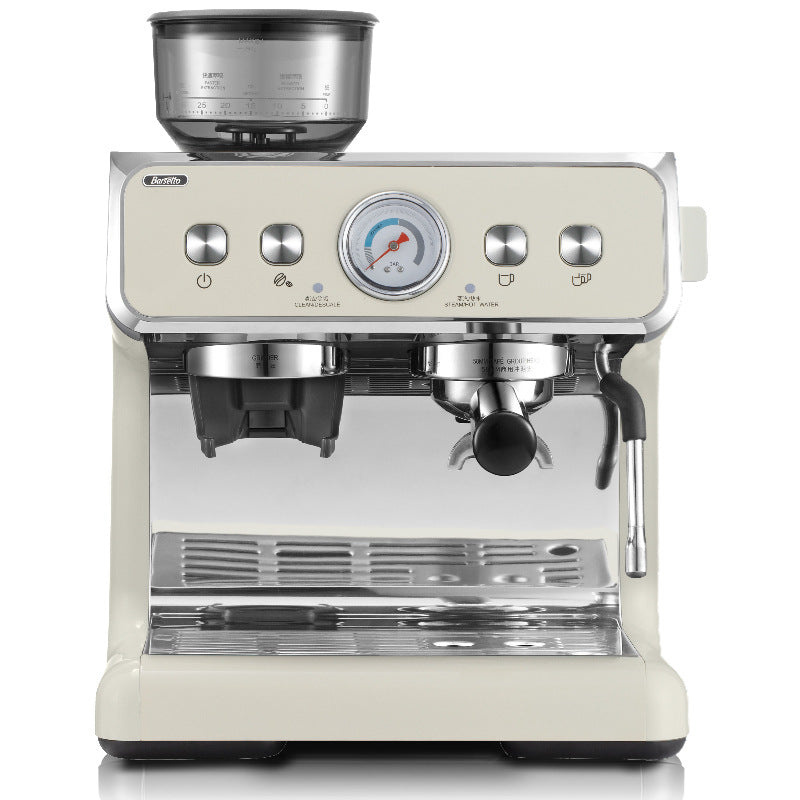
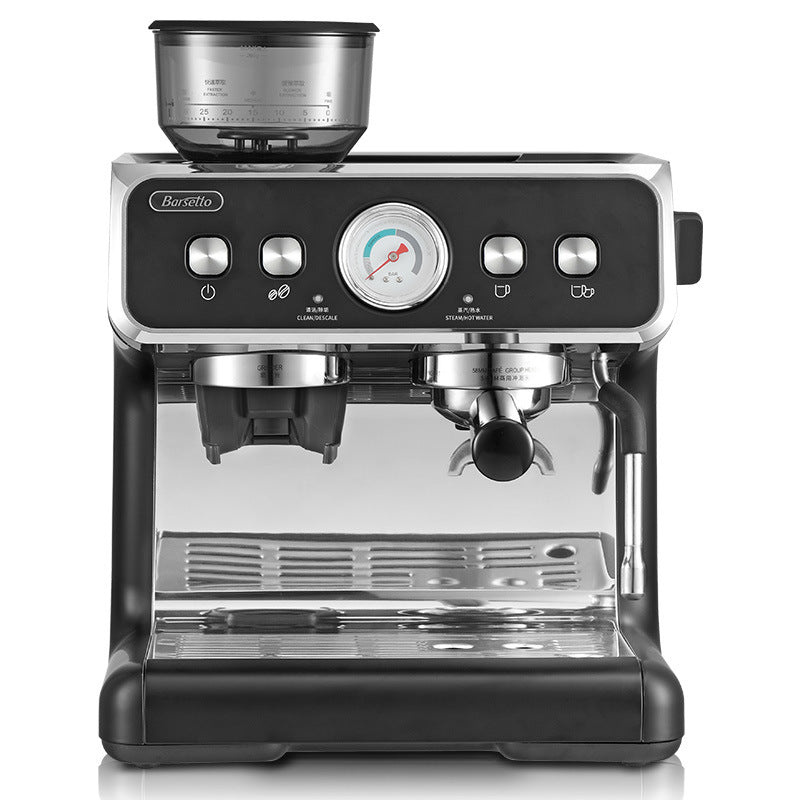
What the Italian name actually buys you, the three parts that decide reliability on any espresso machine, and how to check them before ordering wholesale.
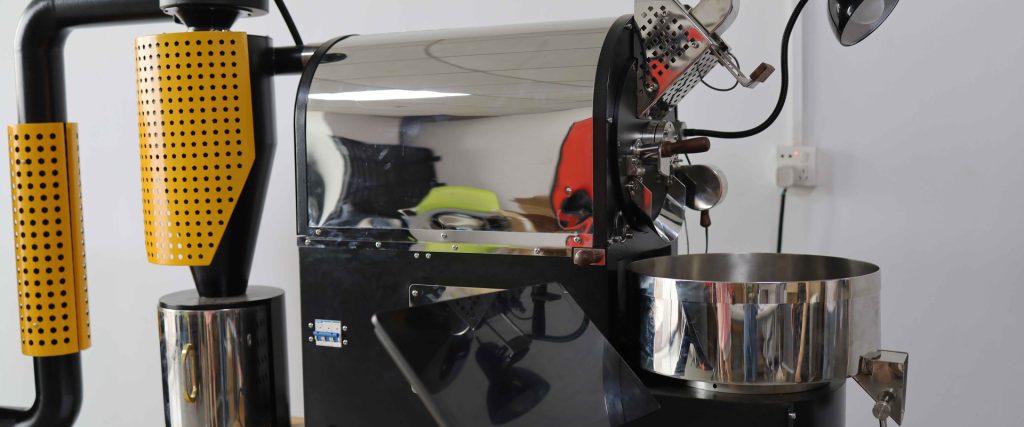
Buying a coffee roaster for India, Sri Lanka or Bangladesh: 230/415 V and stabilisers, commercial LPG banks, IEC, CHA and IGST, ports, robusta and chicory, prices.
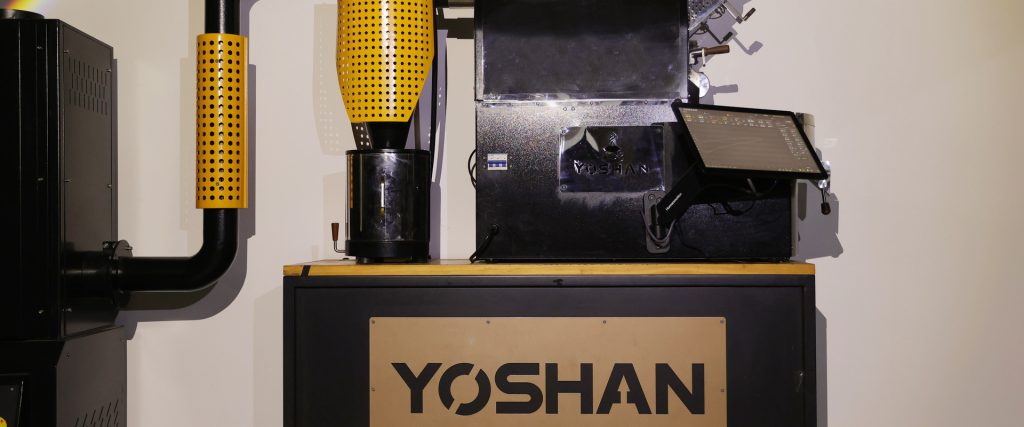
Coffee roaster batch size guide: rated capacity is a maximum, the 40–100% usable window and 60–80% sweet spot, what breaks when you underload or overload, batch discipline.
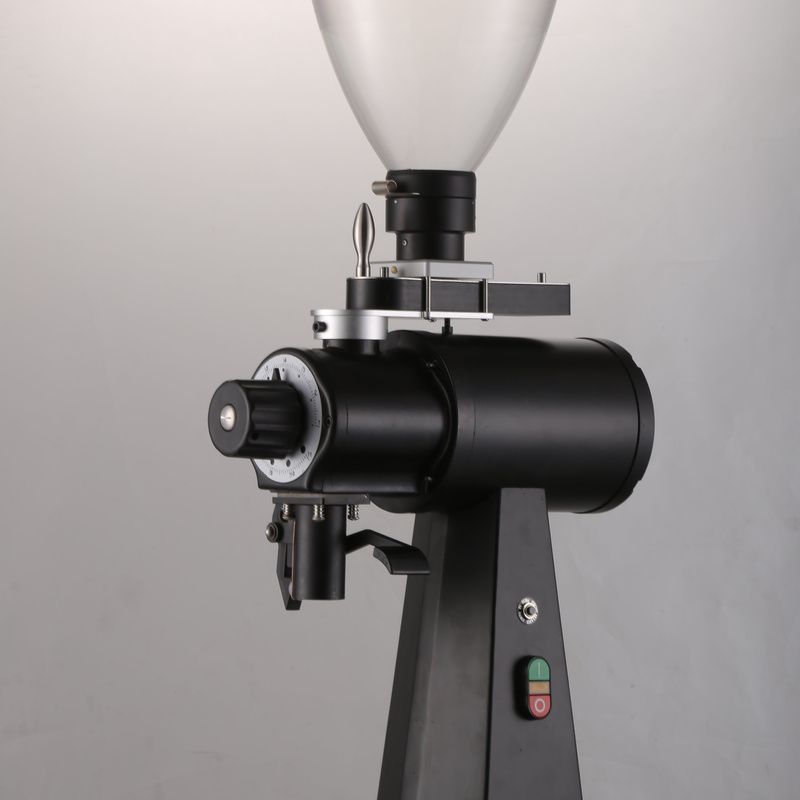
How to choose a bulk coffee grinder for a roastery or shop: throughput by class, S1 continuous duty, grinding fresh-roasted coffee without bag failures, 110/220 V, prices.
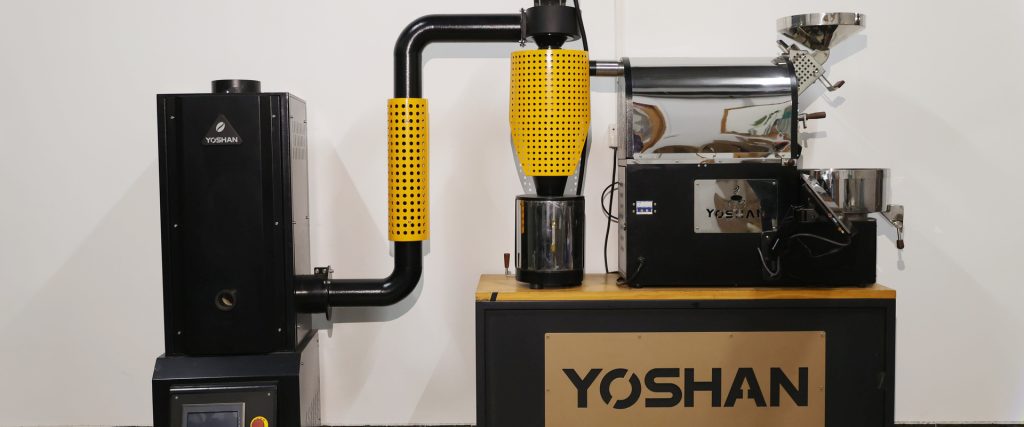
Six gates before an imported coffee roaster runs in the UK or EU: the 13 A limit, CE/UKCA, gas sign-off, odour and planning, duty and VAT, and the right size.
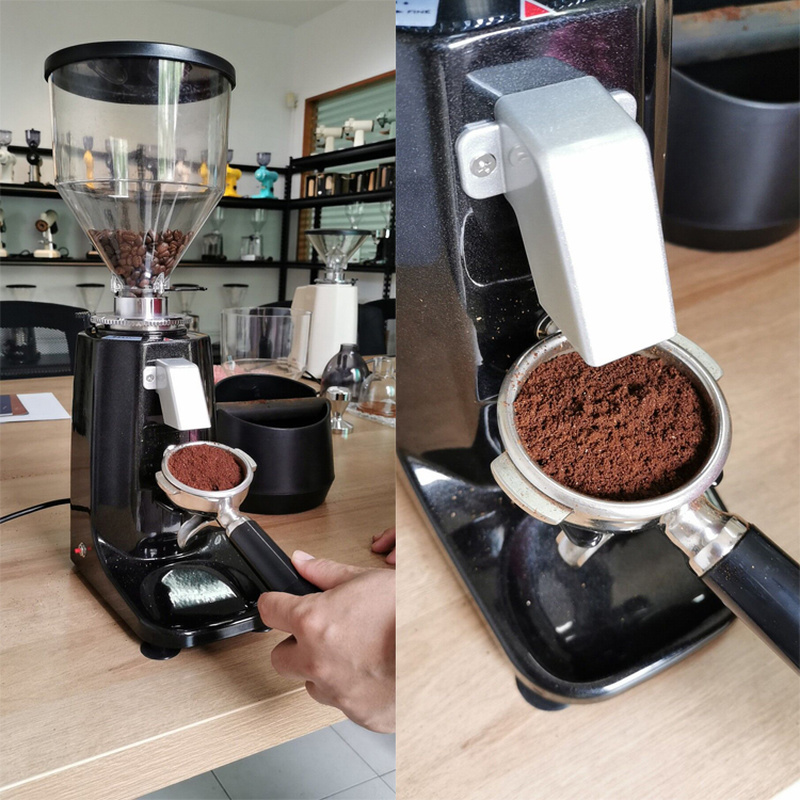
Coffee grind size chart from Turkish to cold brew in microns, how to dial in espresso on a commercial grinder, and why roast level and burr wear move it.
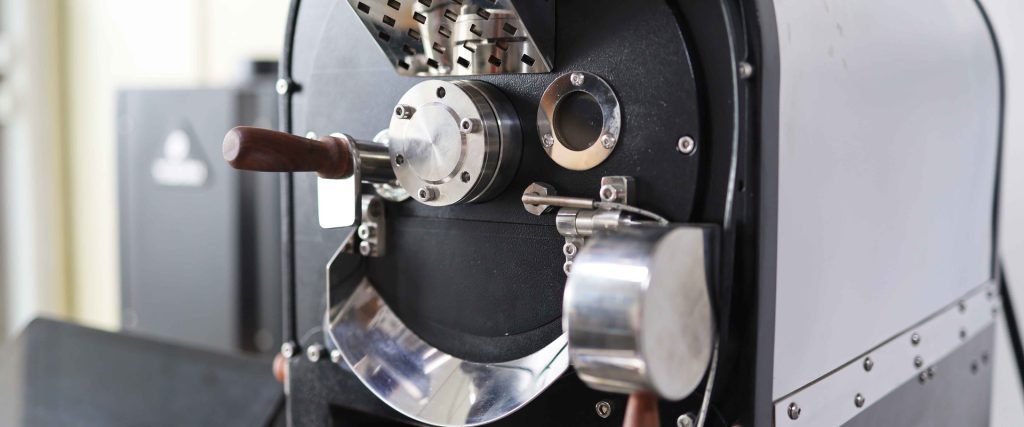
Coffee roaster commissioning day by day: the week-before checklist, uncrating, levelling, phase rotation, drum seasoning, instrument checks and the week-one break-in.
Buying a coffee roaster for Australia or New Zealand: 230 V circuits, RCM and gas approval, ISPM 15 and biosecurity, freight and GST, which capacity fits, and prices.
E61 espresso machine explained: what the E61 group head is, why buyers specify it, honest trade-offs against saturated groups, which parts are universal, wholesale sourcing.