
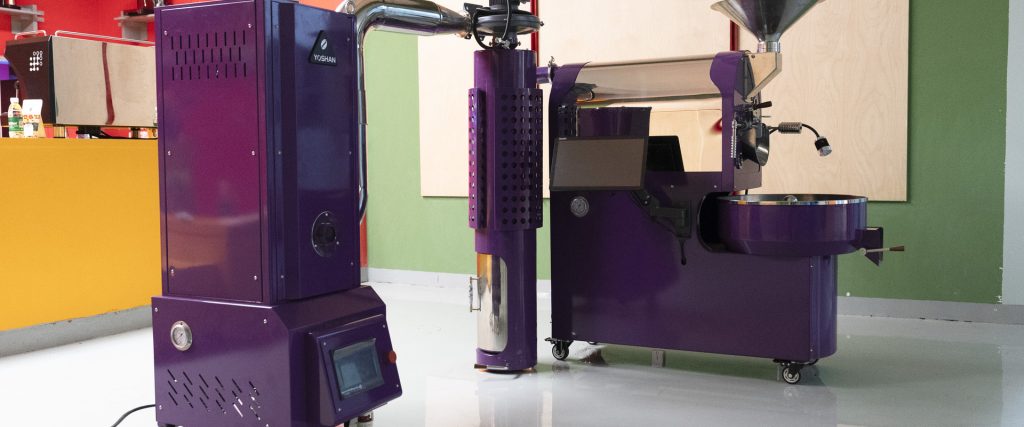
Torréfacteur de Café Professionnel : Voltage, Gaz et Capacité Avant d’Acheter
Guide du torréfacteur de café professionnel direct usine : 230 V, 110 V ou triphasé, gaz ou électrique, capacité selon votre volume hebdo, CE et livraison.
Guide du torréfacteur de café professionnel direct usine : 230 V, 110 V ou triphasé, gaz ou électrique, capacité selon votre volume hebdo, CE et livraison.
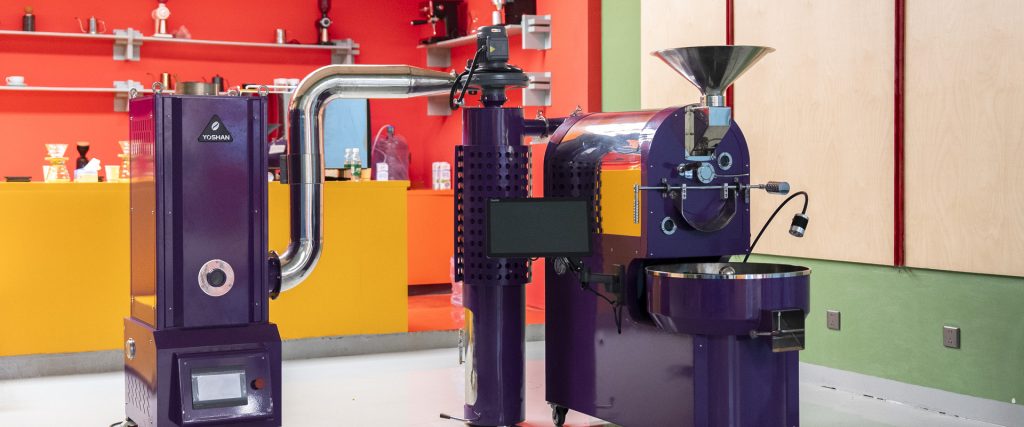
A coffee shop equipment list by store type — cart, neighbourhood cafe, cafe that roasts — what each needs, what to buy first, and how to ship it together.
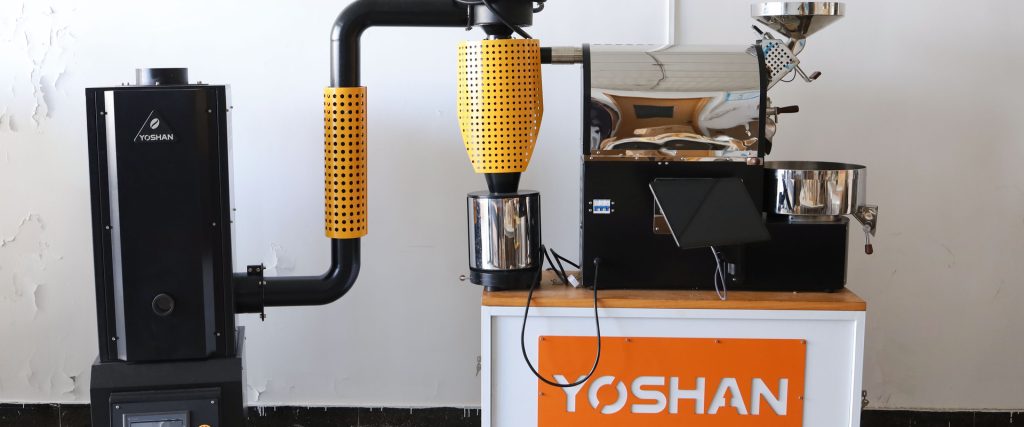
Coffee roaster fire safety: where roastery fires actually start, the routine that stops about 95% of them, the first 60 seconds of a drum or chaff fire, what the machine adds.
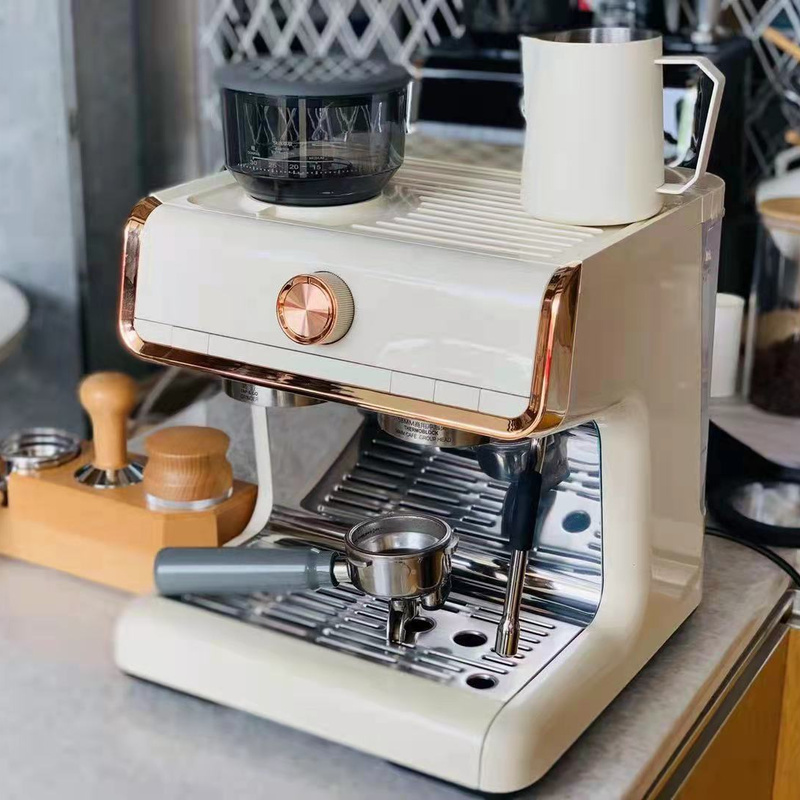
Cómo elegir una máquina de café espresso comercial: grupos por hora pico, HX o doble caldera, 110 V/220 V en América Latina, el molino, lo que cuesta alrededor y precios.
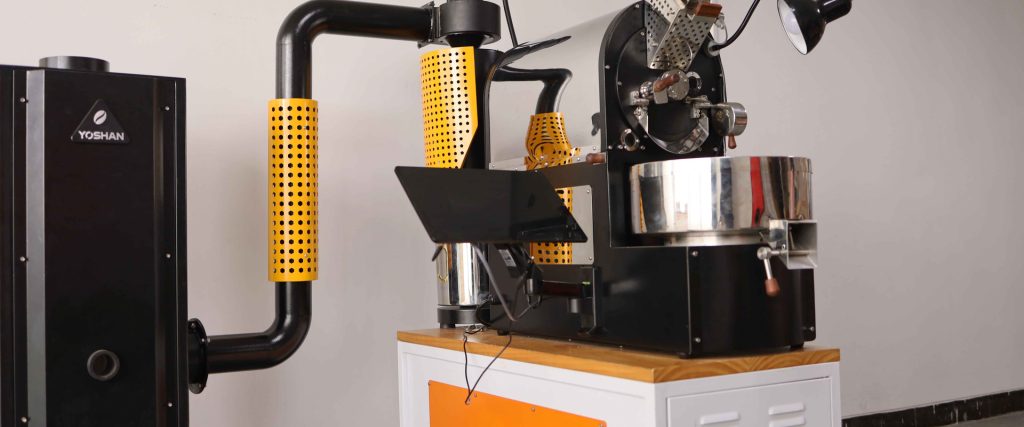
Buying a commercial coffee roaster in Canada: 120/208/240V and 60 Hz builds, why CE is not the Canadian standard, field evaluation, gas, venting and freight.
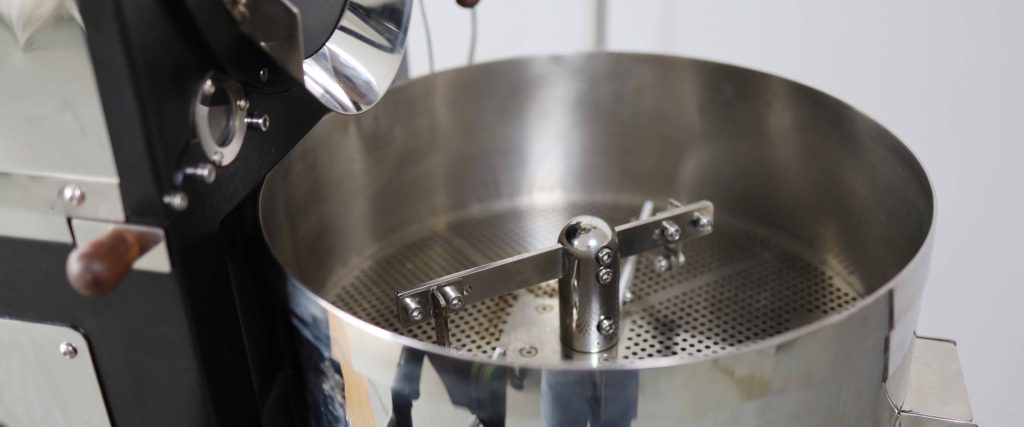
Coffee roaster running costs by machine size: LPG per hour, electricity, heating cost per kilo of green, the yearly consumables budget, and what an afterburner adds.
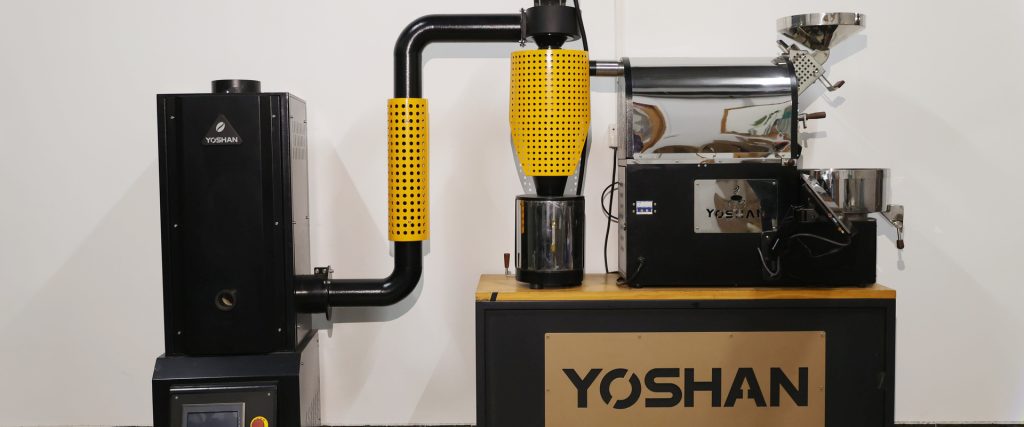
Buying a coffee roaster in Malaysia, Indonesia or Thailand: 230 V/50 Hz, LPG, which machine for robusta, wet-hulled and kopi-o, 5–12 day freight, Form E and prices.
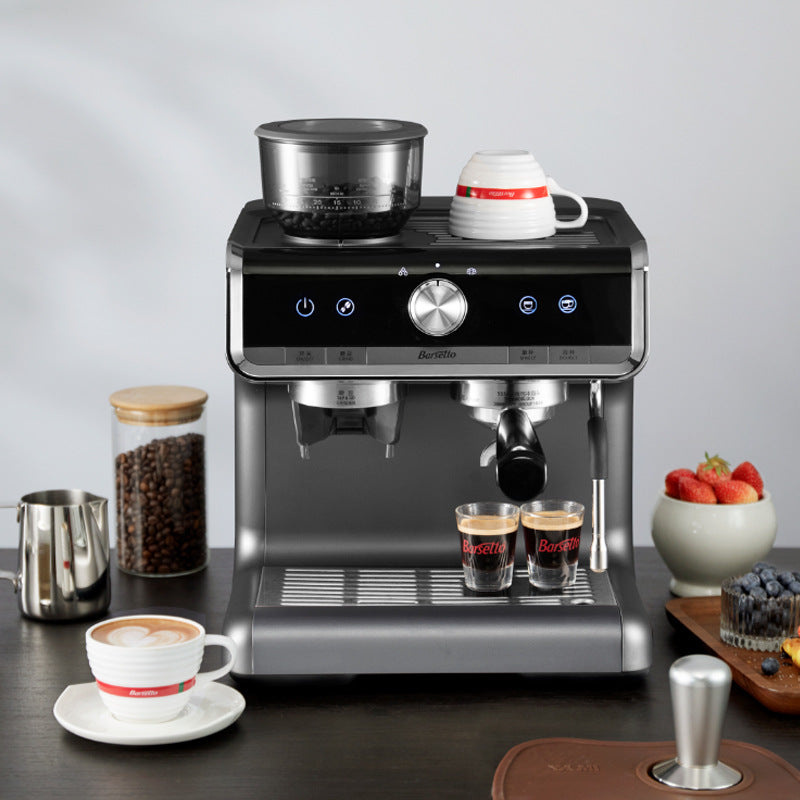
Commercial espresso machine voltage and power requirements: voltage, phase and amperage, power by group count, a country-by-country plug and voltage table, tank vs plumbed.
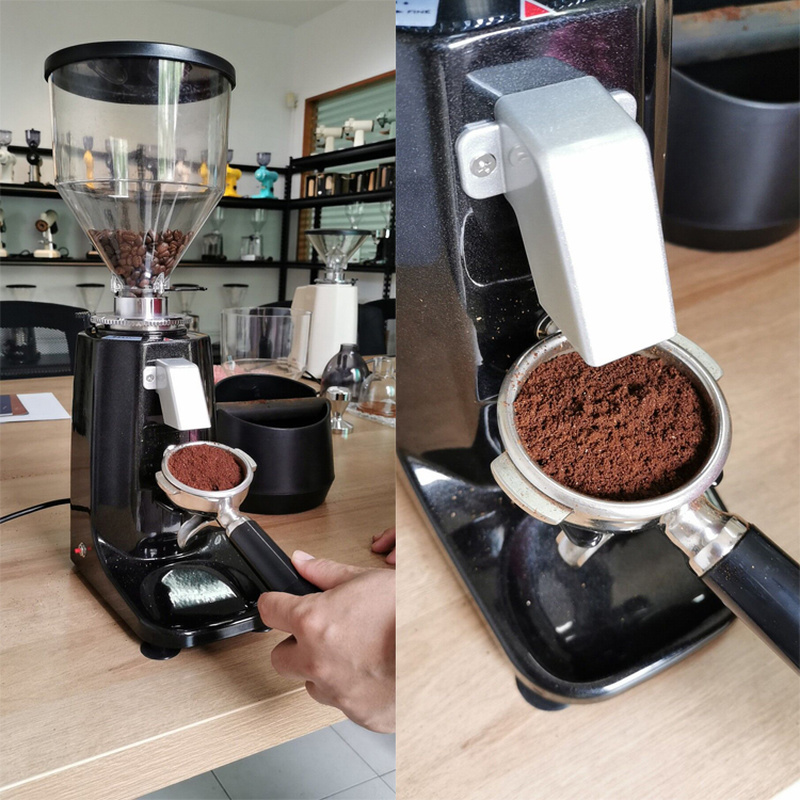
Cómo elegir un molino de café comercial: fresas planas o cónicas y qué hacen en la taza, tamaño por hora pico, 110 V/220 V y 50/60 Hz, checklist mayorista y precios.
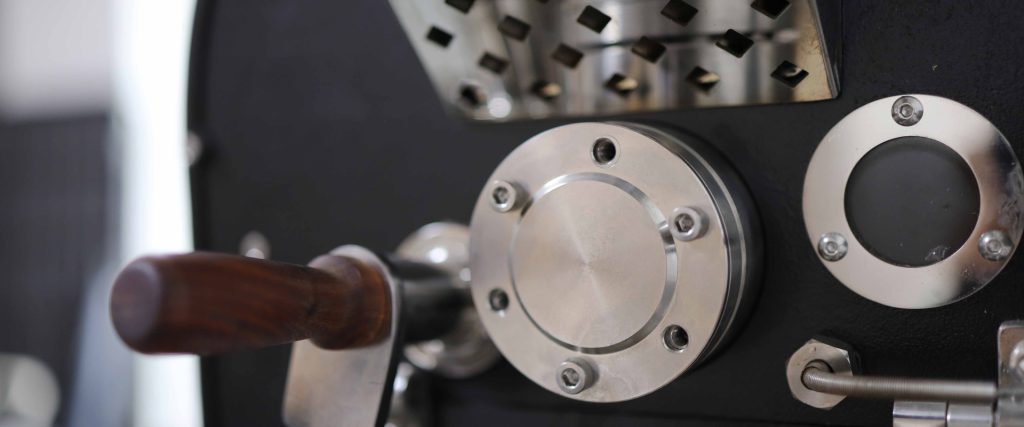
What after-sales support on an imported coffee roaster actually looks like — four real cases — and the seven things to write into your order before paying.