
A commercial espresso machine is a 45–55 kg box of copper, steel and water that was never meant to travel, and four situations make it: the café moves, the machine goes to an event, it goes back for repair, or a new one arrives in a crate. Each needs different draining, packing and recommissioning, so how to move a commercial espresso machine safely depends on which of the four you are in. This guide takes the four in turn, with the freeze risk nobody insures against and the unboxing sequence for an imported machine.
What is at stake inside the machine
Two things travel badly. Water. A two-group machine holds several litres in its boilers and lines; tipped, that water finds the electronics; frozen in an aircraft hold or a winter truck, it expands and splits boilers, heat exchangers and fittings. Freeze damage is excluded from manufacturers' warranties and from most transit insurance — the drain is the owner's responsibility. Alignment. Group heads, gauges, wands and the pump are mounted to a frame that was set up level; a drop or a heavy vibration puts them out, which is why a moved machine is recommissioned, not just plugged in.
Situation 1 — relocating the café
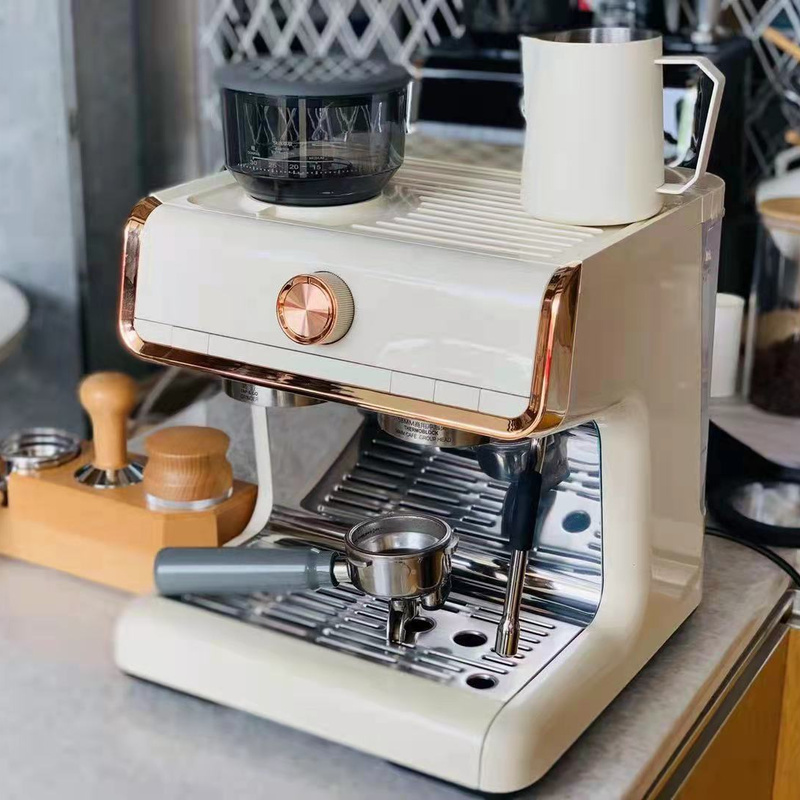
Full procedure, in order.
- Cool completely — an hour or more after switching off — and isolate power and water.
- Backflush each group with detergent so oils are not left to set during the move.
- Drain the boilers. On a dual-boiler machine, both: with the machine still warm enough to push water but safe to handle, close the inlet, and run the hot-water tap and a brew cycle until flow stops; on machines with a drain plug or valve at the boiler base, open it over a container. Break the vacuum — remove or loosen the anti-vacuum valve, or open a steam wand — or the boiler will hold water against the drain. Heat-exchanger machines need the brew group flushed repeatedly as the machine cools to empty the exchanger tube.
- Disconnect the inlet line, drain hose and power lead; remove portafilters, drip tray, trays and any hopper.
- Dry the machine's exterior and let the interior stand open for a few hours.
- Pack: original packaging if you still have it; otherwise a rigid box or crate with 50 mm of foam on every face, the machine strapped to a pallet base, upright, marked this way up. Wands and gauges are the parts that snap.
- Move on an appliance dolly with a rated capacity above the machine's weight, two people, never by the wands or the group heads.
- Reinstall: level on the bench, connect water through a regulator and filter, connect power on the dedicated circuit, fill and heat, purge air, then recommission — the bench and services checklist is in commercial espresso machine installation requirements.
- Recalibrate: blind-basket brew pressure, steam-boiler pressure against the manual, shot timing on the house coffee. The pressure checks are in espresso brew pressure explained.
Situation 2 — taking the machine to an event
Short distance, same day, upright in a van: the machine can travel with its boilers full, cold, strapped so it cannot tip, and set up on arrival with fresh water through a filter. The risks are tipping and vibration, not freezing. The better answer for a café that does this often is a second, tank-fed machine built to be carried — the case in tank vs plumbed espresso machines and the full set-up in espresso machines for coffee carts and food trucks.
Situation 3 — sending the machine for repair or resale
The full drain, with the vacuum broken, is not optional: couriers route through cold holds and depots, and a boiler with water in it may arrive split. Original or equivalent packaging, upright, foam on every face, and a note inside listing the fault, the serial number and a contact. Photograph the machine packed and the crate sealed — the photographs are what a transit-damage claim turns on. Declare the value on the shipping documents; the default carrier liability is a fraction of a machine's worth.
Situation 4 — a new machine arriving in a crate
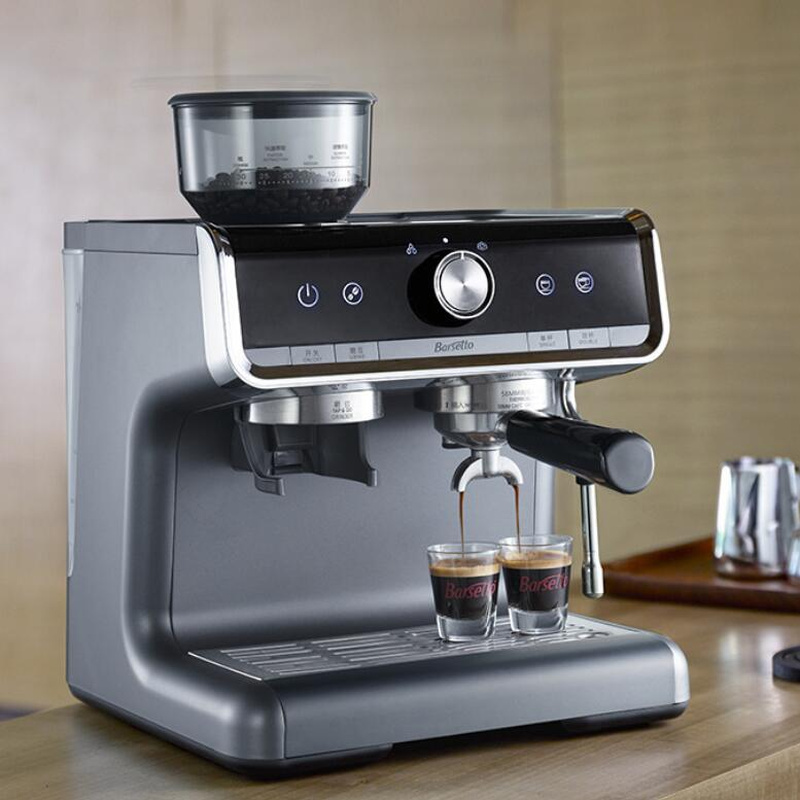
The reverse procedure, and the one where the importer's questions land. Our machines ship from stock within 7–15 working days of order, in plywood crates — the two-group YS-Tank, for example, in a crate of about 105 × 85 × 72 cm at 75 kg gross for a 50 kg machine — and arrive on a pallet or by courier depending on the route.
- Before opening: photograph the crate on all sides; note any damage on the delivery receipt before signing. A damaged crate signed clean is a claim lost.
- Open and check against the packing list: machine, portafilters, baskets, blind basket, tamper, brush, inlet hose, drain hose, manual. The YS-Tank's list, for instance, includes single and double portafilters, baskets, tamper, silicone mat, brush and the water and drain hoses.
- Inspect gauges, wands, panels and feet; note the serial number and nameplate voltage and photograph both.
- Confirm the electrical supply matches the nameplate — voltage, frequency and the circuit rating — before connecting anything. The machines we supply are built for 220–240 V; a two-group at 4.2 kW needs its own circuit of 20 A or more. This is the step that most often goes wrong on an import, which is why we ask for the destination country's supply at quotation.
- Connect water through a pressure regulator and filter for a plumbed machine, or fill the tank with filtered water of moderate hardness for a tank machine — never distilled or reverse-osmosis water alone.
- First fill and heat: switch on, let the boiler fill (the level indicator confirms), purge air by running the hot-water tap and each group until flow is steady, and let the machine reach temperature. Expect the anti-vacuum valve to hiss for a few minutes during the first heat; that is normal, as explained in espresso machine safety valve and anti-vacuum valve.
- Flush several litres through each group and the hot-water tap before the first coffee.
- Check pressures: blind-basket brew pressure and steam gauge against the manual's figures.
- Keep the crate for at least the first weeks — it is the packaging for any return — and file the packing list and photographs with the invoice.
Anything not as expected at steps 2–3 is reported to us with the photographs before the machine is powered; within the first year, parts failing without human damage are replaced and sent by air express at our cost, and 24/7 lifetime phone and online technical support covers the commissioning questions. The full purchase sequence around this — voltage, payment, shipping, customs — is in importing commercial espresso machines from China.
Storage between uses
A machine stored more than a few weeks is drained as for shipping, left with the boiler open to air, and kept above freezing. On return to service it is filled, heated, flushed and pressure-checked exactly as a new machine.
FAQ
How do you drain an espresso machine boiler for shipping?
Cool and isolate the machine, close the inlet, and run the hot-water tap and brew cycle until flow stops or open the boiler drain over a container; break the vacuum by loosening the anti-vacuum valve or opening a steam wand so the boiler empties fully. Dual-boiler machines need both boilers drained; heat-exchanger machines need the group flushed repeatedly to empty the exchanger.
Can an espresso machine be moved with water in it?
Short, same-day moves upright in a van, cold and strapped, are usually fine. Any shipment by courier, air or over several days must be drained: water can reach the electronics if the machine tips and will split boilers and fittings if it freezes, and freeze damage is not covered by warranty or transit insurance.
Do I need the original packaging to ship an espresso machine?
It is the best option. Failing that, a rigid crate or double-wall box with about 50 mm of foam on every face, the machine upright and strapped to a base, with wands and gauges protected. Photograph the packed machine and declare its value on the shipping documents.
Does a moved espresso machine need recalibrating?
Yes. Level it on the new bench, then check blind-basket brew pressure and steam pressure against the manual and re-dial shots on the house coffee. Vibration and handling shift settings and alignment even when nothing looks wrong.
What should I check when a new espresso machine arrives?
Photograph the crate before opening and note damage on the receipt; check contents against the packing list; record the serial number and nameplate voltage; confirm the supply and circuit match before connecting; fill, heat, purge air and flush; then check brew and steam pressures against the manual.
Can I use distilled water to fill a machine after moving?
No. Distilled or reverse-osmosis water alone is corrosive to boilers and can stop the level probe registering, so the boiler over-fills. Use filtered water of moderate hardness through a regulator and filter, or in the tank with a softener cartridge where water is hard.
Final Thoughts
Drain and break the vacuum for any shipment, pack upright with foam on every face, level and recalibrate on arrival, and unbox an imported machine with the camera before the screwdriver. As a wholesale supplier of commercial coffee machines, we ship the YS-3120 and its stablemates crated from stock, built to your supply, with remote commissioning support.
Get a quote or message Leon on WhatsApp at +86 184 0771 4607.
Get a Quote → WhatsApp +86 184 0771 4607Last updated: September 23, 2026