
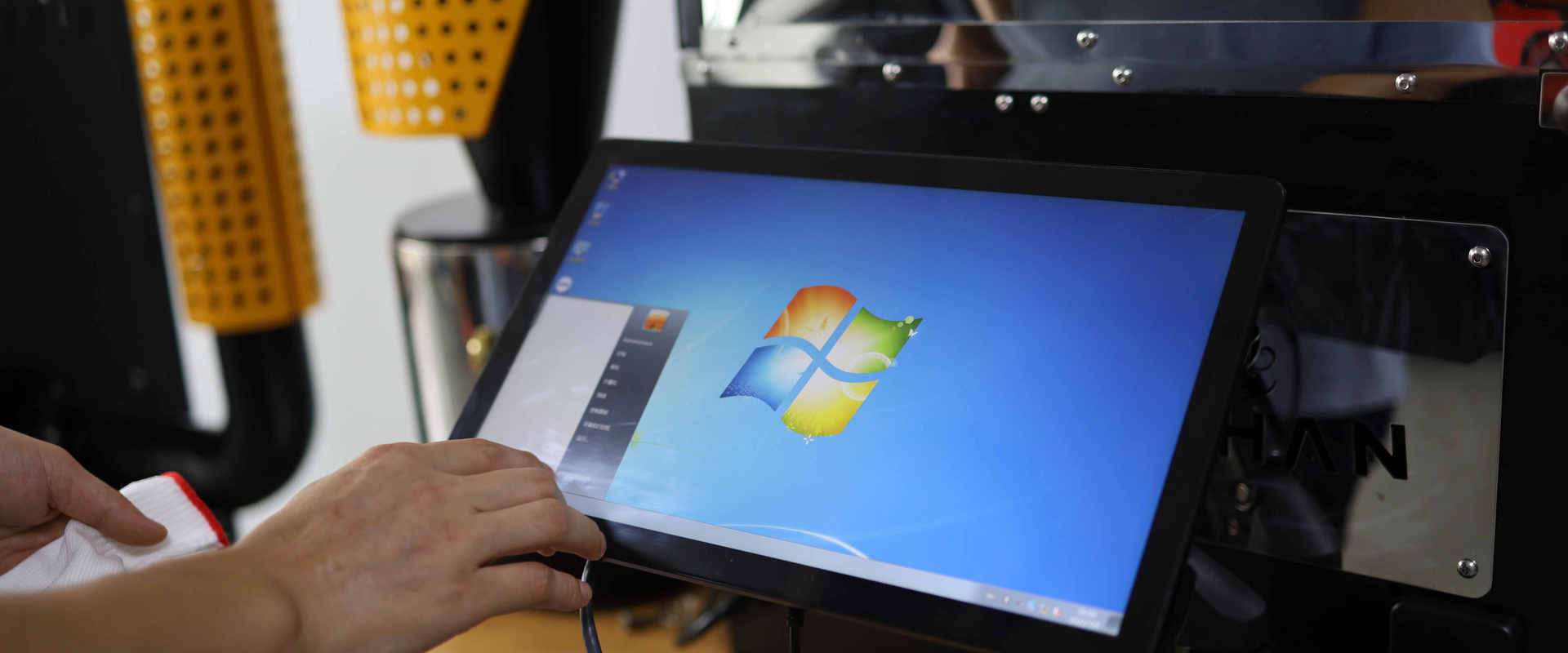
Ask a production roaster what happens through a long day and most admit the same thing: the afternoon roasts run faster. Same coffee, same settings, shorter times, earlier first crack. The machine is holding more heat than it did in the morning, and nobody reset it. The routine that resets it — the between-batch protocol — is the biggest lever for consistency on a drum roaster. This guide explains it, gives a template, and shows how to set it.
The problem: the roaster is a heat store
A drum roaster is a large mass of iron and steel. Every batch pours heat into that mass, and only some of it leaves with the coffee. The drum wall, the front plate, the drum shaft, the housing around the burner — all of it is warmer after batch six than after batch one, and a warmer machine delivers more heat into the next charge whether the burner is asked to or not.
So a roast with identical gas and airflow settings does not receive identical heat. It receives whatever the burner gives plus whatever the machine has stored, and the stored part grows through the day. The result is batches that run progressively faster, hit first crack earlier and, if the operator drops at a fixed temperature, come out with less development each time.
Operators compensate by feel: a little less gas this batch, a slightly cooler charge on the next. That works for one skilled person and fails for everyone else — and it makes the roast log useless, because every batch was roasted differently on purpose. The between-batch protocol replaces compensation with a reset.
What a between-batch protocol is
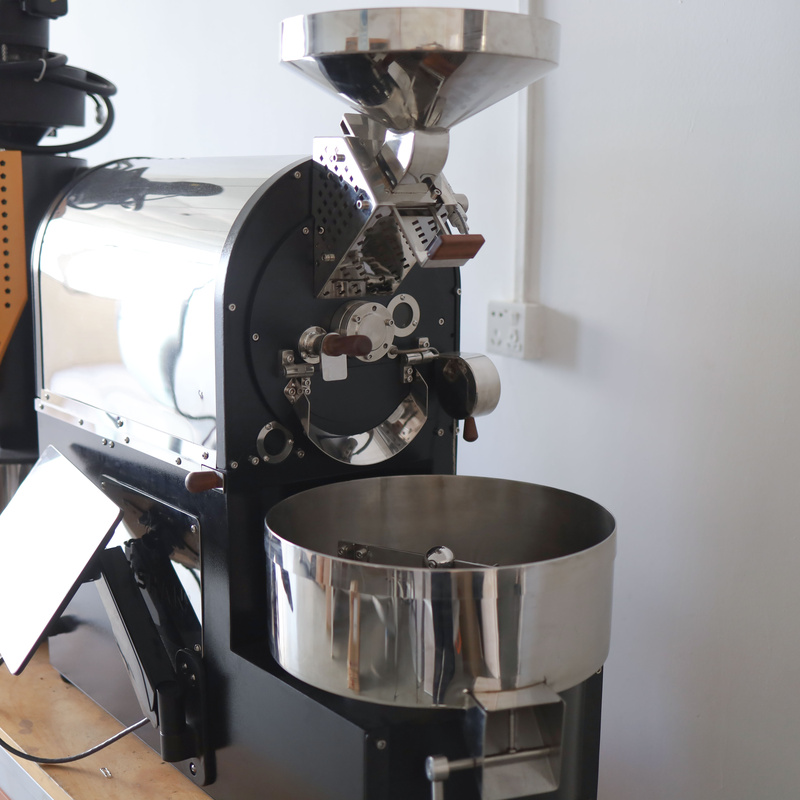
A between-batch protocol (often shortened to BBP) is a fixed sequence of actions performed between dropping one batch and charging the next, designed to bring the machine to the same thermal state every time. When it works, each batch starts from the same place, the same profile produces the same result, and the log becomes a record you can trust.
It has two aims, and it is worth keeping them separate:
- Reset the stored energy. Bring the drum and its surroundings back to a defined temperature — not just the bean probe, which recovers quickly, but the mass behind it, which does not.
- Prevent creep. Stop the machine from getting a little hotter with every batch, so batch twelve starts where batch two did.
The protocol is not a fixed number of minutes. It is a sequence with a defined end state, and the time it takes will vary with how hot the machine has become.
A template to start from
Every machine needs its own values, but the shape of a working protocol is the same. Here is one to adapt.
- Drop the batch. Cooling begins.
- Set the between-batch gas and airflow. Typically a low gas setting and a fairly open damper, so the drum cools a little while the air keeps moving.
- Let the machine cool to a defined low point. Read bean temperature and exhaust temperature both. A common approach is to let BT fall to a set value below charge temperature — enough that the drum wall genuinely sheds heat, not just the probe.
- Bring it back up. Raise gas to a defined setting and let the machine climb to the charge temperature.
- Hold. Sit at charge temperature for a defined interval — commonly a minute or two — with the same gas and airflow every time, so the drum wall and the air equalise.
- Charge when both probes read their target and the hold has elapsed.
The important features are the cool-down before the climb — a machine that is only allowed to climb never sheds the stored heat — and the hold at the top, which lets the mass behind the probe catch up to the probe. Both are what casual "wait until it reads 200 °C" routines lack. Reading both probes is the subject of bean temperature vs exhaust temperature.
Setting the values on your machine
The numbers in the template come from an afternoon of testing, not from another roastery.
Find the drift first. Roast six or eight batches of the same coffee back to back with a naive routine — charge when the bean probe reads charge temperature — and log every batch. You will see the times shorten. That is your baseline problem.
Then test protocols. Change one variable at a time: how far you let the machine cool between batches, how long you hold at the top, what gas setting you use during the climb. For each candidate, roast a run of batches and compare the curves — time to first crack is the simplest single measure. The protocol that produces the flattest set of curves across a run is your protocol.
Then write it down. The reason protocols fail in production is not that they are wrong; it is that they are in one person's head. Put the sequence and its values on the wall beside the machine, with the target readings for both probes, and make it the definition of "ready to charge" for everyone who roasts.
Different drums need different protocols. A light stainless drum sheds heat quickly, so its protocol is short and the cool-down modest. A heavy cast iron drum — our SD series, and the double-wall drums on the SD Pro — stores far more heat, so its protocol is longer, but once set it is more stable, because the mass resists small disturbances. That trade is discussed in cast iron vs stainless steel drums.
Why automation depends on it
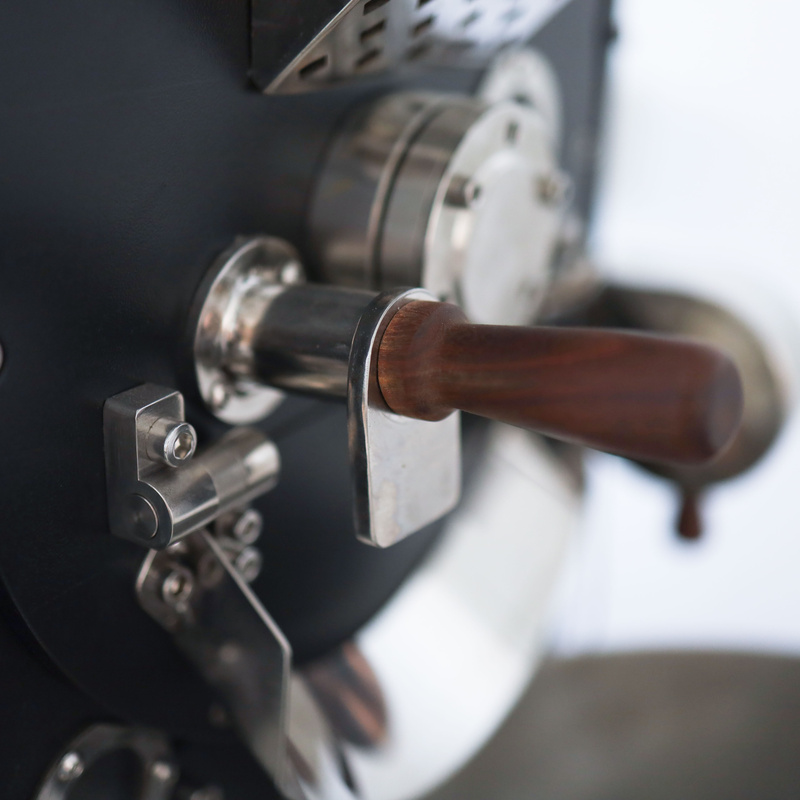
This is the point most buyers of automatic roasters miss. A PLC replaying a stored profile reproduces the gas, airflow and drum speed exactly. It does not reproduce the machine's thermal state at charge, because it cannot — that state was set by whatever happened before the charge. Replay a perfect profile into a machine that is 15 degrees hotter in its mass than when the profile was recorded, and you get a faster roast, exactly as a manual operator would.
So an automatic roaster without a between-batch protocol is a very consistent way of producing inconsistent coffee. With a protocol — ideally one the machine itself executes between batches, which our SD Pro's profile system can be set to do — the replay starts from the same point every time and the automation delivers what it promises. The full picture is in manual, semi-automatic or fully automatic coffee roasters.
The protocol and your production plan
A protocol costs time between batches, and on a busy day that time is tempting to cut. Resist it, and instead plan around it: the interval is part of the machine's real cycle time, and it should be in the throughput calculation from the start rather than discovered as a shortfall. Our batch size guide covers how to turn cycle time into weekly output.
Two other things interact with it. The first batch of the day needs a proper preheat, not just a protocol — see preheating a commercial coffee roaster. And a change of batch size, coffee density or roast degree part-way through the day may need its own protocol variant, because a dark roast leaves more heat in the drum than a light one.
FAQ
What is a between-batch protocol in coffee roasting?
A fixed routine performed between dropping one batch and charging the next, designed to return the roaster to the same thermal state each time. It usually involves a controlled cool-down, a climb back to charge temperature at a set gas level, and a hold, so successive batches start from an identical machine.
Why do my roasts get faster during the day?
Because the drum and the metal around it store heat from every batch, and a hotter machine delivers extra heat into the next charge regardless of the gas setting. Without a routine that sheds that stored heat between batches, each roast starts slightly hotter and runs slightly faster than the last.
How long should the gap between batches be?
As long as the protocol takes to reach its end state, which varies with how hot the machine is and how heavy the drum. Light stainless drums recover in a couple of minutes; heavy cast iron drums take longer. Define the end state by probe readings and a hold time, not by the clock alone.
Does a between-batch protocol work on an automatic roaster?
It is essential on one. Profile replay reproduces gas and airflow exactly, but not the machine's starting temperature, so without a protocol the replayed profile runs faster as the day goes on. PLC machines that can execute the protocol automatically between batches deliver the consistency automation is bought for.
Should I use the same protocol for every coffee?
Use the same protocol as a base, but expect variants. A dark roast leaves more heat in the drum than a light one; a large batch more than a small one. If you switch roast degree or batch size mid-day, a slightly longer cool-down keeps the next batch on the same footing.
Is the bean probe enough to judge when the machine is ready?
No. The bean probe recovers quickly because it is small; the drum mass behind it does not. Judge readiness by both bean and exhaust temperature reaching their targets and by a hold interval at the top, so the mass has caught up with the probe.
How do I know my protocol is working?
Roast a run of eight or ten batches of one coffee back to back and compare time to first crack. If the times cluster within a few seconds and the curves overlay, the protocol is doing its job. If they trend shorter through the run, the cool-down or the hold needs lengthening.
Final Thoughts
Batches drift because the machine stores heat; the between-batch protocol resets it. Test the values on your own roaster, write them on the wall, and make them the definition of ready. On our SD Pro fully automatic roasters the protocol can run as part of the profile itself; on the YS series both probes are on the screen to judge it by. Ask us about the drum and control level that fits your production.
Request a factory-direct quote or message us on WhatsApp at +86 184 0771 4607.
Get a Quote → WhatsApp +86 184 0771 4607Last updated: September 17, 2026
Pingback: Roasting Coffee in Hot, Humid or High-Altitude Climates
Pingback: Coffee Degassing Before Packaging: A Roastery Schedule
Pingback: Pre-Blend vs Post-Blend Roasting: The Production Arithmetic
Pingback: Preheating a Commercial Coffee Roaster: Time, Temperature, First Batch
Pingback: Training a Coffee Roaster Operator: A Six-Week Plan to Sign-Off