
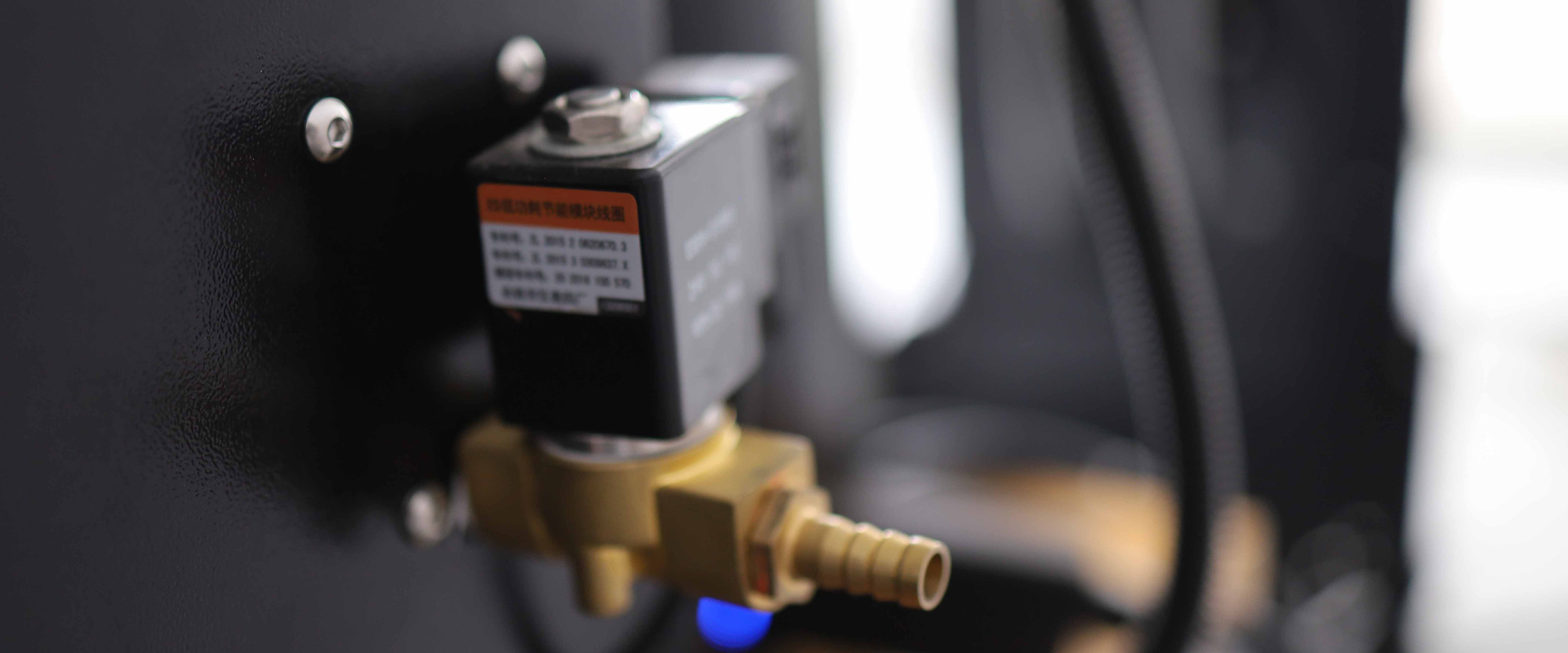
A gas roaster is built for one fuel. The burner, the jets, the regulator and the safety valve are all sized at the factory for either LPG or natural gas, and getting that choice wrong is one of the few mistakes that stops a machine from lighting on delivery day. This guide explains what actually differs between the two fuels, what to check at your site, and what a switch involves.
The fuels are different; the roast is not
Natural gas is mostly methane and arrives through a pipe. LPG — propane, butane or a blend — arrives in cylinders or a bulk tank as a liquid and turns into gas as it leaves. Per cubic metre, LPG carries roughly two and a half times the energy of natural gas, which is why the two fuels need different jet sizes and pressures to deliver the same heat to the drum.
Once the burner is matched to its fuel, the drum does not know the difference. A correctly jetted natural gas roaster and a correctly jetted LPG roaster of the same model deliver the same rated heat, run the same profiles and produce the same coffee. Anyone who tells you one fuel roasts "better" is describing a badly set-up machine, not the fuel.
So the decision is not about flavour. It is about what your building can supply, at what pressure, and at what running cost. That order matters: supply first, pressure second, cost third, and only then the machine.
Question one: what does the site actually have?
Start at the wall, not at the catalogue.
If the building has a natural gas connection, that is normally the fuel to build around. Supply is continuous, nobody changes cylinders, and running cost per unit of heat is usually lower. The catch is pressure and capacity, covered next.
If it does not, LPG is the practical route. You will need cylinder or tank storage in a ventilated position that meets local rules, a delivery contract, and a changeover system so roasting does not stop mid-batch when a cylinder empties. Bulk tanks make sense once weekly consumption gets into the hundreds of kilograms.
If the building has natural gas but the roaster will be far from the meter, treat the run length as a design item. Long, undersized pipe drops pressure exactly when the burner is at full fire, which shows up as a machine that reaches charge temperature slowly and loses heat during first crack.
Question two: can the supply hold the pressure?
This is the check that gets skipped, and it is the one we ask every natural gas customer to confirm before we build the burner.
A roaster's burner is designed for a specific inlet pressure. Domestic and light-commercial natural gas is often delivered at low pressure, and in some buildings the pressure at the appliance drops further under load. For our smaller natural-gas roasters we ask for a confirmed supply of at least 3 kPa at the connection point. If the building cannot deliver that, the fix belongs to the utility company or a gas fitter — a regulator, a larger meter, a bigger pipe — and it can take weeks. Discovering it after the machine has shipped is expensive.
LPG behaves differently. Cylinder pressure is high and is brought down through a regulator to the burner's design pressure, so the usual problems are the opposite: an undersized regulator, or a cylinder that cannot vaporise fast enough to feed a large burner in cold weather. Larger LPG installations solve the second problem with a vaporiser or a bulk tank with enough surface area.
Either way, ask the gas fitter for one number in writing: the pressure available at the roaster's inlet, at full flow. Then give us that number with the order.
What each fuel actually consumes, by roaster size
Published consumption figures are more useful than tariffs, because tariffs change by country and consumption does not. These are the rated figures for our gas-fired drum roasters, running at full burner:
| Roaster | Natural gas | LPG |
|---|---|---|
| YS-6 kg | 1.9 m³/h | 0.68 m³/h |
| YS-12 kg / YS-15 kg | 4.0 m³/h | 1.4 m³/h |
| SD-15 kg Pro | 4.0 m³/h | 1.5 kg/h |
| SD-30 kg Pro | 6.5 kg/h | 4.2 kg/h |
| SD-60 kg Pro | 11.7 kg/h | 7.6 kg/h |
| SD-120 kg Pro | 28 m³/h | 13 m³/h |
Two notes on reading it. First, the burner is not at full fire for the whole roast — real hourly use is typically well under the rated figure, and a machine roasting back-to-back with a good between-batch routine uses less per kilogram than one that cools down between batches. Second, LPG volume is smaller because each unit carries more energy; when comparing bills, convert both to energy (kWh or MJ) using your supplier's figures rather than comparing cubic metres.
To estimate a month: take the rated figure, multiply by your roasting hours, and reduce by a third to reflect modulation. Then price it with your local tariff. On a shop-scale machine the fuel line is small either way. On a 30 kg machine running two shifts, the difference between a cheap natural gas contract and delivered LPG can be a meaningful monthly amount — which is why a natural gas supply, where it exists, is worth the pressure work.
Switching fuels: what a conversion involves
Sometimes a roastery moves, or the building's gas supply changes. A conversion is usually possible, but it is a workshop job, not a setting.
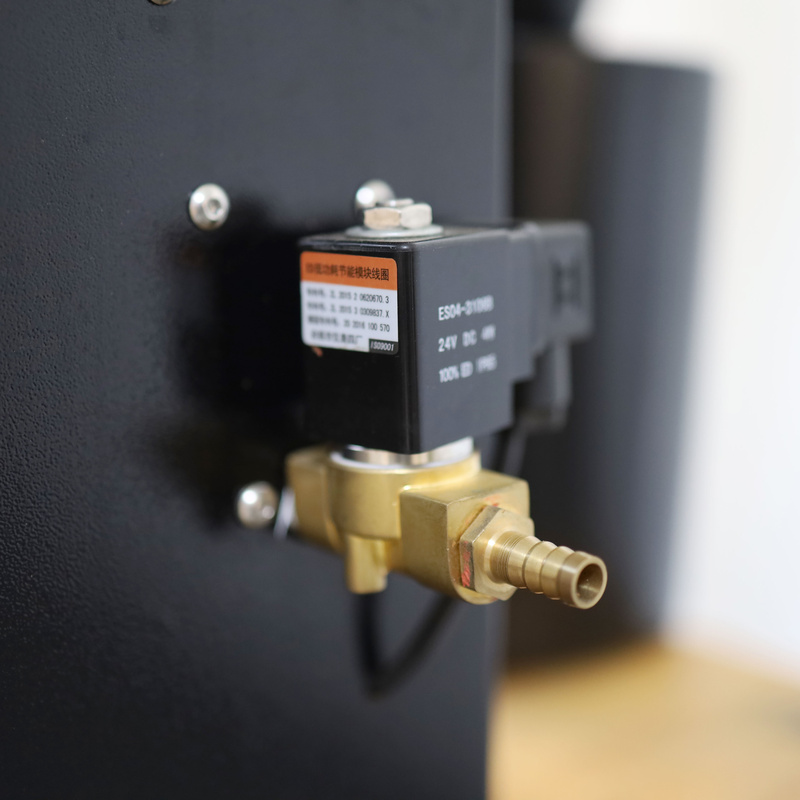
What changes: the burner jets or orifices, the regulator and its setting, often the gas valve, and the flame-supervision settings. What then needs redoing: the burner adjustment, the flame check, and the leak test — followed by a few test roasts, because a machine with a re-jetted burner will not follow its old profiles exactly.
Our advice is simple. Fix the fuel before the machine is built. Jets, valve and regulator cost almost nothing to specify correctly at the factory and a great deal to change on site, where you also lose the commissioning baseline. If there is a real chance your site will change within a year or two, tell us — we can advise which models convert most easily, but we would still build for the fuel you have today.
Electric heating, briefly
If neither gas is practical — some upper-floor sites, some landlords, some regions — electric heating removes the fuel question and replaces it with a power question. Our smaller machines are available with electric heating elements, and the larger ones run on three-phase supply. That comparison is covered in gas vs electric commercial coffee roasters, and the electrical side in our coffee roaster voltage guide.
What to confirm before you order a gas roaster
- Which fuel the site has today, and whether that could change.
- For natural gas: pressure at the roaster inlet at full flow, confirmed by a gas fitter — for our smaller machines, at least 3 kPa.
- For LPG: cylinder or tank storage position, changeover arrangement, and delivery contract.
- Pipe route and size from the meter or tank to the machine position.
- Local rules on gas appliances indoors — some authorities want a shut-off at the room entrance and an interlock with the extraction fan.
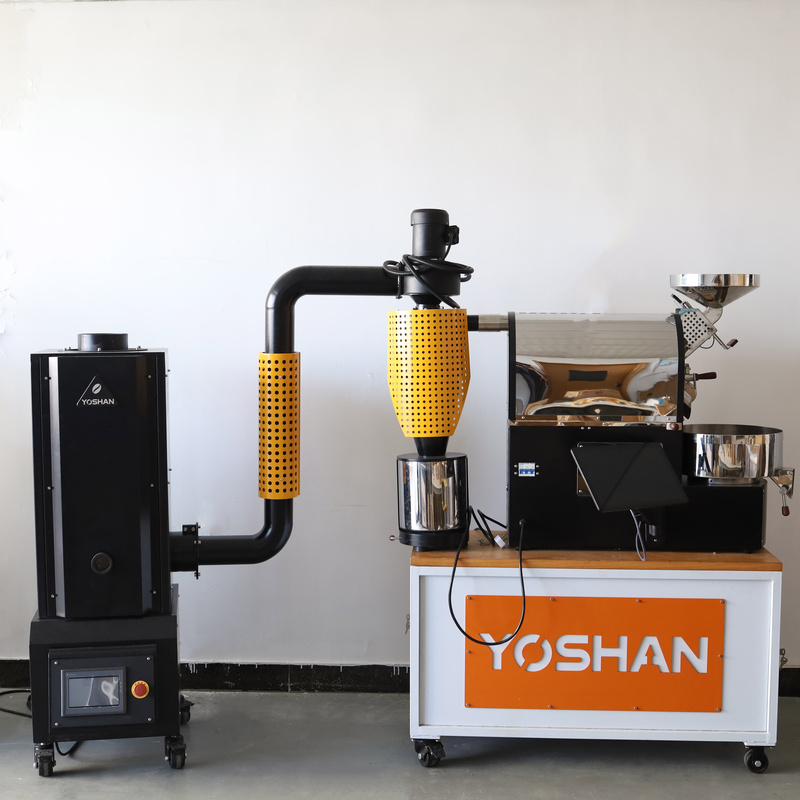
- Whether an afterburner is required, since it is a second gas appliance on the same supply. See the coffee roaster afterburner guide.
Send those answers with your enquiry and the burner will be right the first time.
FAQ
Does LPG or natural gas roast better coffee?
Neither. Once the burner is jetted and regulated for its fuel, both deliver the machine's rated heat and run identical profiles. Differences people notice usually come from a burner set up for the wrong fuel or a supply that cannot hold pressure at full fire, not from the gas itself.
Can I run a natural gas roaster on propane?
Not without conversion. The jets, regulator and often the gas valve are fuel-specific, and running LPG through natural gas jets over-fires the burner. Conversion is a workshop job followed by re-commissioning. Specify the correct fuel at order and the question never arises.
What gas pressure does a coffee roaster need?
It depends on the burner. For our smaller natural gas machines we ask the site to confirm at least 3 kPa at the inlet under load. LPG runs at higher cylinder pressure through a regulator set to the burner's design figure. Ask your gas fitter to measure available pressure at full flow.
How much gas does a 12 kg coffee roaster use per hour?
Our YS-12 is rated at about 4 m³/h of natural gas or 1.4 m³/h of LPG at full burner. Real use over a roasting day is lower, because the burner modulates through each batch. Multiply the rated figure by roasting hours and reduce by roughly a third for an estimate.
Do I need a vaporiser for an LPG roaster?
Only for larger burners. Small cylinders cannot release gas fast enough to feed a big burner, especially in cold conditions, so larger LPG installations use a bulk tank or a vaporiser. Shop-scale machines run from standard cylinders with a changeover valve.
Is natural gas cheaper to run than LPG?
Usually, per unit of energy, where a piped supply already exists. Convert both fuels to energy units before comparing, since LPG carries more energy per cubic metre. On small machines the difference is minor; on a production roaster running long shifts it can justify upgrading the gas supply.
Which fuel is safer indoors?
Both are safe with a correct installation: shut-off valves, leak testing, ventilation and flame supervision. The practical difference is that LPG is heavier than air and pools low if it leaks, so cylinder storage and floor-level ventilation get more attention. Follow local rules for the fuel you use.
Final Thoughts
Choose the fuel your site can supply at the right pressure, then order the roaster built for it. Every one of our gas machines — from the YS series to the SD series production roasters — is jetted and regulated at the factory for LPG or natural gas. Tell us which fuel you have and the pressure your gas fitter measured, and we will build the burner to match.
Request a factory-direct quote or message us on WhatsApp at +86 184 0771 4607.
Get a Quote → WhatsApp +86 184 0771 4607Last updated: September 22, 2026
Pingback: Coffee Roaster Safety Features Checklist Before Acceptance
Pingback: Parts of a Commercial Coffee Roaster: What Each Component Decides