
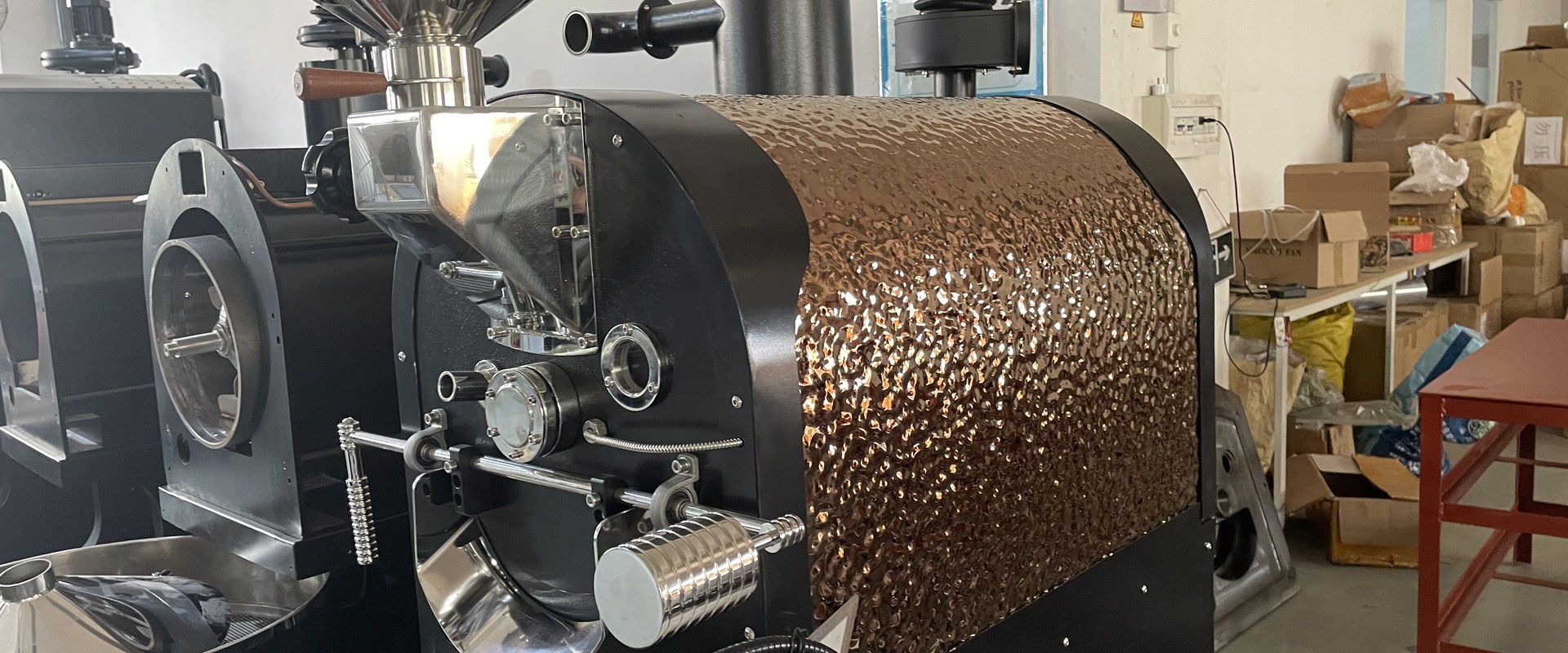
If you are about to buy a coffee roaster from China, the risk you are worried about is probably the wrong one. Machine quality is easy to check — a factory video and a spec sheet tell you most of it. What actually goes wrong for first-time importers is four things that were never written down before the deposit went out. Fix those four and the rest of the process is boring, which is what you want.
The Risk Is in What Is Not Written Down
Every bad import story we hear follows the same pattern: the machine was fine, but it arrived built for the wrong voltage, or the quote turned out not to include freight, or a part failed in month two and nobody had agreed who pays to ship the replacement.
None of those are quality problems. They are contract gaps. So before you ask "is this factory any good", ask "have I got these four things in writing".
1. Your Voltage, Phase, Frequency and Gas — On the Order
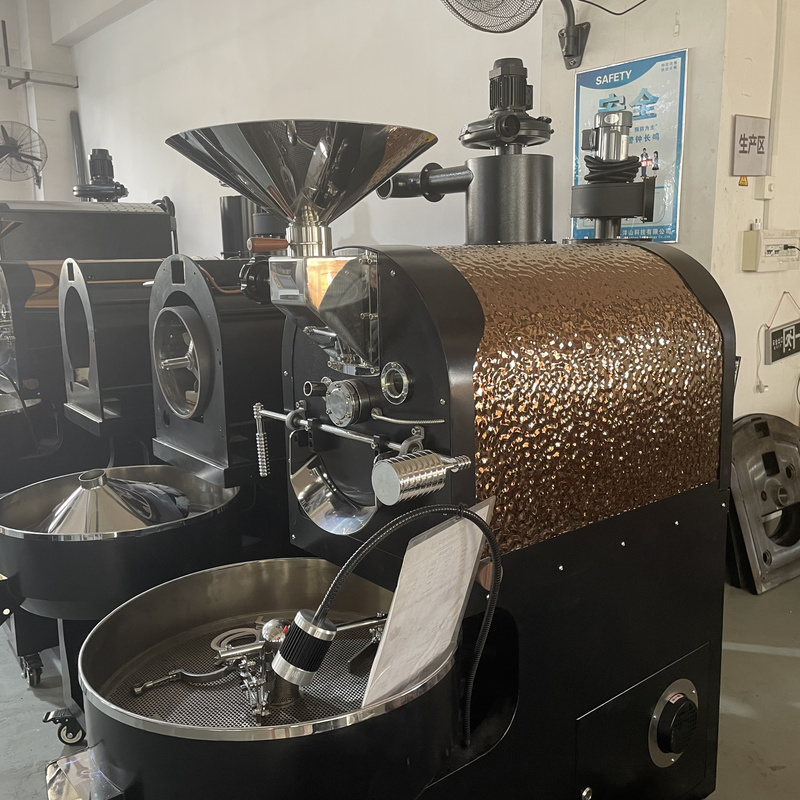
The single most common reason a machine arrives and does not start is that it was built for a supply the buyer does not have.
Go to your wall, or ask your electrician, and write down: voltage (110–120V, 220–240V or 380–400V), phase (single or three), frequency (50 or 60 Hz). Then write down your gas: bottled LPG or piped natural gas. Put all four on the purchase order, and make the supplier confirm the machine will be built to them.
Gas-heated drums up to 15 kg run on single-phase 220–240V — the electrical load is only motors and controls. Electric-heated machines need more, sometimes three phase. If you are in a 110V country, say so, because a transformer or a different build may be needed. The voltage guide shows what to check.
2. The Delivery Term and the Packing List
A price without a delivery term is not a price. EXW means the machine at the factory gate — you arrange everything from there. FOB means loaded onto the ship at the Chinese port. CIF means delivered to your port, insurance included. The same machine can differ by a third between EXW and CIF, and neither includes your customs duty or delivery from the port to your door.
Alongside the term, get the packing list: roaster, cooling tray, chaff cyclone, ducting (usually not), spares (usually not unless you ask). Assume nothing is in the crate until it is written down.
Whichever machine you order — a DY, an SD or a YS — our shipping guide walks through freight, port charges and the documents you need for clearance.
3. Payment Tied to a Test Video
A deposit on order and the balance before shipment is the standard practice in this trade. What you can add — and should — is a pre-shipment test roast video as the trigger for the balance: the machine running, on gas, with your voltage plate visible, roasting a batch. It costs the factory nothing to make and it is the closest thing to inspecting the machine yourself.
Ask for it in the quote stage. A manufacturer will say yes immediately. A middleman has to go and ask someone.
The One Purchase That Replaces a Factory Visit: Pre-Shipment Inspection
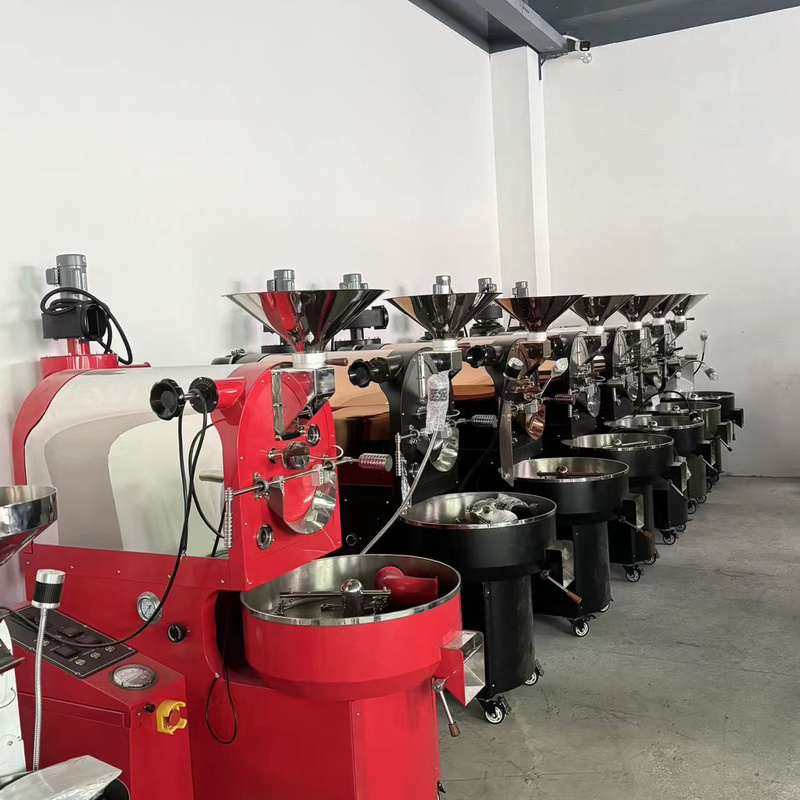
If the order is more than one machine, or one machine is a large part of your budget, spend a few hundred dollars on an independent pre-shipment inspection. Sourcing guides for every product category recommend it; for a roaster it is unusually effective, because the things that go wrong are visible and testable in an afternoon.
Give the inspector your order confirmation and this list:
- Nameplate against the order — model, voltage, phase, frequency, gas type and pressure, serial number.
- A live test roast with the inspector watching: burner lights, drum turns, airflow adjusts, cooling tray runs, controls respond, no leaks at the gas train.
- What is in the crate — cooling tray, cyclone, ducting, the spares kit, the manual and wiring diagram, the CE declaration — ticked against the packing list.
- Crating — machine strapped to the pallet, film wrapped, the export case closed with the photos taken.
- Colour and logo if you ordered a custom finish.
The report comes with photos the same day, and you release the balance against it instead of against the supplier's own video. We host third-party inspectors as a matter of course; a supplier who resists one is telling you what the inspector would have found.
4. Spares in the Crate, and Who Pays Freight Later
A roaster has a short list of parts that wear or fail: bearings, thermocouples (temperature sensors), a burner nozzle, belts, seals. Order a small kit of them with the machine — it rides in the same crate for almost nothing, and it means a failure in month four is a twenty-minute job for your local technician rather than a three-week wait.
Then agree, in writing, how warranty parts travel afterwards. The normal convention is: the supplier provides warranty parts free; if you want them by air courier you pay the freight; non-urgent parts ride free with the next sea shipment. Our after-sales support guide shows what that looks like in practice.
From Order to First Roast: What Actually Happens
- Specification. You send weekly volume, voltage/phase/frequency, gas type, destination port, colour or branding. We confirm the model and build. The small business sizing guide helps you get the volume right.
- Quote. Delivery term, packing list, lead time and warranty on the same page as the price.
- Deposit and build. Standard gas machines are quickest; custom colour and electric builds add weeks.
- Test video, balance, shipment. Machine crated in plastic film inside a wooden export case.
- Sea freight and clearance. Weeks, not days. Your customs agent clears it; we supply the documents. Duty depends on your country.
- Installation. Your electrician and gas fitter connect it. We walk you through first start-up and drum seasoning by video — the commissioning guide shows the steps.
Factory or Middleman: How to Tell in One Email
Ask for three things in your first email and watch what comes back:
- The spare parts kit as priced line items on the quote.
- A factory video of your model being built or tested — not a marketing reel.
- The CE declaration of conformity (if you are in Europe) with the model number on it.
A factory answers all three within a day, because it has them. A trading company has to go and ask. That speed difference tells you more than any "verified supplier" badge. If you want to see how we are set up, the factory tour shows the shop floor.
If Something Is Wrong When It Arrives
Photograph the crate before you open it and the nameplate as soon as you can see it. If there is damage, that photo plus the bill of lading is your insurance claim. If the machine will not start, a two-minute video of what it does — or does not do — lets us diagnose most problems the same day. In our experience the cause is nearly always a supply mismatch or a loose connection from transit, both fixable by your electrician on a call with us.
Frequently Asked Questions
Can I pay through a platform instead of a bank transfer?
Yes — for a first order many buyers use a platform-protected order so the payment sits in escrow until the machine is confirmed shipped, and we accept that. For repeat orders and lines a direct transfer against the test video is faster and cheaper. Whichever you use, the sequence is the same: deposit to start, video before the balance, and the packing photos before the container closes.
What is the one thing on the quote most first-time buyers misread?
The delivery term. An EXW figure looks cheaper than a CIF one and is the same machine with three costs removed — inland haulage, sea freight and insurance — that you then pay yourself. Compare quotes on one term, and read what is in the crate on each: a price that includes the cooling tray, cyclone, ducting and spares kit is not the same price as one that lists the roaster alone.
How do I handle a supplier who only answers on chat?
Move the four points that matter — voltage and gas, delivery term and inclusions, payment against video, spares and freight convention — from chat onto the order confirmation, and do not pay the deposit until they are on it. Chat is fine for photos and questions; the document is what you hold up if something arrives wrong. A supplier who will not put those four in writing has told you what you need to know.
Should I ask for references before I order?
Ask, but expect privacy: most factories, us included, do not hand out customer contacts unless the customer has chosen to be named. What you can ask for and check is better evidence — the business licence, a live call from the floor, documented support cases with names removed, and a test-roast video of a machine like yours. The factory tour page lists the checks that take twenty minutes.
What if my country has no direct sailing from China?
Your forwarder routes through a hub — Singapore, Colombo, Jebel Ali, Rotterdam — and the crate is transhipped, which adds a week or two and one more handling step, so marine insurance matters more. Ask for the routing and the transhipment port on the freight quote, and for a crate built for two handlings; we build every export case for that rather than for a direct lane.
Final Thoughts
Buying a coffee roaster from China is straightforward when voltage, delivery term, payment trigger and spares are on paper before the deposit. We have built roasters at our own factory since 1990 and shipped them to every market we serve, so we put all four on the quote as standard. Send us your supply details and your port and we will show you what that looks like. Get a factory-direct quote.
Get a Quote → WhatsApp +86 184 0771 4607Last updated: September 17, 2026
Pingback: Coffee Roaster After-Sales Support: Four Real Cases | Yoshan
Pingback: Shipping a Coffee Roaster from China: Landed Cost in 5 Lines | Yoshan