
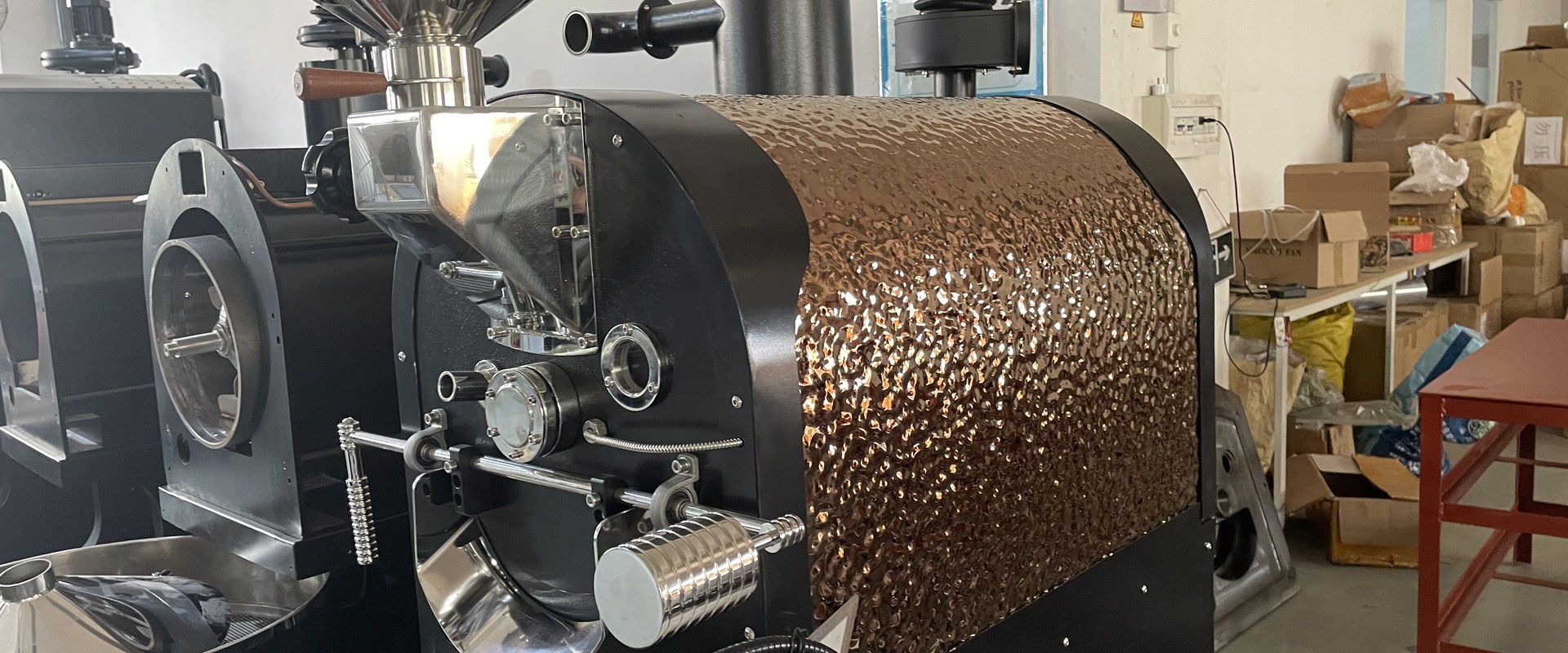
The machine has cleared customs and the truck is due. The next four hours decide whether the roaster reaches its footings undamaged or spends a week in the yard while somebody hires a forklift. Almost nothing is written about this stage because manufacturers assume a rigger handles it; most of our customers handle it themselves. This guide is the sequence we walk people through, with real crate weights, in the order things happen.
Before the truck arrives
Everything difficult about delivery day is avoidable the week before.
Know the crate. Ask the factory for the crate dimensions and gross weight before shipment — they are on the packing photos you should have received before paying the balance. For reference, some of ours:
| Machine | Crate (L × W × H) | Gross weight |
|---|---|---|
| SD-1.5 kg | 1300 × 490 × 960 mm | approx. 180 kg |
| SD-3 kg | crate dimensions on packing list | machine net weight 230 kg, plus crate |
| YS-6 kg | crate dimensions on packing list | machine net weight 600 kg, plus crate |
| YS-12 / YS-15 kg | crate dimensions on packing list | machine net weight 758 kg, plus crate |
A 1.5 kg roaster is a two-person job with a pallet truck; a 3 kg machine at 230 kg net wants four people or a pallet truck. A 12 kg roaster is a forklift job at the truck and a pallet truck and four people inside.
Measure the route, end to end. From where the truck will stop to where the machine will stand: kerb, threshold, every door, every turn, every slope. Compare each against the crate first and the uncrated machine second — the machine is narrower than the crate but taller once on its feet. Our layout guide covers machine dimensions; the door is the number to check them against.
Arrange the lift. A truck with a tail-lift can lower a pallet to the ground; a flatbed cannot, and needs a forklift on site or a truck with its own crane. Confirm which truck is coming. If you need a forklift for an hour, hire it for the morning — waiting for one is the most common cause of a machine spending a night outside.
Prepare the floor. Clear the route, protect finished floors with board where a pallet truck will run, and have the final position marked out on the floor with the flue connection point and gas or electrical point identified.
Have people and tools ready. Pallet truck, pry bar, hammer, cordless driver or saw for the crate, cutters for strapping, gloves, a camera. Four people for anything over 300 kg.
Step 1: inspect before signing
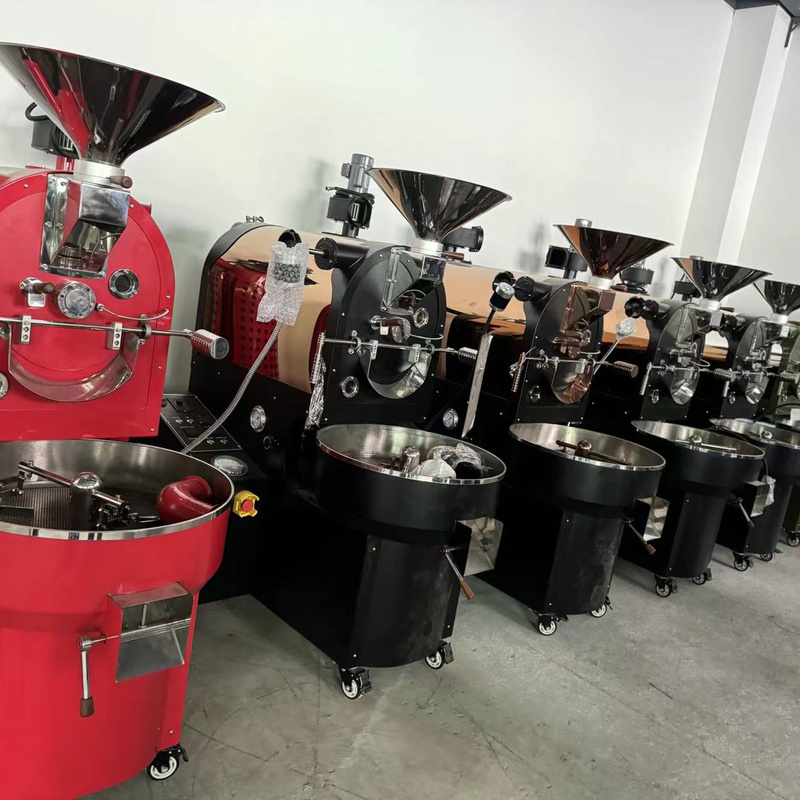
The delivery note you sign is the point at which transit damage becomes your problem instead of the carrier's. Inspect before signing, not after.
- Photograph the crate from all sides while it is still on the truck or tail-lift.
- Look for crushed corners, punctures, broken boards, tilted or wet marks, and any sign the crate has been dropped or lain on its side.
- Check the shock or tilt indicator if one is fitted.
- If anything is wrong, write it on the delivery note before signing — "crate damaged on left side, contents not yet inspected" — and photograph the note. That phrase preserves a claim; a clean signature ends it.
Then sign. Do not uncrate on the truck.
Step 2: get it to the ground, then to the door — still crated
The crate exists to protect the machine while it moves. Keep it on for as long as it fits.
Lower the pallet with the tail-lift or forklift onto a hard level surface. Move it to the building entrance on the pallet with a pallet truck; on rough ground, a forklift. Do not tip the crate to get it through a door, and do not drag it — a drum roaster's centre of gravity is high, and a crate on its side loads the drum shaft and the front plate in ways they were not built for.
If the crated size fits through the door and along the route, take it all the way to the final position before opening it. If it does not, the crate comes off at the threshold, on the ground floor, under cover.
Step 3: uncrate in the right order
Our machines ship in a wooden case over plastic film, on a base the machine is bolted or strapped to.
- Cut external strapping. Remove the lid first, then the sides — the sides usually come away as panels. Keep the base under the machine.
- Remove the film and locate the accessory boxes packed around the machine: tool kit, exhaust pipe section, gas fittings, cyclone parts if shipped separately, manual. Set them aside and check them against the packing list now, before anything is lost in the debris.
- Photograph the machine on its base. Check for shipping damage: bent trier, cracked sight glass, dented cyclone, loose panel, a control screen that has been knocked. Report anything within the day.
- Do not remove the machine from its base yet. The base is what the pallet truck lifts.
Step 4: through the door and into position
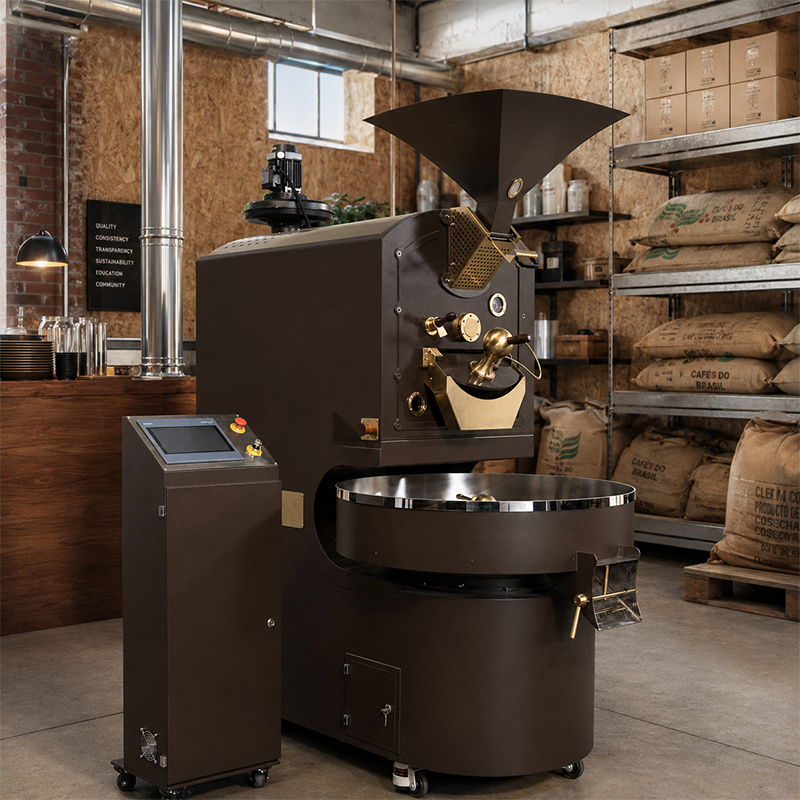
With the sides off, the machine on its shipping base is at its narrowest and lowest. Move it on the pallet truck along the protected route to the marked position.
Where a door or turn is still tight, look at what can come off without tools: the hopper, the cyclone on machines where it is separate, the cooling-tray guard, the trier. Do not remove panels that carry wiring. Ask us before removing anything not obviously designed to be removed — a five-minute call beats a rebuilt burner assembly.
At the position, the machine has to come off its base onto its feet or castors. For a machine under 300 kg, four people can lift each end in turn onto blocks, remove the base, and lower. Above that, use the forklift with straps at the lifting points shown in the manual, or a pallet truck with the base cut away in stages. Lift from the frame, never from the drum housing, the cyclone or the cooling tray.
Step 5: level, then leave it alone
A drum roaster must sit level so the drum runs true in its bearings and the beans tumble evenly. Use the adjustable feet and a spirit level across the front plate and along the side; adjust until level in both directions and every foot carries load. On castors, lock them.
Then stop. Do not connect gas, do not connect power, do not connect the flue on delivery day. Connections belong to commissioning — a gas fitter for the supply, an electrician for the circuit, and a sequence of checks before the first fire. That sequence, and the drum seasoning that follows, is in coffee roaster commissioning and drum seasoning, and the site preparation that should already be complete is in coffee roaster ventilation requirements and the voltage guide.
Step 6: the paperwork
Send the factory the delivery photos, the accessory checklist, and any damage report the same day. Keep the crate boards for a week in case a claim needs them, then dispose of them — a roastery with a pile of timber beside a gas appliance is a fire inspector's first comment.
What goes wrong, and how often
In roughly descending order across the deliveries we support:
- No forklift for a flatbed truck. The driver cannot wait; the machine goes back to the depot.
- The crate does not fit the door and is opened outside in the weather.
- The crate is tipped through a doorway and the drum shaft or front plate is loaded sideways.
- The machine is signed for clean, damage is found later, and the claim is refused.
- Accessory boxes are thrown out with the packaging.
- Gas is connected on delivery day by whoever is there, without a pressure test.
Every one is avoided by the week-before list at the top.
FAQ
What do I need on site to receive a coffee roaster?
A pallet truck, a forklift if the truck has no tail-lift or the machine is over about 300 kg, four people, crate-opening tools, floor protection, and the final position marked out. Have crate dimensions and weight from the factory beforehand and measure the whole route against them.
Should I open the crate before signing for delivery?
No. Inspect the outside of the crate on the truck, photograph it, and if there is any damage write it on the delivery note before signing. Uncrating happens after the machine is safely on the ground and, ideally, at its final position. A clean signature ends a transit claim.
How heavy is a commercial coffee roaster crate?
A 3 kg roaster is 230 kg net before the crate; a 12–15 kg machine is around 758 kg net before the crate. Small 1–2 kg machines are 130–180 kg crated. Ask the factory for the exact crate weight and dimensions before shipment — they should be on the packing photos.
Can I tip a coffee roaster to get it through a door?
No. Drum roasters have a high centre of gravity, and tipping loads the drum shaft, bearings and front plate in directions they were not designed for. If the crate or machine does not fit, remove the crate sides, then removable parts such as the hopper or cyclone, and ask the manufacturer before going further.
Do I need a rigger or installer for delivery?
For machines under about 300 kg, a careful team of four with a pallet truck manages. Above that, a forklift at the truck and either a forklift or a staged lift inside; a rigger is worth hiring for machines over about 600 kg or for difficult routes. Gas and electrical connection always need qualified trades.
Should I connect the roaster on delivery day?
No. Position and level it, then leave gas, power and flue for commissioning, when a gas fitter and electrician connect and test the supplies in sequence before the first fire. Connecting on delivery day without a pressure test is a common and avoidable cause of early faults.
What if the machine is damaged in transit?
Photograph everything, note the damage on the delivery note before signing, report it to the carrier and the factory the same day with photos, and keep the packaging for a week. Claims succeed on evidence gathered at delivery and fail on evidence gathered later.
Final Thoughts
Delivery day is a logistics job: crate dimensions in hand, route measured, lift arranged, floor protected, damage recorded before the signature, machine levelled and left unconnected until commissioning. We send crate dimensions and weights with the packing photos on every commercial coffee roaster order and talk customers through the route when asked — from a 3 kg machine to a full line.
Request a factory-direct quote or message us on WhatsApp at +86 184 0771 4607.
Get a Quote → WhatsApp +86 184 0771 4607Last updated: September 22, 2026
Pingback: Shipping a Coffee Roaster from China: Landed Cost in 5 Lines | Yoshan