
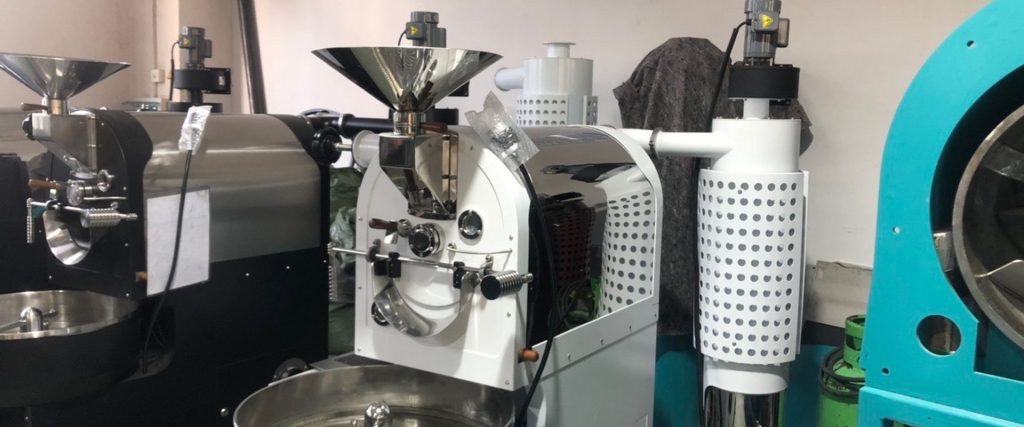
“Quality control” on a brochure means nothing until someone says what is checked, when, and by whom. Every Yoshan roaster is inspected at least three times before it leaves our factory, at three different points in the build, by a QC team with more than ten years in roaster manufacturing, in a factory that has been audited on site by SGS. This page says what those three inspections are.
Where this step sits
The three inspections are not one stage — they are spread across the build. This page is the map; the individual tests each have their own page: gas leak test, electrical test, heat-up run, test roast and final QC with video.
Why three, and why at those points
A defect costs least at the moment it is made and most after the machine is painted, assembled and crated. So the inspections are placed where a fault is still cheap to fix:
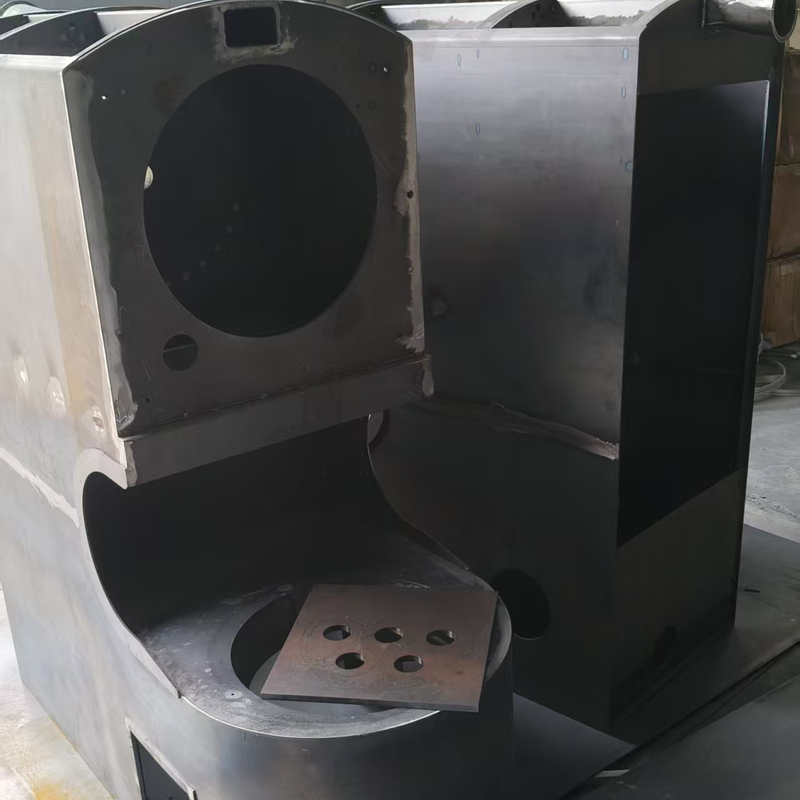
Inspection 1 — after welding, before paint. The body, frame, drum and cyclone are inspected as bare metal. Weld seams are checked for continuity and porosity; the frame is checked for squareness so the drum shaft will run true; the drum is checked against its machining dimensions; sheet-metal panels are checked for fit. A frame that fails here is corrected before it carries a drum. A frame that failed later would mean stripping a finished machine.
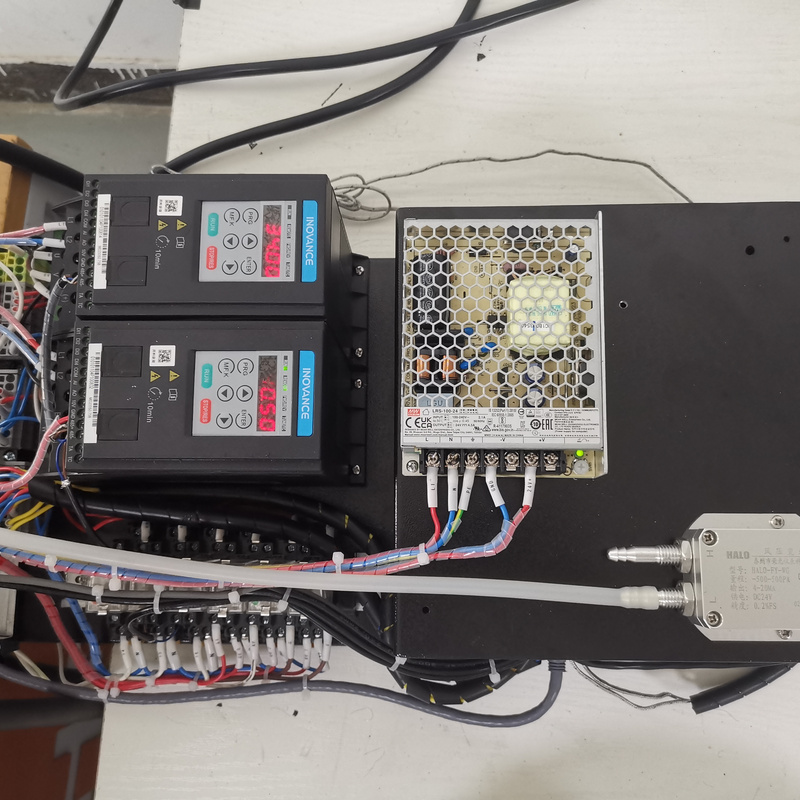
Inspection 2 — after assembly, before the first roast. With burner, gas train, motors, fans, control panel and cooling system fitted, the machine is checked as an appliance: gas train leak-tested under pressure; earth continuity and insulation tested; every motor and fan run and checked for direction; emergency stop and solenoid shut-off tested; the machine heated through its range with no coffee in it. Anything that fails here is fixed before green coffee goes anywhere near the drum.
Inspection 3 — after the test roast, before packing. The machine has now roasted real coffee on the ordered gas and voltage. The curve is reviewed; the cooling time is checked; the finish is inspected for marks from handling; the nameplate is checked against the order; the accessory kit is counted against the packing list; the machine is filmed running. Only then is it signed off for packing.
Three signatures, three points in the build, one serial number. If any inspection finds a fault, the fix is made and the affected checks are repeated — which is why “at least” three.
What each inspection produces
Each stage produces a record against the machine’s serial number:
| Stage | Record |
|---|---|
| 1 — Welded body | Dimensional check, weld inspection, frame squareness |
| 2 — Assembled machine | Gas leak test result and pressure; electrical test values; motor/fan direction; heat-up log |
| 3 — Tested machine | Test roast curve; cooling time; finish check; accessory count; final QC sheet; video |
These are the records you can ask for. The video inspection page describes what you see live; the inspection sheet is what stays with the serial number.
What this means for you
- Faults are caught in the plant, at the stage where fixing them is an hour’s work — not in your building.
- You get a machine with a paper trail. Serial number, three inspection records, a test roast curve, a video.
- Consistency across machines. A distributor ordering five machines gets five machines that have been through the same three checks, not five machines with five different histories.
How to verify this on any factory
Ask the factory to describe its inspection points — not “we have strict QC” but when and what. Then ask to see a completed inspection sheet for a recent machine, with the serial number, the gas leak test pressure and the electrical test values on it. A factory that inspects at defined stages has such a sheet for every machine and can show one in minutes.
Frequently asked questions
Can I receive the inspection records for my machine?
Yes. Ask for them with the video before the balance payment, or at any later time by quoting the serial number.
Who carries out the inspections?
Our in-house QC team, separate from the production team that built the machine. The team’s members have more than ten years’ experience in roaster manufacturing.
Can my own inspector attend?
Yes. Third-party agencies such as SGS, BV or TÜV can attend the assembled-machine or final inspection on your instruction. Give us the agency’s details and we schedule it against the machine’s test date.
What happens to a machine that fails an inspection?
It goes back to the previous stage for correction, and the inspection is repeated. It does not move forward, and it is not shipped, until it passes. There is no “ship now, fix on site”.
Does a machine ever ship with a known minor defect?
No. Cosmetic issues found at the third inspection are corrected before packing. If something cannot be corrected without delaying your machine, you are told and you decide.
Final thoughts
Three inspections at three points, each with a record, each signed against the serial number. That is what “quality control” means on a Yoshan roaster, and it is why the machine on your video call is the machine that arrives. See the individual tests — gas, electrical, heat-up, test roast — or return to the full build sequence.
Tell us your country, voltage, gas type and kilograms per week — we will send the matching spec sheet and a sample inspection sheet for that model. Request the spec sheet · WhatsApp: +86 184 0771 4607
Last updated: September 15, 2026