
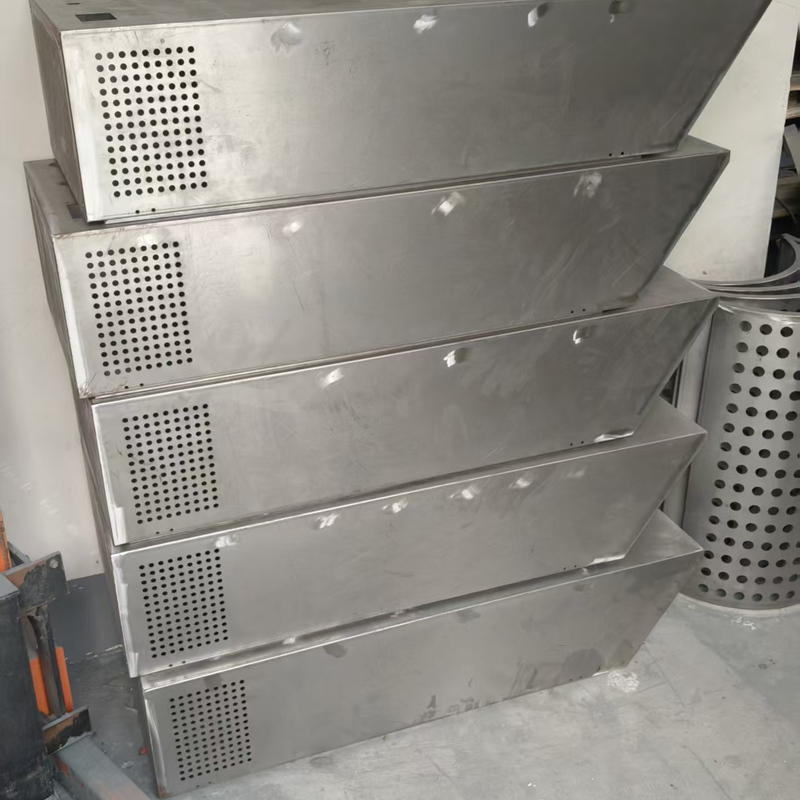
A roaster can be welded perfectly, painted perfectly and tested perfectly, and still be the wrong machine if the steel that went into it was not what the drawing called for. Material problems are the cheapest to prevent and the most expensive to discover, so inspection starts at the loading dock, before anything is cut.
Where this step sits
This is the second step of the build, between material selection and the first cutting and casting operations. It is a gate: material that does not pass does not enter the plant’s stock.
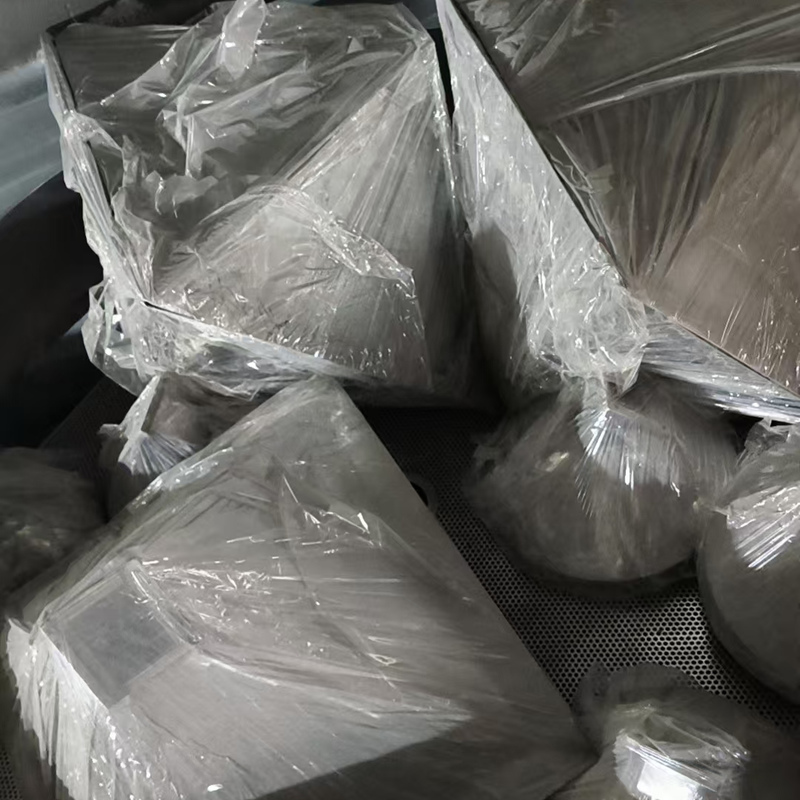
What arrives, and what we check
Stainless steel sheet (304). Every delivery comes with a mill certificate from the steel mill stating the grade, the heat number and the chemical composition. We check that the certificate matches the order, that the heat number on the certificate matches the marking on the sheets, and that the composition is within the 304 specification. Sheets are measured for thickness — the drawing calls for a specific gauge, and undersized sheet is a common way for a supplier to shave cost. Surface is checked for scratches, pitting and mill scale that would show through a brushed finish.
Cast iron. Iron for the drum and body casting is checked against the specification for the grade we cast, and castings are inspected after pouring for porosity, inclusions and dimensional conformity before they go to stress relief and machining.
Steel section and plate for frames. Checked for grade, dimension and straightness. A frame built from bowed section is a frame that will be fighting itself at every weld.
Bought-in components. Burners, PLCs, screens, motors, thermocouples, valves and bearings are checked on arrival against the order — brand, model, rating plate, quantity — and stored by part number. A Siemens screen that is not a Siemens screen would be found here, not by your technician in two years.
Traceability
Sheets and castings are tagged with their batch on arrival. When a batch is cut or machined for a particular machine, the batch reference is recorded against that machine’s build sheet. The result is that for any serial number we can say which heat of steel its panels came from and which pour its drum came from. That is what makes a material certificate for your machine possible, rather than a generic certificate for “the steel we use”.
What this means for you
- The 304 on your machine is 304, and there is a document that says so with a heat number you can check.
- The drum wall is the thickness on the spec sheet because the casting was measured, not assumed.
- If a material problem ever emerged on a machine, we could identify every other machine from the same batch — which is the definition of a controlled process.
How to verify this on any roaster
Ask the supplier two questions: “Can you send the mill certificate for the stainless on my machine?” and “What is the heat number?” A factory with incoming inspection answers both from its records. A factory without it either cannot answer or sends a certificate with no connection to your machine.
Frequently asked questions
Will you include the mill certificates in my document pack?
Yes, on request. Tell us when you order and the certificates for the stainless used on your machine ship with the manual and the inspection sheet.
What happens to material that fails inspection?
It is rejected and returned to the supplier. It does not go into stock, and it does not go into a machine.
Do you test the composition yourselves or rely on the mill?
The mill certificate is the primary record, and it is issued from the mill’s own laboratory testing of that heat. We verify that the certificate, the heat number marking and the delivered material agree, and we measure thickness and inspect surfaces ourselves.
Does this apply to small machines like the DY-1?
Yes. The 304 drum on a DY-1 comes from the same inspected stock as the panels on a YS-15. Inspection is by material batch, not by machine size.
Final thoughts
Incoming inspection is unglamorous and invisible in the finished machine, which is exactly why it is worth writing down. From here the material goes to laser cutting and, for the drum, to casting. The checks that follow at each stage are on the three-stage inspection page, or return to the full build sequence.
Tell us your country, voltage, gas type and kilograms per week — we will send the matching spec sheet, and add material certificates to your document pack on request. Request the spec sheet · WhatsApp: +86 184 0771 4607
Last updated: September 17, 2026