
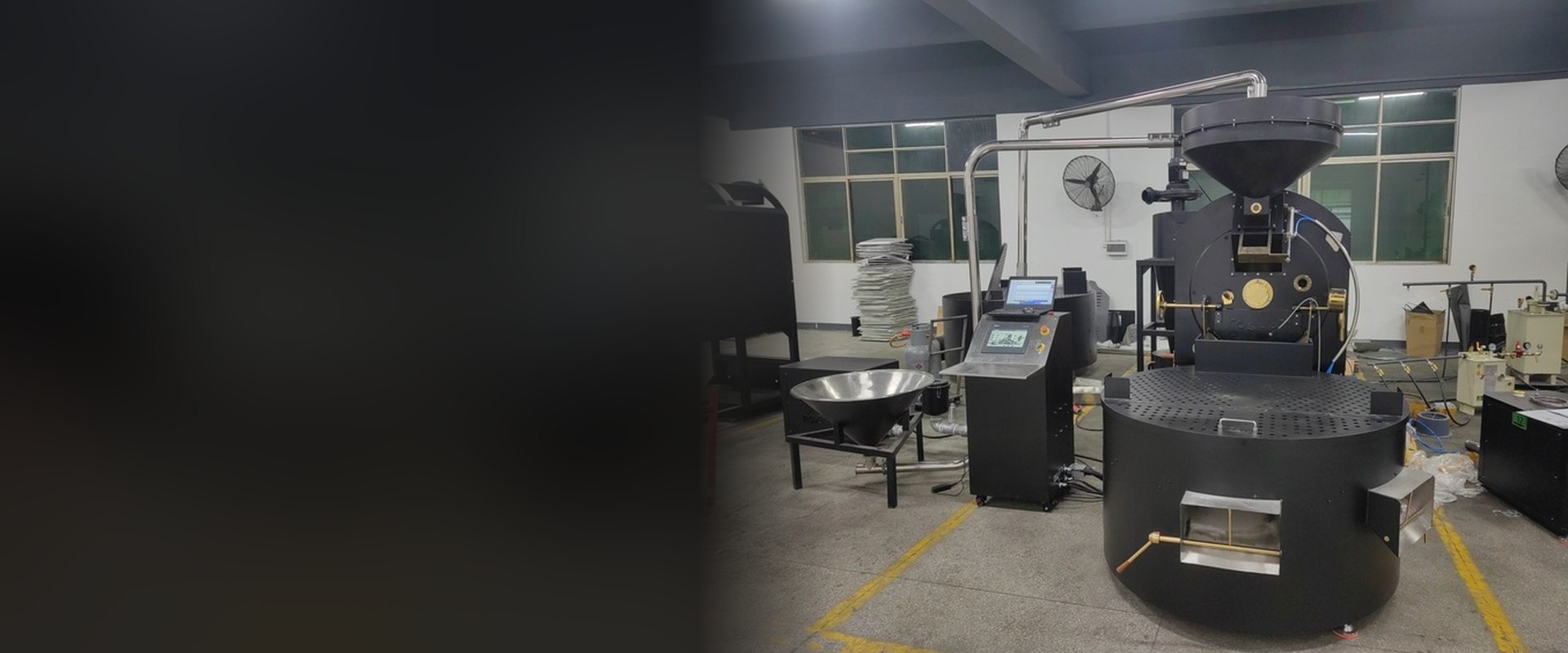
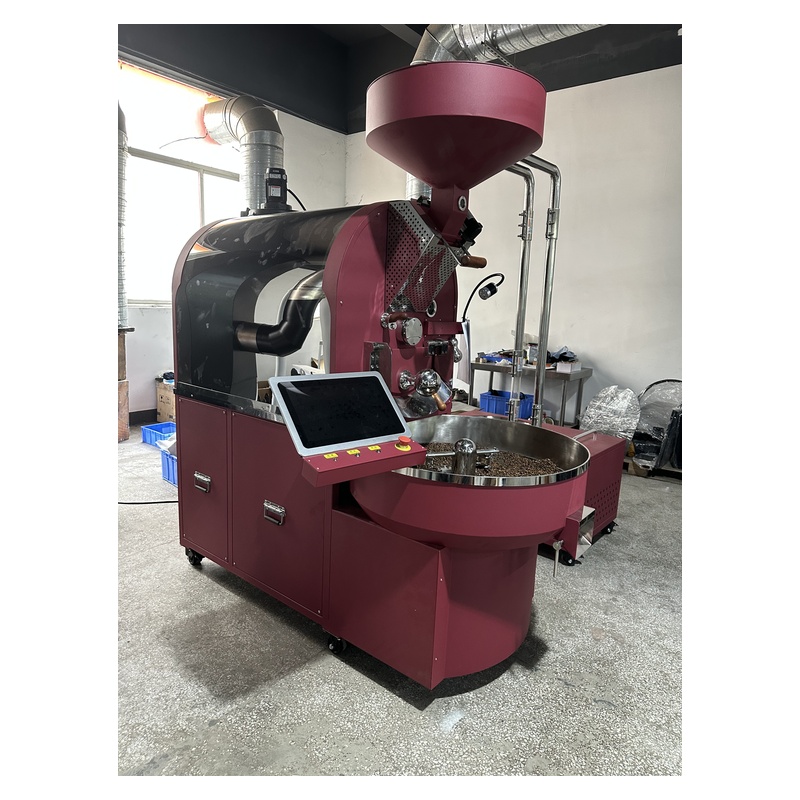
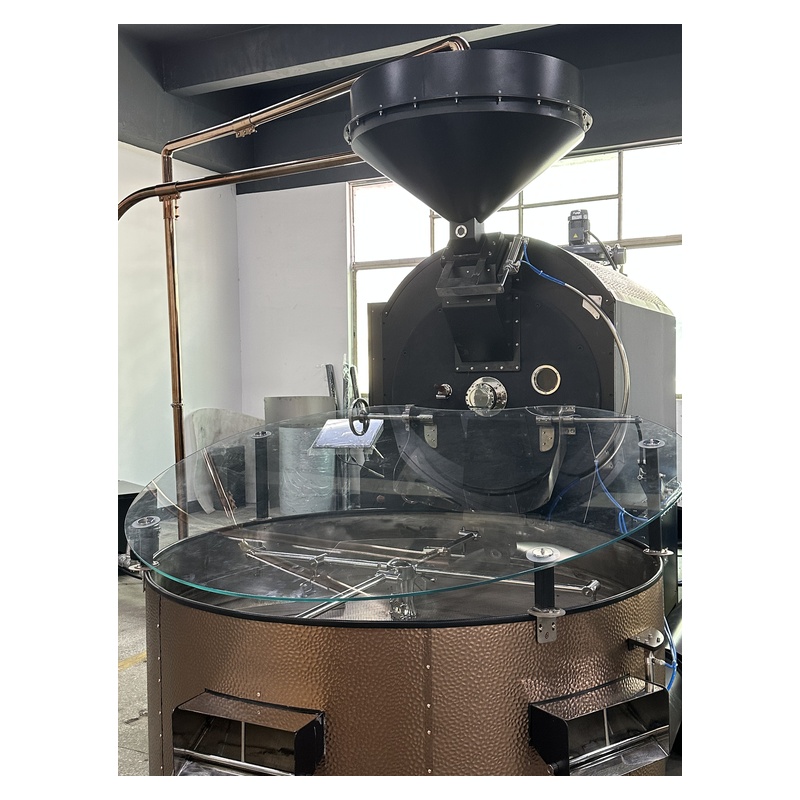
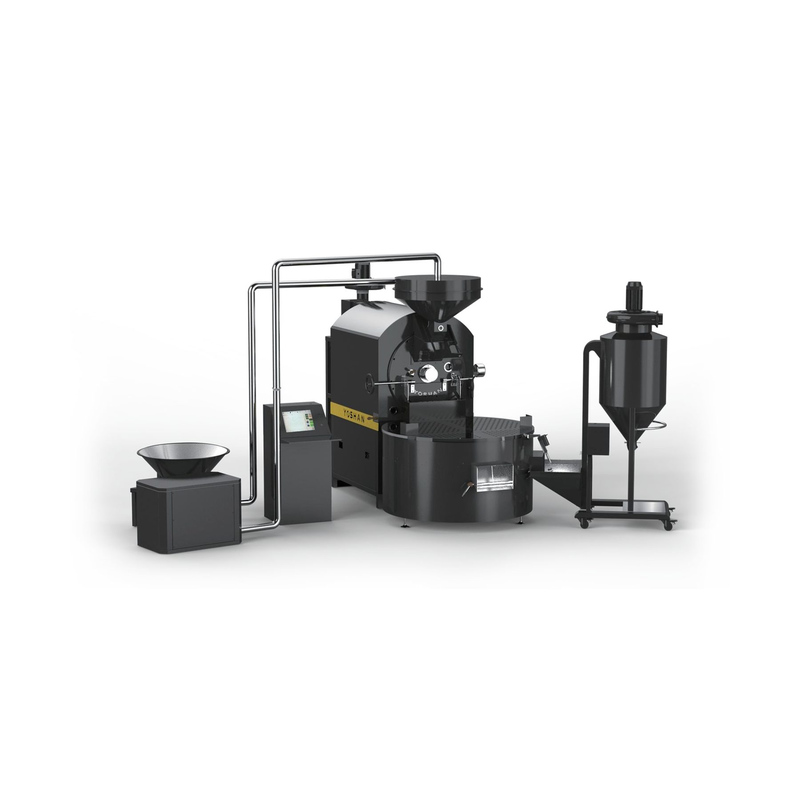
Commercial Coffee Roasters From 100 g to 300 kg: USD 899 to 289,999, Prices on Every Page
- Fourteen batch sizes, 100 g to 300 kg a charge
- USD 899 to 289,999, every model priced publicly
- Gas or electric to 15 kg; gas only from 20 kg
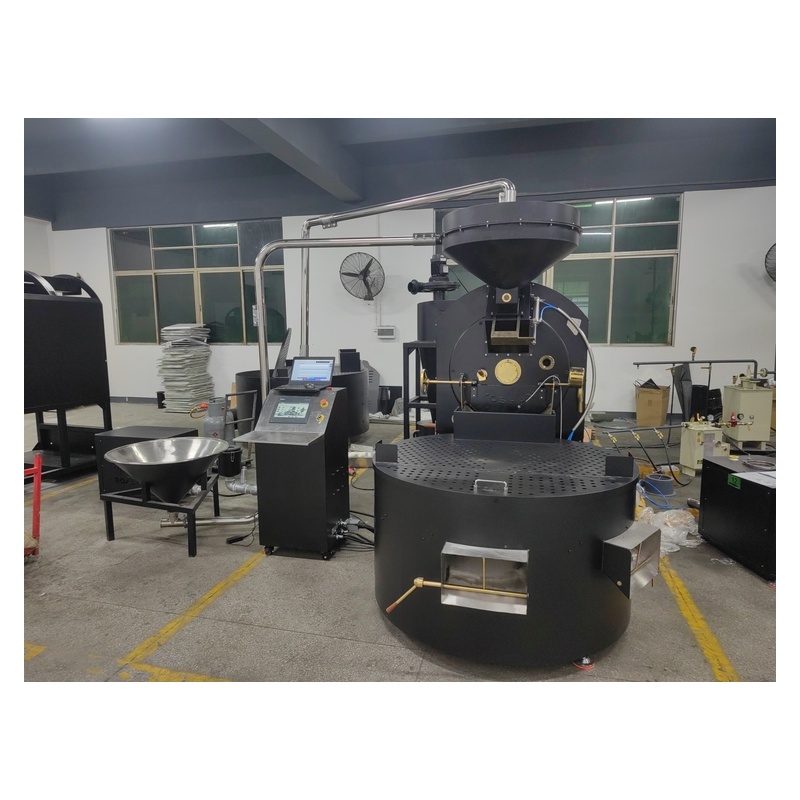
- Cast-iron drums; Siemens control on every YS and on SD-30KG Pro up
- Fully automatic Pro versions hold the curve for you
- Colour and logo to your brand at no extra cost
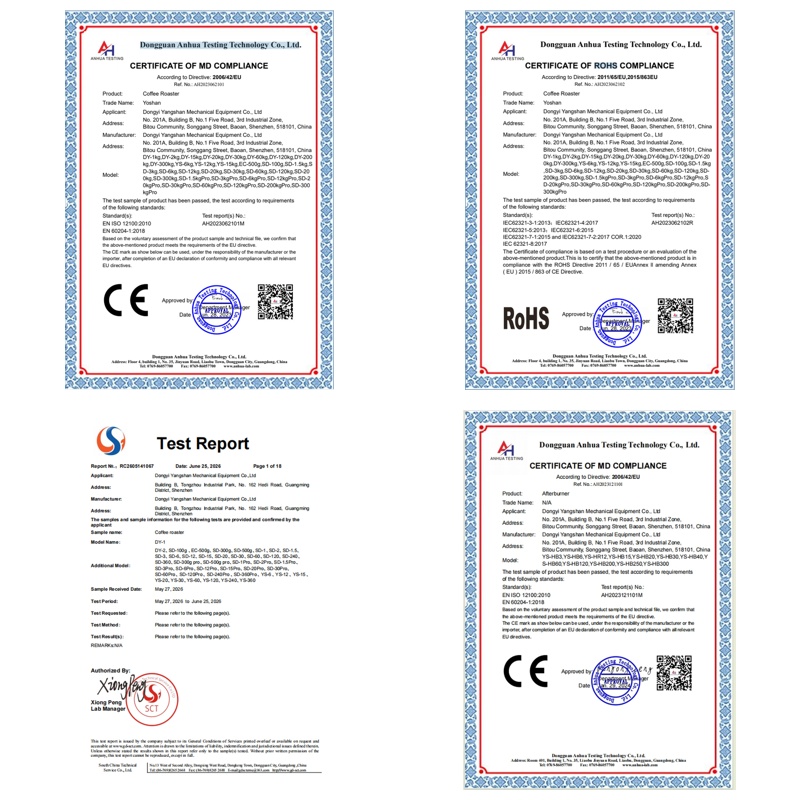
- CE (Machinery and Low Voltage) and RoHS
- One year warranty from arrival; extendable by series, DY to three years
Every Model We Build, With Its Price
Twenty-seven commercial coffee roasters, from a 100 g sample drum to a 300 kg line. Each card says what the model is — manual, semi-automatic or fully automatic — what it charges per batch and what it costs, EXW Shenzhen 2026. Open any model for its own page. Prefer to browse by series instead? See all coffee roasters grouped by DY, SD, SD Pro and YS. Buying only production sizes from 6 kg up? See the coffee roaster machines, largest first.
Sample and Entry · 100 g – 2 kg
-
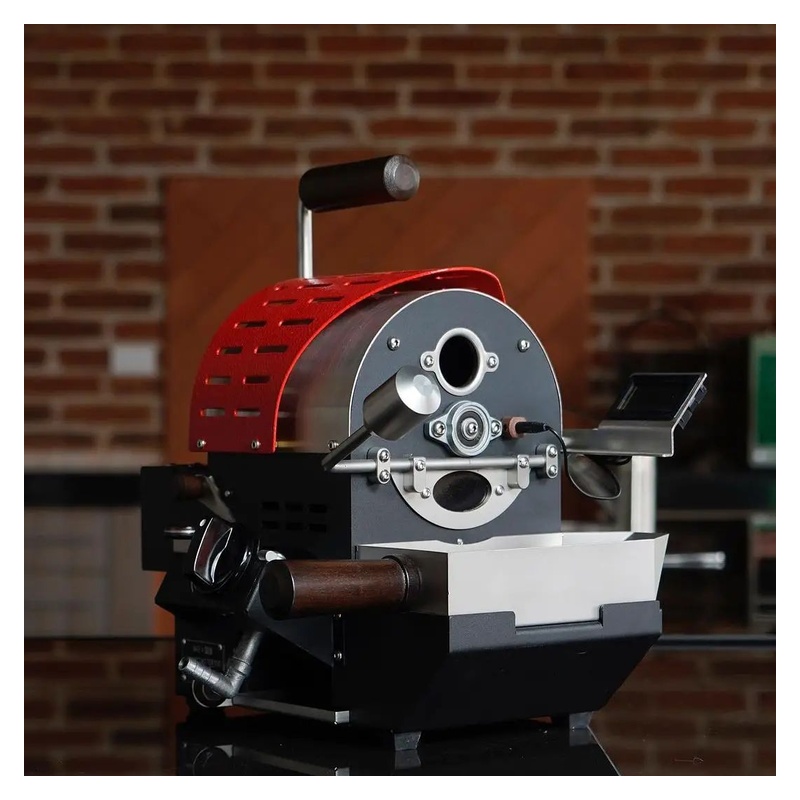 100 g · Manual · USD 899
Manual gas sample drum for cupping labs and green buyers scoring lots before they commit.
-
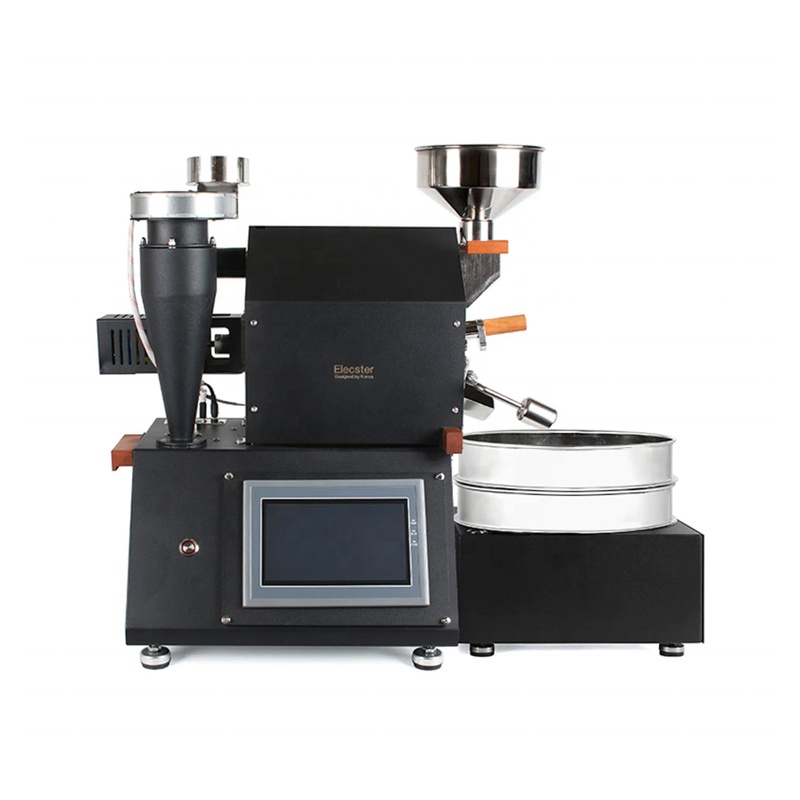 500 g · Electric · USD 1,699
Fully electric 200–500 g sample roaster with a touchscreen and data logging, running off a normal socket.
-
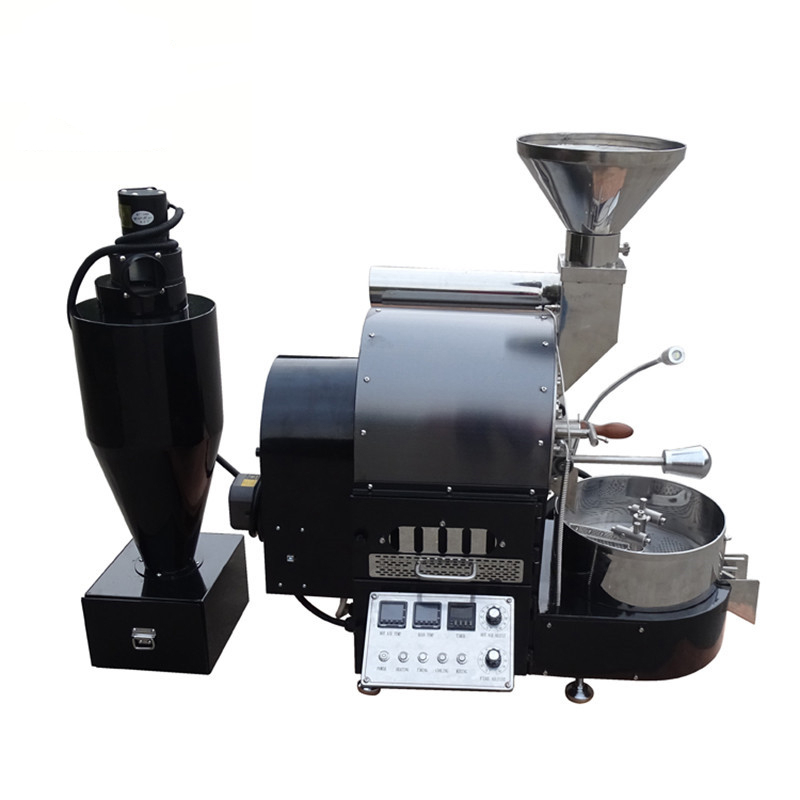 1 kg · Manual · USD 2,599
Manual entry drum, half hot air and half direct flame, gas or electric at one price.
-
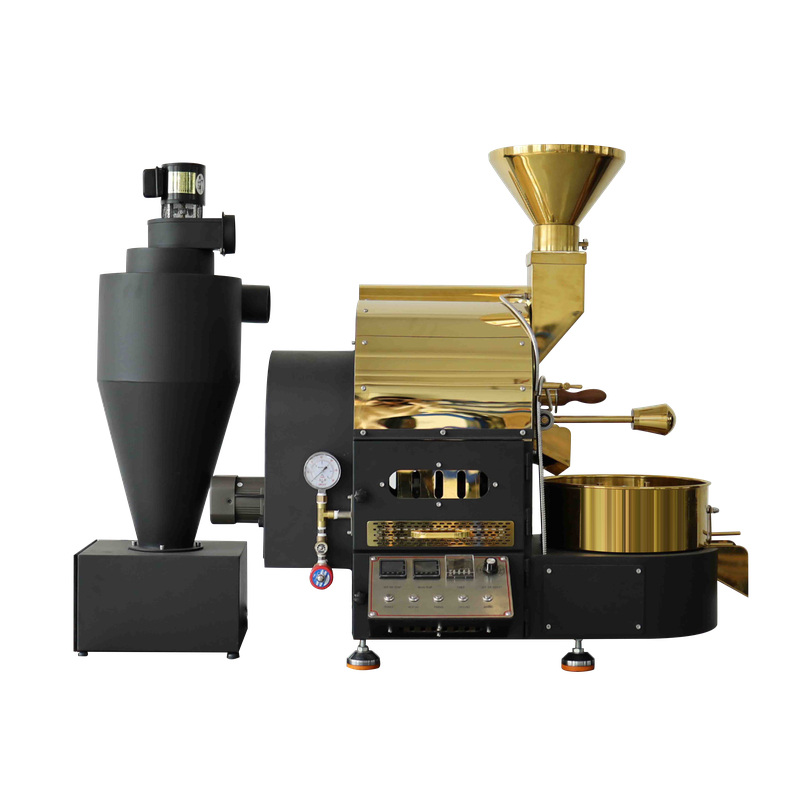 2 kg · Manual · USD 3,399
The same manual build one size up, for shops already selling beans over the counter.
Café Scale · 1.5 – 6 kg
-
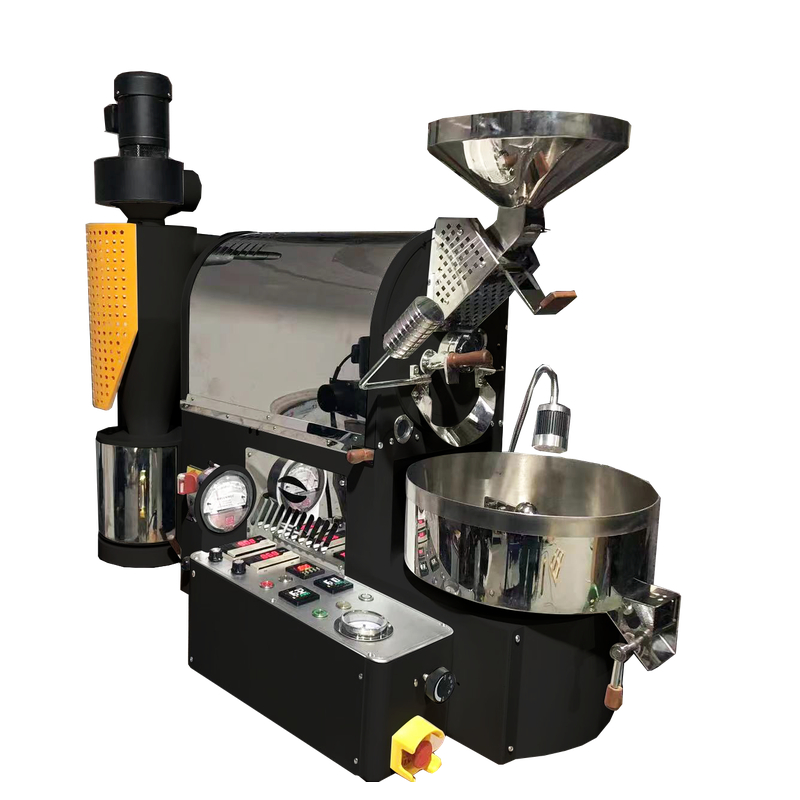 1.5 kg · Manual · USD 3,299
Manual button panel on a cast-iron drum; the machine roastmasters learn the craft on.
-
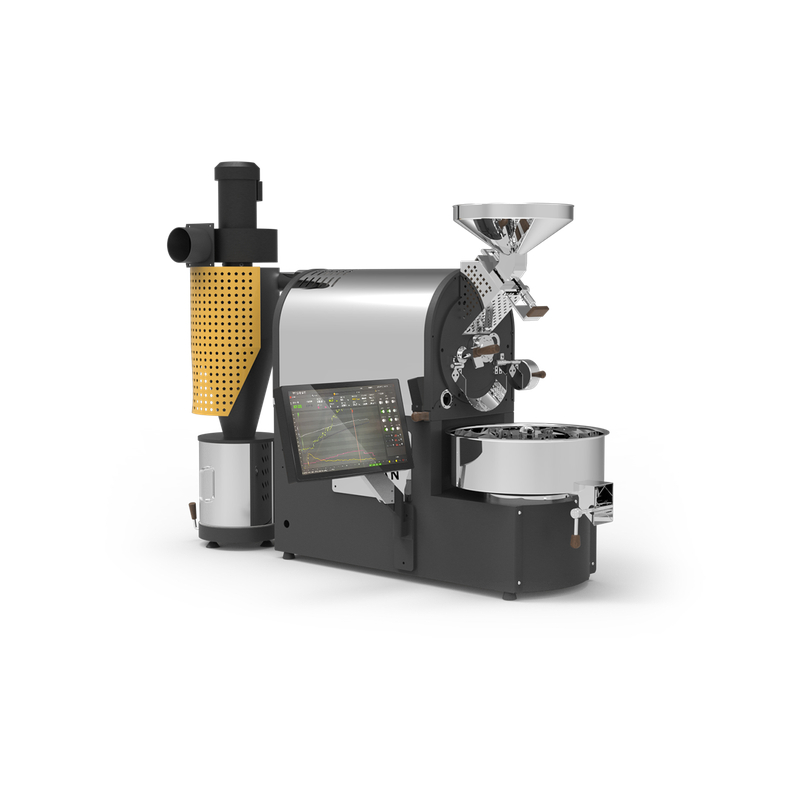 1.5 kg · Fully automatic · USD 5,399
Fully automatic on a PLC touchscreen, switchable to manual whenever you want the controls.
-
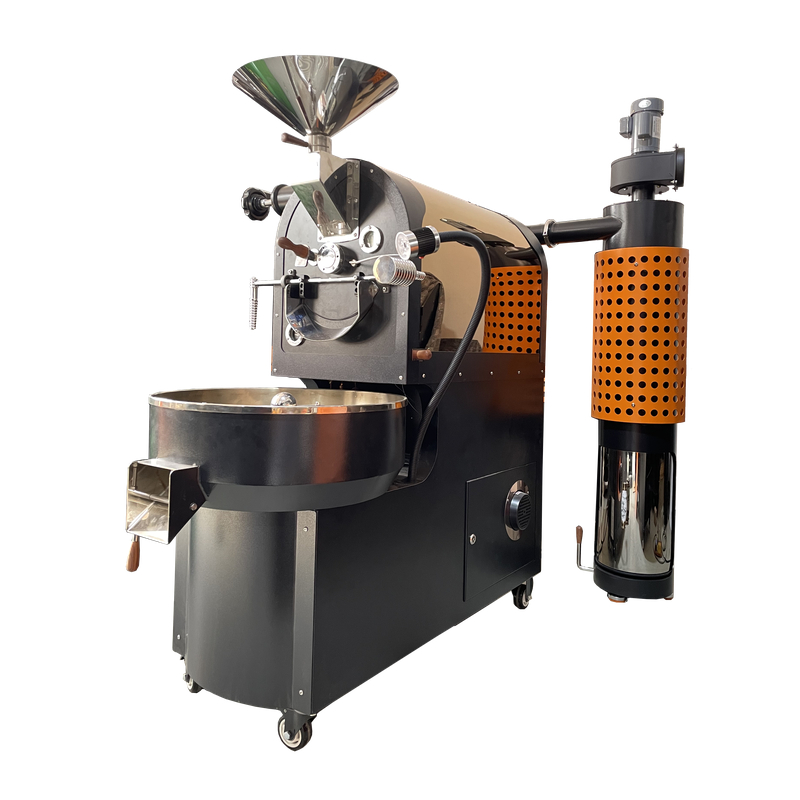 3 kg · Manual · USD 4,599
Manual, eight to twelve kilos an hour on gas, with an electric version for indoor sites.
-
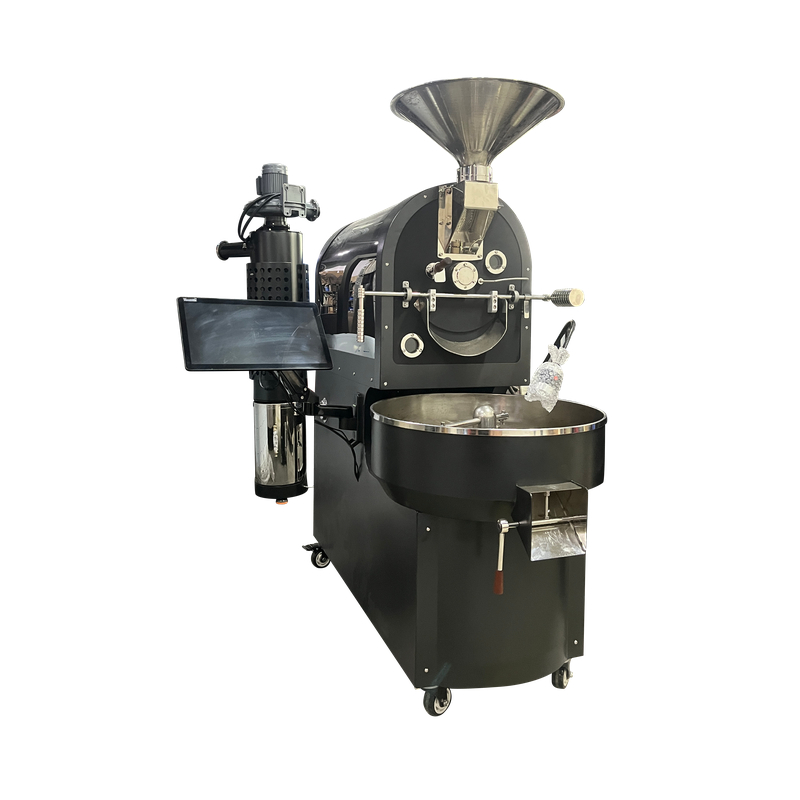 3 kg · Fully automatic · USD 8,889
Fully automatic double-layer cast-iron drum that stores your approved curve and repeats it batch after batch.
-
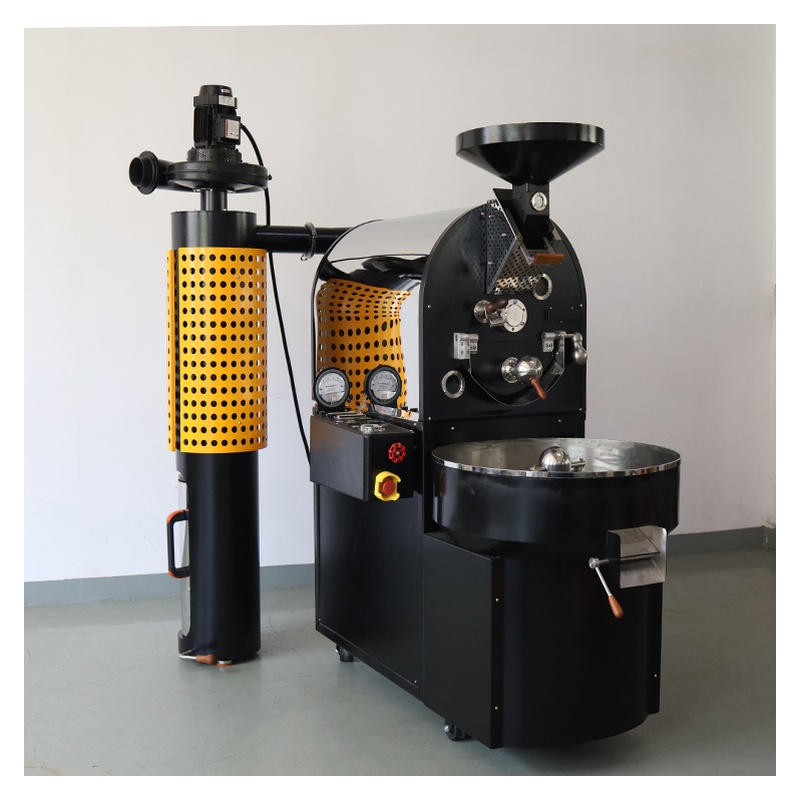 6 kg · Semi-automatic · USD 11,999
Semi-automatic on a PID button system with a cast-iron double drum, roasting 18–28 kg an hour.
-
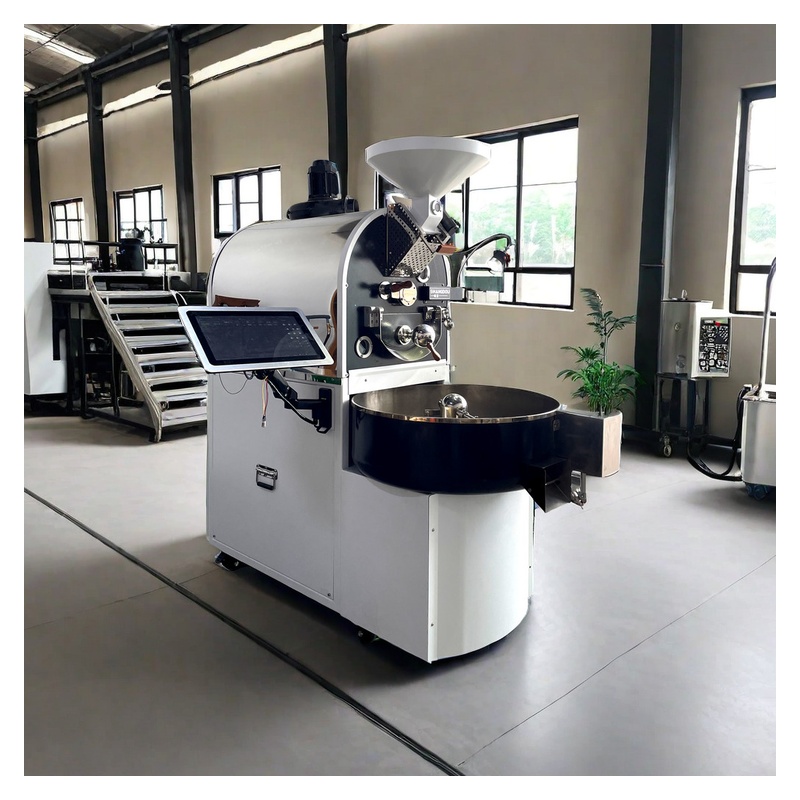 6 kg · Fully automatic · USD 12,999
Fully automatic with the vacuum loader inside the price, holding one curve all shift.
-
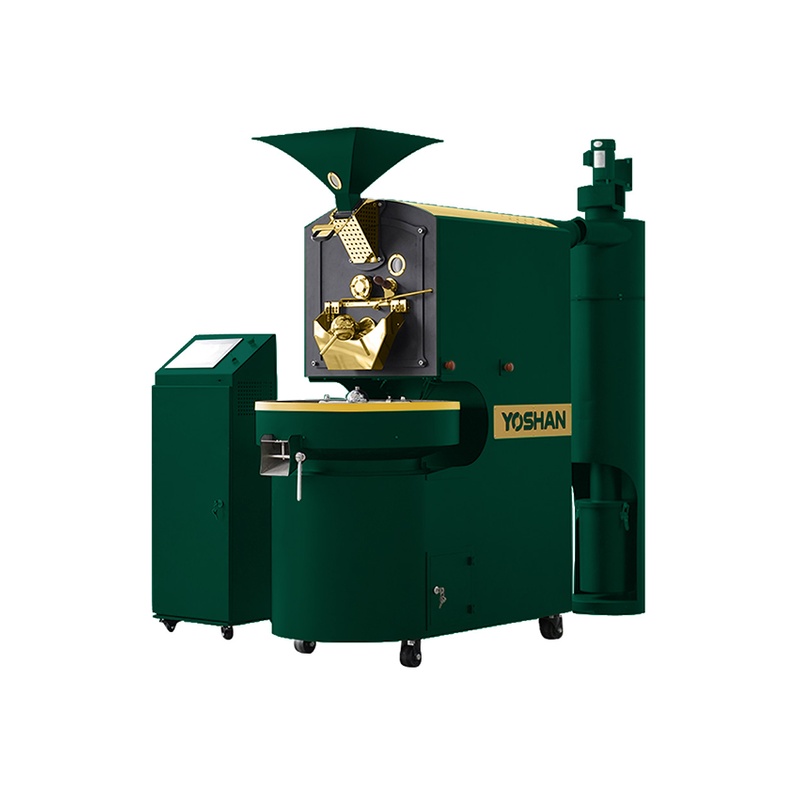 6 kg · Semi-automatic · USD 7,499
Semi-automatic with its own Siemens touchscreen station and cast-iron drum, finished in any colour you name.
Roastery Scale · 12 – 30 kg
-
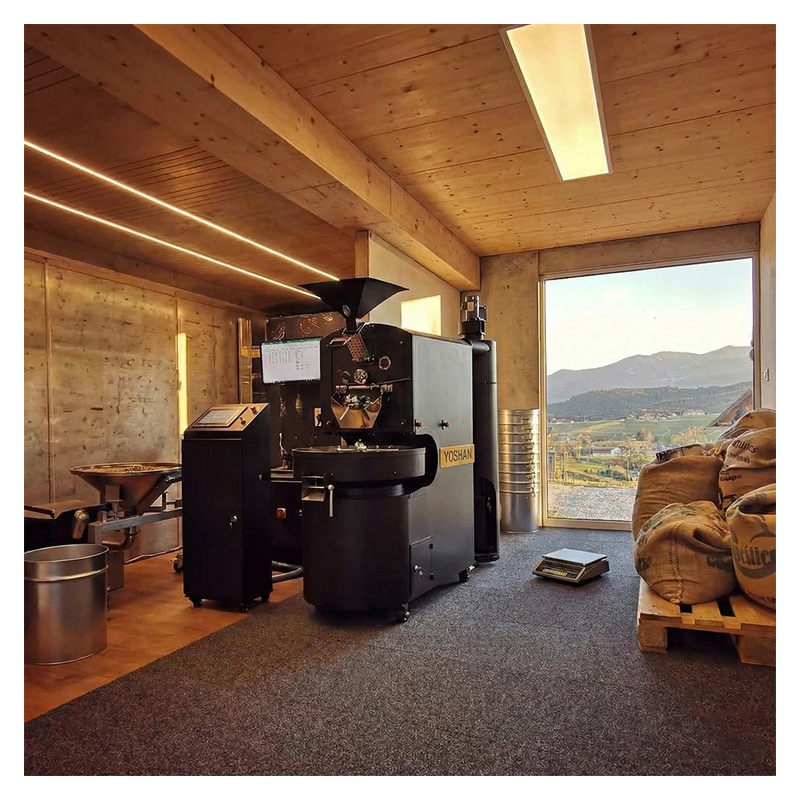 12 kg · Semi-automatic · USD 9,980
Semi-automatic on Siemens with a cast-iron drum, gas or electric; the first size that is true production.
-
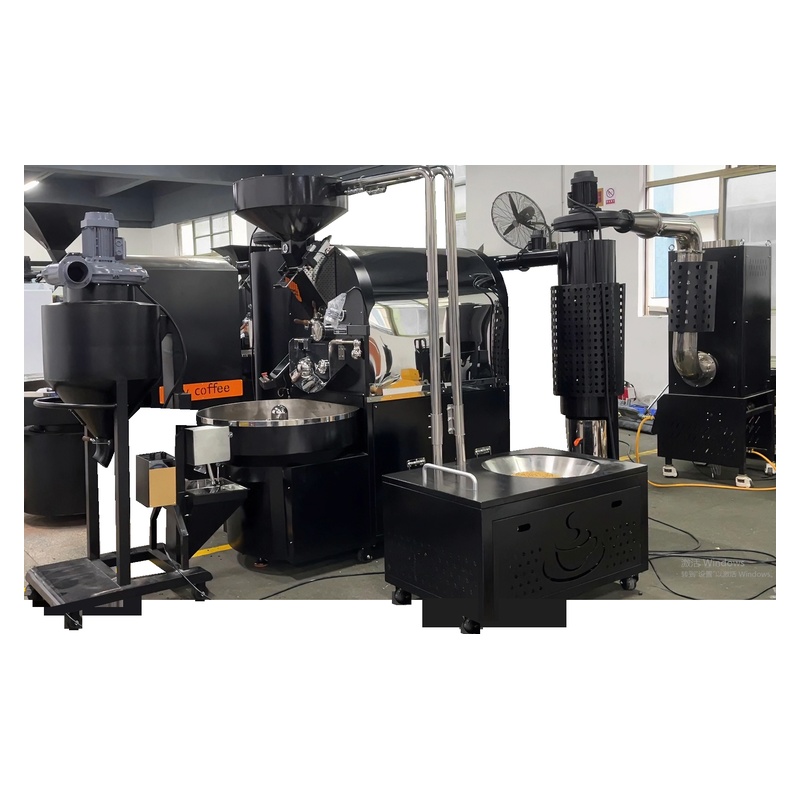 12 kg · Fully automatic · USD 15,999
Fully automatic with the loader supplied, 18–52 kg an hour from a 13 kg charge.
-
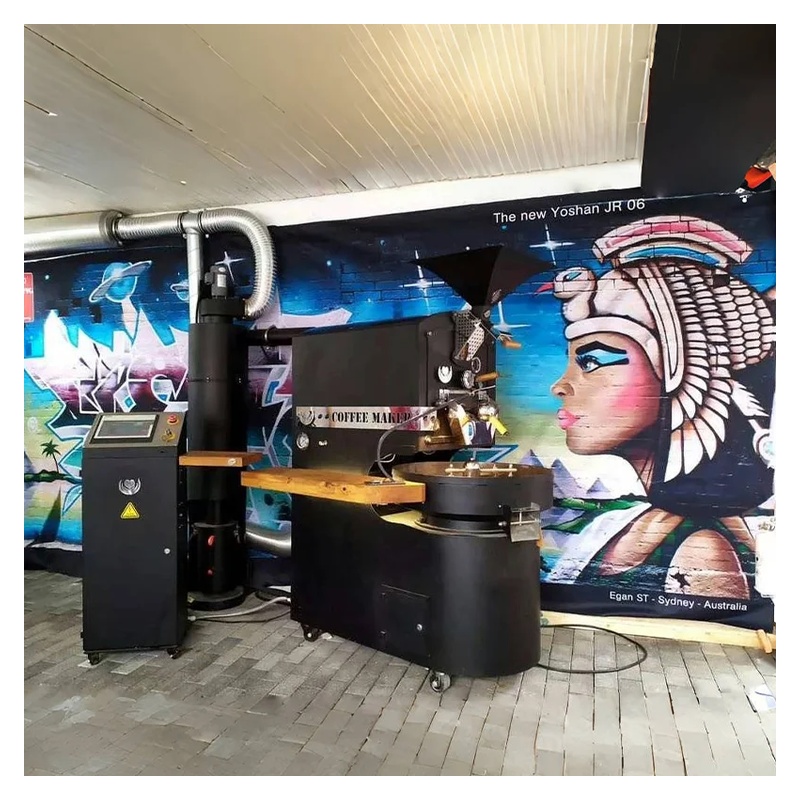 15 kg · Semi-automatic · USD 10,999
Semi-automatic Siemens station and our most-ordered machine above ten kilos, priced the same on gas or electric.
-
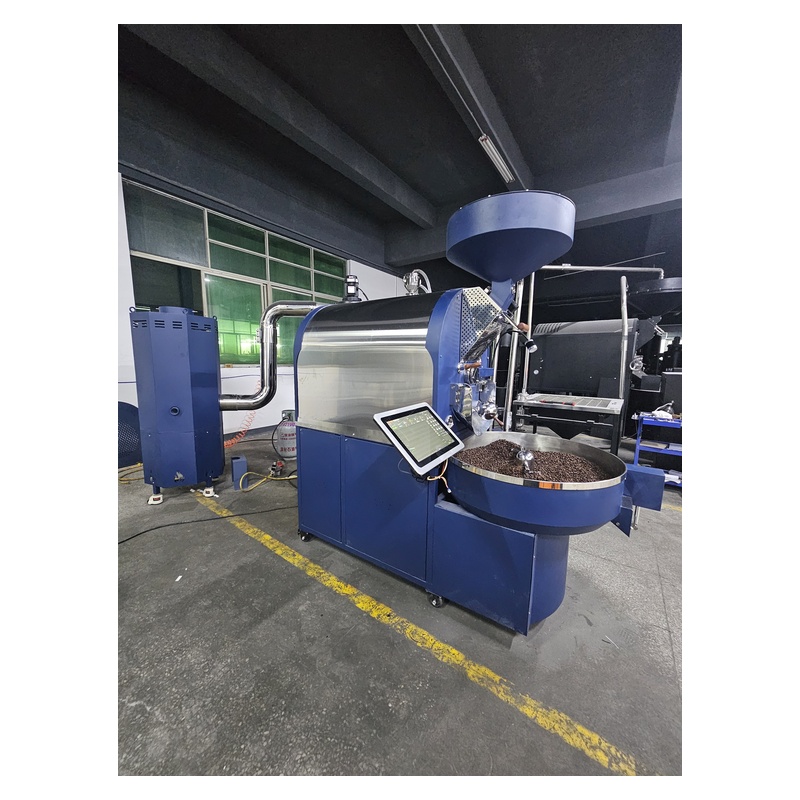 15 kg · Fully automatic · USD 16,999
Fully automatic at 39–54 kg an hour, with the vacuum loader included in the price.
-
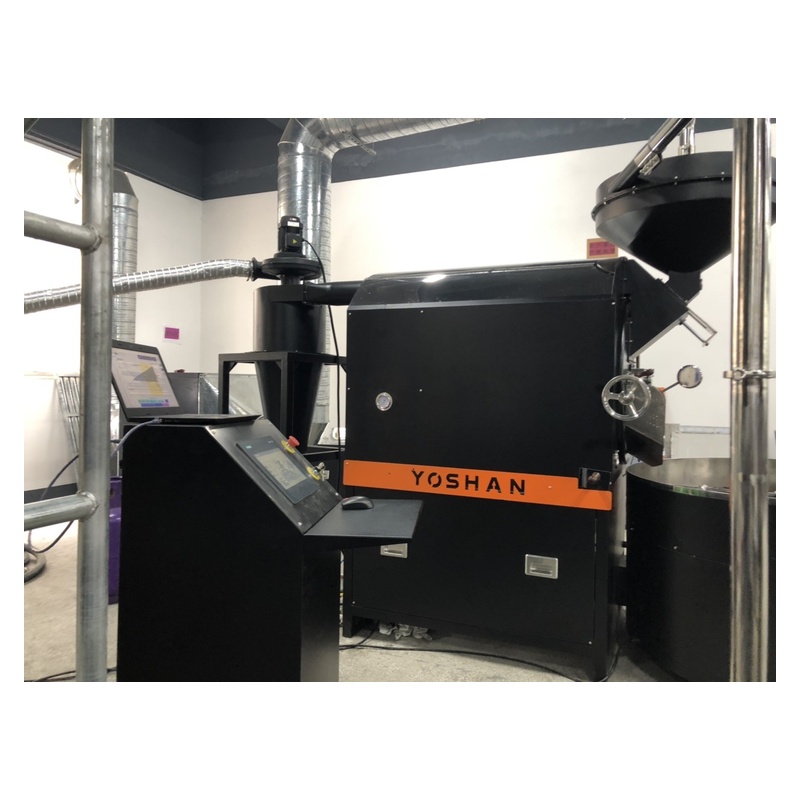 20 kg · Semi-automatic · USD 18,999
Semi-automatic with the automatic green-bean loader included in the price; every machine is gas fired from here up.
-
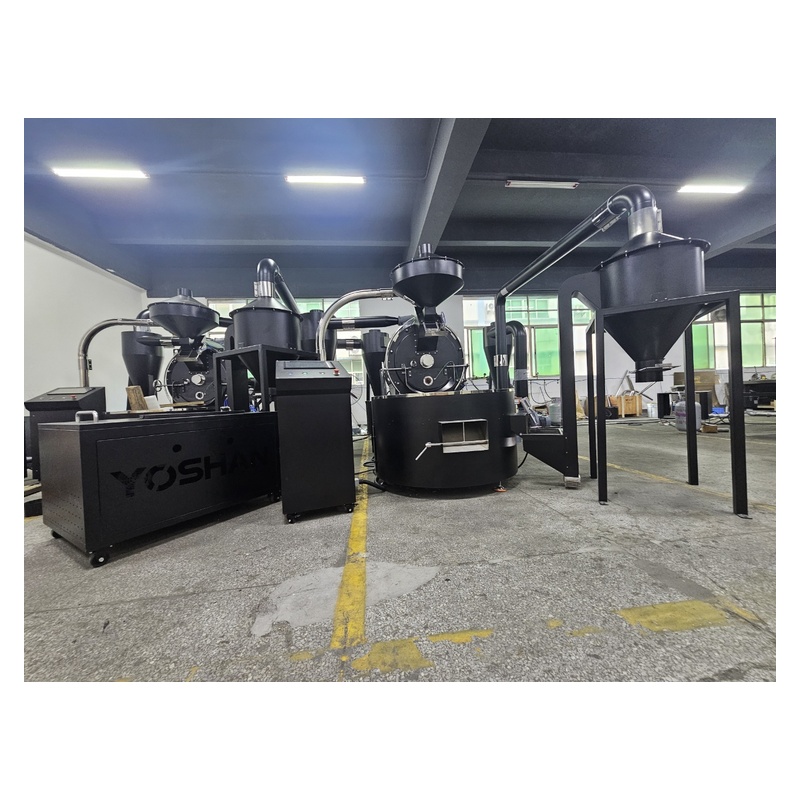 20 kg · Fully automatic · USD 38,599
Fully automatic line with loader and destoner, 60–80 kg an hour, full hot air.
-
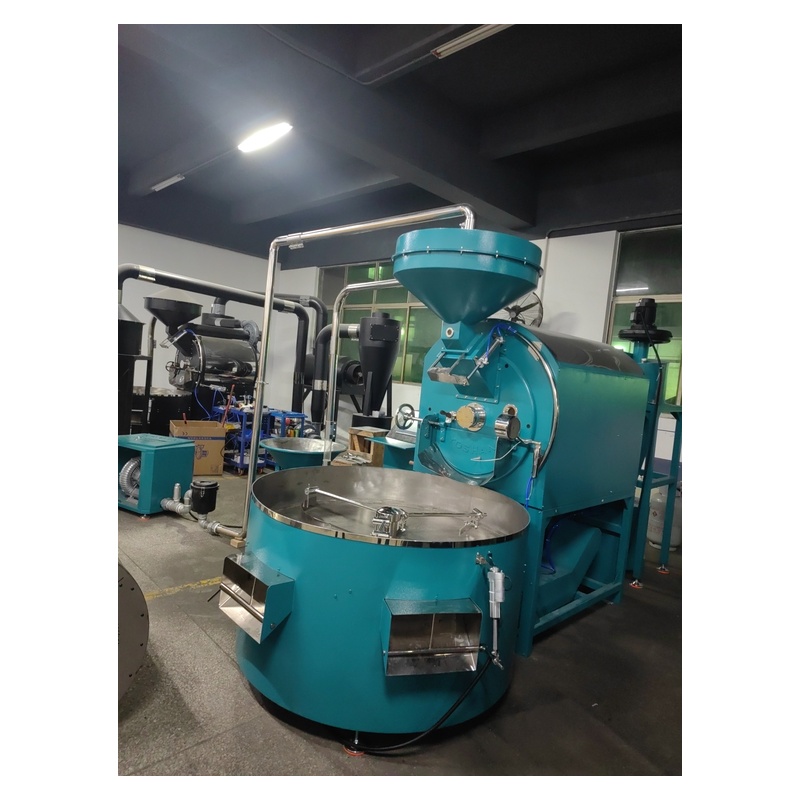 30 kg · Semi-automatic · USD 23,999
Semi-automatic at 90–120 kg an hour, which is the size most wholesale roasteries eventually settle on.
-
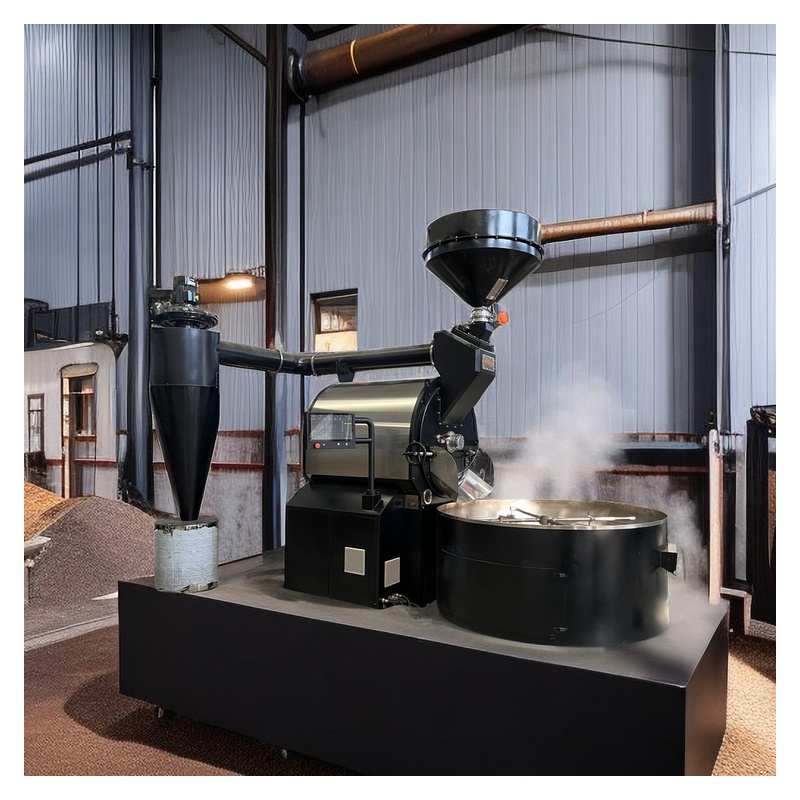 30 kg · Fully automatic · USD 51,499
Fully automatic complete line with the loader, destoner and afterburner all carried inside the price.
Industrial Line · 60 – 300 kg
-
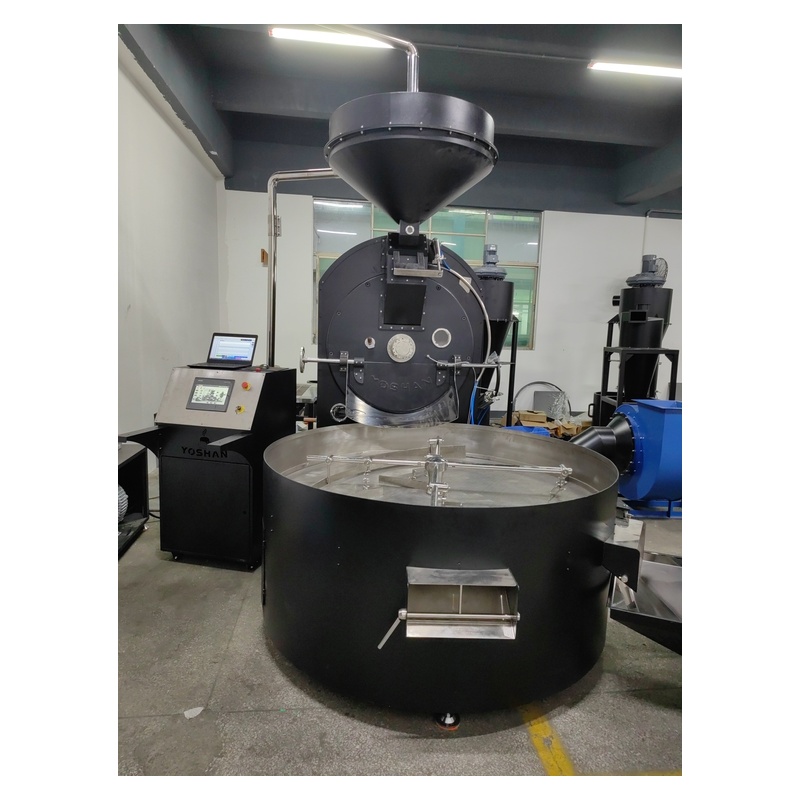 60 kg · Semi-automatic · USD 39,999
Semi-automatic and good for a tonne a shift from one drum, with the vacuum loader supplied.
-
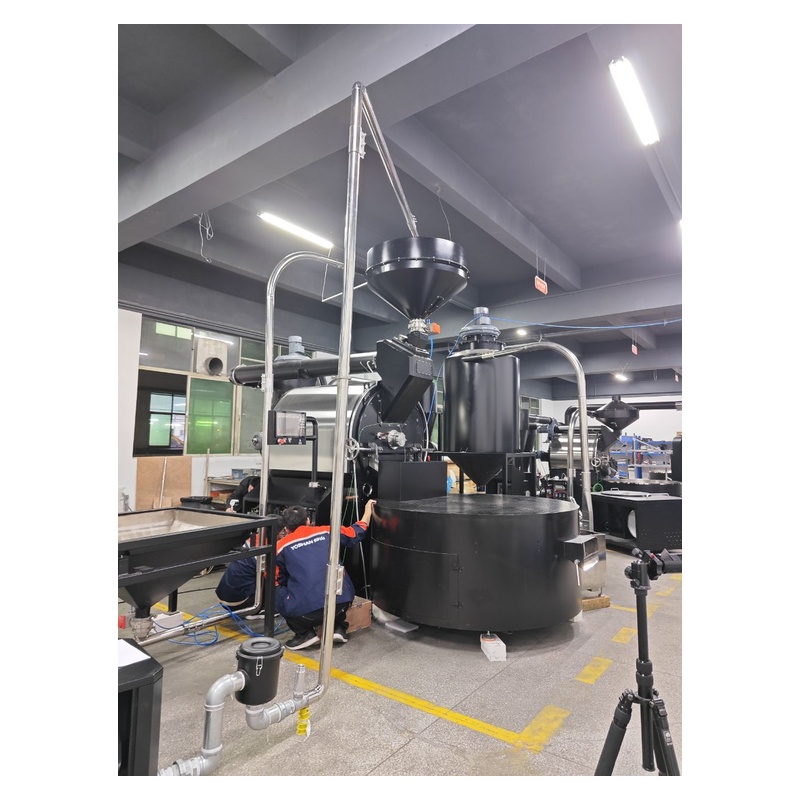 60 kg · Fully automatic · USD 61,999
Fully automatic complete line with its afterburner, 150–180 kg an hour, running under Siemens control.
-
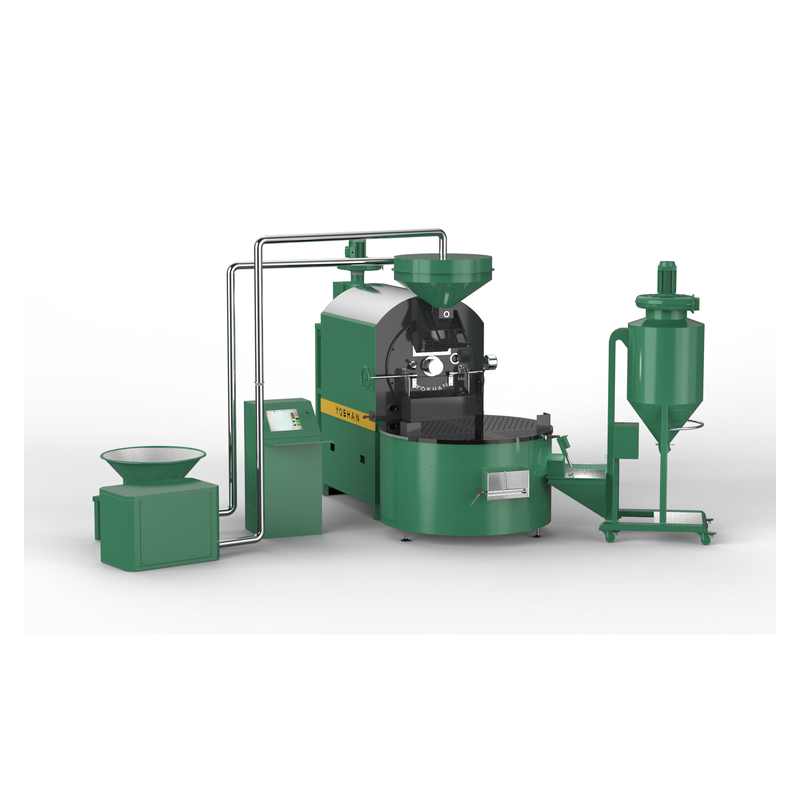 120 kg · Semi-automatic · USD 59,599
Semi-automatic full hot air with the loader included, in the 200–240 kg an hour class.
-
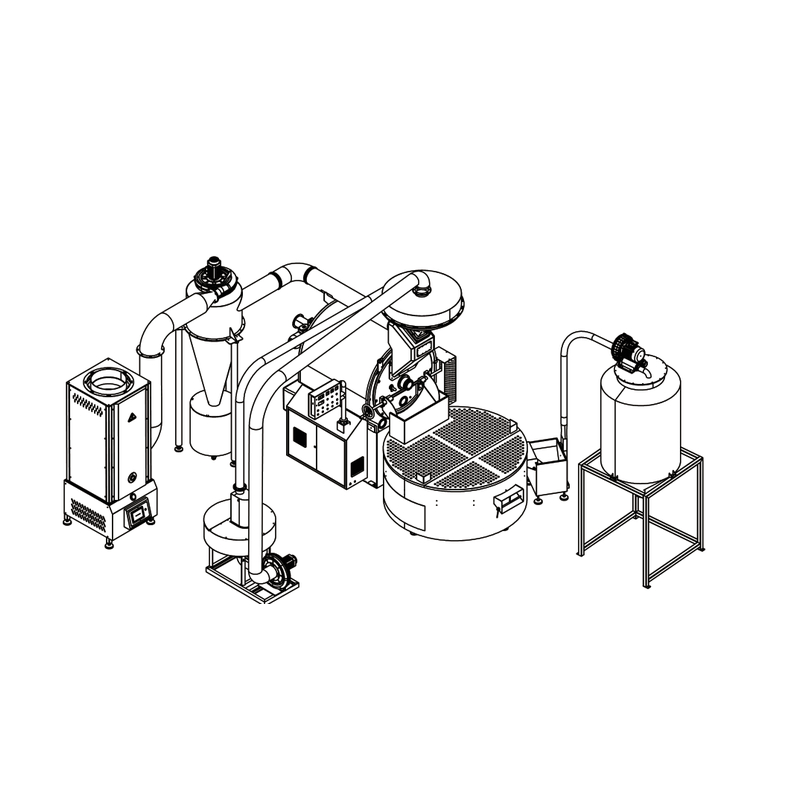 120 kg · Fully automatic · USD 99,999
Fully automatic complete line: roaster, loader, destoner and afterburner quoted together on one price.
-
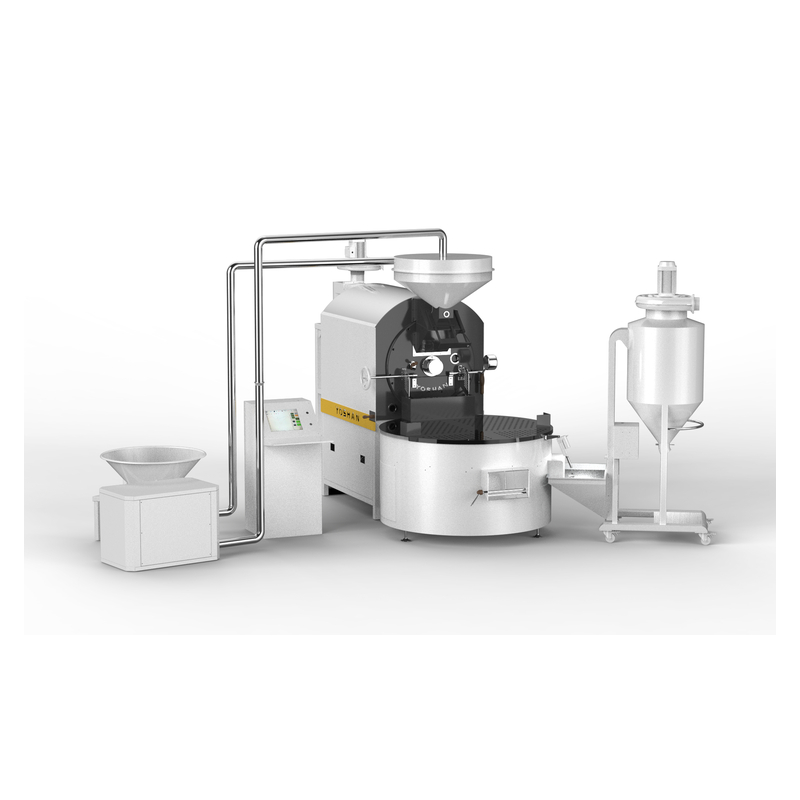 240 kg · Semi-automatic · USD 109,999
Semi-automatic at 720–960 kg an hour, supplied with both its vacuum loader and its destoner.
-
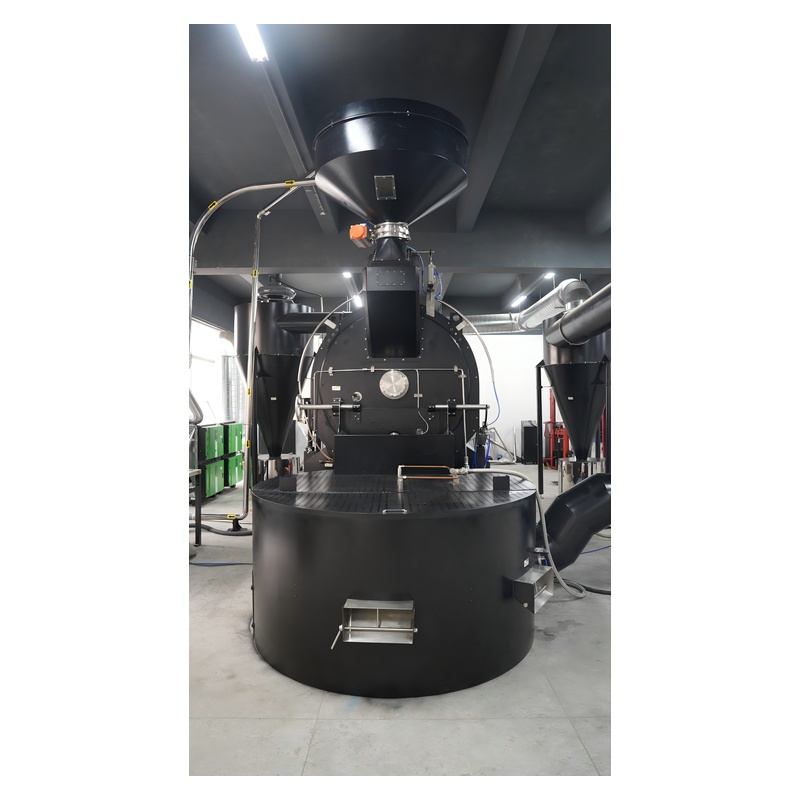 240 kg · Fully automatic · USD 149,999
Fully automatic with loader and destoner in the price; afterburner quoted with the line.
-
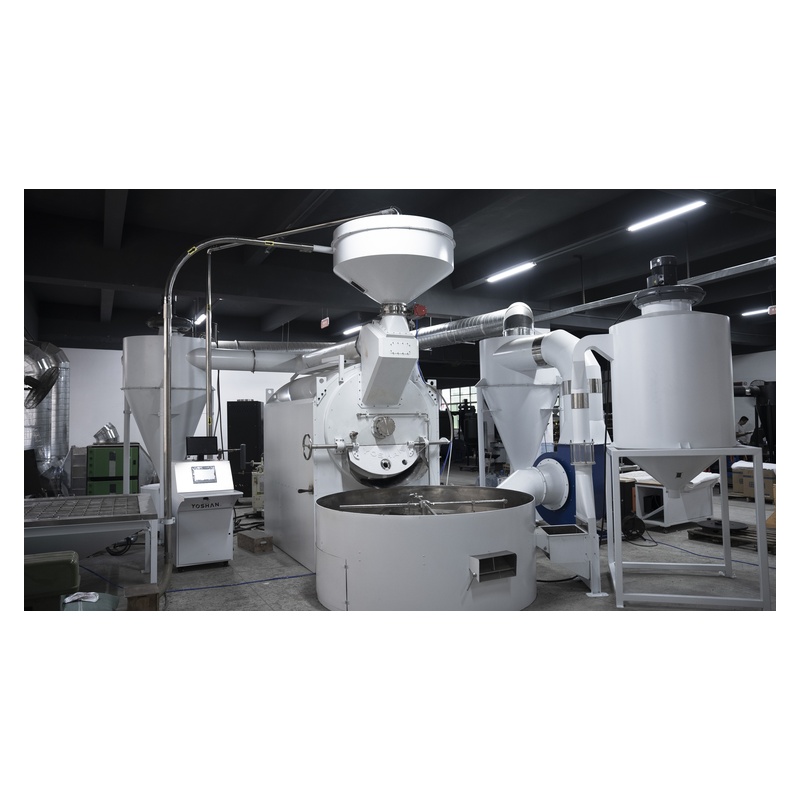 300 kg · Semi-automatic · USD 139,999
Semi-automatic on our largest drum: more than a tonne an hour, with loader and destoner supplied.
-
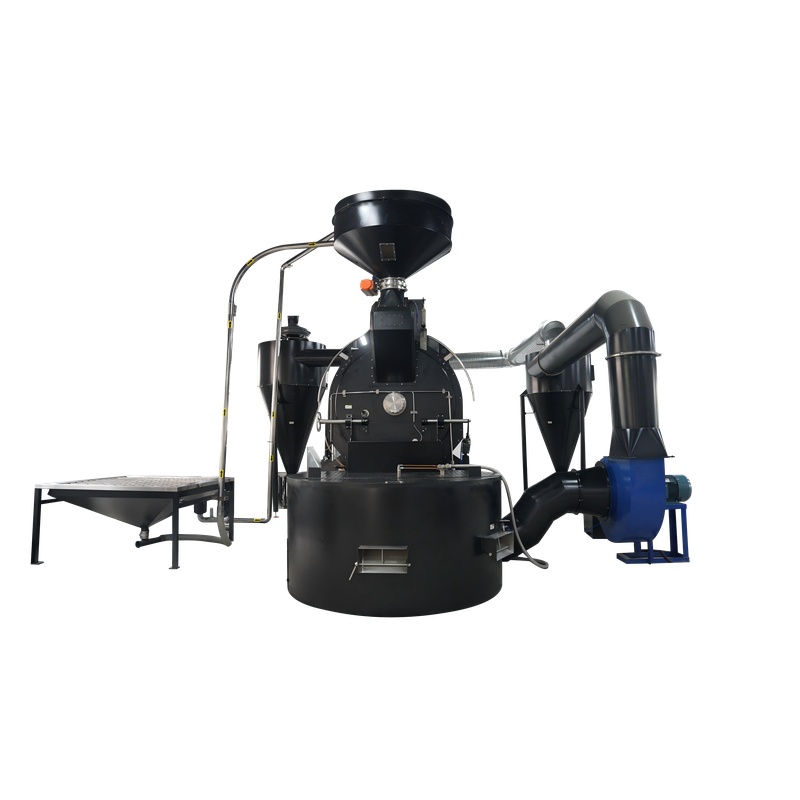 300 kg · Fully automatic · USD 289,999
Fully automatic roast island — roaster, loader, destoner and afterburner — all carried on one price.
Start With Your Weekly Volume, Not With a Number of Kilos
Most people arrive at a commercial coffee roaster page knowing the business and not the machine. The quickest way in is roasted weight per week. Under 40 kg a week and a 1–3 kg drum keeps up while you are still building accounts. Between 40 and 150 kg, a 6 kg machine roasts it in a working day. Past 300 kg a week you are into 12–30 kg batches, and above two tonnes a month the 60–300 kg line is the honest answer. Every size below is a page of its own, with the price, the gas and power figures and the real photographs of that machine.
Prices, Series and What the Price Covers
- Price List
- DY / SD / YS
- What the Price Covers
| 100 g · SD 100G Plus | USD 899 — gas sample roaster |
|---|---|
| 500 g · EC-500G | USD 1,699 — fully electric, touchscreen |
| 1–2 kg · DY-1KG / DY-2KG | USD 2,599 / 3,399 — gas or electric at the same price |
| 1.5–3 kg · SD-1.5KG / SD-1.5 Pro / SD-3KG / SD-3KG Pro | USD 3,299 / 5,399 / 4,599 / 8,889 |
| 6 kg · SD-6KG / SD-6KG Pro / YS-6KG | USD 11,999 / 12,999 / 7,499 |
| 12–15 kg · YS-12KG / YS-15KG / SD-12KG Pro / SD-15KG Pro | USD 9,980 / 10,999 / 15,999 / 16,999 |
| 20–30 kg · YS-20 / YS-30 / SD-20KG Pro / SD-30KG Pro | USD 18,999 / 23,999 / 38,599 / 51,499 |
| 60–120 kg · YS-60 / YS-120 / SD-60KG Pro / SD-120KG Pro | USD 39,999 / 59,599 / 61,999 / 99,999 |
| 240–300 kg · YS-240 / YS-360 / SD-240KG Pro / SD-360KG Pro | USD 109,999 / 139,999 / 149,999 / 289,999 |
| Terms | EXW Shenzhen; freight, insurance and DDP quoted on the same document |
| DY Series | 1 and 2 kg, half hot air and half direct flame, gas or electric at one price — the entry drum |
|---|---|
| SD Series | 1.5 kg to 300 kg, cast iron, the main line; manual, semi-automatic and Pro versions |
| SD Pro | Fully automatic: the approved curve is stored and repeated without a hand on the controls |
| YS Series | 6 kg to 300 kg, cast iron with a Siemens touchscreen station on every model |
| Roasting method | Half hot air and half direct flame on the small drums; full hot air from SD-20KG Pro up and on YS 120–300 |
| Control | Siemens on the whole YS range and on SD-30KG Pro upward; SD-20KG Pro has a PLC touchscreen with roast-curve system |
| Where each one fits | DY for a café starting out, SD for production, YS where a roastmaster wants the controls in front of them |
| Always included | The roaster, its cyclone, a maintenance tool kit and the manual; colour and logo to your brand |
|---|---|
| Loader included | SD-6KG Pro through SD-15KG Pro, YS-20 and every model above it |
| Destoner included | SD-20KG Pro upward and YS-240 / YS-360 |
| Afterburner included | SD-30KG Pro, SD-60KG Pro, SD-120KG Pro and SD-360KG Pro; on other models it is quoted with the line |
| Lead time | YS-20 and above 60–90 working days; YS-120 to YS-360 three to six months; SD-3KG electric 40–60 days; other models dated on your quotation |
| Payment | 50% to start the build, 50% before shipment after you have seen your machine roast |
| Warranty | Twelve months from arrival; DY extendable to two years for USD 299 or three for USD 799, SD and YS to two years for USD 699 |
| Certification | CE (Machinery and Low Voltage) and RoHS |
What Every Yoshan Commercial Coffee Roaster Has




Four Ways Our Commercial Coffee Roasters Get Used
The same drum earns its money differently depending on what you sell. Where each size usually lands.
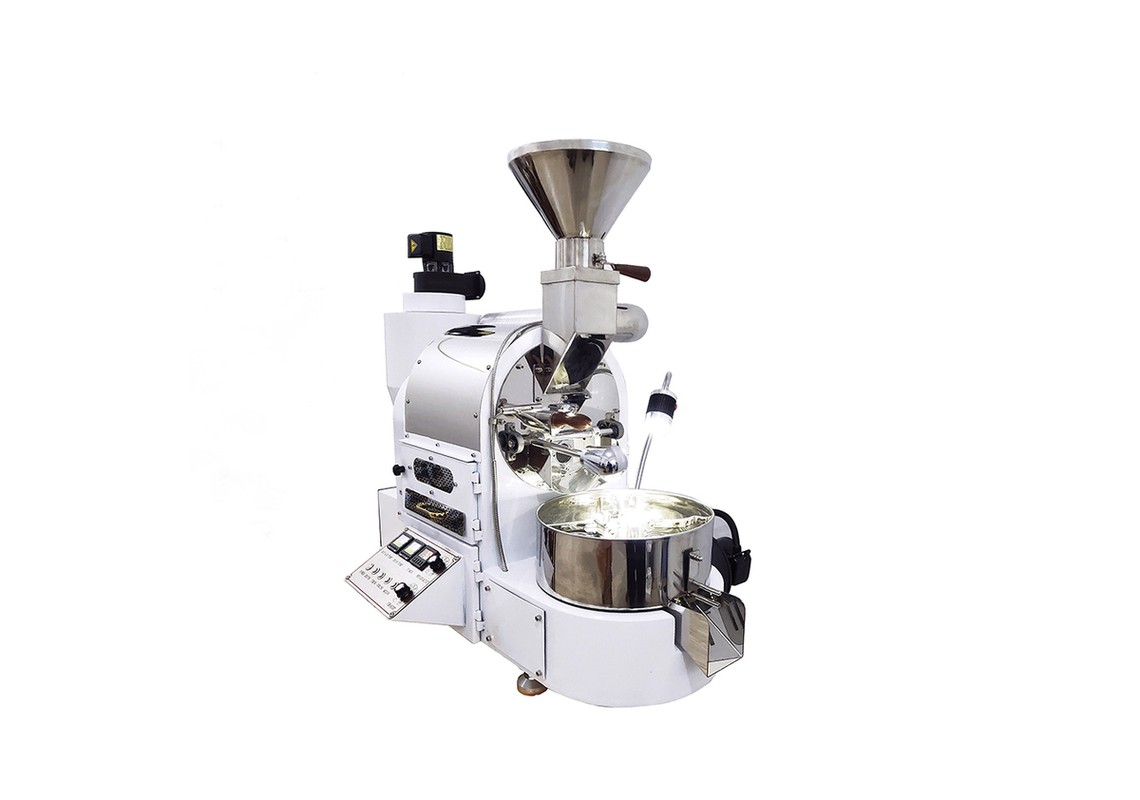
You are buying roasted beans now and paying someone else's margin on every kilo. A 1–3 kg drum covers a shop selling under 40 kg a week, keeps the roasting margin in your own till, and gives customers something to watch. Electric versions exist at this size, which matters when the landlord will not run a gas line.
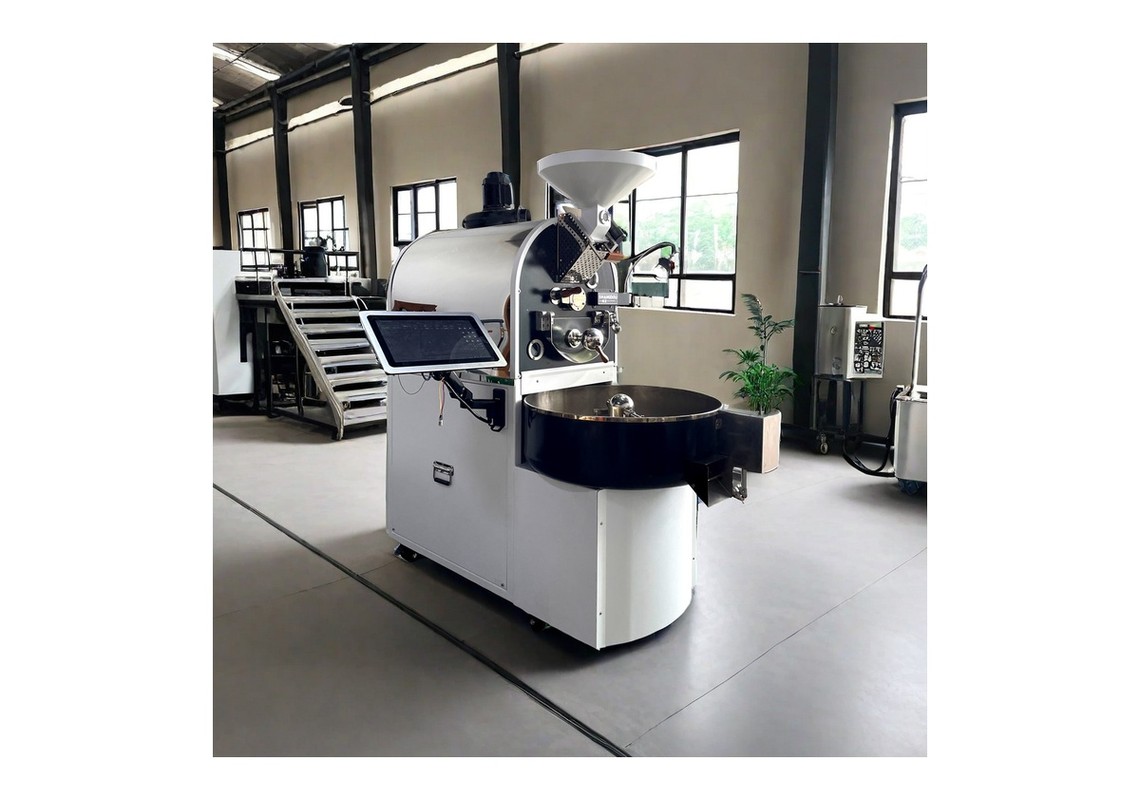
Wholesale accounts change the question from flavour to schedule: can you roast the week in the hours you have. Six to fifteen kilos a batch covers most growing roasteries, and the Pro versions repeat the profile your accounts signed off on, batch after batch, while your roastmaster is doing something else.
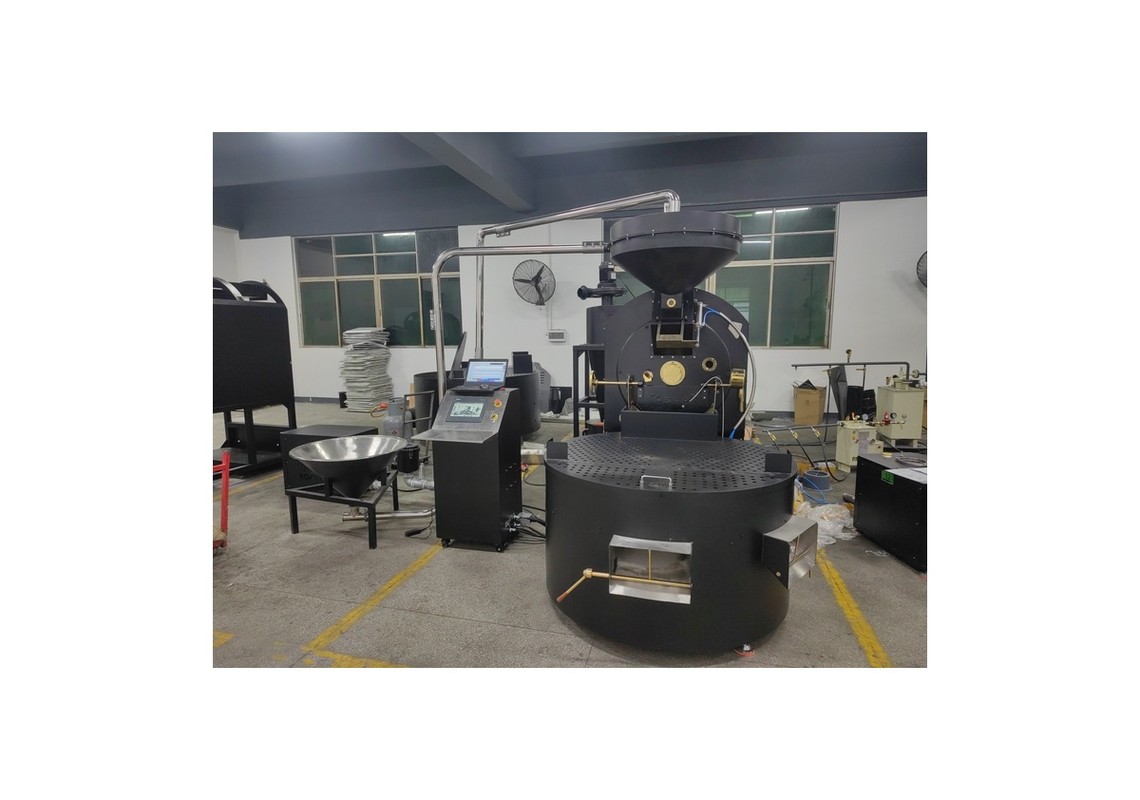
When you roast for other people's brands, consistency is the product and a drifting profile is a lost account. Twenty to sixty kilos a batch with the loader included keeps a multi-site chain or a co-packing operation supplied, and every machine can leave here in your customer's colour with their own mark on it.
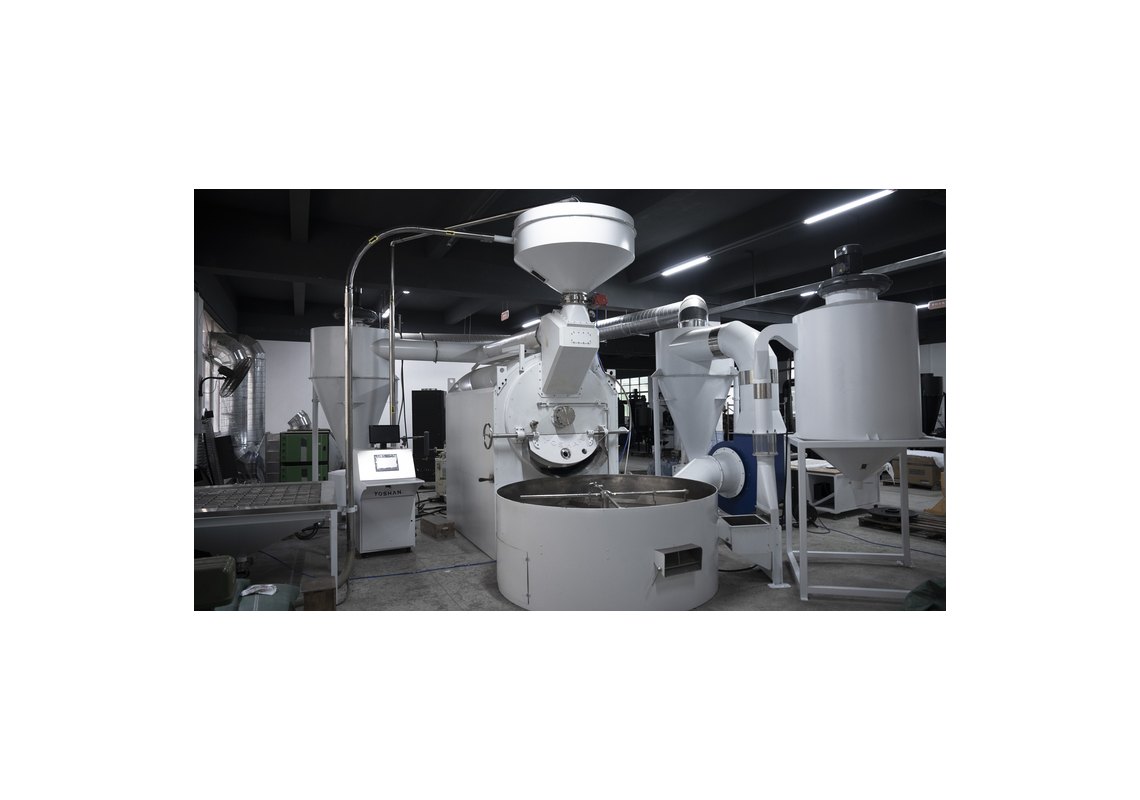
Roasting before the container leaves changes what you are selling and what it earns. From 120 kg upward you are buying a line rather than a machine — loader, destoner, afterburner and ducting quoted together on one document — and gas is usually easier to secure at origin than a large, stable grid connection.
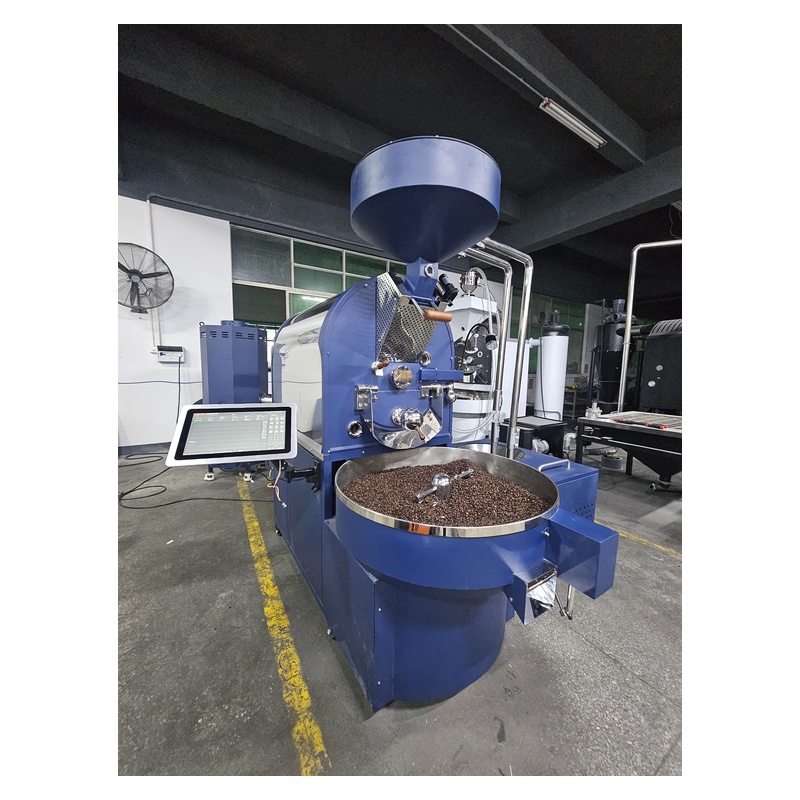
Which Size, in One Calculation
Take the roasted kilos you sell in a week and divide by the hours you are willing to stand at the machine. A 1.5 kg drum gives you 4–9 kg an hour, a 6 kg one 18–28, a 30 kg one 90–120. If the answer needs more than two roasting days a week, price the next size up as well — the gap between two sizes is usually smaller than the cost of running a second shift, and the smaller machine keeps its place as your sample roaster.
DY, SD or YS
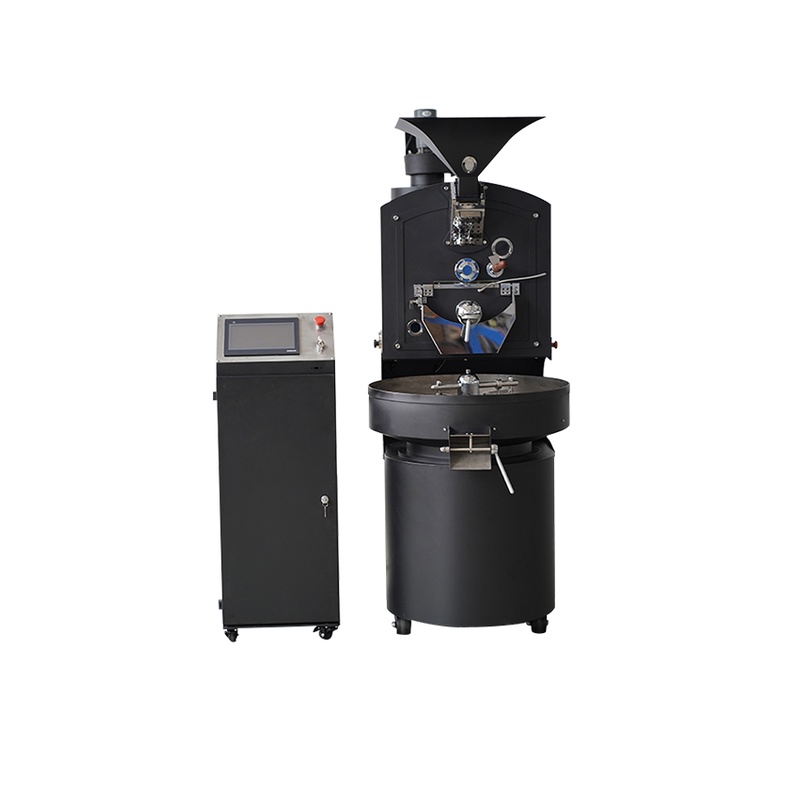
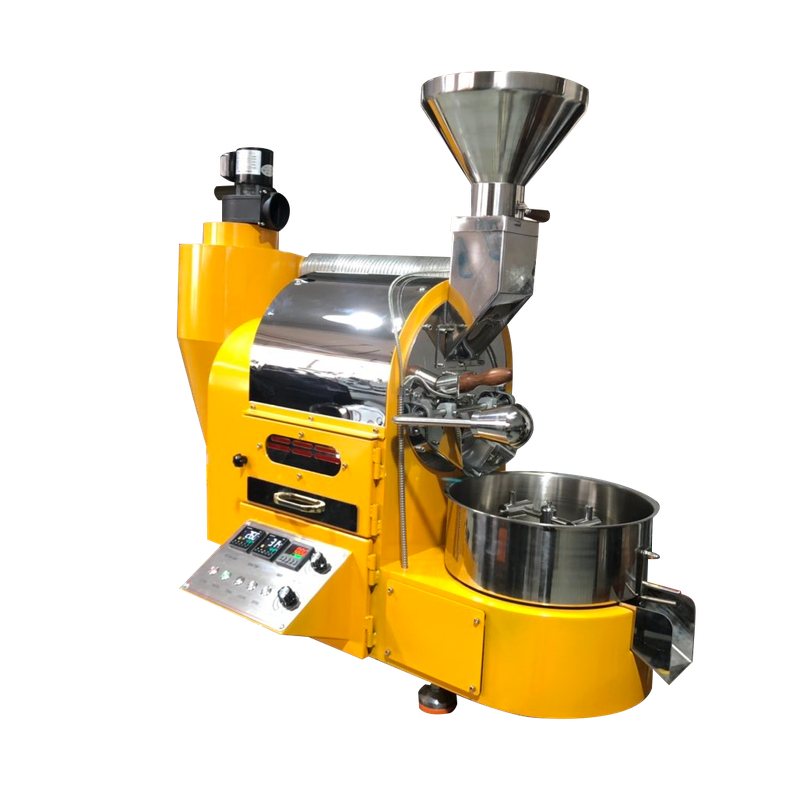
Three families cover every commercial coffee roaster we build. DY is 1–2 kg, half hot air and half direct flame, the cheapest way into roasting your own. SD runs 1.5 kg to 300 kg and is the main production line, with Pro versions that hold the curve automatically. YS runs 6 kg to 300 kg with a Siemens touchscreen station on every model, for roastmasters who want the controls where they can reach them.
Gas or Electric, and Where the Line Is
Below 20 kg you can have either: DY-1KG and DY-2KG are the same price on gas or electric, SD-1.5KG and SD-3KG have electric versions, and YS-6KG to YS-15KG are sold both ways. From 20 kg upward every commercial coffee roaster in our range is gas fired, because the power draw stops being practical at that bed depth. Electric needs three-phase 380 V on most models, so check the supply before you choose it.
Smoke, Flue and the Neighbours
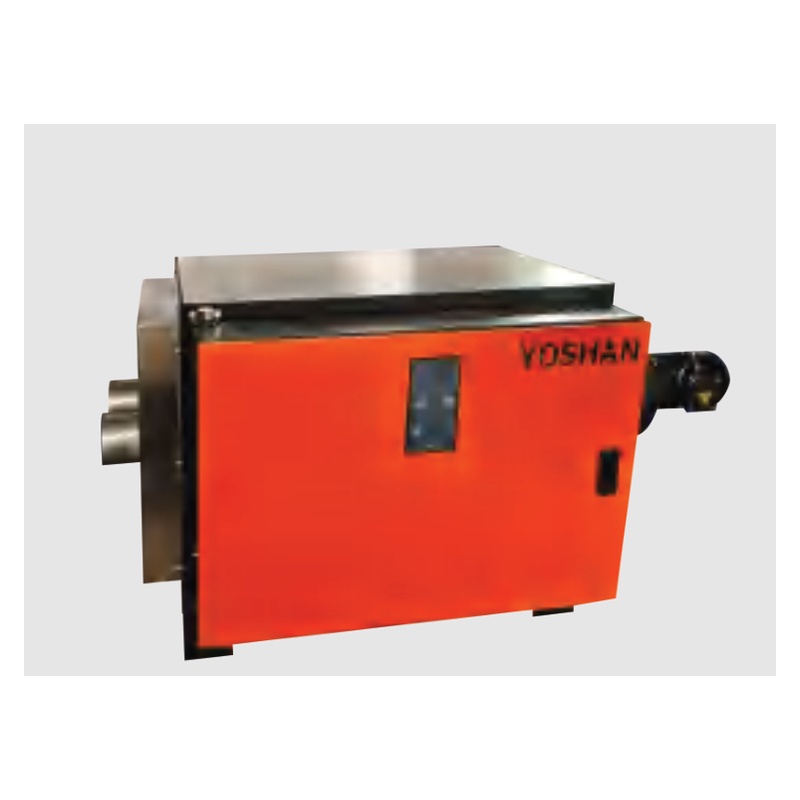
Roasting indoors is a ventilation question before it is a machine question. Every commercial coffee roaster ships with its cyclone; beyond that we build electrostatic smoke filters for every size from 1 kg to the 300 kg line, and afterburners from 1 kg to 60 kg, with the larger Pro lines carrying an afterburner inside the price. What your building needs is set by your local authority, so send us the limits in your permit and you get the unit sized against them.
Why the Prices Are on the Page
Because you cannot plan a roastery around a price you have to ask for. Every commercial coffee roaster here carries its published EXW price, from USD 899 for the 100 g sample drum to 289,999 for a complete 300 kg line. Freight, insurance and DDP delivery go on the same quotation so you compare landed cost, and the only items left open are the ones that depend on your building, like abatement and ducting.
Before It Ships, and After It Lands
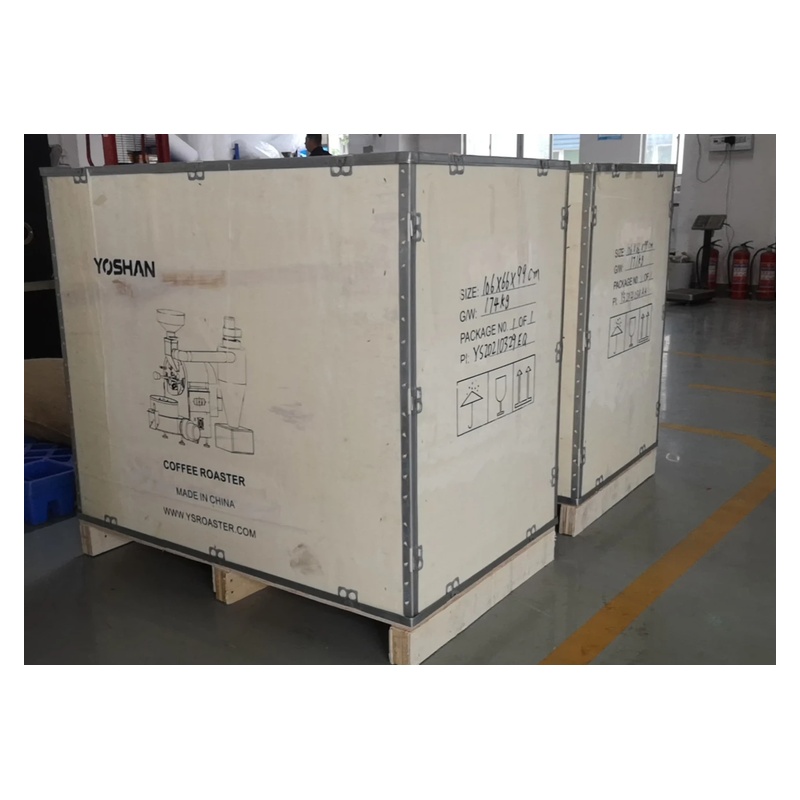
Your commercial coffee roaster is fired with green coffee before crating and you see the video and the packing photographs before the balance falls due. Warranty runs twelve months from arrival, extendable to two or three years depending on the series. Spare parts, the tool kit and the manual travel in the crate, and for the larger lines an engineer can travel out to commission the machine and train your operators.
Downloads
The catalogue, the certificates and the layout drawing, in the order a project usually needs them.
Every series and size in one document, with the specifications printed for each machine.
Scope, issuing body and the models each certificate names.
Your floor plan with the roaster, cyclone, filter and duct run drawn where they will actually go.
FAQ
Take your roasted kilos a week and the hours you want to spend roasting. Under 40 kg a week suits a 1–3 kg drum; 40 to 150 kg is comfortable on a 6 kg machine; beyond 300 kg a week you want 12–30 kg batches. Send us the number and we will put the calculation in writing before you choose.
DY is the 1–2 kg entry drum, half hot air and half direct flame. SD spans 1.5 to 300 kg and is the main production line, with fully automatic Pro versions. YS spans 6 to 300 kg and gives every model a Siemens touchscreen station. All three use cast-iron drums machined in our own plant.
Below 20 kg either works: DY machines cost the same on gas or electric, and SD-1.5KG, SD-3KG and YS-6KG to YS-15KG have electric versions. From 20 kg upward every machine we build is gas fired. Electric usually needs three-phase 380 V, so check the supply at the machine position first.
From USD 899 for the 100 g sample drum to USD 289,999 for a complete 300 kg line with its afterburner. The café and roastery sizes — 1 kg through 30 kg — run from USD 2,599 to 23,999. Every price on this page is EXW Shenzhen; freight and DDP delivery are quoted on the same document.
Usually, with the right extraction. Every roaster ships with a cyclone, and we build electrostatic smoke filters for every size from 1 kg to the 300 kg line, with afterburners for the machines up to 60 kg and inside the price on the larger Pro lines. What counts as acceptable is set by your local authority, so send us the limits in your permit and we will size the equipment against them.
The cyclone, a maintenance tool kit, the manual and the spare parts that belong to your model, in a film-wrapped wooden crate. Loaders, destoners and afterburners are included on the models listed in the specifications above, and anything else you order ships in the same consignment.
Small drums are dated on your quotation, and the SD-3KG electric version is quoted at 40–60 days. Above that, YS-20 and larger machines are 60–90 working days, and YS-120 to YS-360 are three to six months. Every date is confirmed in writing when the order is booked.
Where Most People Start
Choosing a Commercial Coffee Roaster: Size, Series, Fuel and What the Building Needs
Size Is a Scheduling Decision
Roasted kilos per week divided by the hours you want to spend roasting gives you the hourly rate you need, and the hourly rate points at one or two sizes. Everything else — flavour, control, brand — follows after that, because a machine that cannot roast your week is the wrong machine however good it is. Allow for growth honestly: the gap between a 6 kg and a 12 kg machine is smaller than the cost of running two shifts on the wrong one.
What Separates the Three Series
DY is the entry drum at 1 and 2 kg, half hot air and half direct flame, with gas and electric at the same price. SD is the production line from 1.5 kg to 300 kg, with Pro versions that repeat a stored curve; it is what most roasteries end up owning. YS runs 6 kg to 300 kg and puts a Siemens touchscreen station beside every machine, which suits operations where a roastmaster is holding the profile rather than a program. Cast iron and our own drum machining are common to all of them.
Gas, Electric and the 20 kg Line
Under 20 kg the choice is real and often costs nothing: DY machines are the same price either way, and SD-1.5KG, SD-3KG and the YS-6KG to YS-15KG machines all have electric versions. From 20 kg up, every machine here is gas fired. Electric versions mostly need three-phase 380 V, so confirm the supply at the machine position before the choice is made rather than after the crate arrives.
What the Building Has to Provide
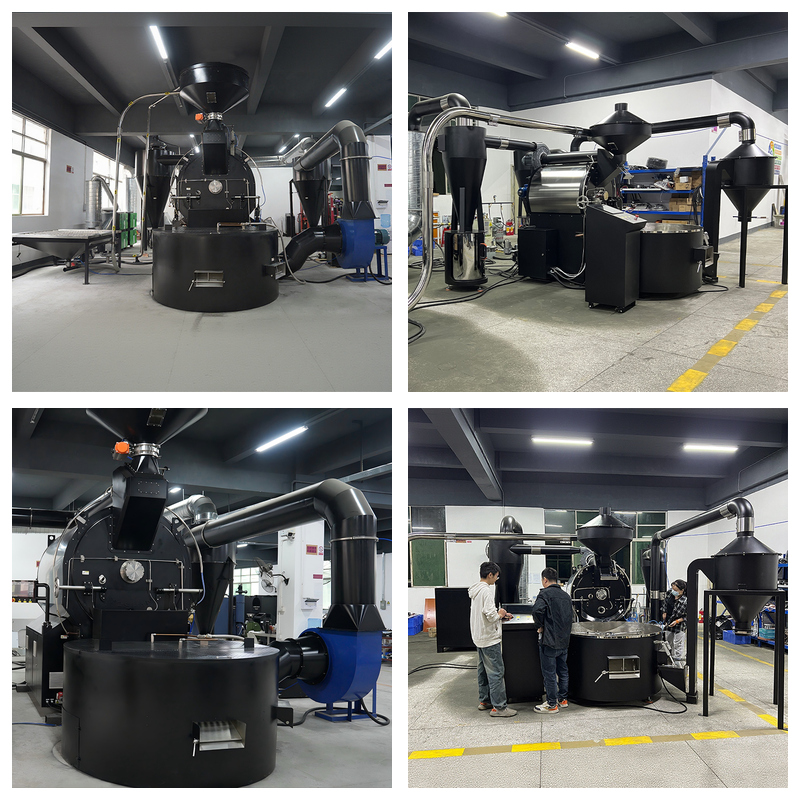
A flue route your authority will accept, ventilation sized for the drum, three-phase power where the model needs it, a gas supply that holds pressure at full draw, floor loading for the machine and clear access to bring it in. Small drums can go into a café corner with an electrostatic filter; from 30 kg upward you are planning a room. The layout drawing goes out with your quotation, so your contractor can check all of it on paper months before shipment.
Prices, Terms and Acceptance
Every price on this page is EXW Shenzhen and published rather than quoted on request. Freight, insurance and DDP delivery are priced on the same document so you can compare landed cost between suppliers. Payment is half to start the build and half before shipment, released after you have watched your own machine roast green coffee on video. Warranty is twelve months from arrival, with extensions available by series, and the crate carries the tool kit, the manual and the spare parts list.