
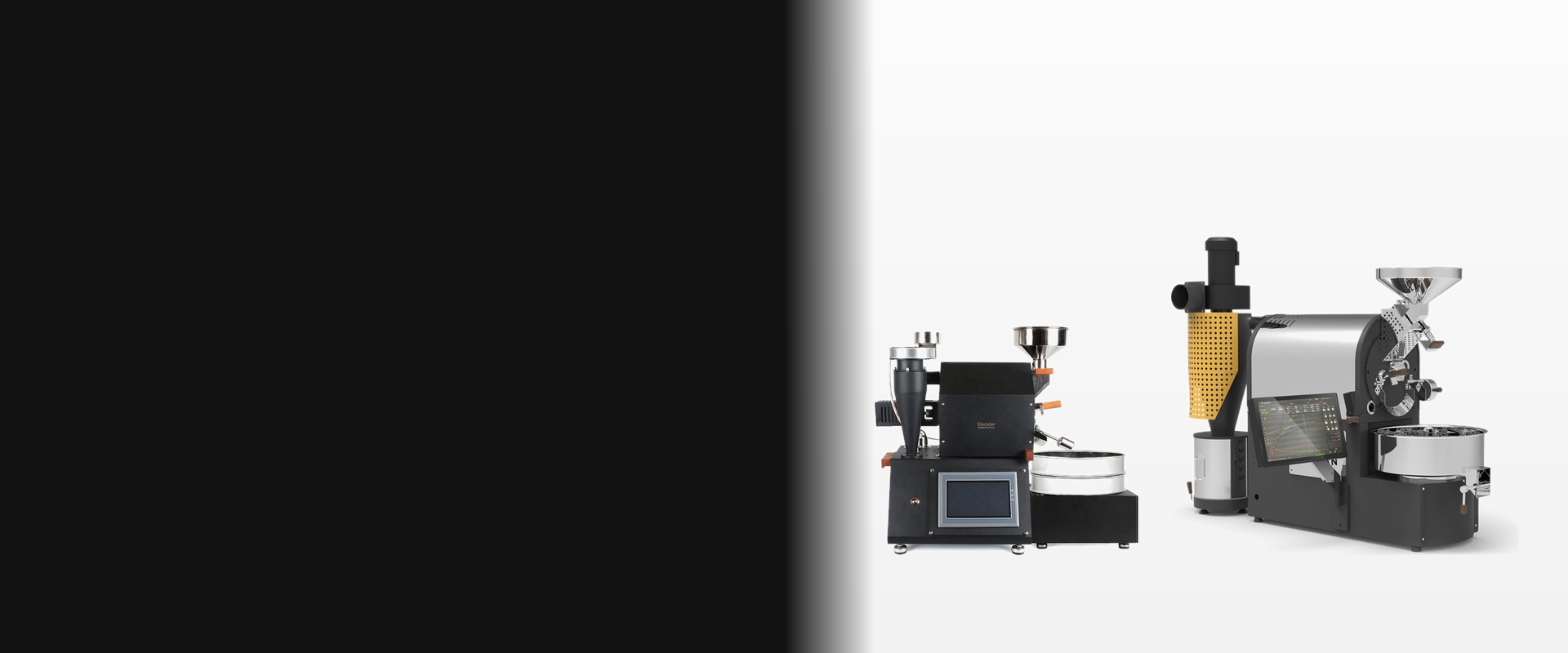
Five Mini Coffee Roasters for Sale, With Prices
US dollars, EXW Shenzhen, 2026. The first two sit on a worktable; the kilo class needs about one square metre each. Every mini coffee roaster machine you see here is a drum roaster from our own plant. Need something larger? See every coffee roaster we build, 100 g to 300 kg.
Bench-Top Mini Coffee Roasters · 100g and 500g
-
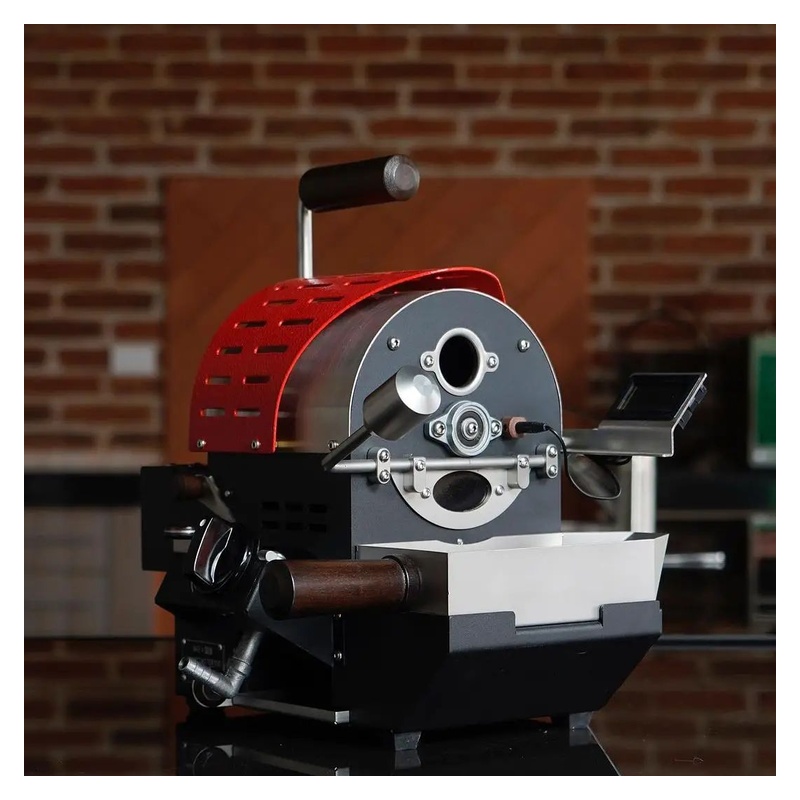 100 g · Manual · USD 899
Bench-top gas drum at 344 × 313 × 362 mm, roasting 100–120 g from a small canister or full LPG cylinder.
-
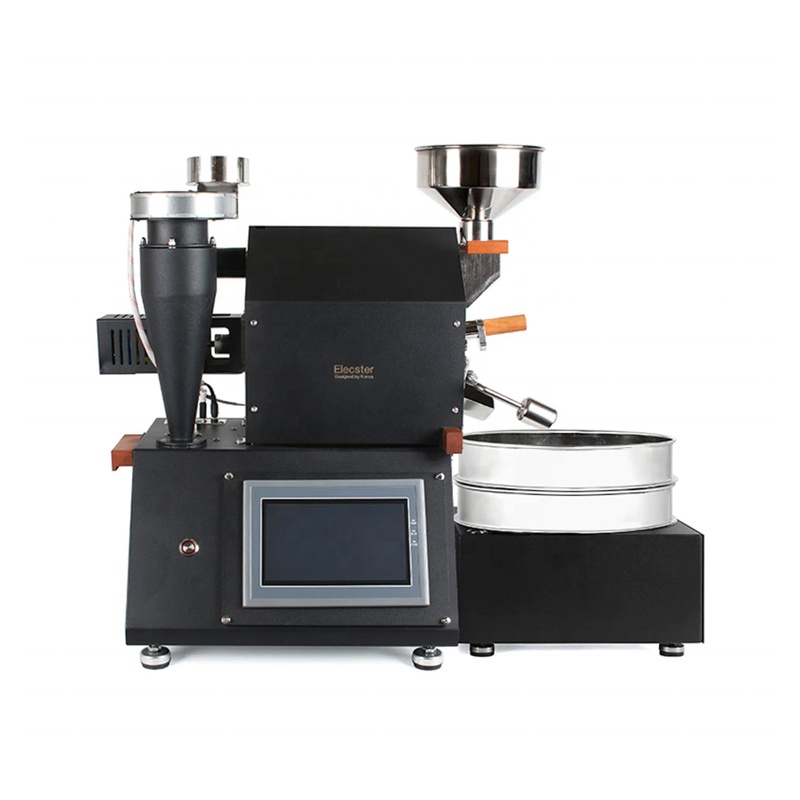 500 g · Electric · USD 1,699
Plug-in electric drum, 500 × 300 × 580 mm and 33 kg, with its touchscreen and Artisan logging built in.
1kg-Class Mini Coffee Roasters · 1 to 1.8 kg a Batch
-
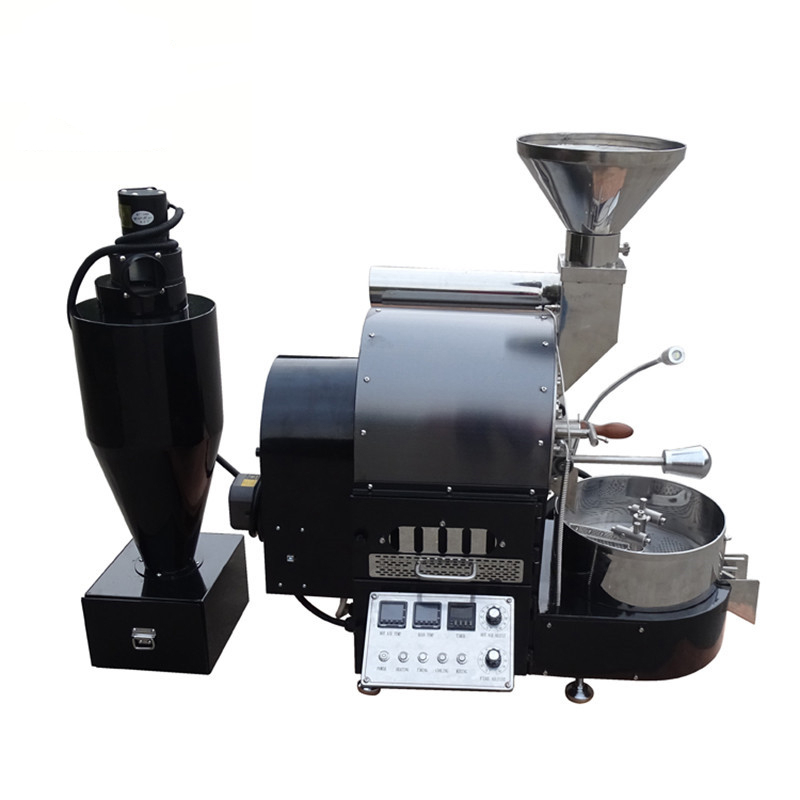 1 kg · Manual · USD 2,599
Kilo-class drum on 1200 × 800 mm, gas or single-phase electric at the same price, logging over USB or Bluetooth.
-
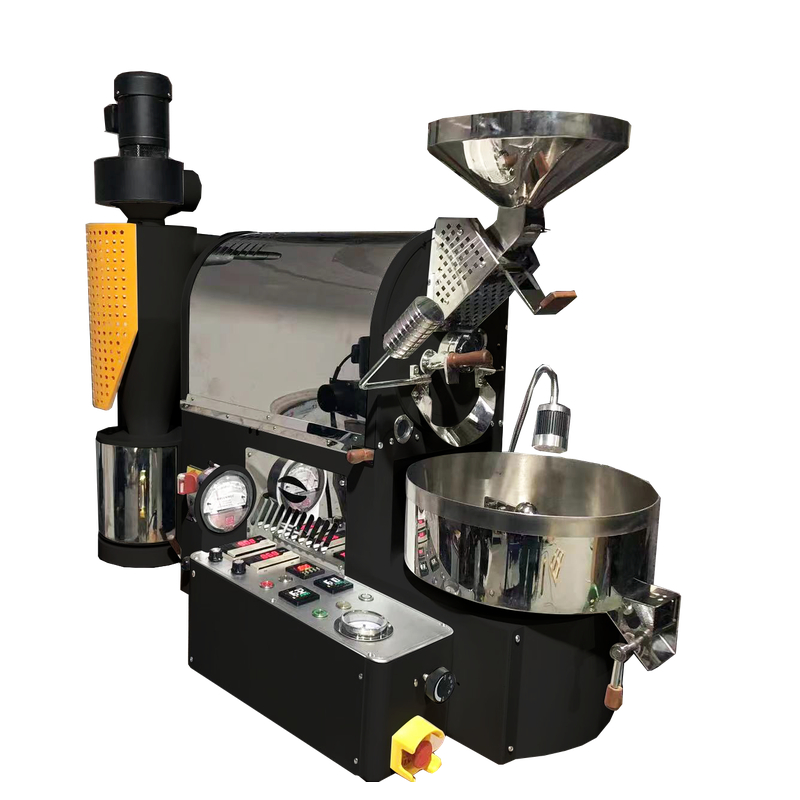 1.5 kg · Manual · USD 3,299
Cast-iron 1–1.8 kg drum on 1350 × 800 mm; its electric heater-tube version needs three-phase power.
-
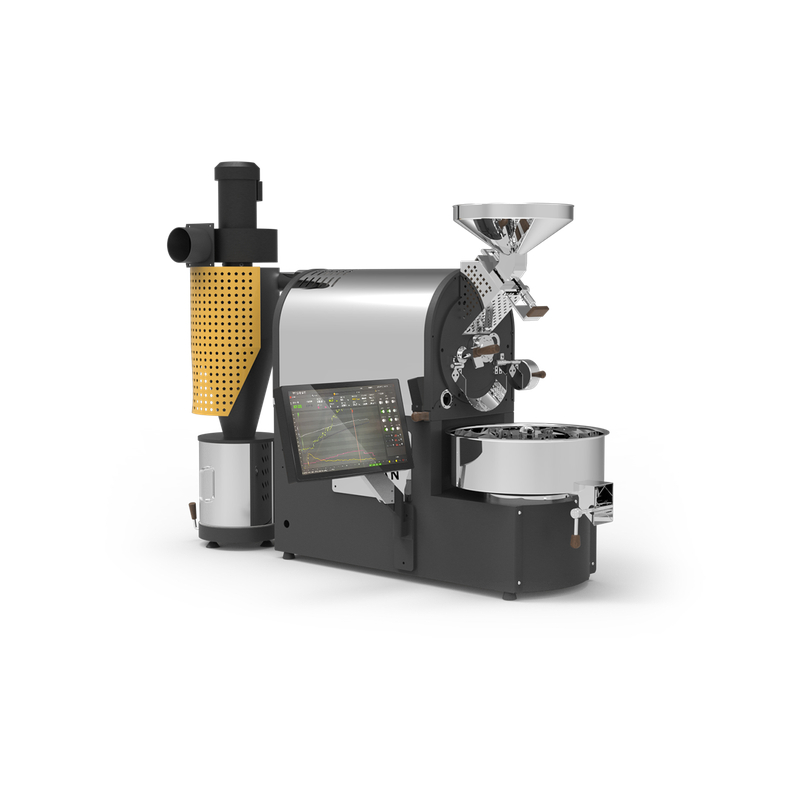 1.5 kg · Fully automatic · USD 5,399
Same footprint as the SD-1.5KG, with a PLC touchscreen that stores and repeats your approved curve.
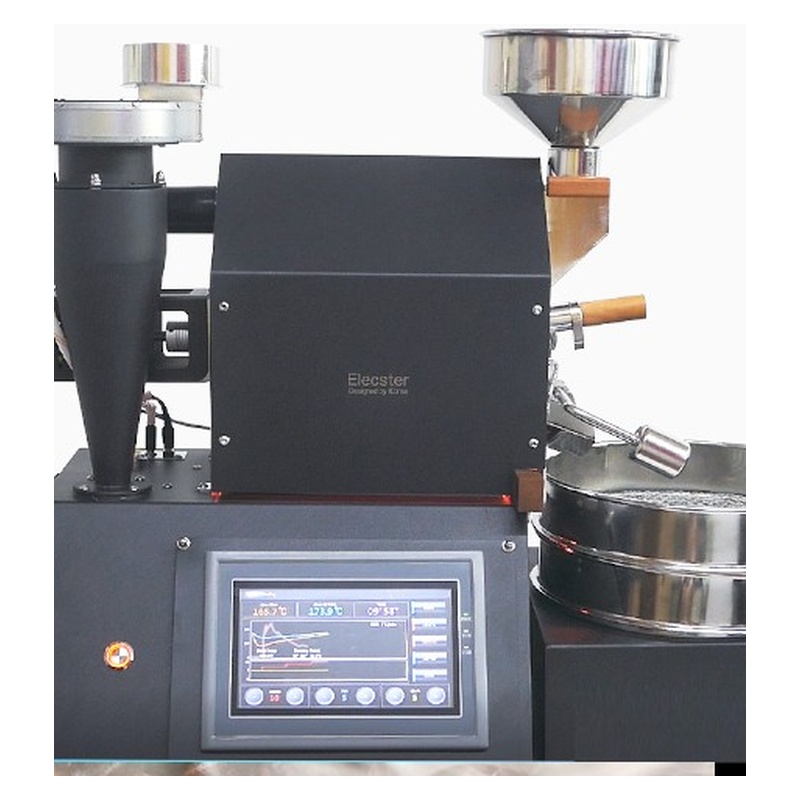
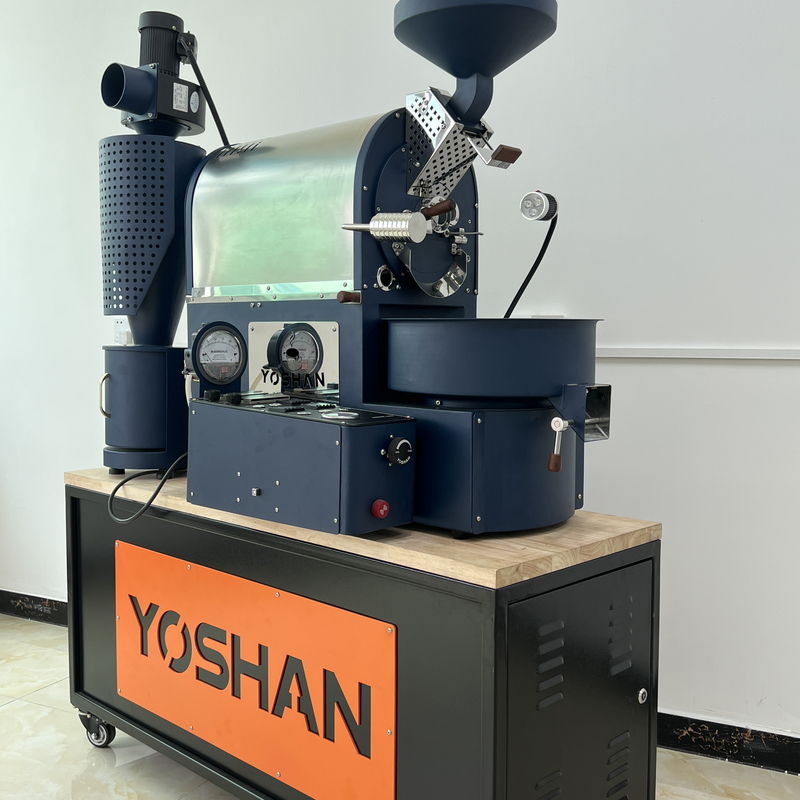
SD 100G Plus, EC-500G, DY-1KG, SD-1.5KG and SD-1.5 Pro Mini Coffee Roasters
- Five mini coffee roasters, 100 g to 1.8 kg a batch
- USD 899 to 5,399, each price published
- Two bench-top models; three on about one square metre
- EC-500G runs from a single-phase 220–240 V socket
- DY-1KG costs the same on gas or electric
- Artisan built into EC-500G; USD 199 kit for SD 100G Plus
- SD-1.5 Pro repeats your approved curve automatically
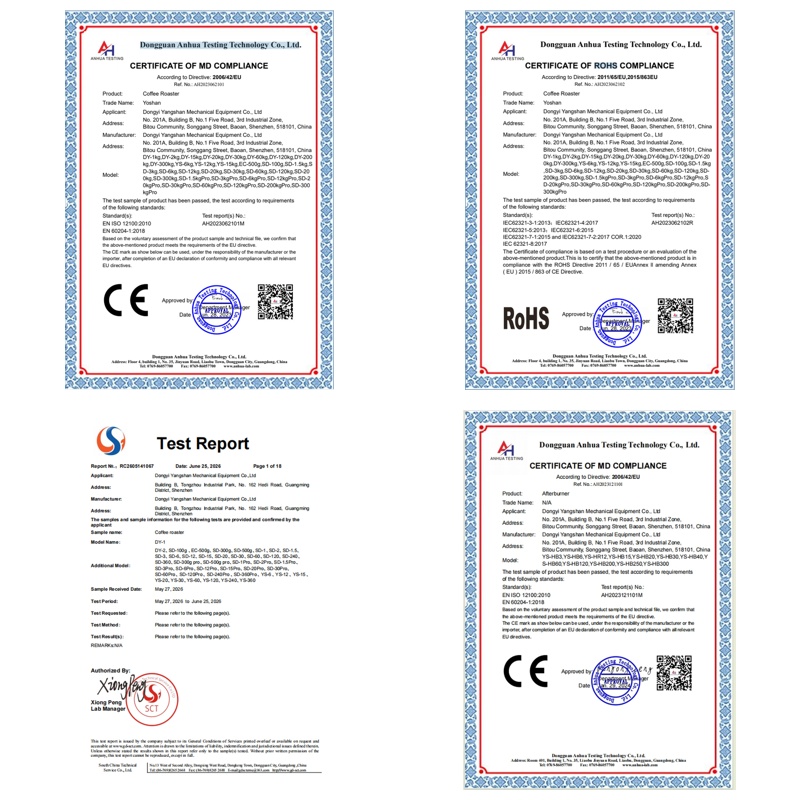
- CE (Machinery and Low Voltage) and RoHS
- Size and Footprint
- Gas or Plug-In
- Batch, Time and Control
- Warranty & Support
A mini coffee roaster, in our range, is one you can install without planning a roastery around it. Two sit on a worktable: the 100 g SD 100G Plus and the 500 g EC-500G. Three need about one square metre each: the DY-1KG, the SD-1.5KG and the fully automatic SD-1.5 Pro. All five are drum roasters built in our Shenzhen plant on the same principle as our production lines, only smaller. Measure the space you have, check the supply in the next tab, and the choice usually makes itself. The table gives every machine's size and weight, so you can hold it against your bench or floor plan before you ask us for a quote.
| Model | Machine size (W × D × H) | Weight | Where it goes |
|---|---|---|---|
| SD 100G Plus | 344 × 313 × 362 mm | Confirmed on your quotation | Bench or worktable |
| EC-500G | 500 × 300 × 580 mm | 33 kg (73 lb) with cyclone and cooling tray | Bench or worktable |
| DY-1KG | 1200 × 800 × 1100 mm | 130 kg (287 lb) with chaff cyclone | About 1 m²; ZX-1 (USD 399) or ZX-2 (USD 599) worktable available |
| SD-1.5KG | 1350 × 800 × 1150 mm | 130 kg (287 lb) | About 1.1 m² |
| SD-1.5 Pro | 1350 × 800 × 1150 mm | 130 kg (287 lb) | About 1.1 m²; ZX-2 worktable (USD 599) available |
Pick the machine your building can already feed. Only the SD 100G Plus is gas-only; the EC-500G is electric-only; the other three come either way.
| Model | Heat source and supply |
|---|---|
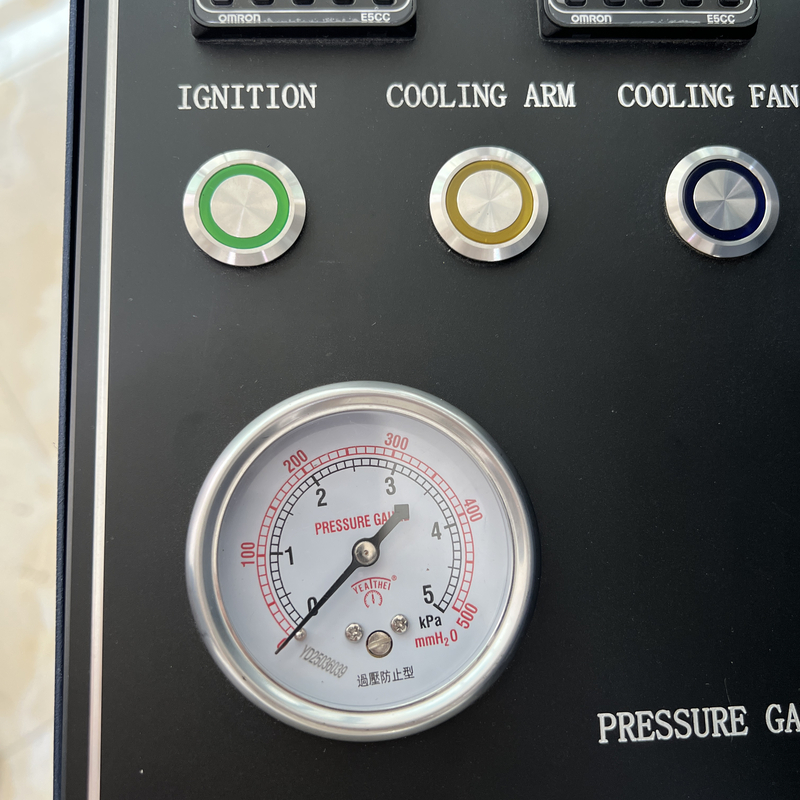
| SD 100G Plus | LPG, 3/8-inch connection, with a pressure gauge; 220 V 50 Hz, 30 W |
| EC-500G | Fully electric, single-phase 220–240 V 50/60 Hz; 2.4 kW heating, 2.5 kW in total |
| DY-1KG | LPG, natural gas or electric at the same price; gas model 190 W, electric 4.19 kW on single-phase 220–240 V; gas use 0.13 kg/h |
| SD-1.5KG | Gas, 600 W on 220 V, gas use 0.25 kg/h; electric heater-tube version at the same price on three-phase 380 V, 7 kW |
| SD-1.5 Pro | Gas, or electric full hot air at no extra cost on three-phase 380 V |
| Natural gas | At least 3 kPa at the machine |
| Plugs | Electric-heated machines connect to a residual-current breaker rather than a plug; the EC-500G is the exception |
| 110 V countries | A transformer or a 220 V commercial line is needed; send your voltage with the enquiry |
| Model | Batch | Cycle | Control and logging |
|---|---|---|---|
| SD 100G Plus | 100–120 g (0.2–0.3 lb) | Drum at 50 rpm | Manual; Artisan with the USD 199 communication kit |
| EC-500G | 200–500 g (0.4–1.1 lb), 600 g maximum | 5–20 min roast, 1–2 min cooling | Touchscreen with data logger; Artisan module included |
| DY-1KG | 0.2–1.5 kg (0.4–3.3 lb) | 12–15 min roast, 1–2 min cooling | Manual panel; Artisan over USB or Bluetooth |
| SD-1.5KG | 1–1.8 kg (2.2–4 lb); 4–9 kg (9–20 lb) an hour | 6–12 min after a 180 °C preheat, 1–2 min cooling | Manual button panel |
| SD-1.5 Pro | 1–1.8 kg (2.2–4 lb); 4–9 kg (9–20 lb) an hour | 6–12 min after a 180 °C preheat, 1–2 min cooling | PLC touchscreen, fully automatic, switchable to manual |
| Item | What you get |
|---|---|
| Warranty | Twelve months from arrival; the DY-1KG can be covered for two years (+USD 299) or three (+USD 799), the SD models for two (+USD 699) |
| Parts | A part that fails without misuse in the first year is replaced and sent by air express at our cost |
| Support | Phone and online technical support 24/7 for the life of the machine |
| Before shipping | Test-roasted with green coffee; you receive the video and packing photos before the balance is due |
| Payment | 50% to start the build, 50% before shipment; T/T, L/C, PayPal or card |
| Prices and delivery | EXW Shenzhen; freight or DDP delivery quoted on the same document; dates confirmed on your quotation |
| Certification | CE (Machinery and Low Voltage) and RoHS |
What Every Yoshan Mini Coffee Roaster Shares


Where a Mini Coffee Roaster Fits
Four rooms you might be roasting in, and the machine that suits each one.
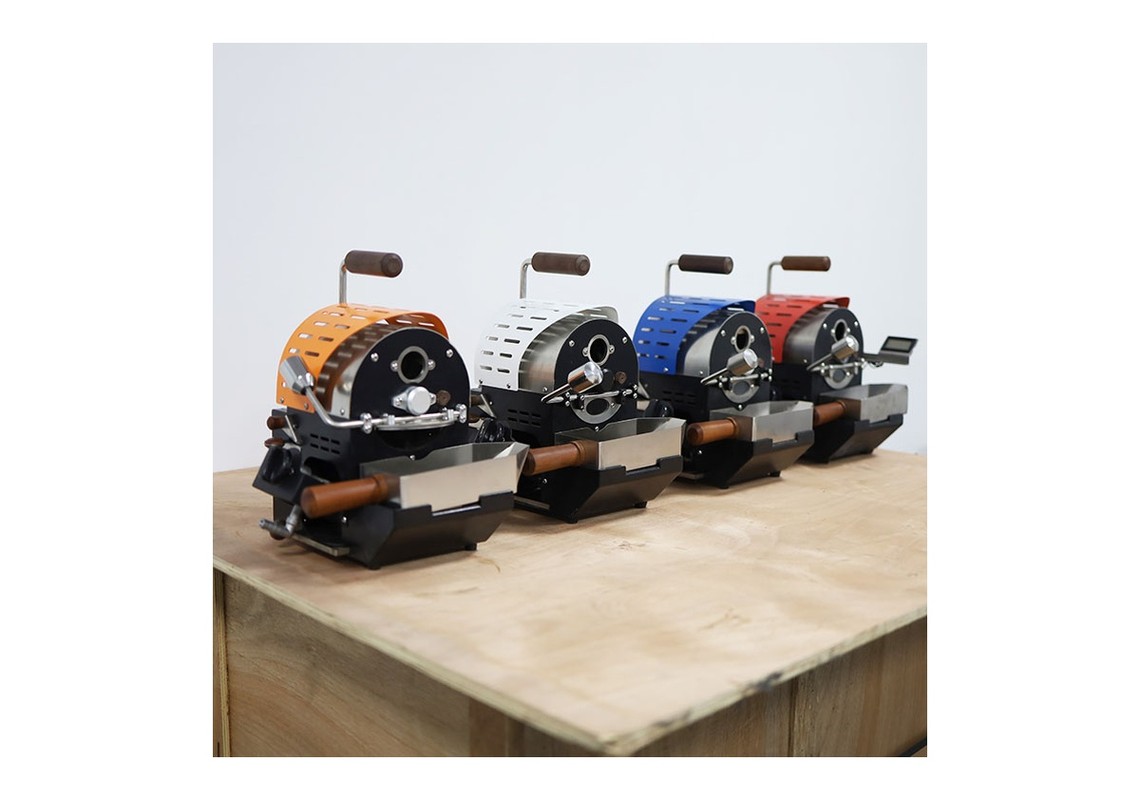
In a lab, a mini coffee roaster earns its space by roasting many small lots rather than one big one. The SD 100G Plus takes 100–120 g, fits a worktable at 344 × 313 × 362 mm and runs from a gas canister, so several can stand side by side on one bench. Add the USD 199 kit and every sample curve lands in Artisan next to the rest of your records.
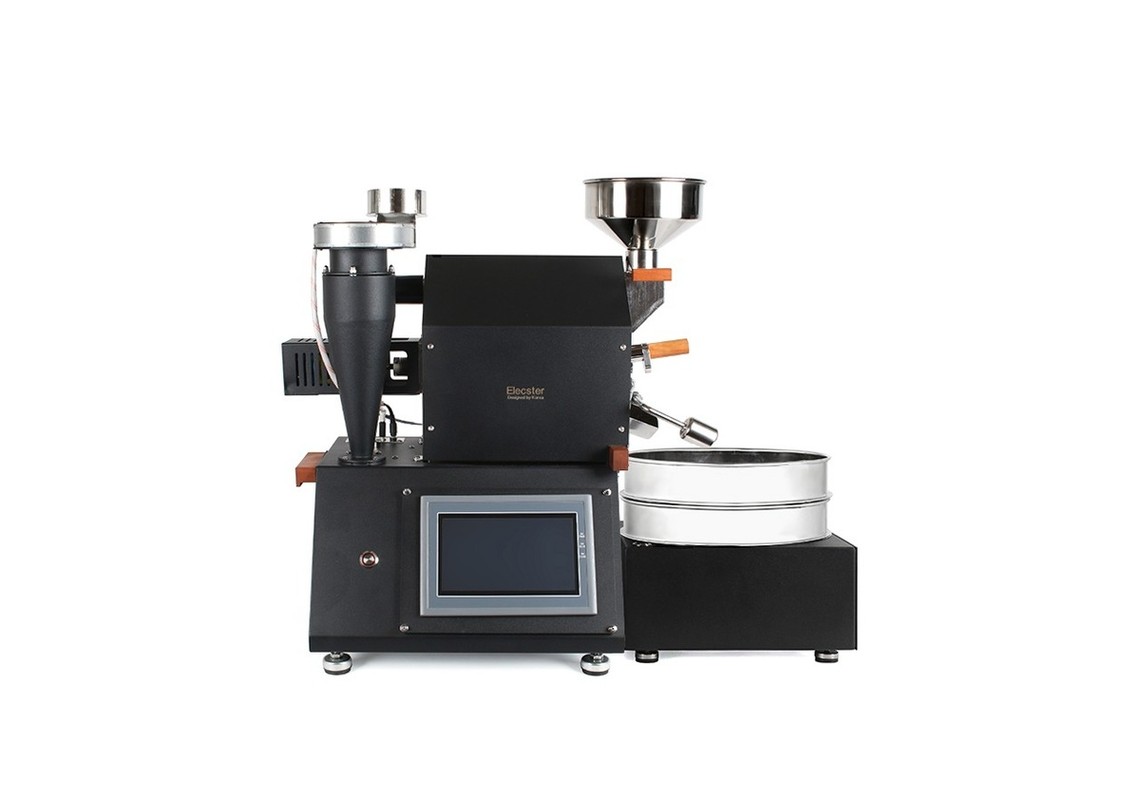
Kiosks and small cafés often have power but no gas line. The EC-500G is the small coffee roaster for that counter: single-phase 220–240 V, 2.5 kW in total, 500 × 300 × 580 mm and 33 kg, with its touchscreen and Artisan module already inside. Roast 200–500 g at a time for the day's pour-over, and plan how the exhaust leaves the room before you install it.
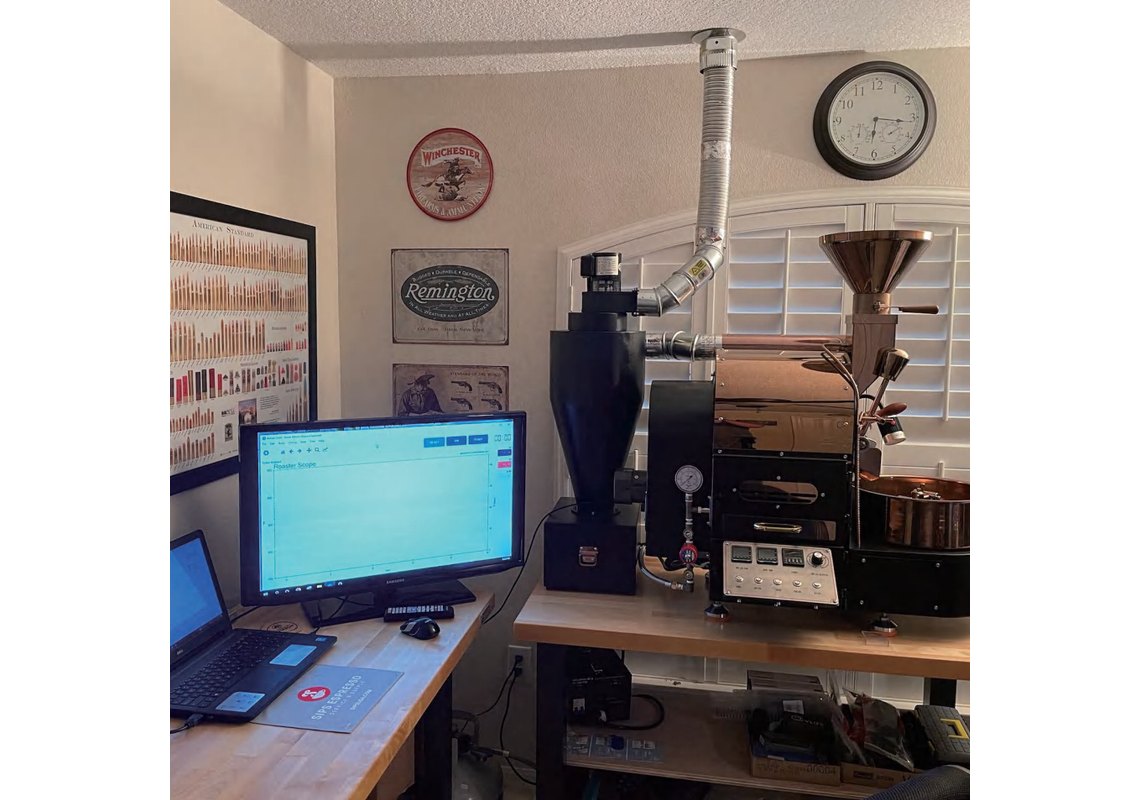
Once you sell beans by the bag, a kilo-class drum is the sensible step, and it still needs only about one square metre. The DY-1KG roasts up to 1.5 kg in 12–15 minutes on LPG, natural gas or single-phase electric at one price, and logs to Artisan over USB or Bluetooth. Set it on its matching worktable and it becomes part of the room.
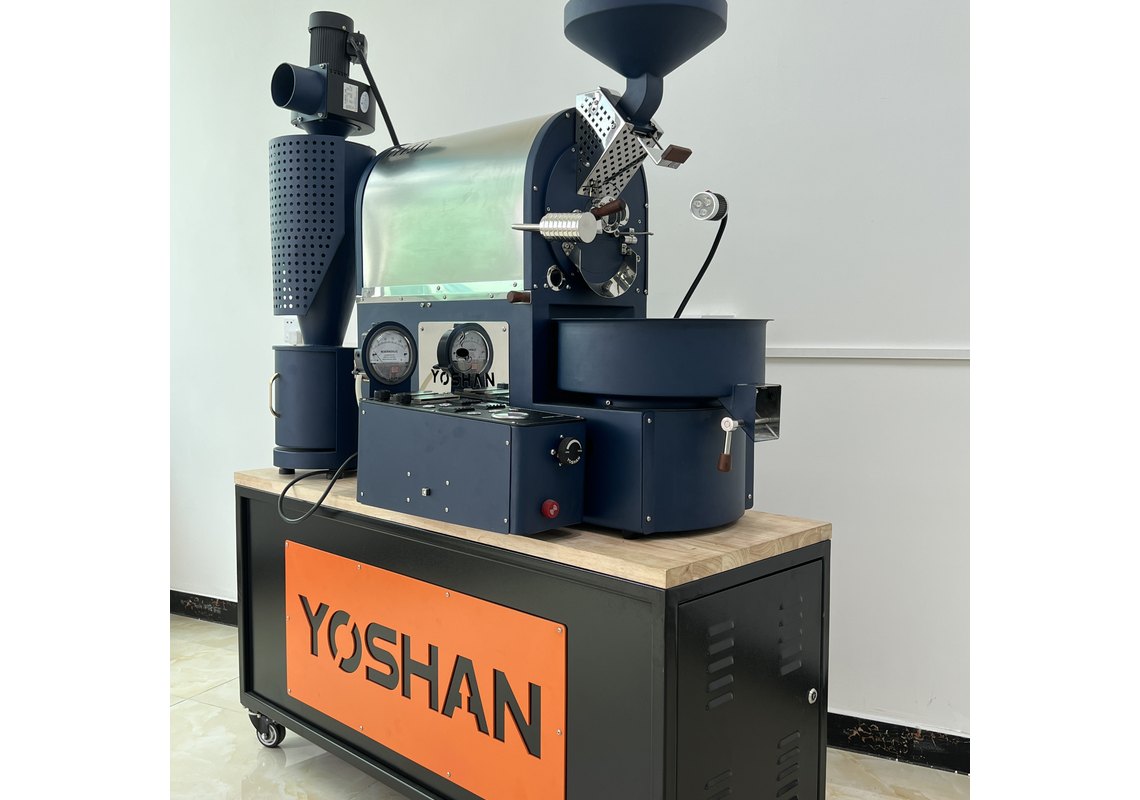
An online brand roasting to order wants the same curve every time without someone standing over the drum. The SD-1.5 Pro keeps the SD-1.5KG's cast-iron drum and 4–9 kg an hour but adds a PLC touchscreen that repeats your approved profile. The manual SD-1.5KG costs USD 2,100 less if you would rather drive it yourself. Both need about 1.1 m² of floor.
How Much Room a Mini Coffee Roaster Needs
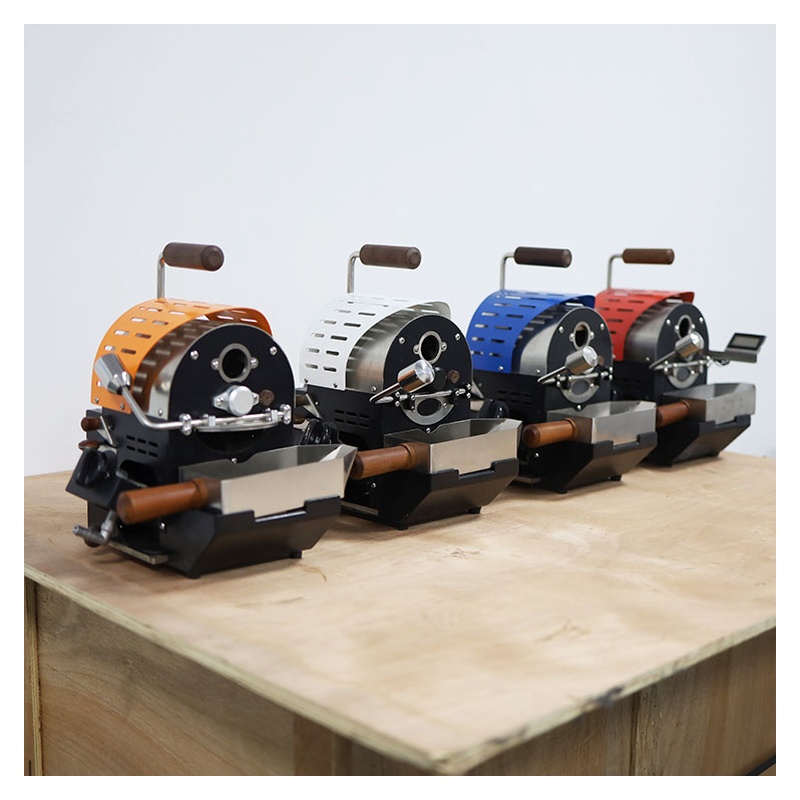
Measure the bench or the floor first. The two tabletop models are 344 mm (SD 100G Plus) and 500 mm (EC-500G) wide, so a standard worktable holds either with room to spare. The kilo class needs 1200 × 800 mm for the DY-1KG and 1350 × 800 mm for either SD-1.5. Leave space behind for the exhaust pipe and in front for the cooling tray, and your mini coffee roaster fits where you planned it.
Gas Canister or Wall Socket
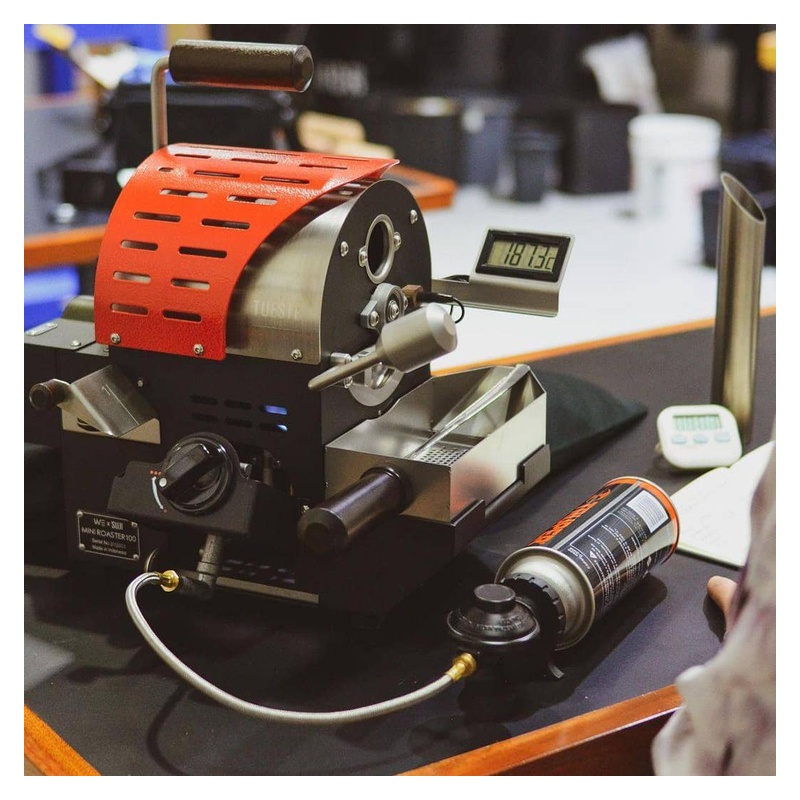
A mini coffee roaster should run on what your site already has. The SD 100G Plus takes an LPG canister, the EC-500G plugs into a single-phase 220–240 V socket, and the DY-1KG runs on gas or single-phase electric at the same price. The electric SD-1.5 versions need three-phase 380 V, so check with your electrician before choosing that route. Where the mains is 110 V, budget for a transformer or ask your utility for a 220 V line.
What a Mini Roaster Turns Out in a Session
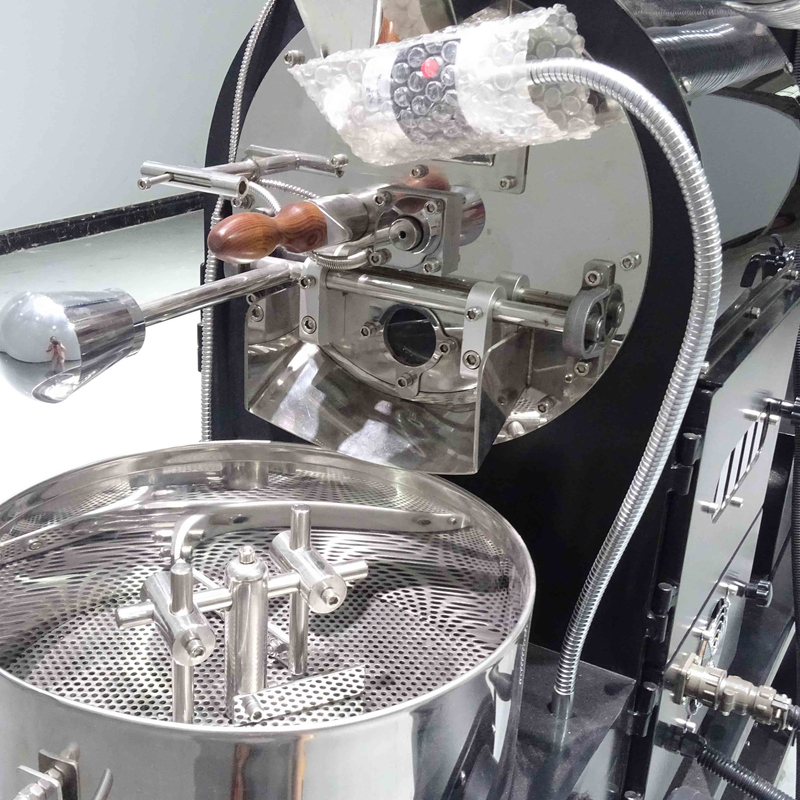
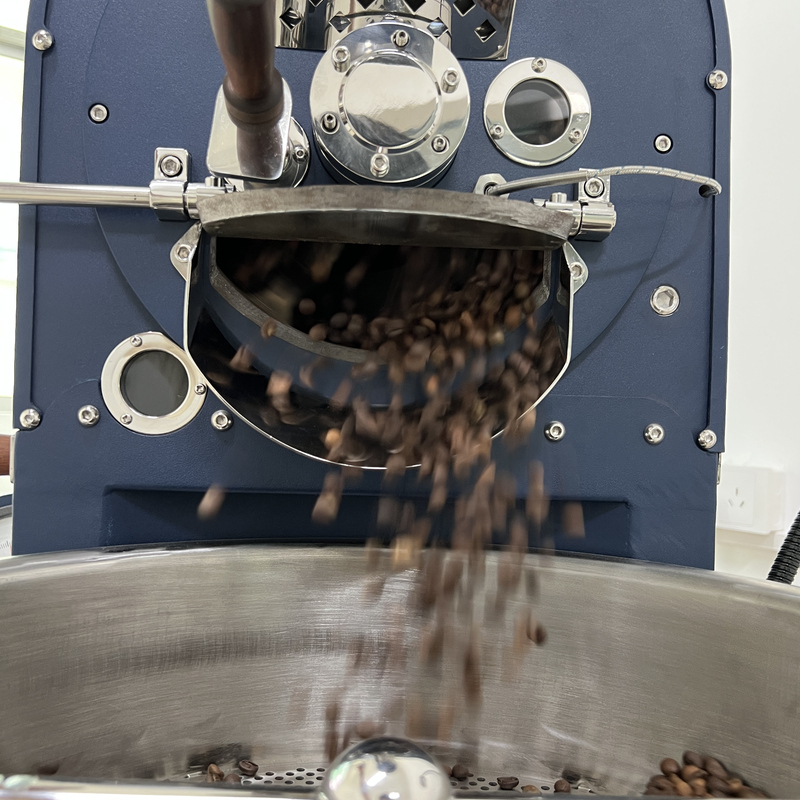
Count batches, not hours. The DY-1KG finishes a roast in 12–15 minutes plus 1–2 minutes of cooling, so three to four batches an hour is realistic. The SD-1.5KG turns out 4–9 kg an hour once preheated to 180 °C, and the EC-500G's 5–20 minute cycle suits a few hundred grams at a time. The video shows our 1 kg and 2 kg class running, to help you size a mini coffee roaster.
Logging Every Curve
A small batch is only worth repeating if you can see how it went. The EC-500G ships with its Artisan module, the DY-1KG connects over USB or Bluetooth, and the SD 100G Plus logs too once you add the USD 199 kit. The SD-1.5 Pro goes a step further by storing the curve you approve and running it again. Whichever mini coffee roaster you choose, ask which logging setup comes with it.
Smoke From a Small Drum
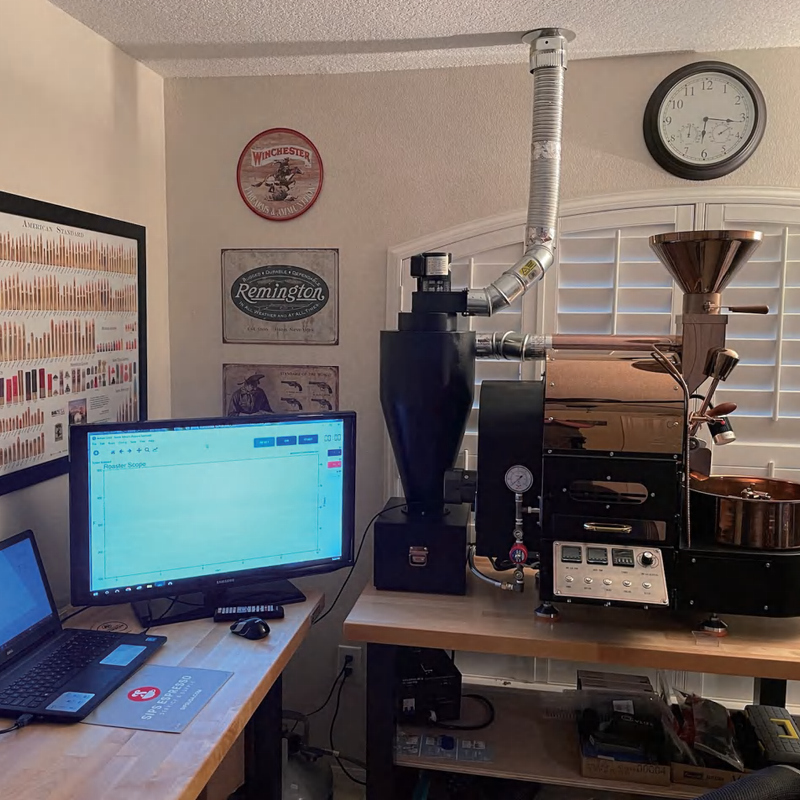
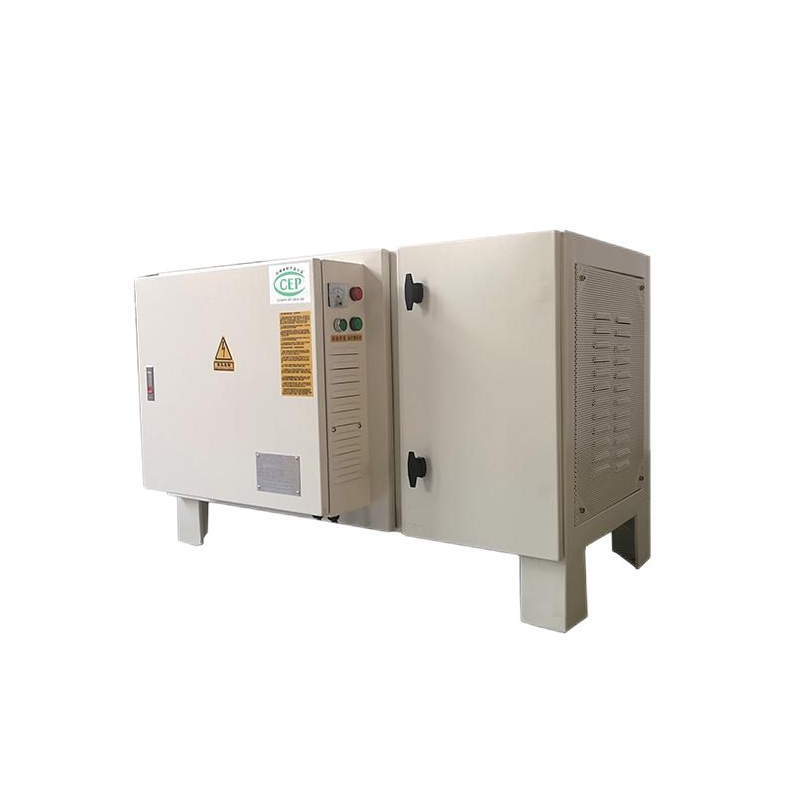
Every mini coffee roaster ships with its cyclone to catch chaff, but the smoke still has to leave the room, so route the exhaust outside first. For the kilo class, the JD-3k electrostatic filter (USD 1,500) cleans that exhaust and doubles as the machine's stand; there is no matching filter for the 100 g and 500 g models. Your local authority sets the limits, so send them with your enquiry.
Test-Roasted Before It Ships
Every mini coffee roaster is fired with green coffee before it is crated, and you receive the video and packing photographs of your own machine before the balance is due. It travels in a film-wrapped plywood case with its cyclone, tool kit and manual. Prices are EXW Shenzhen, and freight or DDP delivery to your door goes on the same document, so you compare landed cost rather than the machine alone.
Each Mini Coffee Roaster's Own Page
Buying a Mini Coffee Roaster: Size, Drum, Control and When to Move Up
What Makes a Coffee Roaster Mini
A mini coffee roaster is defined by the room it needs, not by a batch number. Ours run from 100 g to 1.8 kg a batch, and what they share is that none of them requires you to build around it: a worktable, a wall socket or a gas canister, and a route for the exhaust are enough. Some buyers call the same class a micro coffee roaster or a mini coffee bean roaster; the questions are the same whatever the name.
Bench-Top or Kilo Class
Decide by what happens to the coffee after it cools. If it is cupped and discarded, or used to teach, a bench-top drum at 100 g or 500 g does the job for the lowest cost and the least space. If it is bagged and sold, you want the kilo class, where a batch is large enough to fill orders and the drum holds its heat between roasts.
Stainless or Cast Iron
The DY-1KG uses a double-walled 304 stainless drum; the SD-1.5KG and SD-1.5 Pro use cast iron, with a double-layer cast-iron drum on the Pro. Cast iron holds heat well, which helps when you roast batch after batch. Both are real drum roasters rather than hot-air appliances, and both are built for daily commercial use.
Manual or Automatic at This Size
At this size most buyers roast by hand, and that is how the craft is learned: heat, airflow and the drop are yours to judge. The SD-1.5 Pro is the one fully automatic mini coffee roaster in our range, worth its extra cost when a second person will run the roaster or when a wholesale customer expects the same curve every week.
When to Move Up
The signal is time, not taste. If the SD-1.5KG is running most of the day to keep up with orders, the next step is the 3kg coffee roaster at 8–12 kg an hour; if you need a little more than a kilo in about the same space, look at the 2kg coffee roaster. The mini machine can stay on as the sample roaster beside the bigger drum.
Each mini coffee roaster for sale here carries its own price: USD 899 for the SD 100G Plus, 1,699 for the electric EC-500G, 2,599 for the DY-1KG, 3,299 for the SD-1.5KG and 5,399 for the fully automatic SD-1.5 Pro, all EXW Shenzhen. Freight, insurance or DDP delivery to your door is added on the same quotation, so the figure you compare is the landed cost.
No. These are commercial drum roasters built for labs, cafés and small roasteries, with CE (Machinery and Low Voltage) and RoHS certification, 304 stainless or cast-iron drums and parts support for years of daily use. If you roast seriously at home and want a real drum, they will suit you, but they are built and priced as small commercial machines rather than kitchen appliances.
The DY-1KG comes in black, white, copper or red, or your own colour, with your logo at no extra cost. The SD 100G Plus comes in red, yellow, blue, green, black or silver. The EC-500G is matt black with an OEM logo plate in white or black. For the SD-1.5KG and SD-1.5 Pro, name the finish you want and it is confirmed on your quotation.
The kilo class can. A DY-1KG or SD-1.5KG will roast a few hundred grams for cupping and a full batch for sale on the same day, so a small roastery can start with a single machine. The 100 g and 500 g machines are better kept for grading and training, because their batches are too small to fill orders.
Yes, and one machine is the minimum. From ten units the SD 100G Plus is USD 799 each, and filters, destoners and worktables bought with a roaster come 20% off their list price. Tell us the quantities and sites, and you get one quotation with freight to each address.