
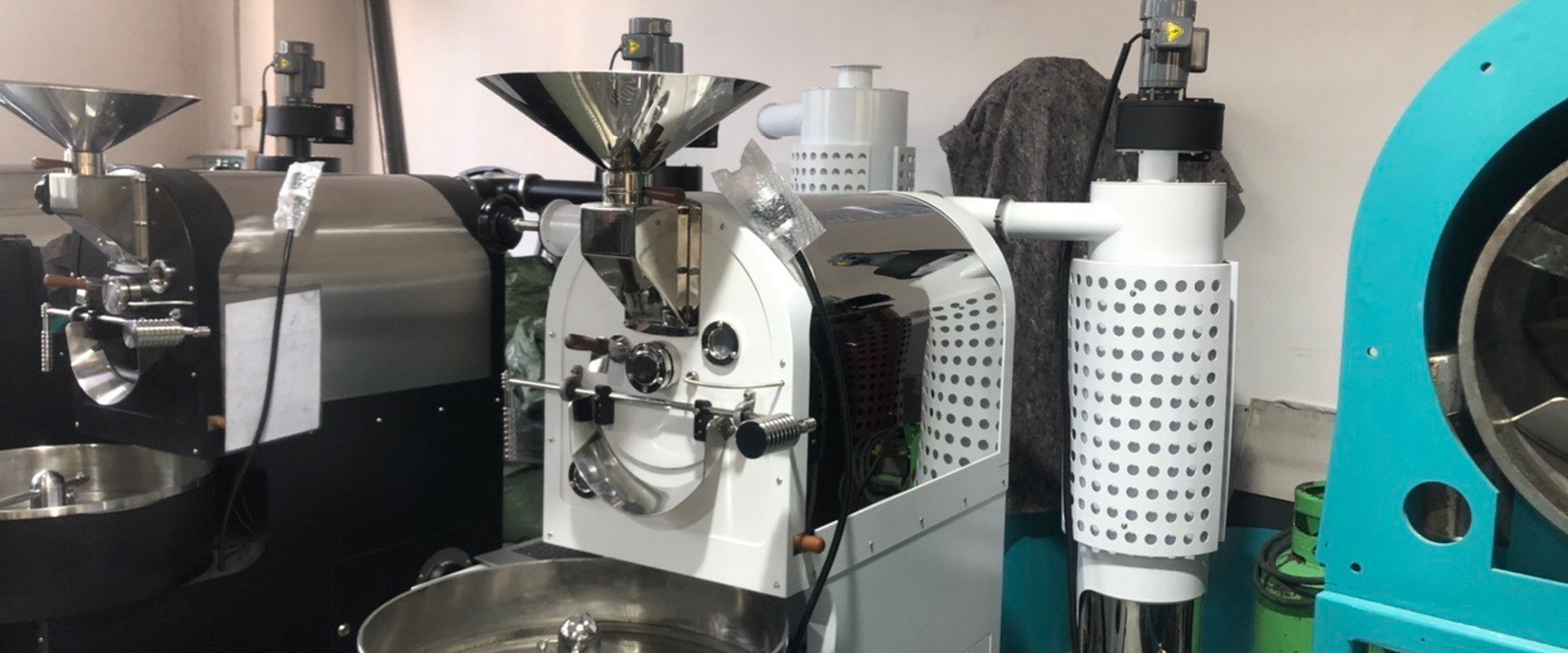
Which 1kg Roaster Is Yours?
Start from how much roasted coffee you sell in a week, not from the machine. A startup, a micro roastery, a cafe roasting for its own bar, or a coffee lab that needs a small coffee roaster for sample roasting and training runs a 1kg coffee bean roaster in sessions of three to four hours. Past 60 kg a week, look at the 3kg roaster instead. See all 27 commercial coffee roaster models and prices.
Three 1kg Coffee Roasters
-
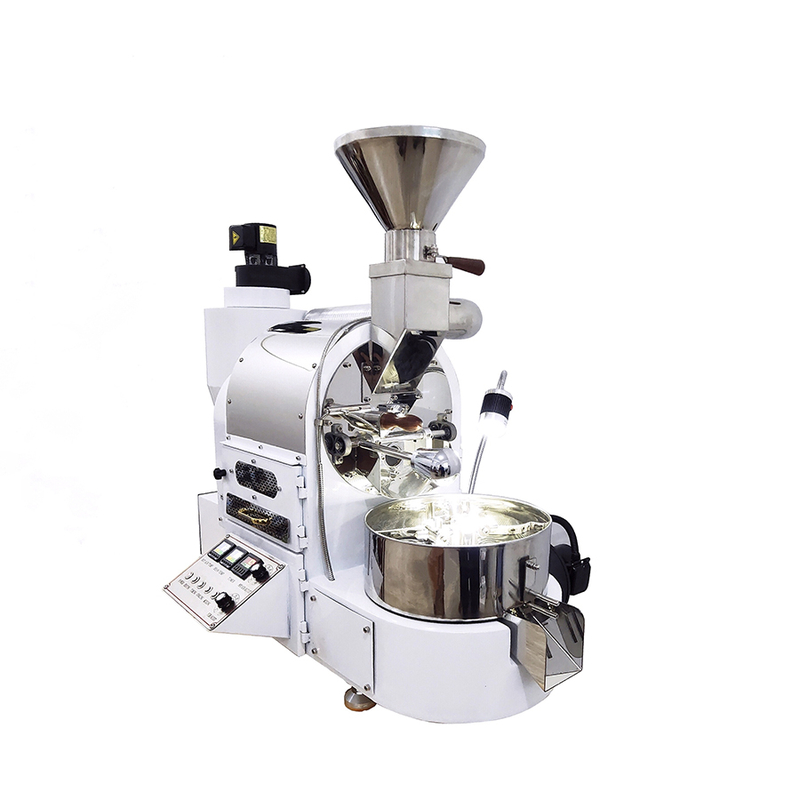 1 kg · Manual · USD 2,599
Manual, 304 stainless double drum; 0.2–1.5 kg a batch, 3–4 batches an hour; gas or electric at one price.
-
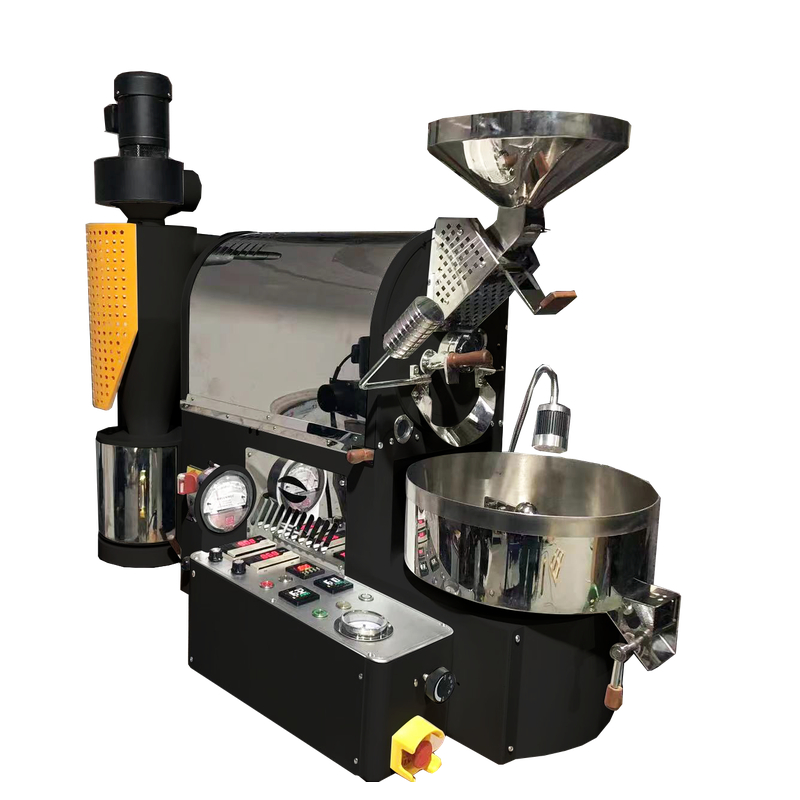 1.5 kg · Manual · USD 3,299
Manual, cast-iron drum that holds heat batch to batch; 1–1.8 kg a batch, 4–9 kg/h; push-button control.
-
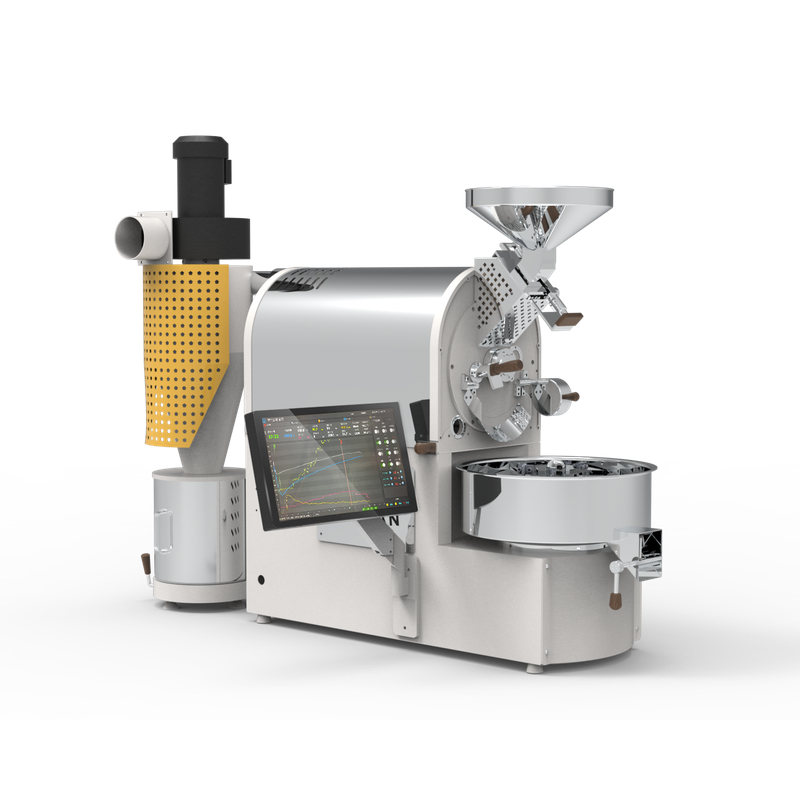 1.5 kg · Fully automatic · USD 5,399
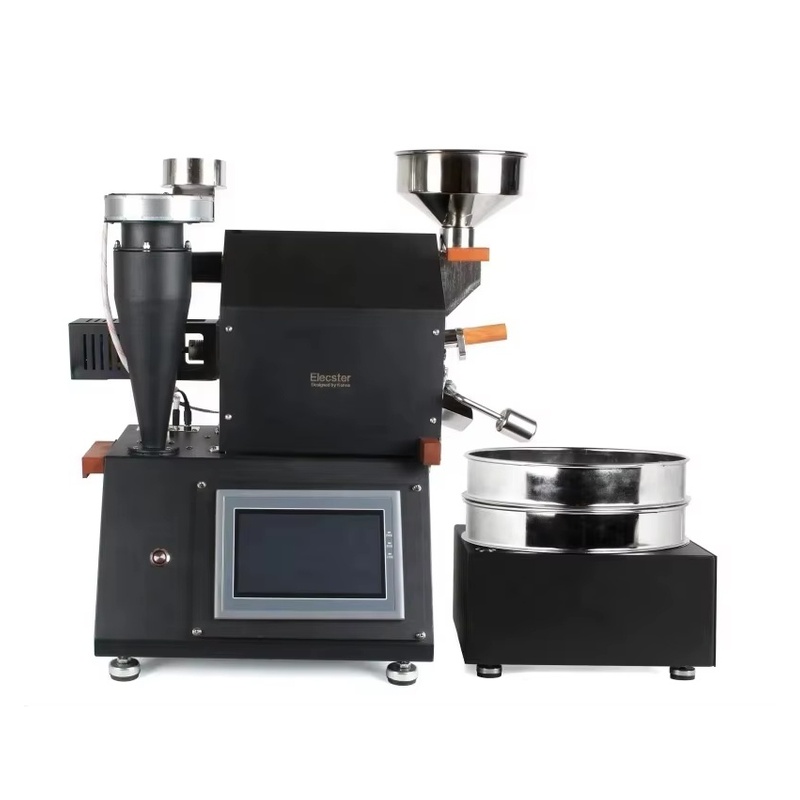
The fully automatic coffee roaster of the three: PLC touchscreen stores and replays profiles; double-layer cast-iron drum; manual/auto switch.
Often Bought With a 1kg Coffee Roaster
Ordered with the roaster, these ship in the same consignment at 20% off list price. The JD-3K, YS-Q3 and ZX-1 are made in our own plant; grinders are supplied by Yoshan, not made by us.
-
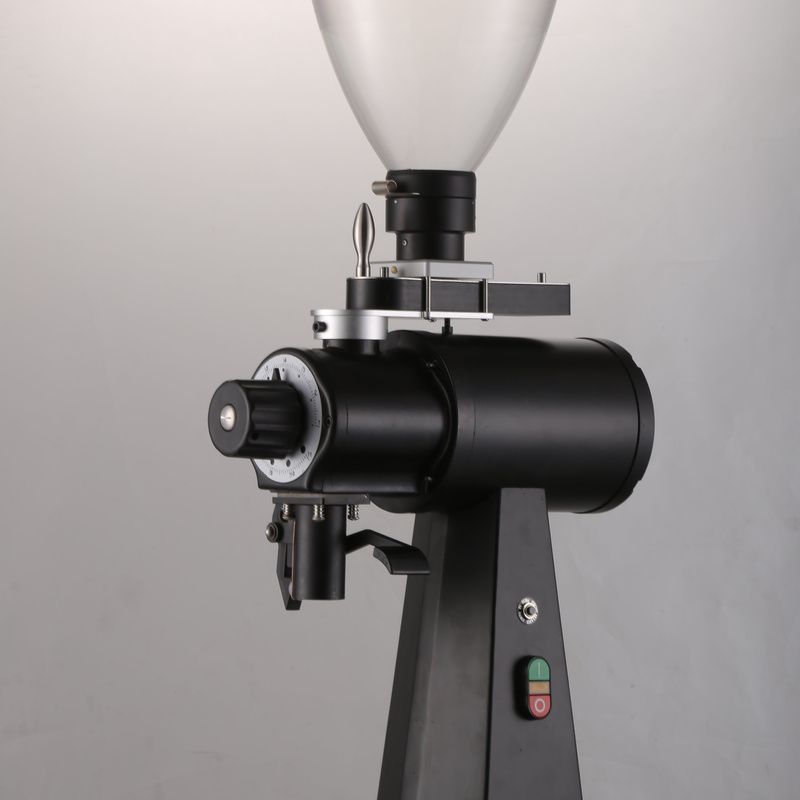
Four in ten 1 kg buyers add a grinder to the order; shop-size burr grinders are on the grinder page.
-
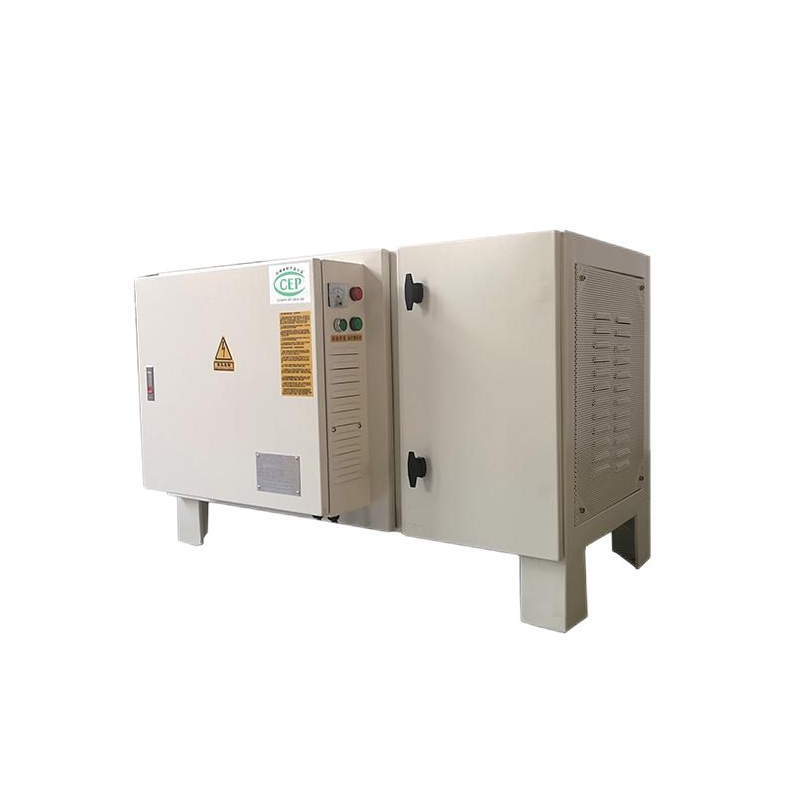
Electrostatic smoke and smell filter for indoor roasting; sized for 1–3 kg roasters; doubles as a stand. USD 1,500 list.
-
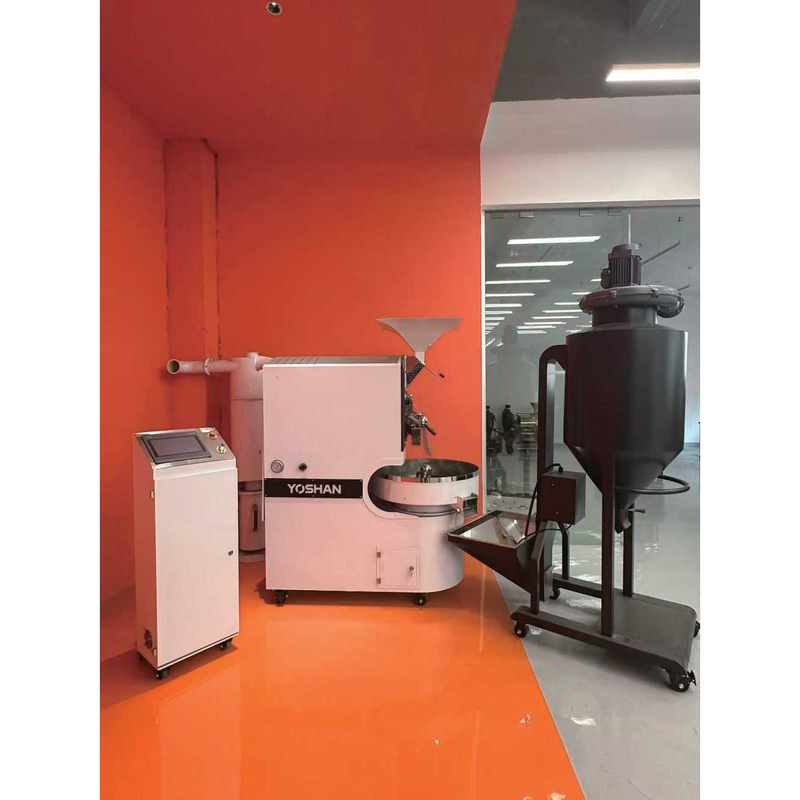
Pulls stones and metal out of green coffee before they reach your drum; sized for small roasteries. USD 1,299 list.
-
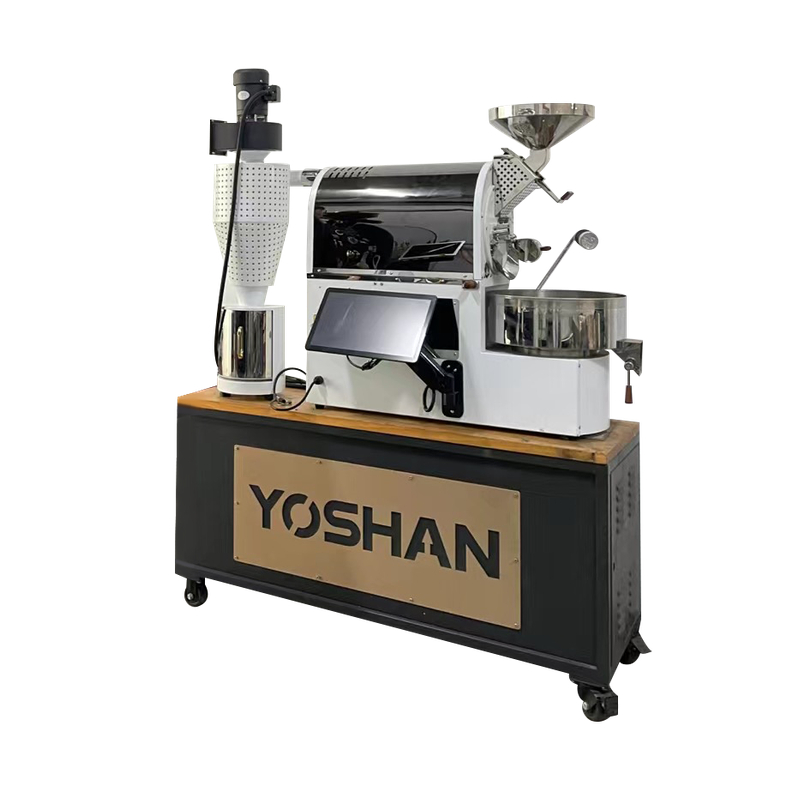
Mobile steel worktable for 1–2 kg roasters (DY-1KG, DY-2KG); 1200 × 500 × 715 mm on four castors. USD 399.
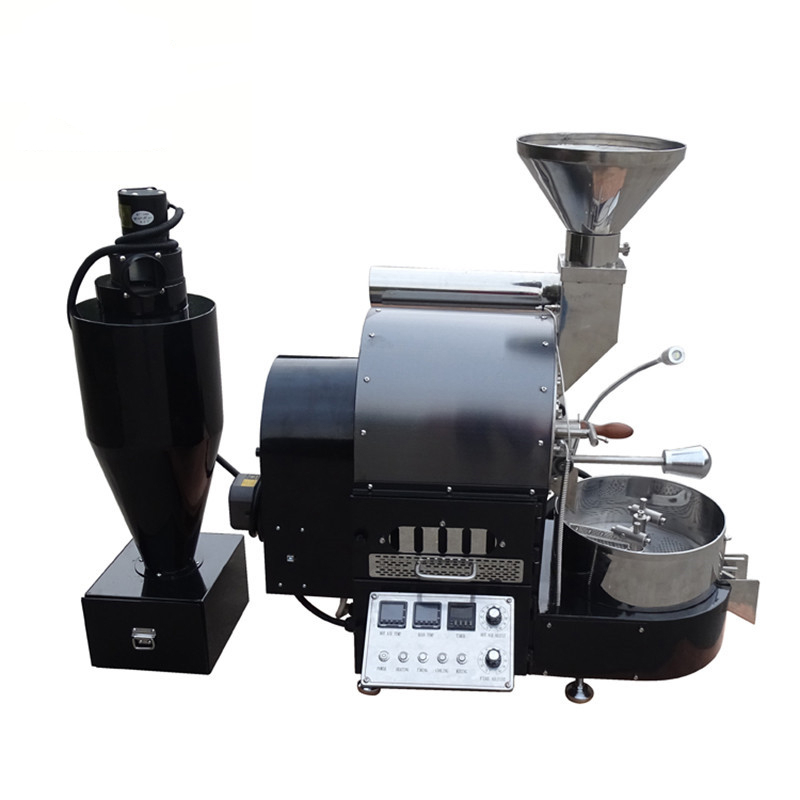
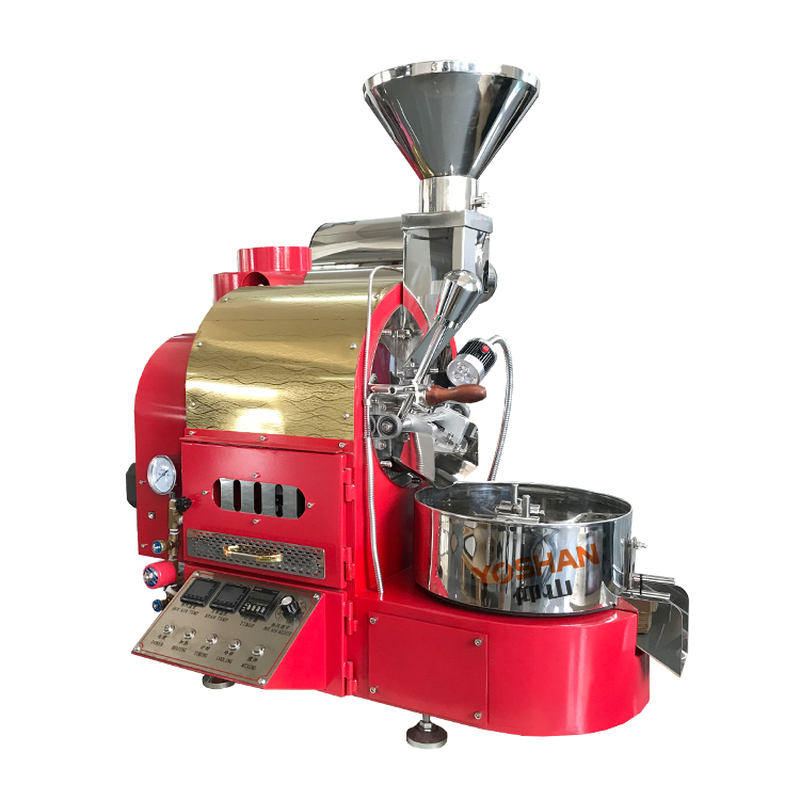
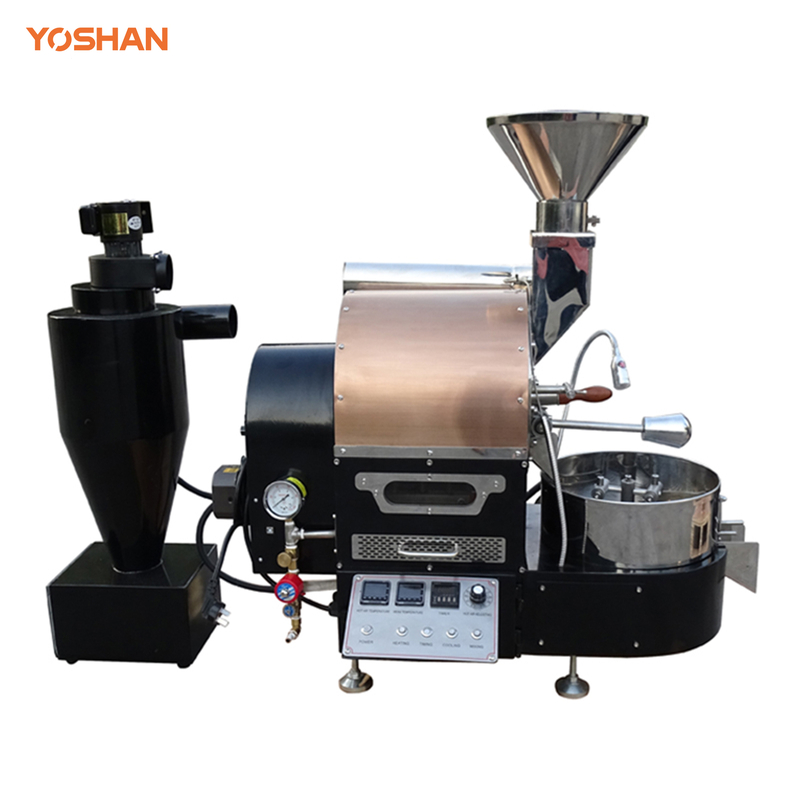
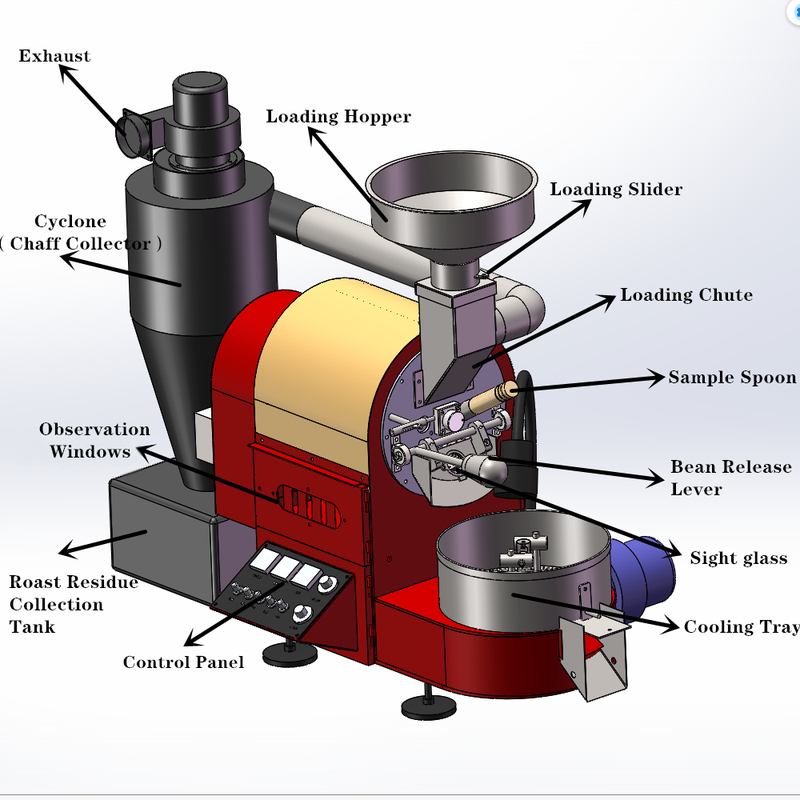
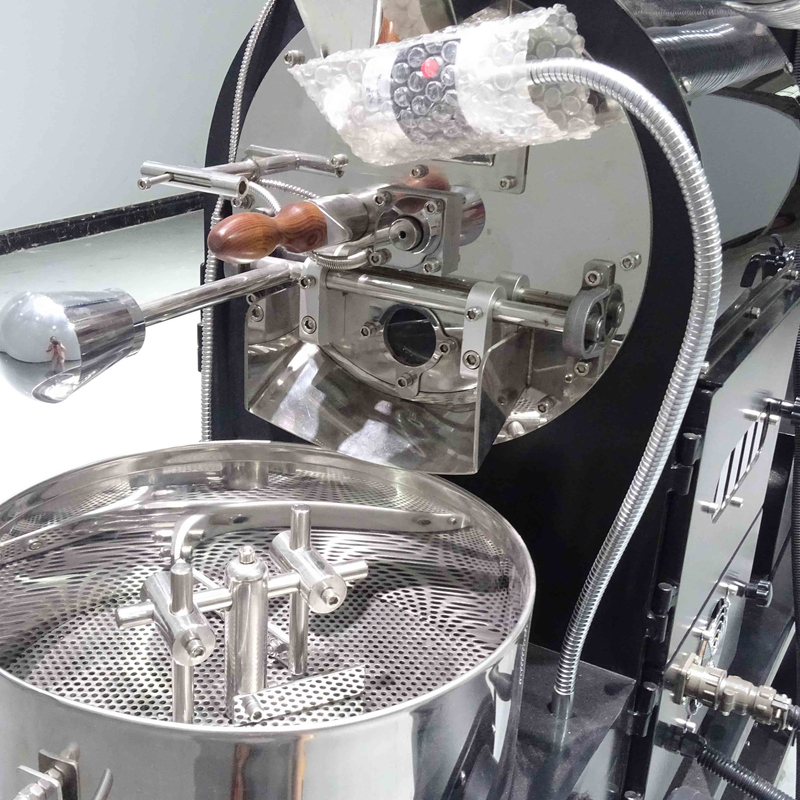
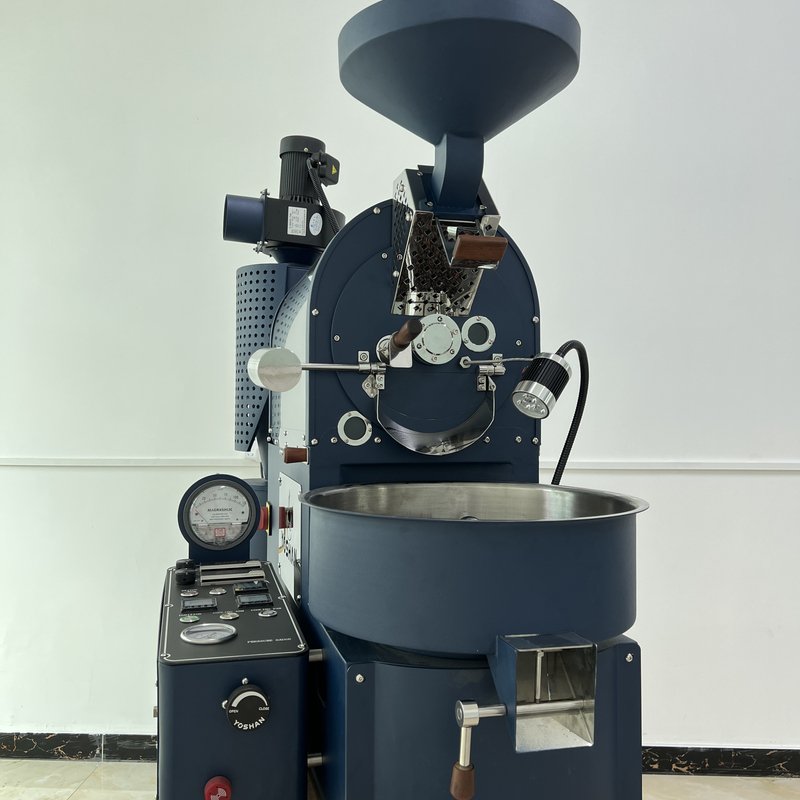
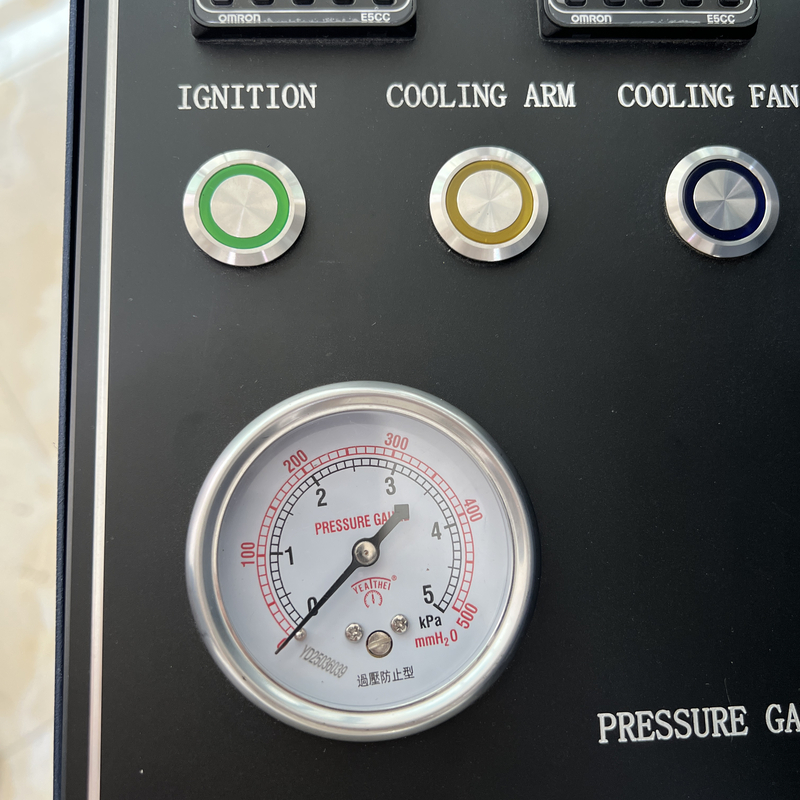
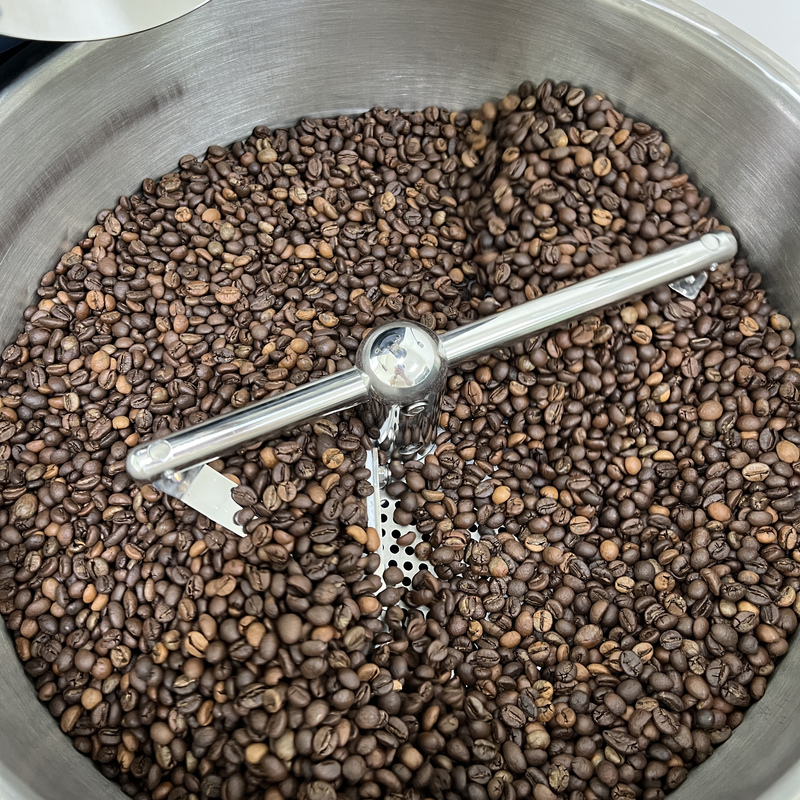
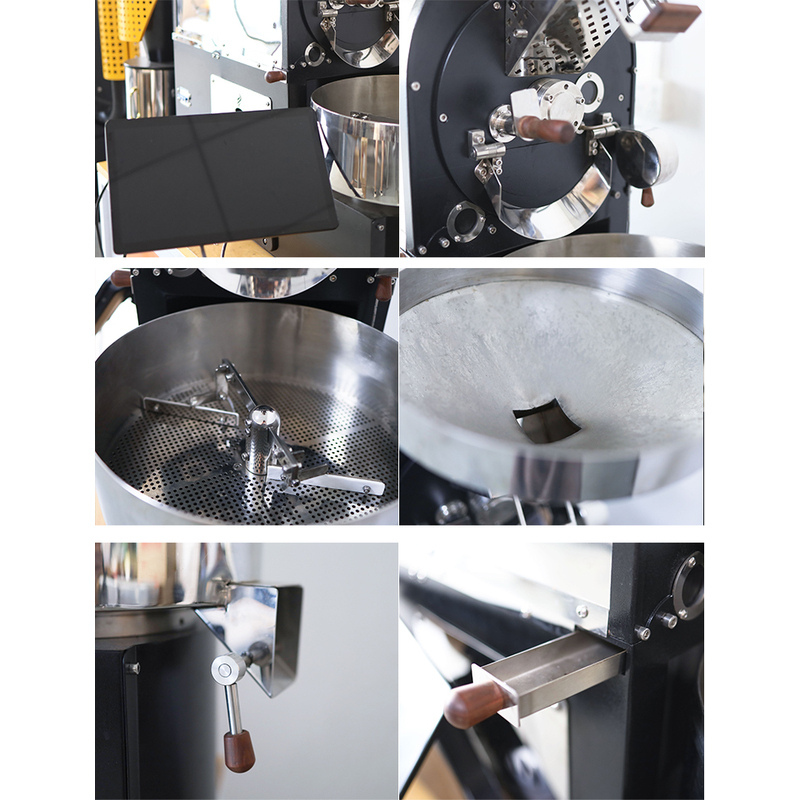
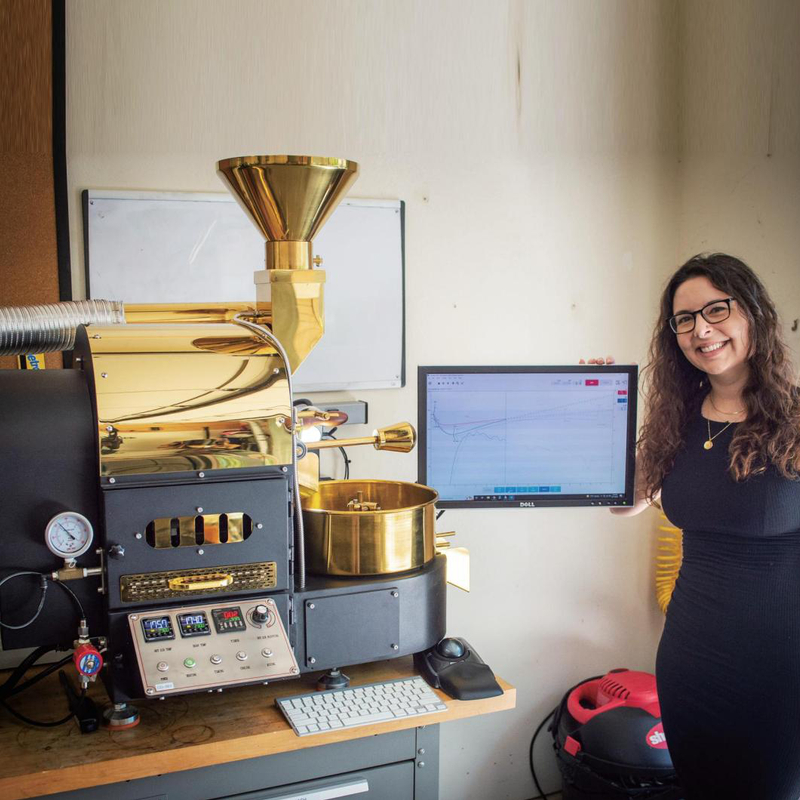
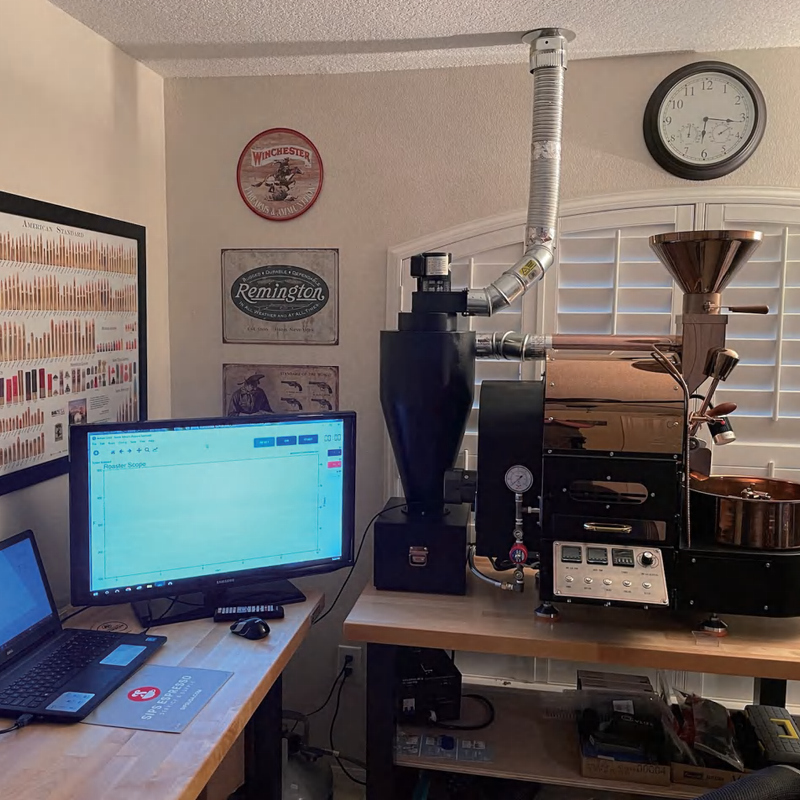
1kg Coffee Roasters: DY-1KG, SD-1.5KG and SD-1.5 Pro
- Three models: manual stainless, manual cast-iron, or PLC fully automatic
- USD 2,599 / 3,299 / 5,399 EXW Shenzhen; gas or electric, same price
- 0.2–1.8 kg (0.4–4 lb) a batch; 6–15 min roasts; 1–2 min cooling
- Artisan over USB or Bluetooth (DY-1KG, SD-1.5KG); Pro stores recipes on-screen
- Minimum order one unit; 50% deposit, balance after your test-roast video
- Ships with chaff cyclone, exhaust duct, tool kit and manual
- One-year warranty, parts by air express; 24/7 technical support
- Roasting in the UK, Australia, South Africa, the Philippines and Mexico
- Compare the Three
- Gas or Electric
- In the Crate & Shipping
- Warranty & Support
A 1kg coffee roaster is the smallest production drum roaster in our range and the one most first-time roasteries start on: a café roasting for its own bar, an online coffee brand, or a lab that needs a small coffee roaster for sample roasting and training. Yoshan has built drum roasters since 1990, today in our own Shenzhen plant, and the three 1kg coffee roasting machines for sale on this page share one half-hot-air, half-direct-fire drum principle: the DY-1KG with a 304 stainless double drum, the cast-iron SD-1.5KG, and the SD-1.5 Pro, the fully automatic one — each roasting one kilo (1 kg, 2.2 lb) a batch. Prices are EXW Shenzhen in USD, identical for every buyer, and the same figures you will see on your quotation.
| DY-1KG | SD-1.5KG | SD-1.5 Pro (fully automatic) | |
|---|---|---|---|
| Price, EXW Shenzhen | USD 2,599 (gas or electric) | USD 3,299 (gas or electric) | USD 5,399 (gas or electric) |
| Drum | 304 food-grade stainless steel, double layer | Cast iron | Cast iron, double layer, gold-plated |
| Roasting type | Half hot-air, half direct-fire | Half hot-air, half direct-fire | Half hot-air, half direct-fire (electric: full hot-air) |
| Control | Push-button control, digital temperature display | Push-button control, digital temperature display | PLC touchscreen, manual / auto switch |
| Roast profiling | Artisan via USB or Bluetooth | Artisan via USB or Bluetooth | Yoshan curve system on screen; Artisan interface on request |
| Heating | LPG / natural gas / electric | LPG / natural gas / electric (380 V three-phase) | LPG / natural gas / electric (380 V three-phase) |
| Batch capacity | 0.2–1.5 kg (0.4–3.3 lb) | 1–1.8 kg (2.2–4 lb) | 1–1.8 kg (2.2–4 lb) |
| Roast cycle | 12–15 min | 6–12 min after preheat to 180 °C | 6–12 min after preheat to 180 °C |
| Cooling | 1–2 min | 1–2 min | 1–2 min |
| Output | Up to 1.5 kg × 3–4 batches/h | 4–9 kg/h | 4–9 kg/h |
| Power, gas type | 190 W | 600 W | 600 W |
| Power, electric type | 4.19 kW, single-phase 220–240 V | 380 V three-phase | Full hot-air, 380 V three-phase |
| Gas consumption | 0.13 kg/h | 0.25 kg/h | 0.25 kg/h |
| Machine size (W×D×H) | 1200 × 800 × 1100 mm | 1350 × 800 × 1150 mm | 1350 × 800 × 1150 mm |
| Net weight | 130 kg incl. chaff cyclone | 130 kg | 130 kg |
| Best for | First roaster for a café or home-based brand; lowest entry price | A small brand that wants cast-iron heat stability at a manual price | Repeatable profiles without standing at the machine |
| Quote DY-1KG | Quote SD-1.5KG | Quote SD-1.5 Pro |
Gas (LPG/propane or natural gas). A 1kg gas coffee roaster is cheap to run: the gas DY-1KG draws 190 W for its motors and burns about 0.13 kg of LPG an hour; the SD-1.5KG and SD-1.5 Pro draw 600 W and use about 0.25 kg/h. You work the flame and the airflow damper by hand, so heat response around first crack is immediate. Tell us your country and gas type at quotation: we fit the burner for your gas and confirm which burner documentation your inspector will accept.
Electric. The 1kg electric coffee roaster in the range is the electric DY-1KG: single-phase 220–240 V, 50/60 Hz, 4.19 kW heating tubes on a dedicated circuit with an RCD — no gas line, no gas inspection. Electric roasters ship without a plug; your electrician wires them to the RCD. The electric SD-1.5KG and SD-1.5 Pro run on 380 V three-phase at the same price as gas (the Pro's electric version is full hot-air), so if you only have single-phase, ask us before ordering.
110 V countries. In the United States, Canada, Japan and Mexico, check for a 220 V supply first; if there is none, a step-up transformer sized to the roaster travels in the same crate, or choose the gas model, whose motors draw under 600 W.
What is in the crate. Every 1kg coffee roaster for sale on this page ships with the roaster, its chaff cyclone, a foil exhaust duct with clamps, the maintenance tool kit and the manual.
Crate and weight. SD-1.5KG: film-wrapped, fumigated wooden case, 1450 × 910 × 980 mm, gross about 183 kg, ISPM-15 stamped. DY-1KG and SD-1.5 Pro: crate size on request with your quotation.
How to order — minimum order one unit.
- Send your weekly volume, voltage, gas type and destination port.
- Quotation within 24 hours: price, lead time and freight to your port or door — EXW, FOB, CIF or DDP.
- 50% deposit starts production: T/T, L/C, PayPal, credit card or Alibaba Trade Assurance.
- Production, three factory inspections and a real-bean test roast — you receive the video before the balance.
- 50% balance before shipment; the crate leaves Shenzhen by sea or air.
- Documents for customs, then remote commissioning by video call when the roaster arrives.
Where they go. 1kg roasters from this page are already roasting in the UK, Australia, New Zealand, South Africa, the Philippines, Saudi Arabia, Mexico and across Europe and Latin America. Distributors and repeat buyers: wholesale pricing and OEM branding are quoted on request.
Lead time. Built to order, so no printed number here — see the FAQ below and ask for the current date in writing on your quotation.
One Year Limited Warranty: if any parts fail without human damage within one year, we send replacement parts by air express at our cost. 24/7 lifetime phone and online technical support.
Extended warranty is available at ordering: DY-1KG two years for USD 299 or three years for USD 799; SD-1.5KG and SD-1.5 Pro two years for USD 699.
Commissioning is done with you on a video call: gas connection, first preheat, first roast. Spare and wearing parts are stocked at the factory and sent by courier.
What Is Built Into Every 1kg Coffee Roaster




Who Runs a 1kg Coffee Roaster
Four ways our customers use the 1 kg class — and which of the three models fits each.
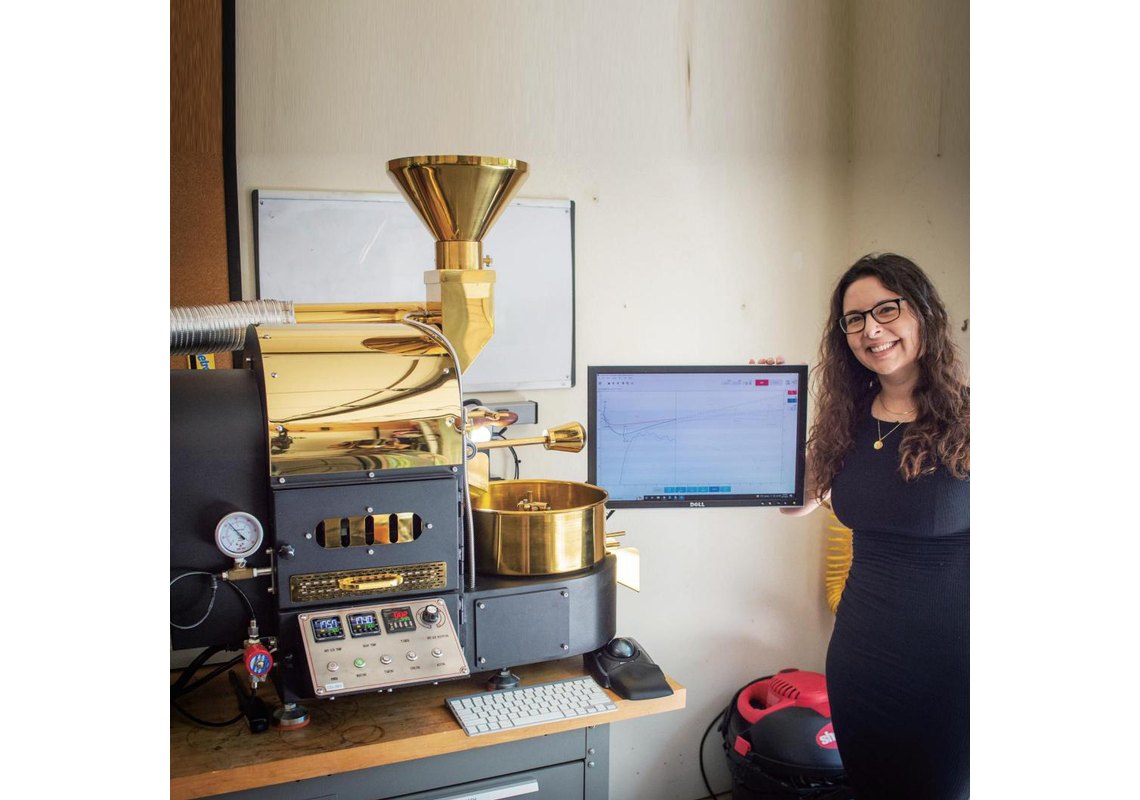
Serve coffee you roasted this week, not last month. A gas or electric DY-1KG runs three to four batches an hour in a back room — one 220–240 V circuit and no gas inspection on the electric version — and comes in your colour with your logo, so it sits on the counter as part of the brand. Add the JD-3K filter if the exhaust cannot reach outside.
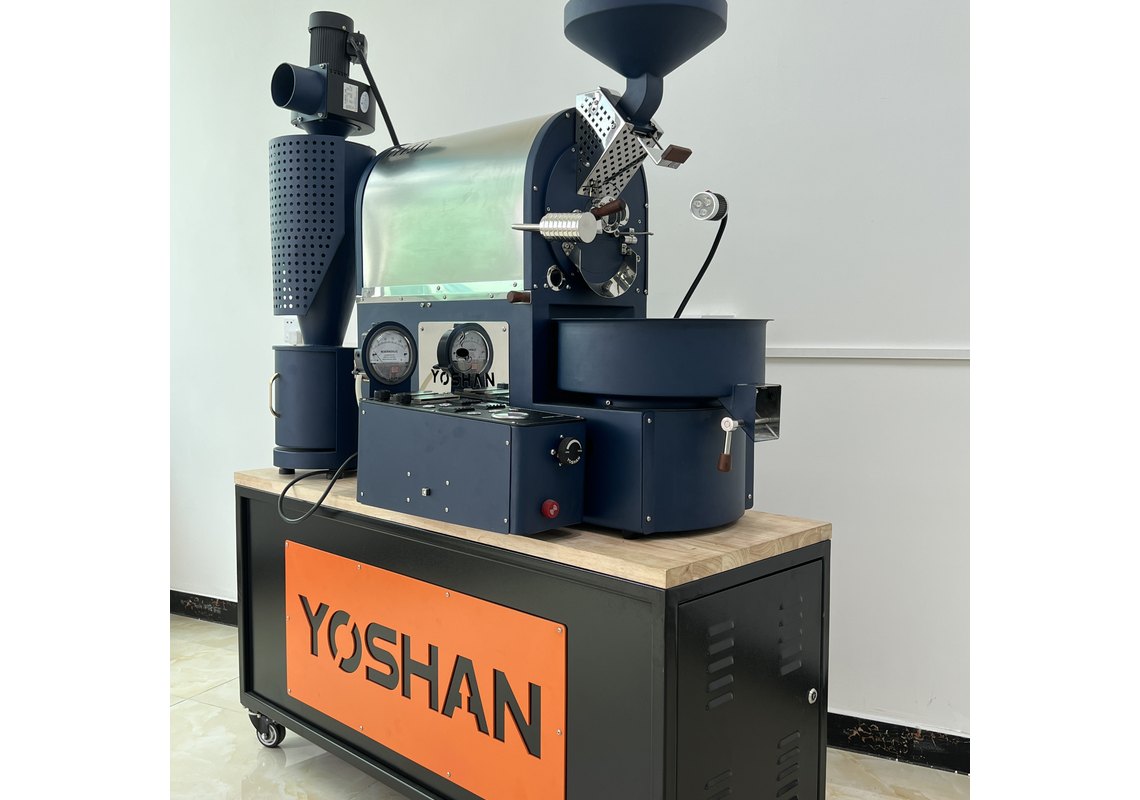
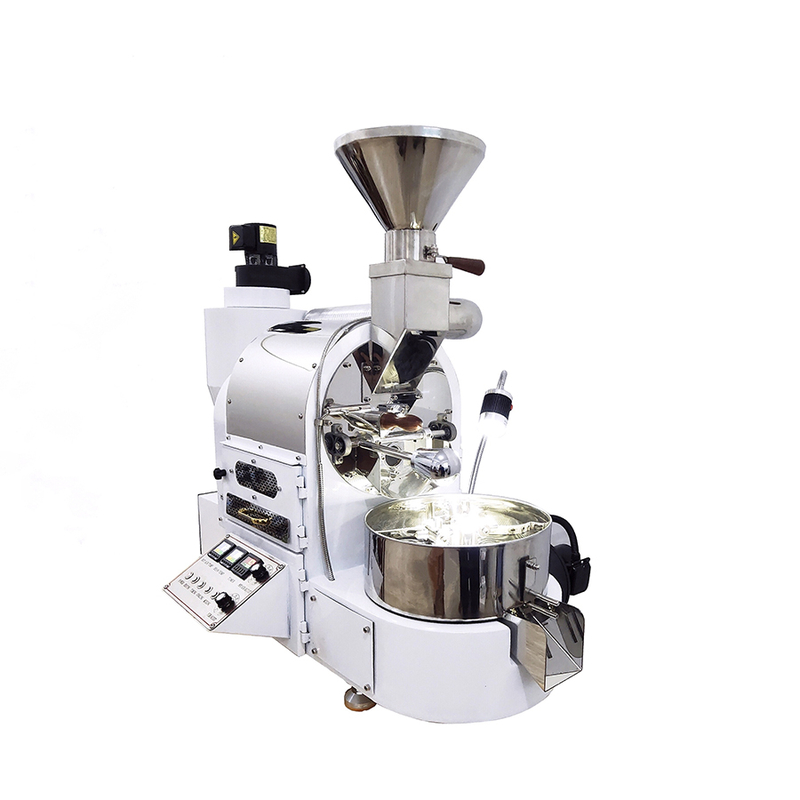
Your third roast has to taste like your first when customers reorder. The SD-1.5KG (pictured) has a cast-iron drum that holds heat between batches, and Artisan logs every curve over USB or Bluetooth so a good roast can be repeated, not remembered. Four to nine kilos an hour on a manual machine at USD 3,299 — the cheapest way in the range to sell consistency.
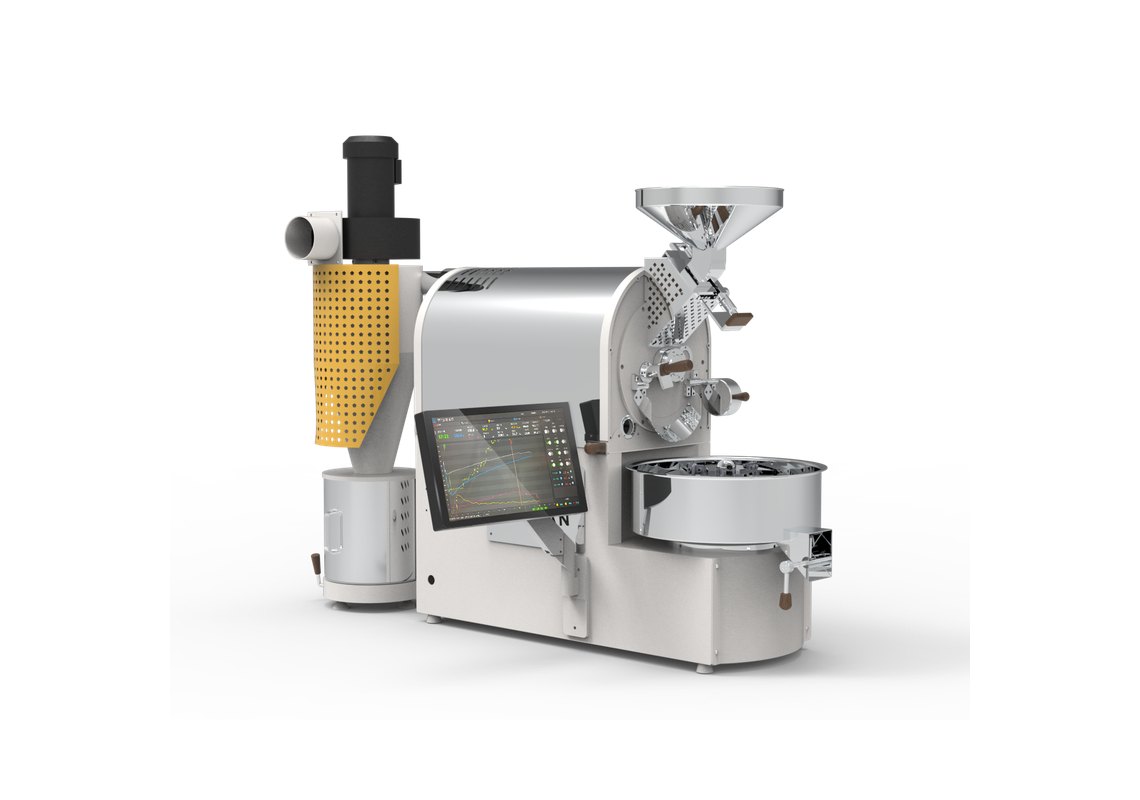
When you roast for cupping, the profile is the product. The SD-1.5 Pro stores each roast on its PLC touchscreen and runs it again unchanged for the next class or the next green-coffee sample; switch to manual when a student needs to feel the flame. For small lots, the DY-1KG roasts from 0.2 kg a batch.
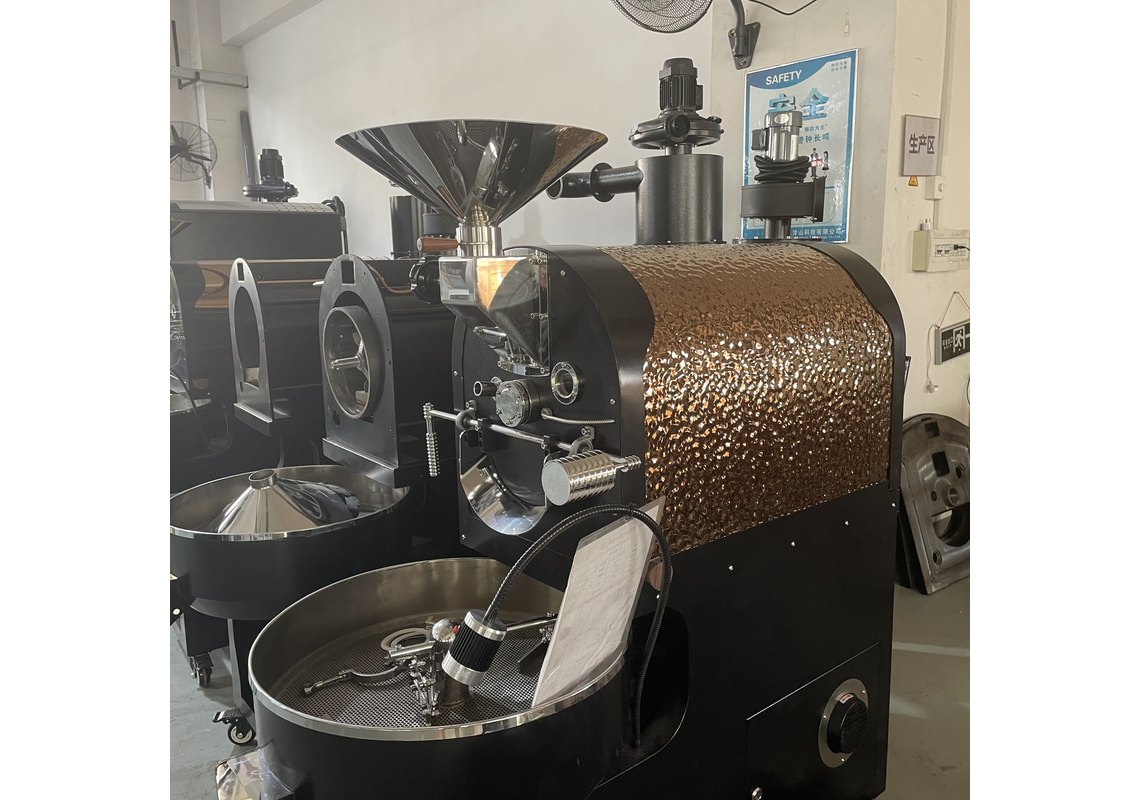
Most Yoshan customers keep their 1kg roaster when they grow: it becomes the sample and profile machine next to the 3 kg SD-3KG, with the same Artisan setup, spare parts and support contact. Start at USD 2,599, prove the demand, and add capacity from the same factory instead of replacing the first machine.
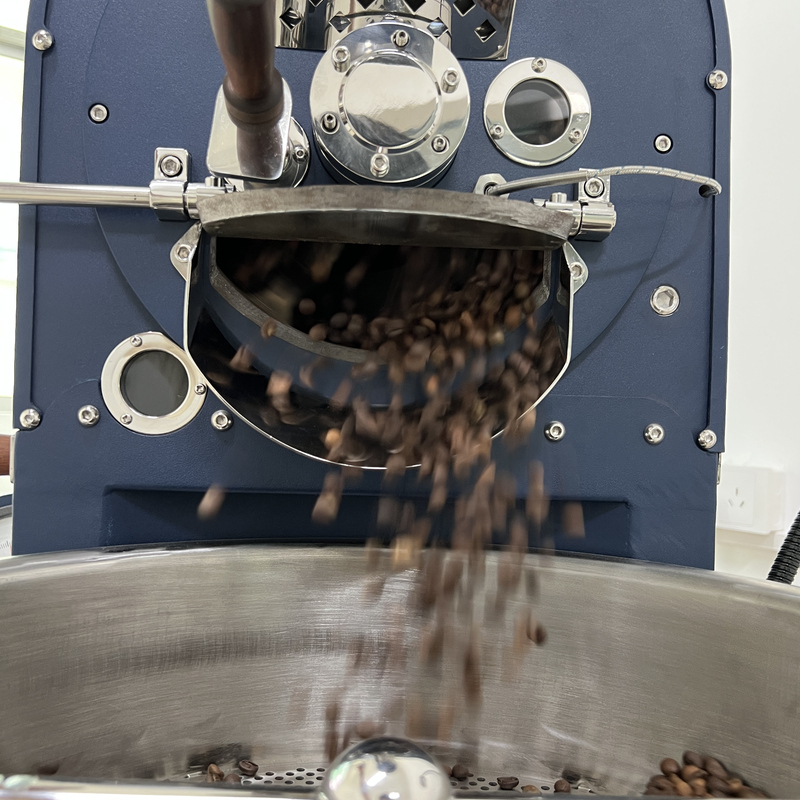
See Your Roaster Run Before You Pay the Balance
Every 1kg coffee roaster we build is inspected three times on the line and then loaded with real green beans for a test roast. You receive the video and photos of your own machine — your serial number, your colour — before the balance payment is due. If you want to watch it live, we set up a video call from the test bay.
Roast by Hand, by Touchscreen, or Let Artisan Log It
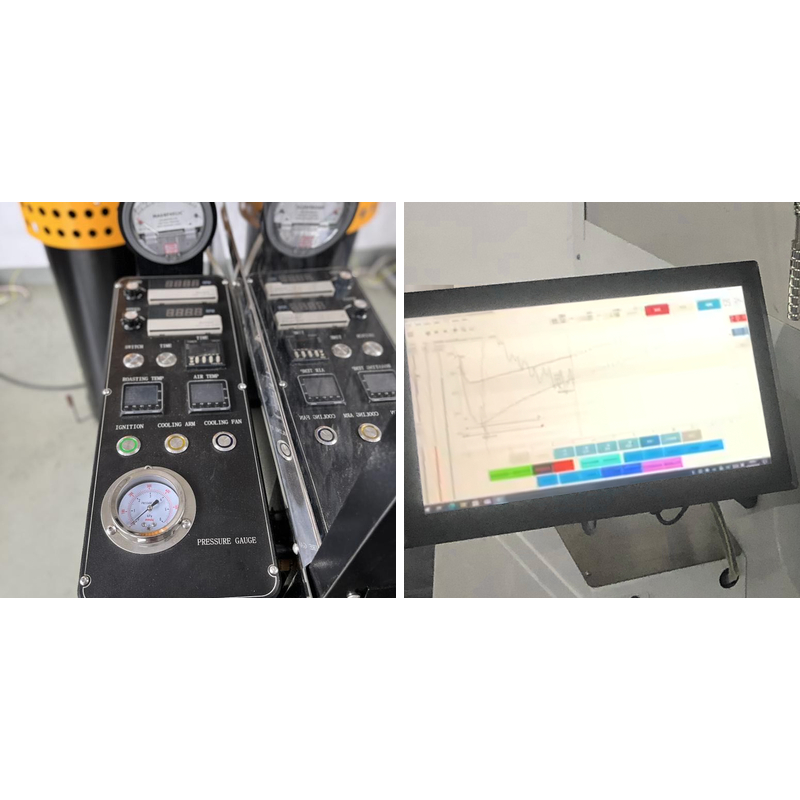
On the manual 1kg coffee roasters — DY-1KG and SD-1.5KG — you control gas and airflow by hand and read bean temperature on the digital display (a German-made thermocouple probe on the DY-1KG), while Artisan runs as your data logger over USB or Bluetooth on Windows or Mac. The SD-1.5 Pro moves that roast profile onto its own PLC touchscreen: record a roast, save it, and let the machine run it again tomorrow — or switch back to manual whenever you want to work by hand.
Gas or Electric at 1kg — Same Price, Your Choice
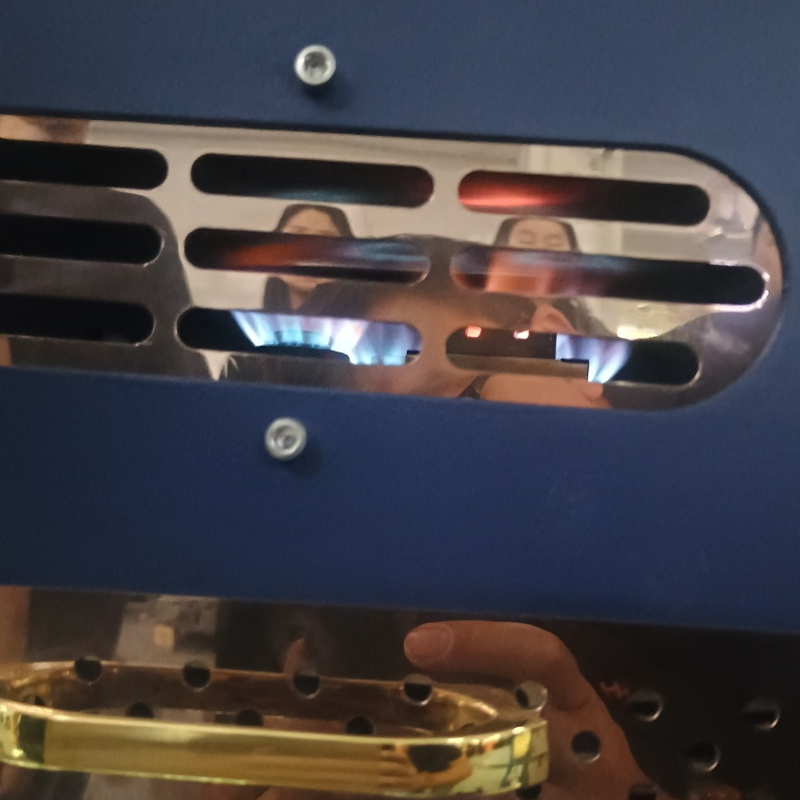
Your premises decide this, not the coffee. A shop without a gas line, or a home-based roastery, is easier to run on the electric 1kg coffee roaster, the DY-1KG: one 220–240 V circuit, no gas inspection. A shop that already has gas, or roasts several sessions a day, gets faster heat response from the gas models. Both cost the same, so choose by installation.
Your Colour, Your Logo, at No Extra Cost
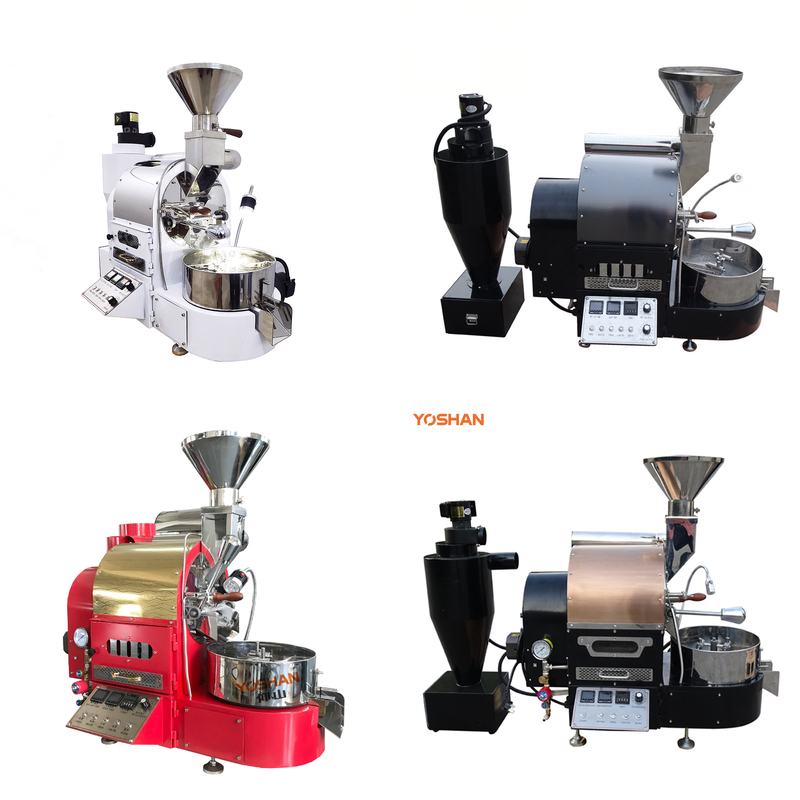
Black, white, copper and red are standard on every 1kg roaster; blue, green, silver, or any custom color you can name with a RAL number or a photo is made to order at the same price. Your logo goes on both sides of the body and, on the Pro, on the start screen; you approve a rendering before we paint.
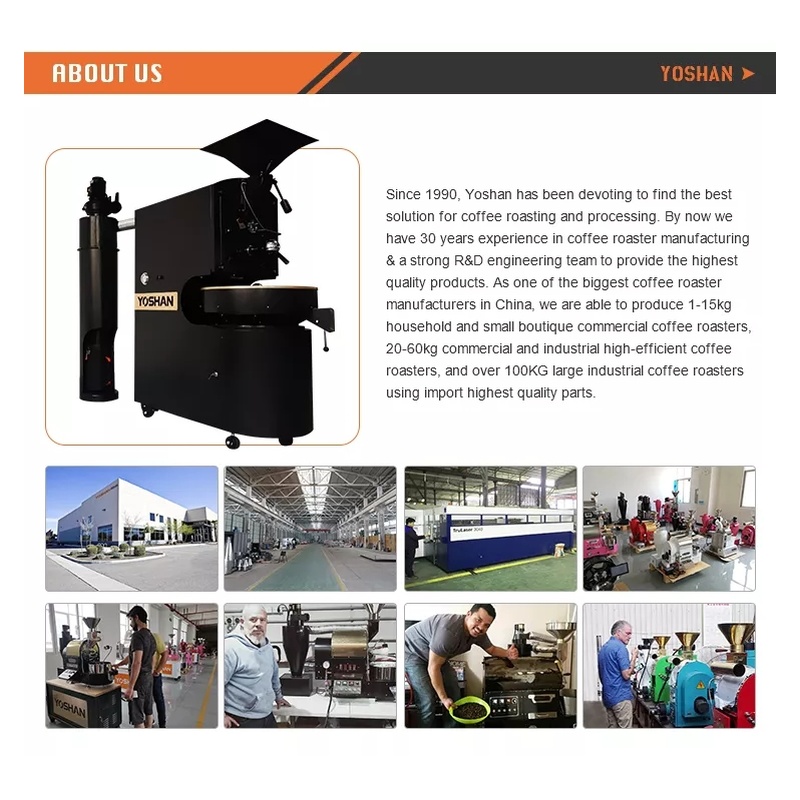
Factory-Direct Since 1990: No Trading Company in Between
Yoshan has been a coffee roaster manufacturer since 1990 — the maker, not a trading company — and every roaster on this page is made in China in our own plant in Guangming District, Shenzhen, on the same lines that build our 60 kg and 120 kg machines. You are welcome to visit the factory in Shenzhen, or to ask for a customer already roasting on a Yoshan in your country.
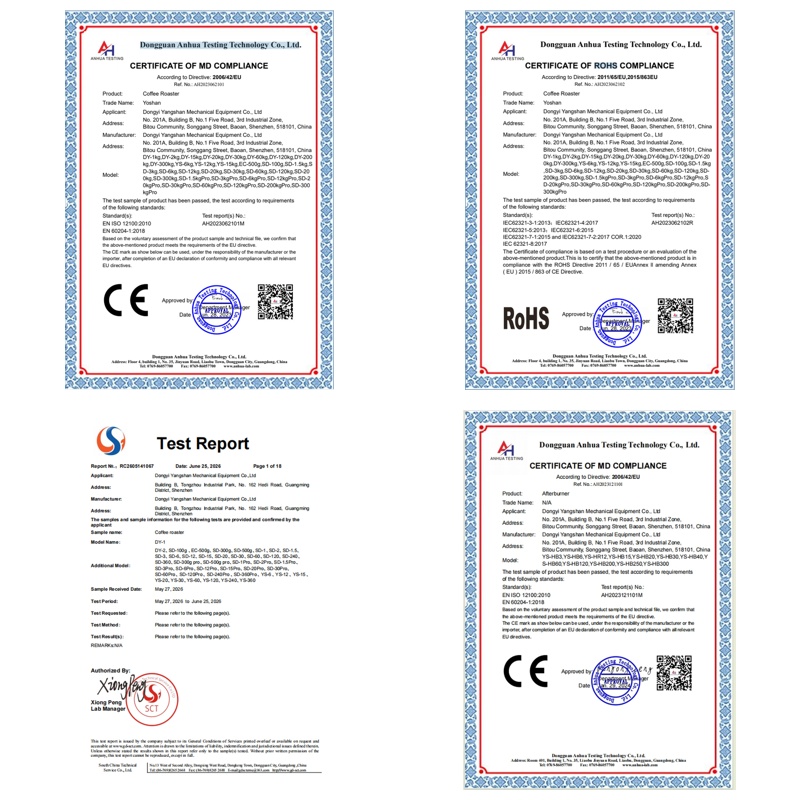
CE, RoHS and FDA Certified — Documents Ready for Your Inspector
Our 1kg coffee roasters carry CE certification under the Machinery Directive 2006/42/EC and the Low Voltage Directive 2014/35/EU (current certificate AH2023062101, June 2023), a RoHS test report, an FDA 21 CFR 175 food-contact coating report and an SGS factory audit. Gas approvals differ by country: tell us where the roaster is going and we confirm which burner documentation your inspector will accept before you order.
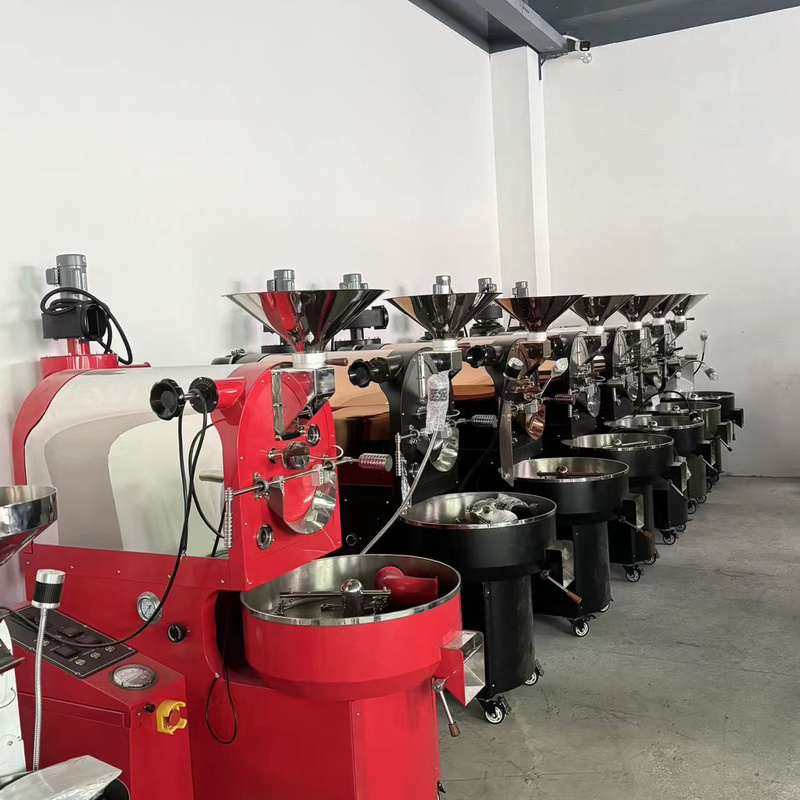
Next Size Up, Next Size Down, and the Series
Choosing a 1kg Coffee Roaster: Output, Price and Upgrading Later
What a 1kg Coffee Roaster Really Produces
The number on the badge is drum capacity, not what you sell. The DY-1KG roasts up to 1.5 kg of green coffee in 12–15 minutes and cools in 1–2 minutes, so you get three to four batches an hour — about 20 kg of green coffee in a four-hour session. The SD-1.5KG and SD-1.5 Pro run 6–12 minute roasts after a 180 °C preheat and put out 4–9 kg of roasted coffee an hour, or 16–36 kg a session. Green coffee loses weight in the drum, so you will bag less than you load; a shop using 30–40 kg a week covers it in two or three sessions on the SD-1.5KG. If you already supply other cafés, or plan a second location within a year, buy the 3kg roaster now — upgrading later costs more than the difference in price.
What Is Included in the Price
The entry price covers the machine, its chaff cyclone, exhaust duct, tool kit and manual, the factory test roast, a one-year warranty and the export documents, EXW Shenzhen. Because the price is public and the same for every buyer, you can compare it directly before you buy a 1kg coffee roaster: a used 1kg coffee roaster is usually sold without warranty, test video or spare-parts support. Not included: freight, import duty and a grinder — ask for DDP and the whole landed figure is on one quotation.
Upgrading Later
Most Yoshan customers who start on a 1kg roaster buy a second, larger machine within a few years rather than replace the first: the 2kg coffee roaster (DY-2KG), which shares the DY-1KG's design, then the 3 kg SD-3KG, which moves you to a cast-iron drum from the SD series, or the SD-6 Pro — 1 kg, 2 kg, 3 kg and 6 kg machines from one factory. The 1 kg stays as the sample and profile roaster. If you need less than 500 g a batch for cupping, the EC-500G sample roaster is the smaller option. Because all of them come from the same factory, your spare parts, Artisan setup and support contact do not change.
¿Buscas una tostadora de café de 1 kg? Escríbenos en español: respondemos en 24 horas.
No. USD 2,599 is the machine price EXW Shenzhen, and it is the same for every buyer. Delivered cost adds sea or air freight to your port, import duty in your country, and inland delivery if you want door-to-door. Send us your address and we quote FOB, CIF or DDP within 24 hours, so you see the full landed figure before you decide.
Buy on batch size. The DY-1KG takes 0.2–1.5 kg a batch at USD 2,599; the DY-2KG takes 0.3–2.5 kg at USD 3,399 with the same stainless double drum, the same 220–240 V single-phase electrics and almost the same footprint (1200 × 850 × 1200 mm). If you expect to pass 1.5 kg batches within a year, the USD 800 step is cheaper than a second machine.
Yes. The JD-3K is an electrostatic filter: it takes smoke and smell out of the exhaust so you can roast indoors, but the air still leaves through a duct. The chaff cyclone, foil duct and clamps are in every crate; the JD-3K is sized for 1–3 kg roasters, lists at USD 1,500 and is 20% off when it ships with the roaster.
It starts when you receive the goods. If any part fails without human damage within one year, we send the replacement by air express at our cost, and phone and online technical support is 24/7 for life. You can extend it at ordering: the DY-1KG to two years for USD 299 or three years for USD 799, the SD-1.5KG and SD-1.5 Pro to two years for USD 699.
Not directly. The gas versions of all three models, and the electric DY-1KG, are built for single-phase 220–240 V; the electric SD-1.5KG and SD-1.5 Pro need 380 V three-phase. In the United States, Canada, Japan or Mexico you have two options: a step-up transformer sized to the roaster, shipped in the same crate, or the gas version, whose motors and fans draw only 190–600 W.
Every 1kg coffee roaster is built to order in your colour and voltage, so there is no shelf stock and we do not print a lead time here — it moves with the production schedule and with your colour; standard black or white is fastest. Ask us and you get the current date in writing on the quotation, plus the transit time to your port.
Yes. The DY-1KG's minimum batch is 0.2 kg (0.4 lb), so one 1kg coffee roaster can cover sample roasting, cupping lots and production batches up to 1.5 kg. The SD-1.5KG and SD-1.5 Pro start at 1kg a batch. If most of your work is under 500 g and you never need production volume, the EC-500G electric sample roaster is the cheaper machine.
1 kg is 2.2 lb. The DY-1KG takes 0.4–3.3 lb of green coffee a batch and the SD-1.5KG and Pro take 2.2–4 lb, so a 1 lb coffee roaster, a 2 lb coffee roaster or a 1 kilo coffee roaster is the same size class — and the 2 lb natural gas or propane version is simply the gas DY-1KG. Our spec sheet lists every capacity in kg and lb.